SMARTMAK BLOG

Cold Plunge & Water Wellness

Explore cold plunge, ice bath, water chiller, hot tub, hydrotherapy, and contrast-wellness topics in one dedicated resource center. This category covers cold plunge benefits, water temperature, session timing, beginner protocols, post-workout recovery routines, system setup, chiller selection, and combined sauna and cold plunge experiences. Readers can also learn about home and commercial cold plunge systems, wellness facility applications, and the practical differences between ice baths, cold tubs, and temperature-controlled equipment. The articles emphasize informed use, system planning, and appropriate safety considerations rather than guaranteed medical or performance outcomes.

ARTICLES

Latest Insights

Migraine Relief Strategies: How Cold Plunge Therapy and Contrast Temperature Methods May Help Headache Management

Introduction: Why Temperature Therapy Is Being Explored for Migraine Relief A migraine doesn’t politely show up with a calendar invite. It kicks the door in—usually when you’re already tired, already stressed, already late, already done. And when that happens, a lot of people reach for something primitive and fast: cold. Or heat. Or both. Migraine care has a whole pharmacy aisle behind it (acute meds, preventives, anti-nausea meds, the works). But real life has a freezer, a shower, and maybe a bucket of hot water. So temperature tricks—ice packs, warm foot soaks, “contrast” setups—keep getting used because they’re cheap, available,
Learn More »

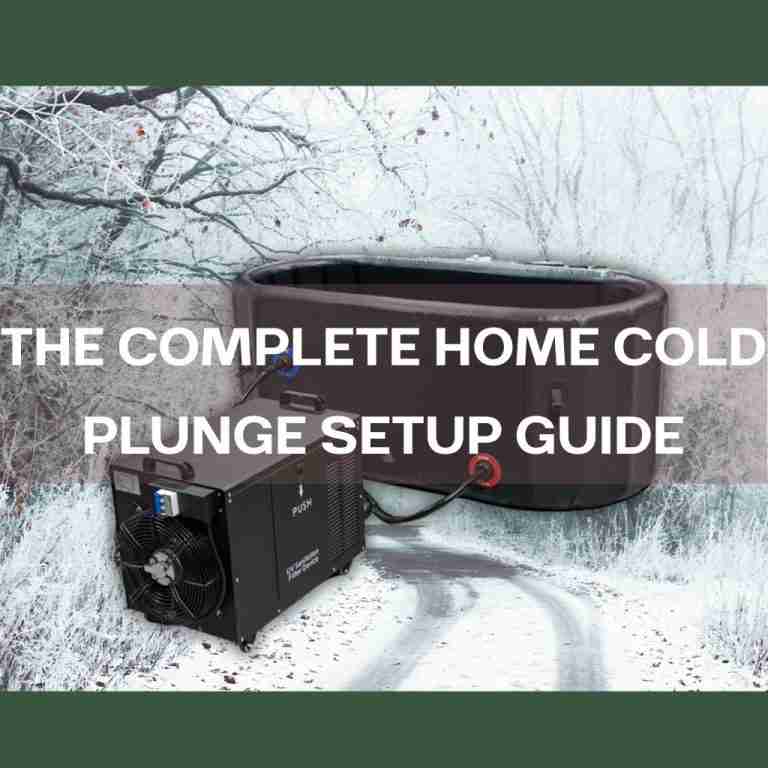
The Complete Home Cold Plunge Setup Guide: From DIY Ice Bath to Premium Systems (Space, Plumbing & Power Explained)

Introduction: Why Home Cold Plunge Systems Are Becoming a Lifestyle Upgrade Cold plunging used to be a weird athlete thing. A cooler full of ice, a grimace, a stopwatch, and some macho storytelling afterward. Now it’s… furniture. People are building their week around it the way they build around a coffee machine or a Peloton—because the habit sticks, and because driving to a sauna studio just to shiver in a tub gets old fast. But here’s the part nobody tells you: the “cold” is the easy part. The annoying part is everything around it—where it sits, how you dump water without

Learn More »

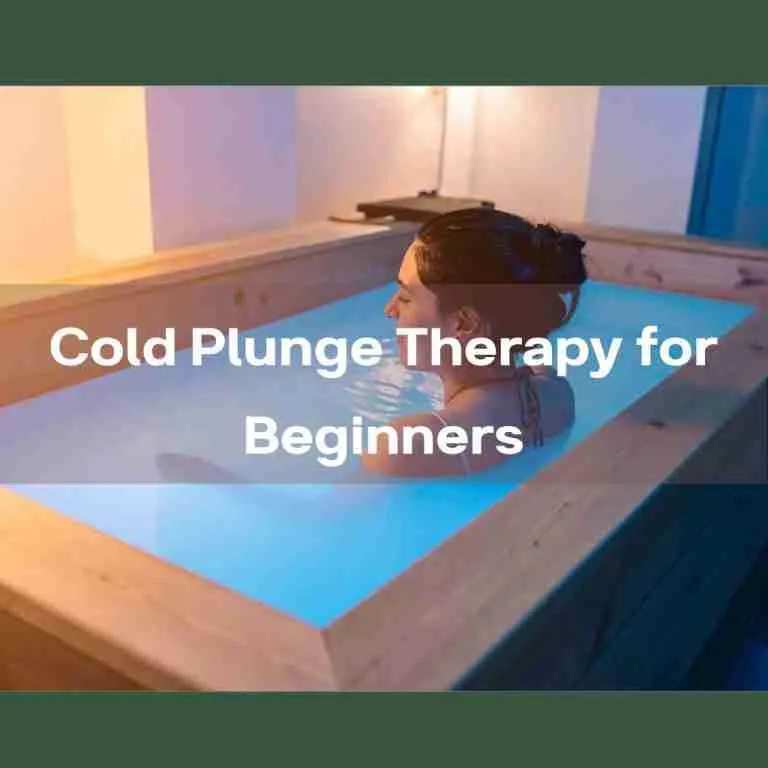
Cold Plunge Therapy for Beginners: Build a Repeatable Routine and Avoid Common Mistakes

Cold plunge therapy has become increasingly popular in recent years as more people incorporate it into their wellness and recovery routines. While stepping into cold water can feel intense at first, many people find that, when done correctly, it turns into a practice they genuinely enjoy and look forward to. If you’re curious about it, you’re certainly not alone. Cold plunge therapy is a practice in which you sit in cold water for a short period. You step in, focus on your breathing, stay for a short time, and then step out. That’s it—simple and direct. Many beginners think the goal is

Learn More »

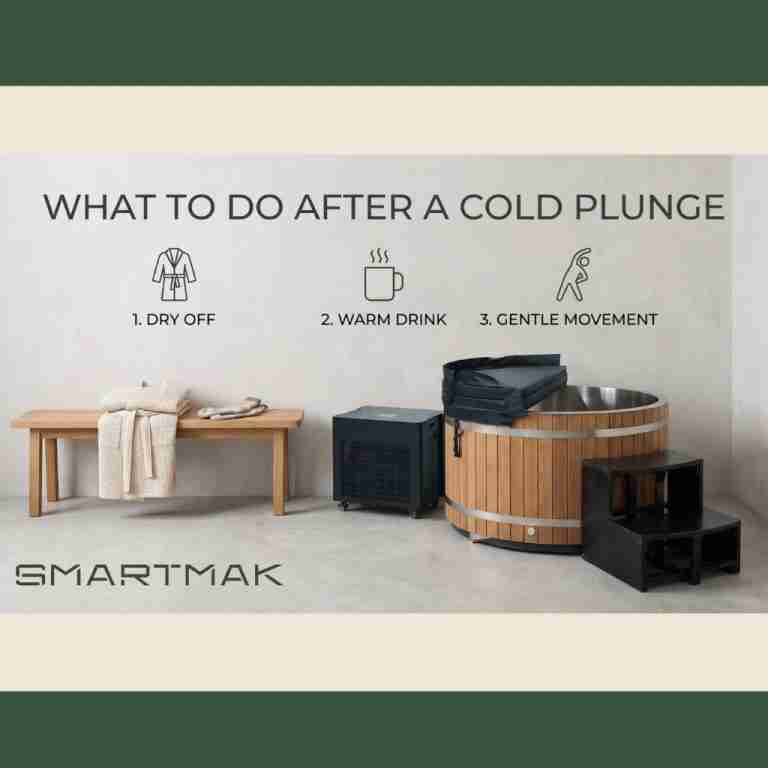
What to Do After a Cold Plunge: Recovery Steps, Safety Tips, and Post-Plunge Best Practices

Introduction: Why Post-Cold Plunge Habits Matter More Than Most People Think Most people focus on getting into the freezing cold water as the primary objective of a cold plunge. However, the real impact on the body happens once we get out. If we do not manage our body’s internal temperature, it may continue to fall rapidly even after getting out. It can be a dangerous reaction called the afterdrop. When we go into the freezing water, our bodies start to cool naturally. The reaction signals our body, sending it into fight-or-flight mode. A good post-plunge routine helps your body stay

Learn More »

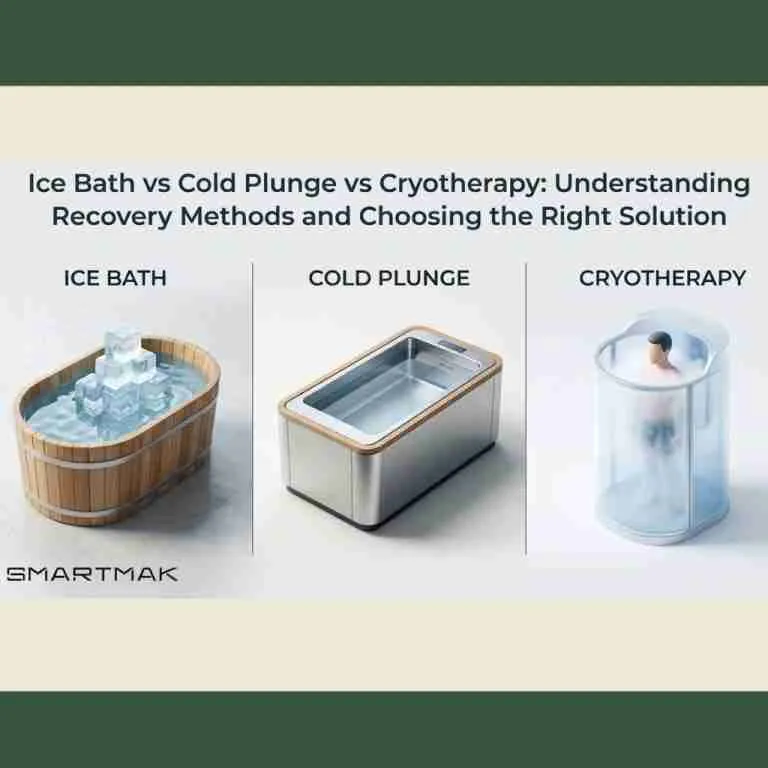
Ice Bath vs Cold Plunge vs Cryotherapy: Understanding Recovery Methods and Choosing the Right Solution

Introduction Cold therapy was once limited to elite athletes. Now the secret is out in the open. It has become mainstream with the use of advanced machines. The benefits are all science-backed, explaining how it helps in physical performance and strengthens the immune system. It provides that intentionally getting cold exposure reduces the deep muscle aches and delayed onset muscle soreness. It also lowers overall irritation and swelling throughout the body. As a business owner looking to invest in cold therapy, you will see that the market is split into three sections. These are DIY ice-based solutions, industrial-grade systems and

Learn More »

Can a Cold Plunge Help Burn Fat? Exploring the Science Behind Metabolism, Calories, and Cold Exposure

Introduction: Why Researchers Are Looking Beyond Recovery Benefits Cold plunge used to be simple: athletes got beat up, they sat in cold water, they complained, they went home. The pitch was “recovery” and “toughness.” Now the pitch is “fat loss” and “metabolic health,” because of course it is—everything in wellness eventually gets repackaged as weight-loss adjacent. But the science angle isn’t totally made up. Cold exposure forces your body to spend energy to stay warm, and it can switch on tissues (like brown fat) that behave very differently from the body fat people are trying to lose. Here’s the sober

Learn More »

Cold Plunge Temperature Guide: Why Wellness Facilities Are Embracing 65°F Recovery Protocols

Introduction: Is Colder Always Better? Everybody says they want “ice bath cold.” Until they actually get in. Then it’s flailing, panic-breathing, and an early exit that looks a lot like defeat. Here’s the quiet truth most wellness facilities have already learned the hard way: extreme cold is a great marketing hook and a mediocre long-term program. The outcomes people chase—better stress tolerance, a cleaner “reset,” consistent recovery—tend to show up when users can repeat the practice without dreading it. And that pushes you toward temperatures that are still meaningfully cold, just not punishing. So 65°F (18°C) keeps popping up. Not because

Learn More »

What Science Reveals About Ice Baths and Cold Plunges for Muscle Recovery: Evidence, Applications, and Equipment Choices

Cold water immersion is a common recovery method in athletes, fitness centers and with wellness professionals. Both ice baths and cold plunges may help in reduction of perceived muscle soreness. They also support short-term recovery after intense exercise. However, recovery outcomes depend on several factors. This includes the water temperature, immersion duration, training goals, timing of the cold water therapy and regularity. While traditional ice baths and modern cold plunge systems provide similar forms of cold exposure, the cold plunge systems offer greater temperature control, repeatability and convenience for individuals and commercial wellness facilities. Here is a compilation of what science

Learn More »

When Is The Best Time To Cold Plunge

When is the best time to cold plunge? The absolute best time to subject your body to cold water immersion is highly individual and depends entirely on the specific health, fitness, or mental wellness goals you are trying to achieve. If you are seeking a massive surge in energy and mental clarity to tackle your day, the morning is your ideal time. If your primary objective is rapid muscle recovery and reducing inflammation after strenuous exercise, you should plunge shortly after your workout. Conversely, if you are looking to wash away the psychological stress of a long workday and prepare

Learn More »

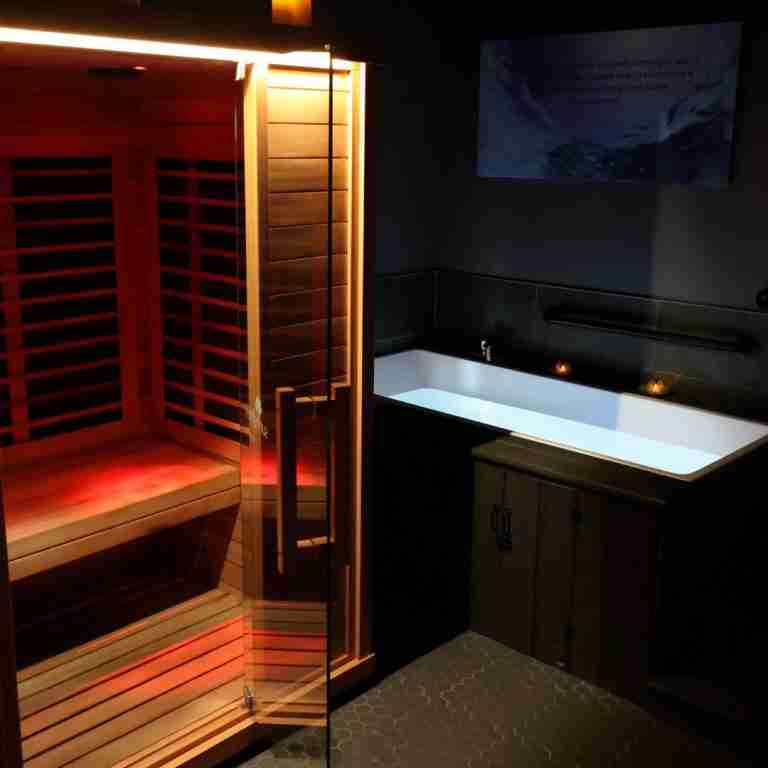
How To Cold Plunge And Sauna

To effectively cold plunge and sauna, you must engage in a practice known as contrast therapy, which involves deliberately alternating between periods of intense heat exposure and sudden cold water immersion. The standard and most effective protocol requires you to first spend 15 to 20 minutes in a heated sauna—typically maintained between 150°F and 195°F (65°C to 90°C)—to deeply elevate your core body temperature, induce heavy sweating, and promote vasodilation. Immediately following this heat session, you transition into a cold plunge, with water temperatures generally ranging from 50°F to 60°F (10°C to 15°C), for a duration of 1 to 3

Learn More »

Get in Touch

Get in Touch