SMARTMAK BLOG

Cold Plunge & Water Wellness

Explore cold plunge, ice bath, water chiller, hot tub, hydrotherapy, and contrast-wellness topics in one dedicated resource center. This category covers cold plunge benefits, water temperature, session timing, beginner protocols, post-workout recovery routines, system setup, chiller selection, and combined sauna and cold plunge experiences. Readers can also learn about home and commercial cold plunge systems, wellness facility applications, and the practical differences between ice baths, cold tubs, and temperature-controlled equipment. The articles emphasize informed use, system planning, and appropriate safety considerations rather than guaranteed medical or performance outcomes.

ARTICLES

Latest Insights

When Is The Best Time To Cold Plunge

The best time to cold plunge depends on your goal: morning is best if you want energy, alertness, and a strong start to the day; after a workout is best if your priority is reducing soreness and supporting recovery; evening can be useful for relaxation if you do it early enough before bed; and after a sauna works well for people who enjoy contrast therapy. There is no single perfect time for everyone. The right cold plunge schedule should match your body, your routine, your health status, and the result you want from cold water immersion. Cold plunging has become

Learn More »

Hot Tub Session Guide: Safe Soaking Times and Whether You Can Use Epsom Salt in a Spa

Introduction Did you know that using Epsom salt (magnesium sulfate) in a modern hot tub can destroy its internal components? The addition of Epsom salt to water drastically increases its total dissolved solids (TDS). The increase in return causes corrosion in parts of the hot tub. Most manufacturers consider their warranties void once the user introduces Epson salt in a spa. There are alternatives available in the market that provide similar benefits but do not damage delicate parts of a hot tub. More users are trying to create professional spa-like treatments at home. As per scientific research, a hot tub temperature

Learn More »

Do You Cold Plunge Before Or After A Sauna

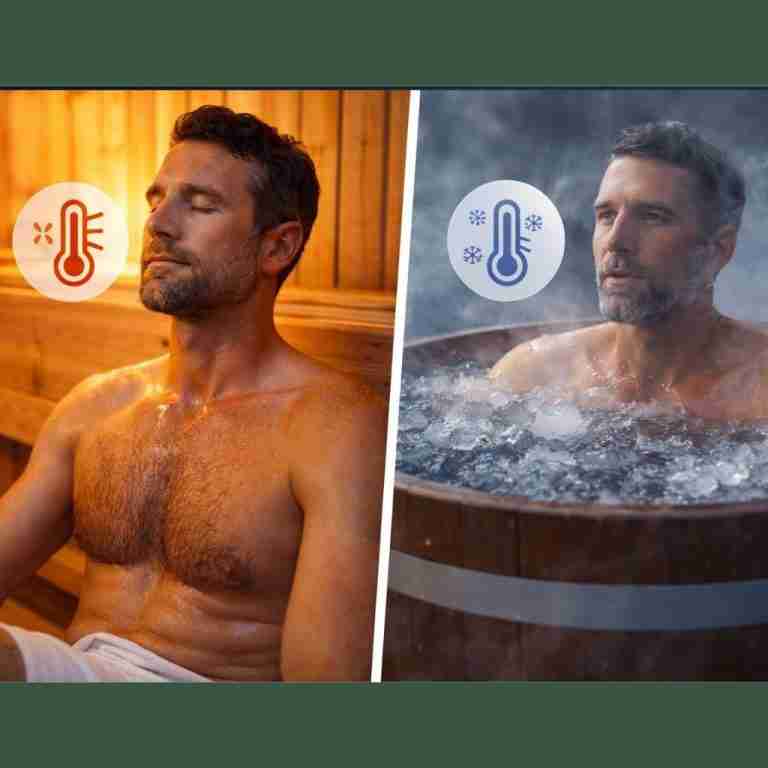
When organizing a contrast therapy regimen, you should always perform your cold plunge **after** your sauna session, rather than before. This specific sequence—moving from intense heat to intentional cold—aligns perfectly with human physiology and is backed by robust clinical research. Immersing your body in the soothing, high-temperature environment of a sauna prepares your vascular system, elevates your heart rate, and initiates deep cellular detoxification. Following this immediately with a brief, chilly immersion triggers an invigorating systemic reset that seals in the cardiovascular and metabolic advantages. By sticking to this traditional order, you ensure that your body reaps the compounding rewards

Learn More »

What Does A Cold Plunge Actually Do For You

A cold plunge provides an array of profound physical and psychological benefits, acting primarily to accelerate athletic recovery by mitigating exercise-induced muscle damage, suppressing localized inflammation, and alleviating post-workout soreness. Beyond its impact on the musculoskeletal system, submerging your body in freezing water serves as a powerful stimulus for the central nervous system, helping to restore autonomic equilibrium, cultivate psychological resilience, elevate mood, and sharpen cognitive clarity. These outcomes are driven by systemic biological reactions, including the sudden narrowing of vascular pathways, modifications to metabolic and endocrine activity, and the robust activation of the body’s internal defenses. By subjecting the

Learn More »

How To Cold Plunge And Sauna

To perform a sauna and cold plunge routine effectively, you must engage in a cyclical process known as contrast therapy, which involves spending 15 to 20 minutes in a sauna heated to between 150°F and 195°F, followed immediately by a 2 to 5-minute immersion in cold water typically ranging from 50°F to 60°F. This cycle is generally repeated two to three times, concluding with a cold exposure to reset the body’s internal thermostat and maximize the metabolic and cardiovascular benefits. By alternating extreme heat with sudden cold, you trigger a physiological phenomenon called “vasopumping,” which flushes the lymphatic system, reduces

Learn More »

Does Cold Plunge Burn Fat

The direct answer to the question of whether cold plunging burns fat is a resounding yes. However, it is essential to understand that cold water immersion functions as a metabolic catalyst rather than a standalone miracle cure. Cold plunging facilitates fat loss through a sophisticated biological process known as thermogenesis, which forces the body to expend significant energy to maintain its internal core temperature. Central to this process is the activation of brown adipose tissue (BAT)—a specialized form of “good” fat that actively consumes calories to generate heat. While a single plunge can trigger an acute metabolic spike, the true

Learn More »

Why Are Cold Plunges Good for You?

Cold plunges are purportedly beneficial because they offer a temporary reduction in stress, potentially enhance the quality of sleep, and provide a marginal improvement in overall life satisfaction by activating the body’s “rest and recovery” mechanisms. By submerging the body in frigid water, individuals aim to stimulate the parasympathetic nervous system and increase heart rate variability (HRV), which is a significant marker of cardiovascular resilience. However, while the immediate sensory experience is often described as invigorating, scientific proof for long-term improvements in immunity or heart health remains limited, and for certain populations—particularly those with underlying heart conditions—the practice may pose

Learn More »

Contrast Therapy Benefits Explained: The Science of Heat, Cold, and Mental Health

Introduction Getting into very hot water and then jumping into very cold water might sound like a bit of a rollercoaster for your body. But it is actually one of the most powerful ways to help your brain feel calm and strong. This special practice is called contrast therapy. While many people use it to fix sore muscles after sports it is becoming even more famous for how it helps our mental health and helps us handle stress much better. To get the real benefits you have to understand how the heat and cold work together to train your brain.

Learn More »

Things to Know Before You Cold Plunge: Temperature, Timing, and System Design

Introduction Getting into super cold water might sound a bit scary at first. But in reality it is actually one of the best ways to help your body feel strong and happy. Yes. This is a special practice and it is called the cold plunge. It is not jumping into a chilly pool as it sounds. It is a very structured way to help your body rest and recover. After a long day of playing or working out. To do it the right way and stay safe you need to understand a few important things like how the temperature works,

Learn More »

From Inflammation to Glow: How Cold Plunge Improves Acne and Skin Wellness

Did you know that cold plunges produce a hormonal shock that helps fight acne? Constriction of blood vessels in response to stress hormones significantly decreases sebum (oil) production in the skin, the leading source of acne. There are proven benefits of cold plunges, such as improved blood circulation to the skin, increased collagen production, and reduced stress. The overall impact of cold plunging on skin health is significant enough to make it a part of a fitness and overall wellness routine. Skin health is not just a personal concern. It is a growing focus in the wellness, fitness, and spa industries.

Learn More »

Get in Touch

Get in Touch