SMARTMAK BLOG

Sauna Types & Technology

Compare different sauna types, heating methods, and wellness technologies before selecting the right system. This section explains infrared saunas, traditional dry saunas, steam saunas, sauna heaters, low-EMF technology, red light therapy features, chromotherapy, and modern control systems. The articles examine how each sauna technology works, how heat is produced, and how infrared, steam, and traditional sauna experiences differ. These resources are useful for homeowners, distributors, project planners, spa operators, and commercial buyers evaluating sauna specifications, technical features, installation requirements, and potential applications.

ARTICLES

Latest Insights

Which Is Better Infrared Or Steam Sauna​

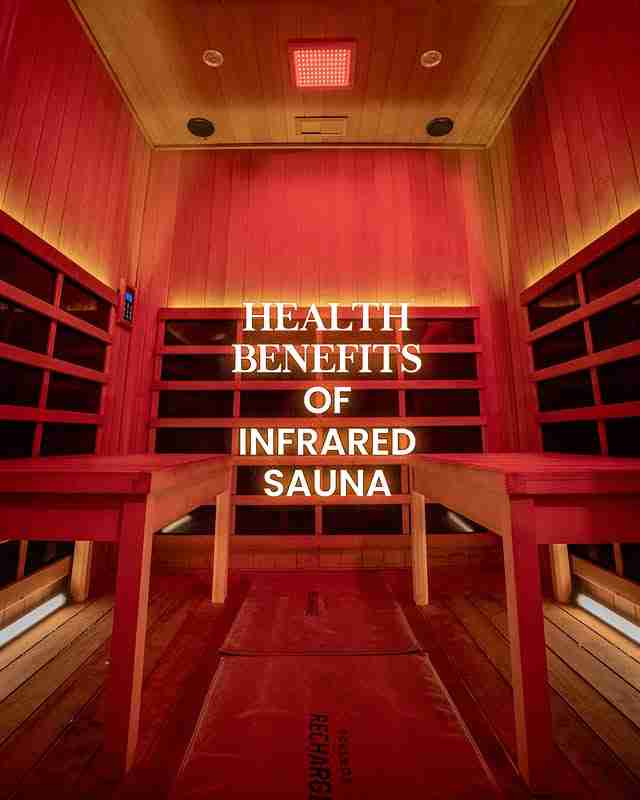
Determining whether an infrared sauna or a steam sauna is better ultimately depends on your personal health objectives, environmental comfort preferences, and physical tolerance. If your primary goals are deep cellular detoxification, rapid muscle recovery, and a gentler, dry-heat environment that operates at lower temperatures, then an infrared sauna is the superior choice; however, if you suffer from respiratory congestion, prefer a traditional, moisture-rich, enveloping humidity, and love the intense sensation of a wet heat room, a steam sauna will serve you better. Both modalities provide exceptional health advantages, but they achieve these outcomes through fundamentally different thermal mechanisms that

Learn More »

Natural Gas Sauna Heaters Explained: Efficiency, Costs, and Smartmak Solutions

More homeowners and commercial wellness operators are going with natural gas sauna heaters these days. You’ll see demand picking up in both home and commercial markets. They heat up fast, keep the temperature steady, and over time can cut down quite a bit on energy costs. Natural gas heating is no longer reserved for large commercial facilities. Hotels, spas and even backyard sauna owners are seriously considering this option. But buying a gas sauna heater is a real investment. You need to understand facts before making a decision. Here are the three key questions most buyers ask: Are gas heaters

Learn More »

Are Infrared Saunas Healthy?

When considering the fundamental question of whether infrared saunas are beneficial for your health, the answer is a resounding yes, supported by growing clinical observation and user testimony. These modern wellness chambers provide a unique cardiovascular and metabolic stimulus—mimicking the physiological effects of moderate aerobic activity—without the intense, often stifling heat associated with traditional steam rooms. Because they penetrate the skin deeply to warm the core directly, they offer a safer, more accessible therapeutic environment for individuals who seek the advantages of thermal therapy but may be sensitive to high ambient air temperatures. While science continues to refine its understanding

Learn More »

Is Sauna Or Steam Room Better For Weight Loss

When evaluating whether a sauna or a steam room is superior for weight loss, the direct answer is that the sauna generally burns more calories due to its significantly higher temperatures and dry heat environment. A typical 30-minute session in a sauna can result in a caloric expenditure of up to 300 calories, whereas a steam room session of the same duration typically burns around 150 calories. However, it is fundamentally important to understand that the immediate “weight loss” experienced in both environments is predominantly attributed to the loss of fluids through perspiration (water weight) rather than the direct oxidation

Learn More »

What Is Low Emf Infrared Sauna

A low EMF infrared sauna is a specialized wellness enclosure designed to provide the therapeutic benefits of infrared heat while strictly minimizing the user’s exposure to electromagnetic fields (EMF). Unlike traditional saunas that rely on high-temperature steam or heated stones to warm the air (convection), these advanced units use infrared heaters to emit radiant energy that penetrates directly into the body’s tissues and organs. The “low EMF” designation is the most critical safety feature, indicating that the heating panels, internal electrical circuitry, and control systems have been engineered with specialized shielding and grounding technology. This ensures that the electromagnetic radiation

Learn More »

Low EMF Infrared Saunas: How to Choose the Safest Infrared Sauna Systems

Introduction Did you know that there is no legal definition of low EMF for infrared saunas? The difference between different brands that quote low EMF is staggering. Some may set the safety threshold of 3.0 mG, while premium-grade infrared saunas produce levels as low as 0.1 mG. That is 30 times lower than the value that the WHO considers safe for humans. To ensure that the body’s electrical rhythms liek heart rate variability, remain undisturbed during deep relaxation. You want the experience to be soothing rather than disturbing. This article is designed to provide you with in depth understanding of

Learn More »

Chromotherapy Explained: Benefits of Color Light Therapy in Infrared Saunas

Introduction Did you know that during 1500 BC, Indians and Egyptians used colored crystals to change the sunlight into a specific color? It was meant to target specific organs for healing purposes. Modern science studies how light impacts our body when it enters through the eyes and skin, triggering the hypothalamus. Each color of the light vibrates at a different frequency, which results in varying impact on the body. However, they are rarely used as standalone medical treatments. Instead, it is combined with infrared saunas and other settings for enhanced detoxification and cellular repair. The modern LED technology has resulted in

Learn More »

What’s better sauna or steam room

Determining which is “better” between a sauna and a steam room ultimately depends on your specific health goals and personal tolerance for different types of heat. If your objective is cardiovascular conditioning, deep sweating, and intense heat endurance, the dry sauna is generally the superior choice. However, if you are seeking relief from respiratory congestion, sinus pressure, or dry skin issues, the steam room is likely the better option due to its high humidity. In short, neither is objectively better than the other; the sauna excels at mimicking the physiological effects of exercise, while the steam room excels at respiratory

Learn More »

Which Is Better Infrared Sauna Vs Traditional Sauna?

The determination of whether an infrared sauna or a traditional sauna is “better” is not a binary choice, but rather a decision dependent entirely on your specific health goals, heat tolerance, and desired physiological outcomes. To summarize the verdict: Traditional saunas are generally superior for cardiovascular health and endurance conditioning due to their ability to rapidly raise core body temperature and induce a high-intensity cardiovascular response. Conversely, infrared saunas are often the better choice for skin rejuvenation, beginners with lower heat tolerance, and those seeking a milder, more meditative experience. While both modalities offer overlapping benefits such as relaxation, improved

Learn More »

What is a Dry Sauna

A dry sauna is a specialized, enclosed room, typically lined with softwoods like cedar or hemlock, designed to heat the body through high ambient air temperatures ranging from 150°F to 195°F (65°C to 90°C) while maintaining very low humidity levels, usually between 20% and 30%. Unlike steam rooms or “wet saunas” that rely on heavy water vapor and near 100% humidity to create a sensation of heat, a dry sauna utilizes an electric, gas, or wood-burning heater to warm a pile of rocks or the air itself, utilizing the physical principles of convection and radiation to raise the core body

Learn More »

Get in Touch

Get in Touch