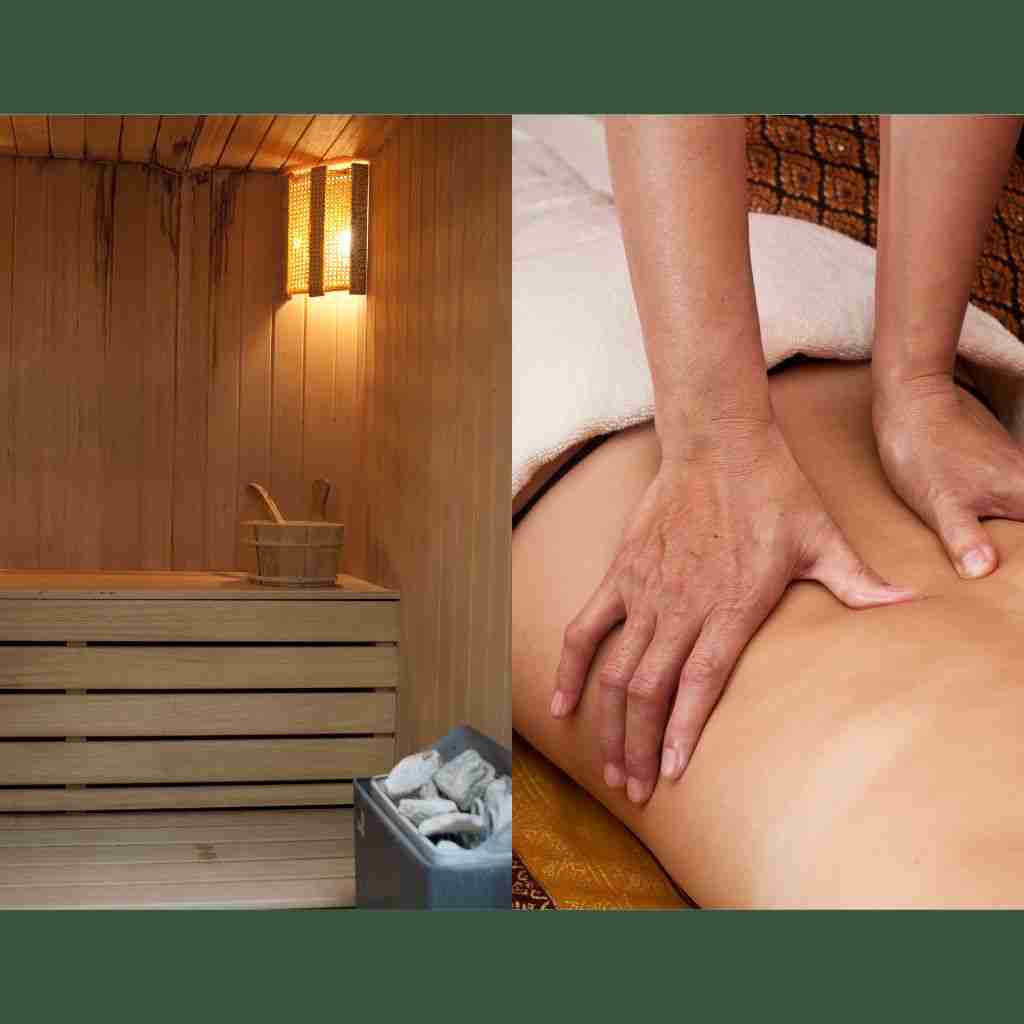
After an intense workout, many gym-goers find themselves looking for ways to alleviate sore muscles. For some, the idea of using a sauna—whether it’s a dry-heat sauna or a steam room—sounds like the perfect remedy. But while saunas are often present in gyms and locker rooms, can they actually help with muscle soreness, or is it just a temporary feel-good experience? Let’s explore the potential benefits of using a sauna for muscle recovery, and what you should keep in mind before incorporating it into your routine.
Understanding How Saunas Affect Muscle Soreness
Sitting in a sauna is undeniably relaxing, and there’s some evidence to suggest that it may provide temporary relief for sore muscles. The heat from the sauna causes sweating, which can trigger the release of endorphins—the body’s natural painkillers—providing a temporary sense of relief. According to Dr. David Geier, a sports medicine specialist in Charleston, South Carolina, heat increases blood flow to muscles and can help improve circulation to the body’s extremities. This can lead to an immediate feeling of comfort and help muscles feel better in the short term.
However, it’s important to note that while a sauna can make you feel better momentarily, it doesn’t necessarily help with more significant soreness, especially Delayed Onset Muscle Soreness (DOMS), which typically occurs 24 to 72 hours after intense exercise. DOMS is a complex phenomenon, and the evidence supporting sauna use as a treatment for this specific type of muscle pain is quite limited.
Can Saunas Speed Up Recovery After a Workout?
While saunas can provide temporary comfort, they are unlikely to significantly speed up muscle recovery. DOMS and muscle soreness are difficult to treat with a one-size-fits-all solution, and the effectiveness of saunas for muscle recovery is still debated in the medical community. According to Dr. Geier, there is little scientific evidence to suggest that sauna use can directly reduce the intensity or duration of muscle soreness the day after a workout.
Physical therapist Patrick Walsh, owner of Shift Integrative Medicine in New York City, emphasizes that the best way to recover from post-workout soreness is to allow your heart rate to return to normal, something that sitting in a sauna may hinder. Saunas can cause your heart rate to stay elevated, which delays the body’s natural recovery process. For optimal recovery, it’s best to let your heart rate drop before considering a sauna.
The Best Use of Saunas for Muscle Pain Relief
While saunas may not significantly aid in recovery after a hard workout, they can provide short-term muscle pain relief when used correctly. It may be more beneficial to use the sauna before your workout to help warm up your muscles and relieve immediate discomfort. This pre-exercise sauna session can serve as a gentle way to relax tight muscles and prepare your body for physical activity.
When using a sauna, it’s essential to stay hydrated. In a 15-20 minute sauna session, you could lose up to a pint of sweat. Dr. Geier suggests drinking plenty of water before, during, and after your sauna time to avoid dehydration, which could potentially make your muscles feel more sore. Dehydration can also lead to other complications, so keeping your fluid levels up is crucial.
Is the Sauna Safe After a Workout?
While using the sauna after a workout may feel relaxing, it can delay your body’s recovery process. After exercise, your heart rate needs to return to normal, and sitting in a sauna can prevent this from happening. If you do choose to use a sauna after working out, keep your session short and ensure you are well-hydrated. It’s also essential to listen to your body—if you start feeling dizzy, lightheaded, or unwell, leave the sauna immediately and cool down.
Conclusion: Saunas Can Offer Temporary Relief, But Not a Miracle Cure
In summary, saunas can be a useful tool for temporary muscle relief, but they are not a magic solution for muscle recovery. The heat from a sauna can increase blood circulation, help release endorphins, and provide some immediate comfort. However, saunas are unlikely to address the root causes of muscle soreness or significantly shorten recovery time, especially for delayed onset muscle soreness (DOMS). To maximize the benefits of a sauna, it’s best to use it separately from your workouts, stay hydrated, and keep your sessions brief to avoid dehydration or overheating.
FAQs About Using Saunas for Muscle Recovery
1. Can saunas help with muscle soreness after every workout?
Saunas may provide temporary relief from muscle soreness, but they are not effective for long-term recovery, especially when it comes to delayed onset muscle soreness (DOMS). The best way to recover is by allowing your body time to rest and return to normal, combined with proper hydration and nutrition.
2. Should I use a sauna before or after my workout for the best results?
Using a sauna before your workout is likely to be more beneficial, as it can help warm up your muscles and prepare your body for exercise. Using the sauna after a workout may interfere with your body’s natural recovery process, as it can keep your heart rate elevated, delaying muscle recovery.
3. How long should I stay in the sauna to avoid dehydration?
It’s recommended to limit your sauna sessions to 15-20 minutes to avoid excessive sweating and dehydration. Make sure to drink plenty of water before, during, and after your sauna session to stay hydrated and help your muscles recover faster.