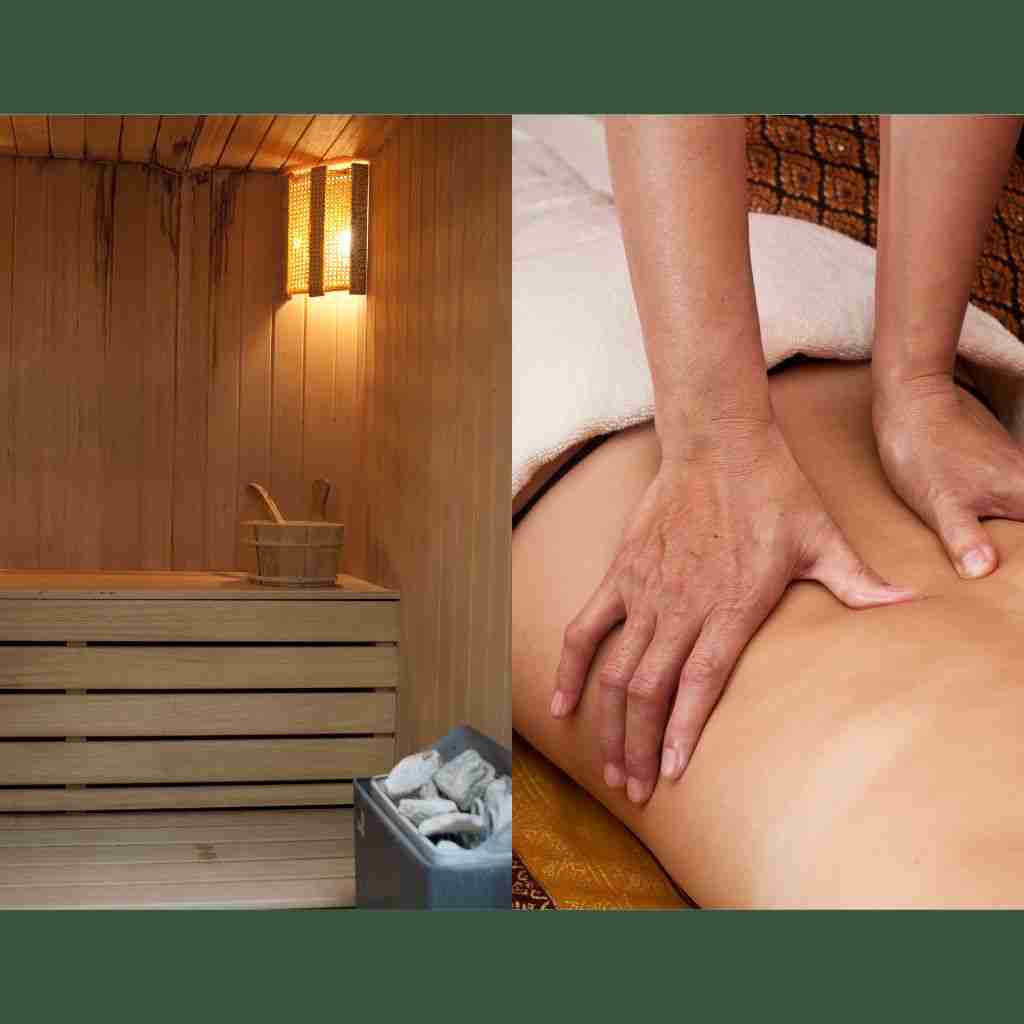
Imagine walking into a warm, soothing retreat where the day’s worries evaporate in the heat. Saunas have served as a healing sanctuary for centuries, providing both physical and mental relief. From easing tense muscles to promoting better circulation, the simple act of sitting in a heated room can unlock a wide range of wellness advantages.
But while saunas offer many benefits, knowing how long to stay inside is key. Overdo it, and you risk dehydration or dizziness; cut your session too short, and you may miss out on the full therapeutic effects. So, how long should you actually stay in a sauna to make the most of your time without harming your body?
In this guide, we’ll explore the ideal sauna session length, the science behind the heat, various sauna types, safety tips, and more. Whether you’re new to sauna therapy or looking to fine-tune your routine, this comprehensive article has you covered.
The Ideal Sauna Session Length: What Experts Recommend
For beginners, a 5–10 minute session is ideal. This allows your body to adjust to the heat without placing too much stress on your cardiovascular system.
For regular users, a session length of 15–20 minutes is usually safe and effective. That’s enough time to enjoy improved circulation, reduced muscle soreness, and relaxation without risking dehydration.
At places like SMARTMAK, infrared sauna sessions are often set for 30-minute intervals. These lower-heat saunas allow for longer stays, especially once your body gets used to the experience.
 Rule of thumb: Start low, increase gradually, and always listen to your body.
Understanding the Science: Why Saunas Work
When you sit in a sauna, your internal body temperature rises slightly, prompting several physiological responses:
- Vasodilation: Your blood vessels expand, improving circulation and oxygen delivery.
- Perspiration: You start to sweat, which helps your body regulate temperature and may aid in removing toxins.
- Endorphin release: The heat stimulates endorphins, your body’s natural “feel-good” hormones, helping to relieve stress and anxiety.
These effects combine to offer a powerful wellness boost. With regular use, saunas may help with the following:
- Muscle recovery and decreased soreness
- Improved flexibility and joint mobility
- Enhanced cardiovascular performance
- Temporary symptom relief for conditions like psoriasis and asthma
- Better skin clarity through improved blood flow
- Weight loss when paired with a healthy lifestyle
- Reduced blood pressure and stress levels
Types of Saunas and How They Differ
Not all saunas are created equal. The type of heat and humidity used can influence how your body responds and how long you can stay inside comfortably.
1. Traditional Wood-Burning Saunas
These saunas are heated by burning wood under a pile of rocks. The resulting dry heat can reach 70°C to 90°C (158°F to 194°F), creating a deeply penetrating warmth. Humidity remains low unless water is poured over the hot rocks.
2. Electric Saunas
Using electric heaters, these saunas mimic the effects of wood-burning saunas without the smoke. They provide the same dry, high-heat environment and are commonly found in gyms and wellness centers.
3. Steam Rooms
Also known as Turkish baths, steam rooms operate at much lower temperatures (30°C to 50°C) but with nearly 100% humidity. This moist heat is gentler on the respiratory system and skin but can feel intense due to the high moisture content.
4. Infrared Saunas
These modern saunas use infrared light to heat your body directly. Operating at 38°C to 60°C (100°F to 140°F), they offer the same benefits as traditional saunas—such as detoxification, pain relief, and stress reduction—without the need for intense heat.
Spotlight on Infrared Saunas: A Modern Take on Ancient Therapy
At SMARTMAK, infrared saunas are among the most popular wellness services—and for good reason. They offer a more accessible sauna experience, especially for those sensitive to high temperatures.
Instead of heating the air, infrared panels emit light waves that penetrate your skin and warm you from the inside out. This process promotes deep muscle relaxation, improved circulation, and even mimics some of the cardiovascular effects of moderate exercise.
Benefits of infrared saunas include:
- Deep tissue healing and reduced inflammation
- Support for chronic pain management
- Enhanced sleep quality
- Boosted mood through the release of feel-good hormones
- Support for skin health by improving circulation and collagen production
How to Time Your Sauna Sessions Based on Goals
| Goal | Sauna Type | Recommended Duration |
|---|---|---|
| Relaxation & Stress Relief | Any | 10–15 minutes |
| Muscle Recovery | Infrared | 20–30 minutes |
| Cardiovascular Health | Traditional or Infrared | 15–20 minutes |
| Skin Detox | Steam or Infrared | 15–25 minutes |
| Respiratory Relief (Asthma) | Steam | 10–15 minutes |
7 Pro Tips for Safe and Effective Sauna Use
- Start with Short Sessions: Begin with 5–10 minutes and increase gradually.
- Hydrate Like a Pro: Drink water before and after your sauna session.
- Know Your Limits: Watch for signs like dizziness or nausea.
- Cool Down Gradually: Avoid cold plunges; choose cool showers instead.
- Avoid Alcohol: It dehydrates and impairs temperature regulation.
- Post-Workout Caution: Wait 10–15 minutes after exercising before entering.
- Consult Your Doctor: Especially important if you have heart or respiratory conditions.
What Makes Infrared Saunas Ideal for Beginners?
If the thought of sitting in a sweltering hot room sounds overwhelming, infrared saunas offer a gentler, more user-friendly alternative. The heat is milder, and you won’t experience the suffocating atmosphere typical of traditional setups.
These saunas are excellent for:
- People with heat sensitivity
- Seniors or those with joint stiffness
- Athletes recovering from injury
- Individuals dealing with chronic pain
Why Duration Matters More Than You Think
Staying too long in a sauna—especially as a beginner—can lead to overheating, dehydration, and light-headedness. On the flip side, cutting your time short might not activate the full spectrum of health benefits saunas are known for.
The sweet spot? Consistent use, at the right duration for your body. Listen to how you feel during and after your session. Some days you may handle longer times; other days, your body may need a break. Consistency and balance are more effective than pushing limits.
Frequently Asked Questions
1. Is it okay to use a sauna every day?
Yes, many people safely use saunas daily—especially infrared saunas. However, daily sessions should be shorter (10–15 minutes for traditional saunas, 20–30 minutes for infrared) to avoid overexposure. Always monitor your hydration and how your body reacts.
2. Can you lose weight using a sauna?
Saunas can aid in weight loss indirectly by increasing heart rate and supporting detoxification. However, the weight lost during a sauna session is mostly water weight. For long-term weight management, combine sauna use with exercise and a balanced diet.
3. What’s the best time of day to use a sauna?
There’s no universal “best” time, but many prefer saunas after workouts to enhance muscle recovery or in the evening to wind down and improve sleep. Choose a time that aligns with your routine and helps you relax most effectively.
Elevate Your Wellness Journey With Sauna Therapy
Whether you’re looking to boost your fitness recovery, ease chronic pain, or simply unwind after a stressful day, sauna therapy offers a powerful tool for holistic health. The key lies in understanding how long to stay in, the type of sauna you’re using, and how your body responds to heat over time.
At SMARTMAK, we offer modern infrared sauna experiences designed to help you get the most out of your sessions. Our expert team can guide you through your first visit and help you build a routine tailored to your wellness goals.
Ready to take the next step? Contact us today to explore our sauna memberships and start your journey to better health—one relaxing session at a time.