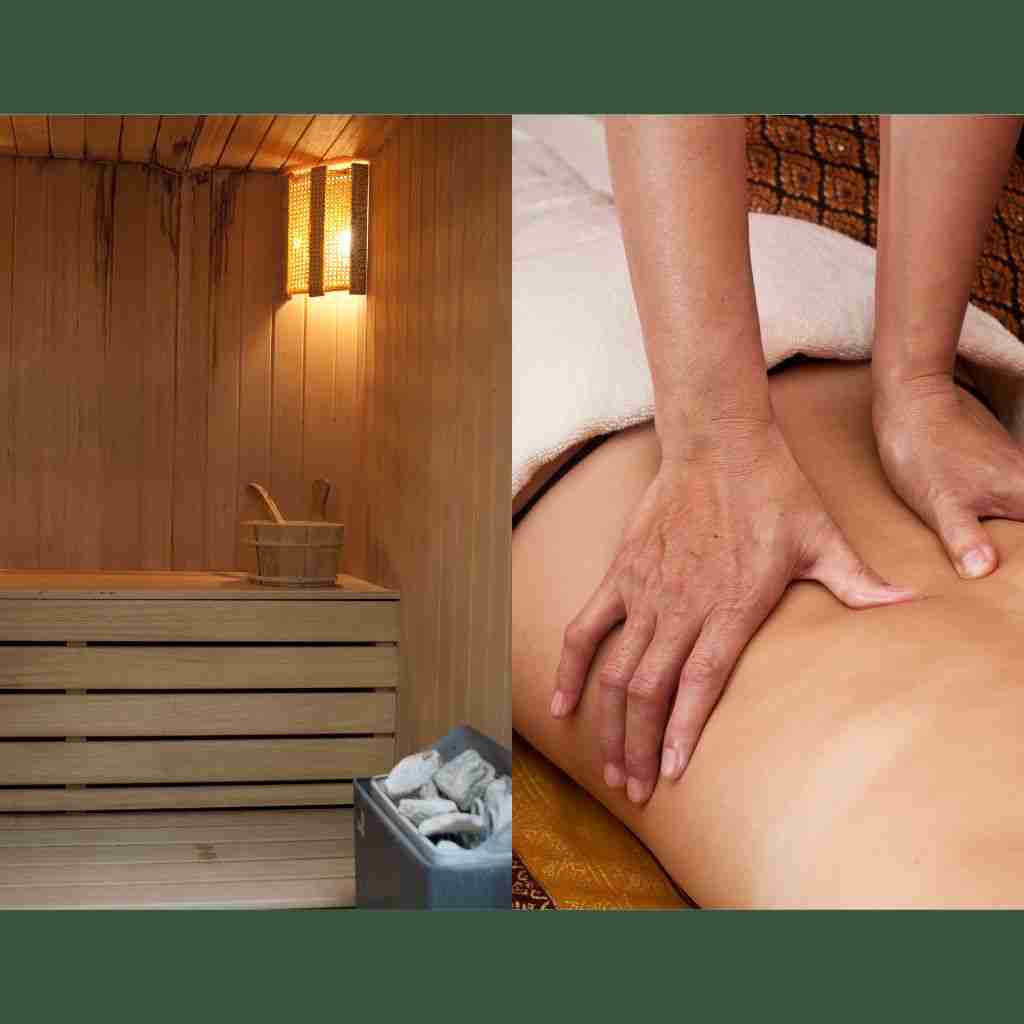
The human body is a marvel of design, capable of performing countless processes automatically, many of which go unnoticed. One such process is inflammation — the body’s natural response to injury or illness. Whether it’s a sprained ankle or chronic disease, inflammation plays a significant role in the healing process. However, while it helps to protect the body, it can also cause discomfort and pain. For people interested in using sauna as part of a wellness routine, it is important to separate the relaxing effects of heat from stronger claims about treating inflammation. In this article, we will explore the different types of inflammation, how saunas can help, and other holistic approaches to managing inflammation.
Understanding Inflammation: The Body’s Healing Mechanism
Inflammation is an essential part of the body’s defense system, but it can be a double-edged sword. Let’s look at the two primary types of inflammation:
1. Acute Inflammation:
Acute inflammation is the body’s immediate response to an injury or infection. When you get a cut, twist your ankle, or catch a cold, your immune system springs into action. White blood cells rush to the affected area, causing redness, heat, and swelling. These symptoms are signs that the body is working to repair the damage and fight off invading pathogens. While this type of inflammation typically resolves quickly as the body heals, it can still cause discomfort during the recovery process.
2. Chronic Inflammation:
Unlike acute inflammation, chronic inflammation lasts for an extended period, sometimes months or even years. This long-term inflammation is often associated with conditions like rheumatoid arthritis, lupus, and Crohn’s disease. It can lead to more persistent symptoms such as joint pain, fatigue, and muscle aches. Chronic inflammation can occur in many different medical contexts, and persistent symptoms should be evaluated on their own rather than treated as a warning that an autoimmune disorder will necessarily develop. Chronic inflammation can affect the body’s overall well-being and is a critical area of focus for long-term health improvement.
What Research Has Studied About Sauna, Heat, and Inflammation
From a sauna-design perspective, a more useful question is how consistently the room can deliver the intended heat environment. Room volume, heater sizing, sensor location, ventilation, and control logic all affect how stable the temperature feels from one session to the next.
Sauna bathing has been studied for a range of physiological effects, but the evidence does not support presenting sauna as a treatment that reliably “combats” inflammation. Sauna heat increases skin blood flow as part of thermoregulation, but that response should not be converted into a broad claim that sauna significantly accelerates healing.
Boosts Circulation:
The heat from a sauna stimulates the cardiovascular system, leading to increased blood flow. Increased skin blood flow is a normal response to heat, but this article should not claim that it directly speeds healing or reduces swelling in inflamed tissues. Some people find heat soothing when they feel stiff or sore, but persistent muscle or joint pain should not be managed through a general sauna article.
Heat Exposure and Oxidative-Stress Markers:
Research has examined heat exposure and oxidative-stress markers, but the findings vary and should be described as an area of study rather than a proven anti-inflammatory effect. Sweating should not be described as removing toxins or free radicals in a way that treats inflammation; the practical issue during sauna use is fluid loss and heat tolerance.
Heat, Comfort, and Pain Perception:
During sauna sessions, the body releases endorphins, which are natural painkillers. These chemicals not only promote a sense of relaxation but also help to relieve the discomfort caused by inflammation. Sauna should not be presented as an effective treatment for chronic pain; people with persistent pain need advice that is specific to the underlying condition.
Hydration and Heat Tolerance:
The lymphatic system is vital for immune health and helps the body remove waste, toxins, and excess fluids. Combining sauna with cold water changes thermal and cardiovascular conditions, but it should not be described as a proven way to increase lymphatic drainage or reduce inflammation. This combination can enhance the body’s ability to fight off inflammation-related issues.
4 Healthy Ways to Reduce Inflammation
In addition to sauna therapy, several lifestyle changes can help manage inflammation more effectively. Here are four healthy strategies to incorporate into your routine:
1. Anti-Inflammatory Diet:
Food plays a powerful role in how the body responds to inflammation. Eating more anti-inflammatory foods like fruits, vegetables, fatty fish (salmon, tuna), and nuts can help reduce inflammation. Incorporate omega-3 fatty acids and foods rich in antioxidants such as blueberries, grapes, and olive oil to support your body’s healing process.
2. Increase Physical Activity:
Regular exercise has been shown to lower inflammation. In a study published in Medicine & Science in Sport & Exercise, individuals who engaged in physical activity had lower levels of inflammation. This doesn’t mean you need to train for a marathon — even simple activities like household chores or walking can help combat inflammation.
3. Stay Hydrated:
Hydration is important for overall health and for replacing fluid lost through sweating, but water intake should not be presented as a direct treatment for inflammation. Water supports normal hydration and body function, but it should not be described as “flushing toxins” from the body. Daily fluid needs vary with body size, climate, activity, diet, health conditions, and other factors, so this article should avoid prescribing one intake range for everyone.
4. Massage Therapy:
Massage therapy is another great way to manage inflammation. Research has shown that deep tissue massage can reduce chronic pain associated with inflammation. Avoid comparing massage with anti-inflammatory medication unless the exact study, population, treatment, and outcome are cited and accurately represented.
Frequently Asked Questions (FAQs)
1. How often should I use a sauna to reduce inflammation?
The frequency of sauna use depends on individual needs and preferences. There is no single sauna schedule proven to reduce inflammation, so frequency and session length should follow the equipment instructions, individual heat tolerance, and medical advice when relevant. It’s important to listen to your body and adjust your sessions based on how you feel.
2. Can sauna therapy replace other forms of treatment for chronic inflammation?
Sauna may be used as a wellness practice by some people, but it should not be presented as a treatment that provides significant relief from inflammatory disease. If you have chronic conditions like rheumatoid arthritis or lupus, consult your doctor before using sauna therapy as part of your treatment plan. Sauna can be an excellent addition to physical therapy, medication, or other interventions.
3. Are there any risks associated with using a sauna for inflammation?
For most people, sauna use is safe and beneficial, but it’s important to stay hydrated before, during, and after a session. Excessive heat can lead to dehydration or overheating, so it’s essential to monitor your body’s response. People with certain health conditions, such as cardiovascular issues or skin sensitivities, should consult a healthcare provider before using a sauna.
Conclusion:
Inflammation is a natural part of the body’s healing process, but it can be painful and disruptive when it becomes chronic. Sauna can be discussed as a heat-based wellness experience, but it should not be promoted as a way to combat acute or chronic inflammation, reduce oxidative stress, or boost immunity without condition-specific evidence. When combined with healthy habits such as balanced nutrition, exercise, and adequate hydration, sauna can remain one optional part of a wellness routine rather than a key treatment for reducing inflammation. Embrace the power of sauna therapy and take control of your health today!