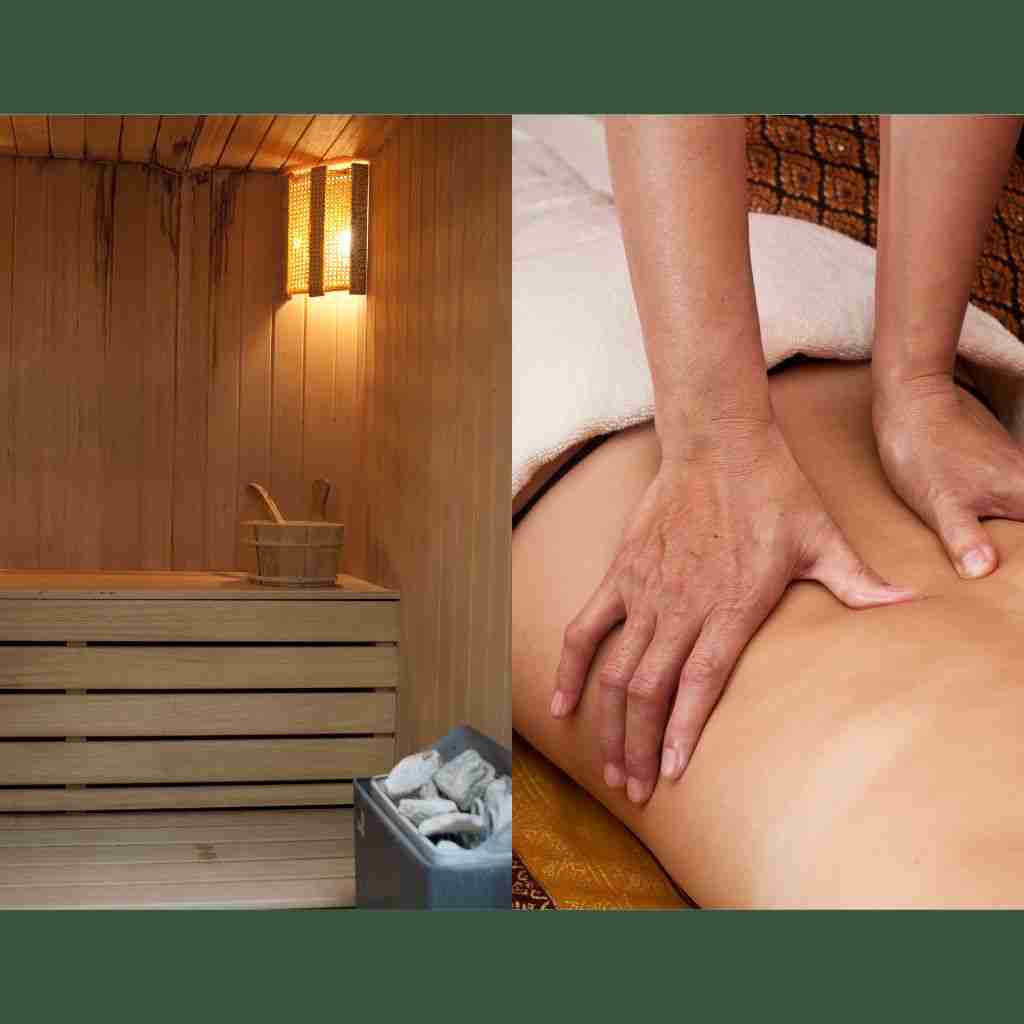
When considering the fundamental question of whether infrared saunas are beneficial for your health, the answer is a resounding yes, supported by growing clinical observation and user testimony. These modern wellness chambers provide a unique cardiovascular and metabolic stimulus—mimicking the physiological effects of moderate aerobic activity—without the intense, often stifling heat associated with traditional steam rooms. Because they penetrate the skin deeply to warm the core directly, they offer a safer, more accessible therapeutic environment for individuals who seek the advantages of thermal therapy but may be sensitive to high ambient air temperatures. While science continues to refine its understanding of the long-term impacts, the current consensus points toward significant potential for heart health, pain management, and deep relaxation.
1. The Physics of Light: Understanding Infrared Technology
To understand why an infrared sauna is considered healthy, one must first understand how it functions on a physical level. Unlike a traditional Finnish sauna, which relies on a stove to heat rocks that, in turn, heat the air (convection), an infrared sauna utilizes the invisible part of the light spectrum to generate warmth. Specifically, these units employ far-infrared waves. The term “far” is not a measure of distance in the room, but rather a description of where these waves sit on the electromagnetic spectrum. Infrared light is just beyond the red end of the visible light spectrum. These waves possess the unique ability to penetrate human tissue up to several centimeters deep. This process is known as conversion. Instead of waiting for the air to get hot enough to transfer heat to your skin, the light energy travels through the air and converts into heat energy once it touches a solid object—in this case, your body.
The Direct Heating Advantage
Because the air remains relatively cool (typically between 120°F and 140°F, compared to the 180°F to 200°F of a traditional sauna), the user can stay inside for longer periods. This direct heating method is more efficient; approximately 80% of the heat generated by an infrared sauna is absorbed directly by the body, while only 20% is lost to heating the air. This efficiency is the cornerstone of its health appeal, allowing for a deep, core-level sweat that is far more intense than what one might expect given the lower air temperature.2. Mimicking the Marathon: The Physiological Response
The primary reason medical professionals view infrared saunas as a “healthy” habit is their ability to simulate exercise. When your core temperature begins to rise due to infrared penetration, the body initiates its natural cooling mechanisms. This results in two primary reactions:- Vigorous Sweating: The sweat produced in an infrared sauna is often more profuse and contains a different composition of solids compared to the sweat produced by physical exertion or high-heat saunas.
- Increased Heart Rate: As the body works to pump blood toward the surface of the skin for cooling (vasodilation), the heart rate increases. It is not uncommon for a user’s heart rate to reach 120 or even 150 beats per minute during a session.
3. Investigating the Clinical Evidence: Chronic Disease Management
Is there hard proof that these saunas help with illness? The answer is a hopeful “perhaps,” backed by a series of promising, albeit smaller-scale, studies. Research has delved into several specific areas where infrared therapy may serve as a powerful adjunctive treatment.Cardiovascular Health and Hypertension
One of the most well-documented areas of infrared sauna research involves heart health. Studies have shown that regular sessions can improve the function of the endothelium—the inner lining of the blood vessels. When the endothelium is healthy, blood vessels can dilate and contract more effectively, which naturally lowers blood pressure. For patients suffering from congestive heart failure, the gentle heat of infrared therapy has been shown to improve cardiac output and reduce the frequency of hospitalizations.Cognitive Longevity: Dementia and Alzheimer’s
There is a fascinating body of research emerging from Finland suggesting that frequent sauna use is linked to a lower risk of neurodegenerative diseases. The increased blood flow to the brain and the production of heat shock proteins—which help repair misfolded proteins in the cells—are believed to play a role in protecting the brain against the plaques associated with Alzheimer’s.Chronic Pain and Arthritis
For those living with the daily grind of arthritis or fibromyalgia, infrared saunas offer a sanctuary. The deep penetration of the infrared heat helps to soothe joints, increase the elasticity of collagen tissues, and reduce inflammation. By increasing circulation to the muscles, it also aids in the removal of metabolic waste products like lactic acid, which can contribute to muscle soreness and tension headaches.Metabolic Support: Type 2 Diabetes
While not a cure, infrared therapy has shown promise in helping manage symptoms of Type 2 diabetes. The improved circulation can help with peripheral neuropathy (numbness in the limbs), and the mild “exercise effect” can assist in improving insulin sensitivity over time.4. The Psychological Sanctuary: Stress and Mental Health
In our modern, hyper-connected world, the “health” of a device is often measured by its ability to reduce stress. The infrared sauna provides a forced “digital detox.” Because electronics generally cannot withstand the environment, the user is left with 20 to 30 minutes of quiet meditation. The heat itself triggers the release of endorphins and dynorphins, the body’s natural feel-good chemicals. Users often report a significant “afterglow” following a session, characterized by reduced anxiety and improved sleep quality. This relaxation isn’t just a luxury; it is a clinical benefit that lowers cortisol levels, thereby reducing the systemic inflammation that drives many modern diseases.
5. Mitochondrial Stimulation and Cellular Energy
A lesser-known but vital aspect of infrared health is its impact on the mitochondria—the powerhouses of our cells. Infrared light, particularly in the near and far-infrared ranges, interacts with a photoreceptor in our cells called cytochrome c oxidase. When these light waves penetrate the skin, they stimulate the mitochondria to produce more ATP (Adenosine Triphosphate). ATP is the energy currency of the body. By boosting ATP production, infrared saunas help cells repair themselves faster, improve the immune response, and boost overall metabolic rate. This cellular “recharging” is one reason why athletes use infrared saunas for recovery; it literally speeds up the biological clock of tissue repair.6. Skin Rejuvenation and the “Infrared Glow”
While often discussed in the context of “beauty,” the skin benefits of infrared saunas are deeply rooted in health. The skin is the body’s largest organ, and its ability to regenerate is a key indicator of overall wellness. The deep sweating induced by infrared heat helps to clear out pores, but the real magic happens beneath the surface. The stimulation of blood flow brings a rush of nutrients and oxygen to the dermis, promoting the production of collagen and elastin. Regular users often see a reduction in fine lines, improved skin tone, and a faster healing rate for acne scars or minor abrasions. It is a “natural facelift” that works by improving the health of the tissue from the inside out.7. Safety and Practicality: Is It Right for Everyone?
One of the strongest arguments for the health of infrared saunas is the lack of reported negative side effects. While traditional saunas can sometimes lead to heat exhaustion or dizziness due to the high temperature, infrared saunas are far more forgiving.- Hydration is Key: The only real risk associated with an infrared sauna is dehydration. It is essential to drink plenty of water before, during, and after a session to replenish the fluids lost through sweating.
- The Bottom Line: While larger and more exact studies are needed to confirm the therapeutic power of infrared saunas for every condition, the current evidence is overwhelming. They provide a safe, effective way to relax, detoxify, and improve cardiovascular health.