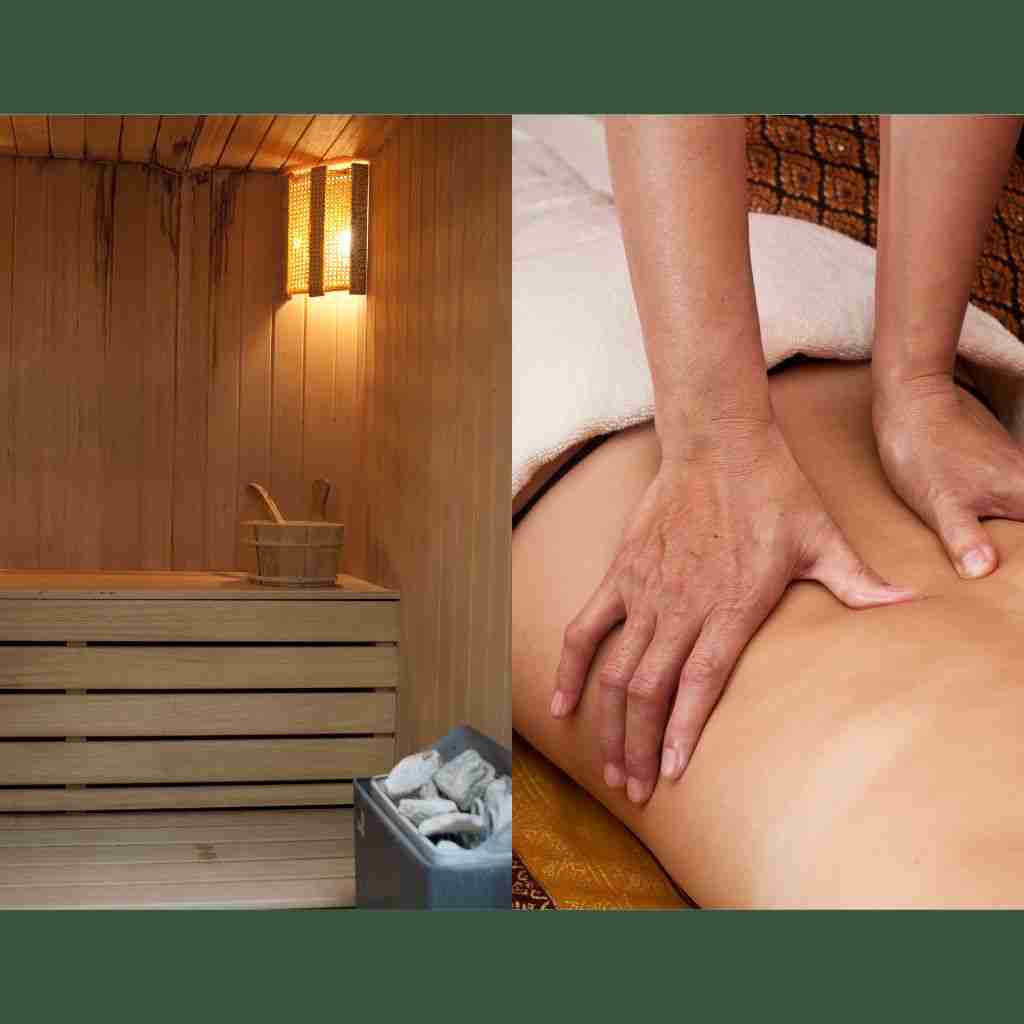
Yes, sauna rooms are exceptionally good for you, offering a diverse array of physical and mental health advantages that range from enhanced cardiovascular function and improved skin vitality to significant stress reduction and muscular recovery. While they are not a substitute for active exercise, the physiological response to the intense heat—such as increased heart rate and deep perspiration—mimics some of the benefits of low-impact physical activity, making them a powerful tool for holistic wellness.
1. What is a sauna and how does it function for health?
A sauna is essentially a specialized, enclosed room designed to subject the body to intense, controlled dry heat. Traditionally, these environments are maintained at temperatures ranging between 180°F and 195°F. While the concept of “heat therapy” is ancient, modern technology has given us several ways to achieve these temperatures. You will typically find saunas powered by wood-burning stoves, electric heaters, or gas. In recent years, infrared saunas have gained massive popularity; these use light waves to heat the body directly rather than heating the air around you, often operating at slightly lower temperatures while providing deep tissue penetration.
The defining characteristic of a sauna is its low humidity. Unlike a steam room, a sauna provides “dry heat.” To manage the intensity of this dryness, many traditional saunas include a pile of volcanic rocks placed over the heat source. By ladling water onto these scorching stones, users can create a “burst” of steam (known as löyly in Finnish), which temporarily increases the moisture level and makes the heat feel more enveloping without turning the room into a high-humidity environment.
2. Why should you incorporate sauna sessions into your wellness routine?
The “why” behind the sauna craze isn’t just about relaxation—though that is a major factor. The health benefits are backed by significant physiological changes that occur when your core temperature rises.
Enhanced Cardiovascular Circulation
When you step into a sauna, your body immediately begins working to cool itself down. This causes vasodilation, where your blood vessels expand, and your heart rate climbs. Experts have noted that a vigorous sauna session can increase the heart rate to levels comparable to a brisk walk on a treadmill. This “passive cardio” helps strengthen the heart muscle and improves the efficiency of blood flow throughout the body. However, it is vital to remember that while your heart is working hard, your muscles aren’t moving, so the sauna should complement, not replace, your gym routine.
Regulation of Blood Pressure and Heart Health
Long-term studies, particularly those conducted in Finland (the global capital of sauna culture), suggest that regular sauna use—ideally four to seven times a week—can significantly lower the risk of hypertension (high blood pressure). The repeated expansion and contraction of blood vessels act like “gymnastics” for your circulatory system, keeping the vessels elastic. These studies have also linked frequent use to a lower incidence of:
- Sudden cardiac death
- Stroke
- Dementia and Alzheimer’s disease
Medical Note: If you have pre-existing, uncontrolled high blood pressure, consult a doctor first. The initial shock of the heat can cause a temporary spike in pressure before the relaxation phase begins.
Rejuvenation of the Skin
If you are looking for a natural glow, the sauna is your best friend. The intense heat opens up pores and triggers deep sweating, which helps flush out metabolic waste and shed dead skin cells. This process stimulates the production of new cells, leading to skin that feels firmer and more resilient. For those using infrared technology, the benefits go deeper, as the light waves can help stimulate collagen production and accelerate the healing of minor wounds or skin imperfections.
Relief for Muscles and Joints
Athletes have long used the Finnish sauna as a recovery tool. The heat penetrates deep into the muscle tissue, helping to soothe “Delayed Onset Muscle Soreness” (DOMS) after a heavy workout. By increasing blood flow to the joints, sauna therapy can also alleviate the stiffness associated with arthritis or general physical fatigue, making your body feel more limber and less prone to injury.
Psychological Well-being and Stress Management
In our fast-paced world, the sauna serves as a sanctuary. The heat triggers the release of endorphins (the body’s feel-good chemicals) while reducing levels of cortisol, the primary stress hormone. In many cultures, the sauna is a social hub where friends talk and unwind, further boosting mental health through community. To level up the experience, many practitioners use aromatherapy, such as eucalyptus or lavender oils, to clear the mind and the sinuses simultaneously.
3. How does a steam room differ from a traditional dry sauna?
Many people use the terms interchangeably, but a steam room and a sauna are distinct experiences. While both involve sitting in a heated box to sweat, the mechanics of how they affect your body differ.
| Feature | Sauna | Steam Room |
|---|---|---|
| Temperature | 180°F – 195°F | 100°F – 120°F |
| Humidity | Low (Dry Heat) | 100% (Wet Heat) |
| Primary Material | Wood (to handle high heat) | Tile, Stone, or Glass (to handle moisture) |
| Sensation | Intense, searing heat | Heavy, enveloping moisture |
Because the humidity in a steam room is at a maximum, your sweat cannot evaporate from your skin to cool you down. This makes the “perceived heat” of a steam room feel much higher than its actual temperature. If you prefer the feeling of a tropical rainforest over a desert, the steam room is likely your preference.
4. Who can benefit most from the moisture of a steam room?
While steam rooms offer many of the same circulatory and muscle-relaxing benefits as saunas, they have a “secret weapon” for a specific group of people: those with respiratory issues.
If you suffer from seasonal allergies, chronic bronchitis, or asthma, the dry air of a traditional sauna might actually irritate your lungs. In contrast, the 100% humidity of a steam room acts as a natural expectorant. The warm, moist air helps to:
- Hydrate and soothe dry nasal passages.
- Break up mucus and congestion in the chest.
- Open up the airways (bronchodilation) for easier breathing.
For anyone dealing with a stubborn cold or sinus pressure, ten minutes in a steam room can feel like a miracle cure, acting much like a concentrated version of a hot, steamy shower.
5. When is it a misconception that these rooms cause weight loss?
It’s time for a reality check: You cannot sweat away body fat. When you step off the scale after a 20-minute sauna session and see that you are two pounds lighter, that weight loss is entirely water weight. As soon as you rehydrate—which you absolutely must do—that weight will return. While the heat does slightly increase your metabolic rate because your heart is beating faster, the caloric burn is negligible compared to actual physical exercise.
Similarly, the idea of “detoxing” after a night of heavy drinking is largely a myth. Your liver and kidneys are responsible for processing and removing alcohol from your system. While sweating does remove trace amounts of heavy metals and toxins from the skin, it does not “flush out” the alcohol in your bloodstream. In fact, going into a sauna with a hangover can be dangerous because you are likely already dehydrated.
6. Where and how should you practice safe heat therapy?
To maximize the benefits and minimize the risks, you need to follow a few “rules of the road.”
Hydration is Non-Negotiable
You can lose a significant amount of fluid in a single session. Drink at least 16 ounces of water before you enter and continue sipping water afterward. If you feel lightheaded, dizzy, or develop a headache, leave the room immediately. Your body is telling you it’s overheating.
Hygiene and Clothing
Public saunas and steam rooms are warm, damp environments—the perfect breeding ground for bacteria.
- Always sit on a towel to protect your skin and keep the benches clean.
- In many cultures, nudity is the norm, but if you prefer to be covered, choose loose-fitting, natural fibers like cotton. Avoid synthetic gym clothes (like spandex), which can trap heat against your skin and may even off-gas chemicals at high temperatures.
Duration and Frequency
You don’t need to spend an hour in the heat to see results. For most people, the “sweet spot” is:
- Time: 5 to 30 minutes per session.
- Frequency: 2 to 4 times per week.
If you are a beginner, start with 5-10 minutes and gradually build your tolerance.
Additional Feature 1: The Global History of Heat Therapy
Humanity’s obsession with sweating for health isn’t a modern trend. It is a practice woven into the fabric of global history.
- The Finnish Sauna: For the Finns, the sauna is a sacred space. Historically, it was the cleanest room in the house, used for everything from giving birth to preparing bodies for burial. It remains a cornerstone of their culture, with roughly one sauna for every two people in the country.
- The Roman Baths: The ancient Romans built massive public bathing complexes featuring the caldarium (hot room), tepidarium (warm room), and frigidarium (cold room). These were centers of political and social life.
- The Turkish Hammam: Evolving from Roman traditions, the Hammam focuses on steam and exfoliation. It’s a ritualistic process of cleansing the body and soul.
- Native American Sweat Lodges: Used for spiritual purification and healing, these structures use heated stones and water to create a ceremonial steam environment.
Understanding that civilizations have used heat for millennia adds a layer of “ancestral wisdom” to your modern gym visit.
Additional Feature 2: The Step-by-Step Guide to a “Perfect Session”
To get the most out of your experience, try this professional-grade routine:
- Pre-Heat Rinse: Take a quick shower to remove oils and lotions from your skin, which allows your pores to breathe more easily.
- The Heat Phase: Enter the sauna or steam room. If it’s a sauna, sit on the lower bench first (where it’s cooler) and move higher as you acclimate. Stay for 15 minutes.
- The Cold Shock: This is the secret of the pros. After exiting the heat, take a cold shower or dip into a cold plunge pool. This causes vasoconstriction, which pumps blood back to your internal organs and creates an incredible “rush” of alertness.
- Rest and Rehydrate: Spend 10-15 minutes sitting quietly, wrapped in a robe, drinking water.
- Repeat: Many people do 2 or 3 “cycles” of heat and cold for maximum cardiovascular benefit.
Frequently Asked Questions (FAQ)
Q: Can I use a sauna or steam room if I am pregnant?
A: Generally, medical professionals advise against using saunas or steam rooms during pregnancy. Raising your core body temperature too high (hyperthermia) can be risky for fetal development, especially in the first trimester. Always consult your obstetrician before considering heat therapy.
Q: Is it safe for children to use a sauna?
A: Children do not regulate their body temperature as efficiently as adults. While older children can enjoy short sessions under strict supervision, infants and toddlers should avoid saunas and steam rooms entirely due to the high risk of rapid dehydration and heatstroke.
Q: Should I use the sauna before or after my workout?
A: After is better. Using it before a workout can relax your muscles too much and lead to dehydration before you’ve even started lifting weights. Using it after your workout aids in muscle recovery, helps flush out lactic acid, and provides a meditative “cool down” for your nervous system.
Embracing the Heat for a Healthier Life
In conclusion, sauna rooms and steam rooms are far more than luxury amenities; they are potent tools for enhancing your physical longevity and mental clarity. Whether you prefer the searing, dry air of a traditional Finnish sauna or the humid, respiratory-clearing mist of a steam room, the benefits—ranging from a stronger heart to glowing skin—are undeniable. By respecting the heat, staying hydrated, and listening to your body’s signals, you can transform a simple sweat session into a life-changing wellness ritual. So, the next time you see that wooden door at the gym, don’t walk past it—step inside and let the heat work its magic.