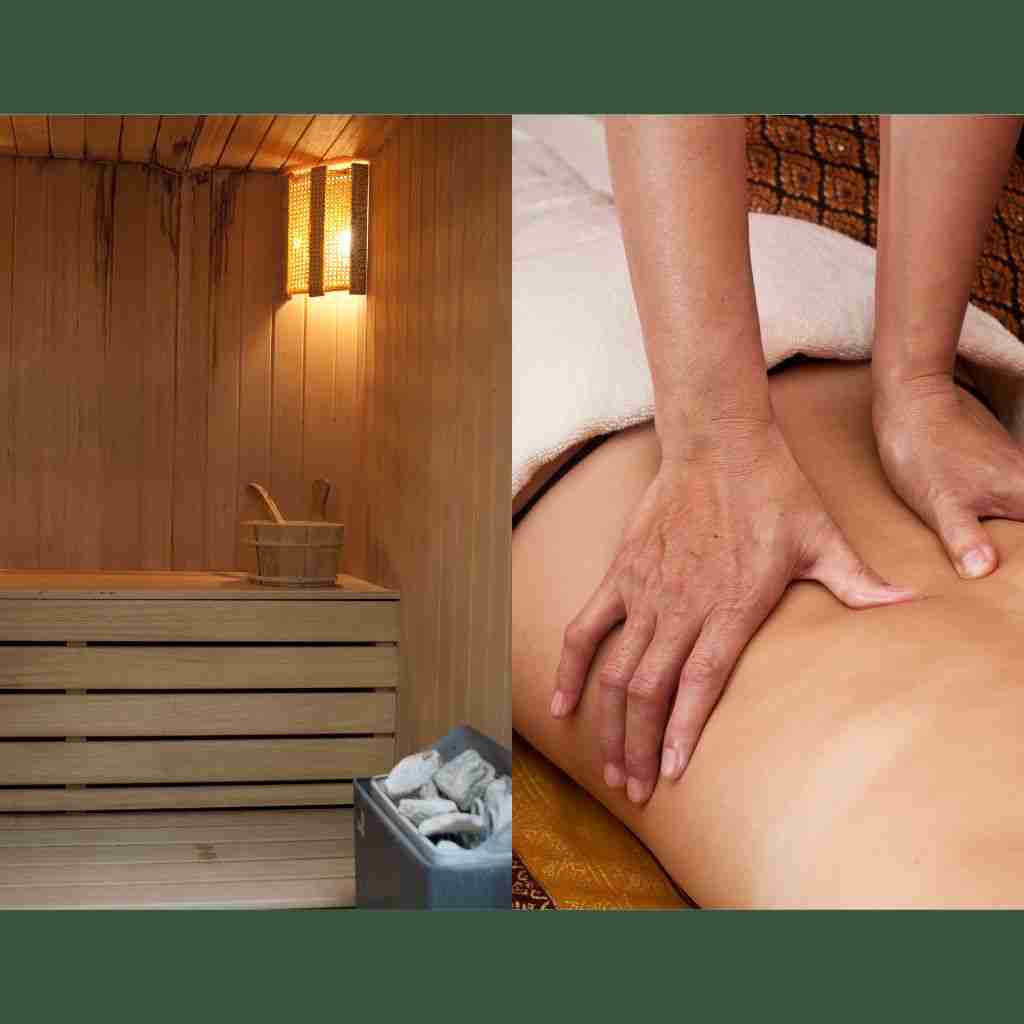
Recovery after a workout is equally significant to the exercise in the enhancement of performance and injury prevention. Most individuals are obsessed with training, and what they fail to understand is that true progress occurs when the body is at rest and is rejuvenating. Failure to recover leads to fatigue of the muscles, poor performance, and a higher risk of injuries. Fitness and sports lovers are beginning to attend saunas more frequently as a type of recovery.
Heat therapy is far from a new concept—it has been used since ancient times, and its benefits are still recognized in modern sports science. Today, professional teams incorporate saunas into post-workout routines, and local gyms are following suit to support recovery and performance.
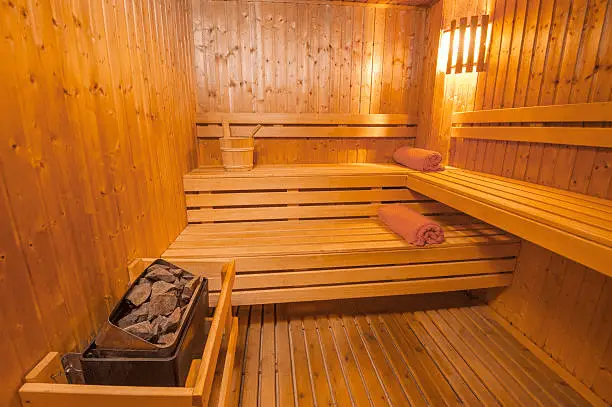
Why Heat Exposure Supports Post-Workout Recovery
Your body does not simply sweat when you sit in a sauna after having trained. A series of physiological reactions come into play, which aid in mending the muscles, relaxing the mind, and the blood circulatory system, remaining healthy.
Increased Blood Circulation
Working out causes small tears in the muscle fibers- this is how they become stronger. To make those fibers efficient in terms of rebuilding, they require constant delivery of oxygen and nutrients. Heat in the sauna dilates blood vessels beyond the normal size, which means that more blood flows to the damaged areas more quickly. That is why athletes tend to recover faster when they start using saunas in their training.
Muscle Relaxation
After heavy lifting or long runs, muscles often stay partially contracted and tense. The deep heat of a sauna penetrates muscle tissue, helping fibers relax and soften. Many people notice a significant improvement in muscle looseness and overall comfort after just a single session.
Nervous System Balance
Intense workouts push the nervous system into fight-or-flight mode, flooding the body with cortisol and adrenaline. A sauna helps shift back into rest-and-digest mode. This matters because your body does its best repair work when calm, not when running on stress hormones.
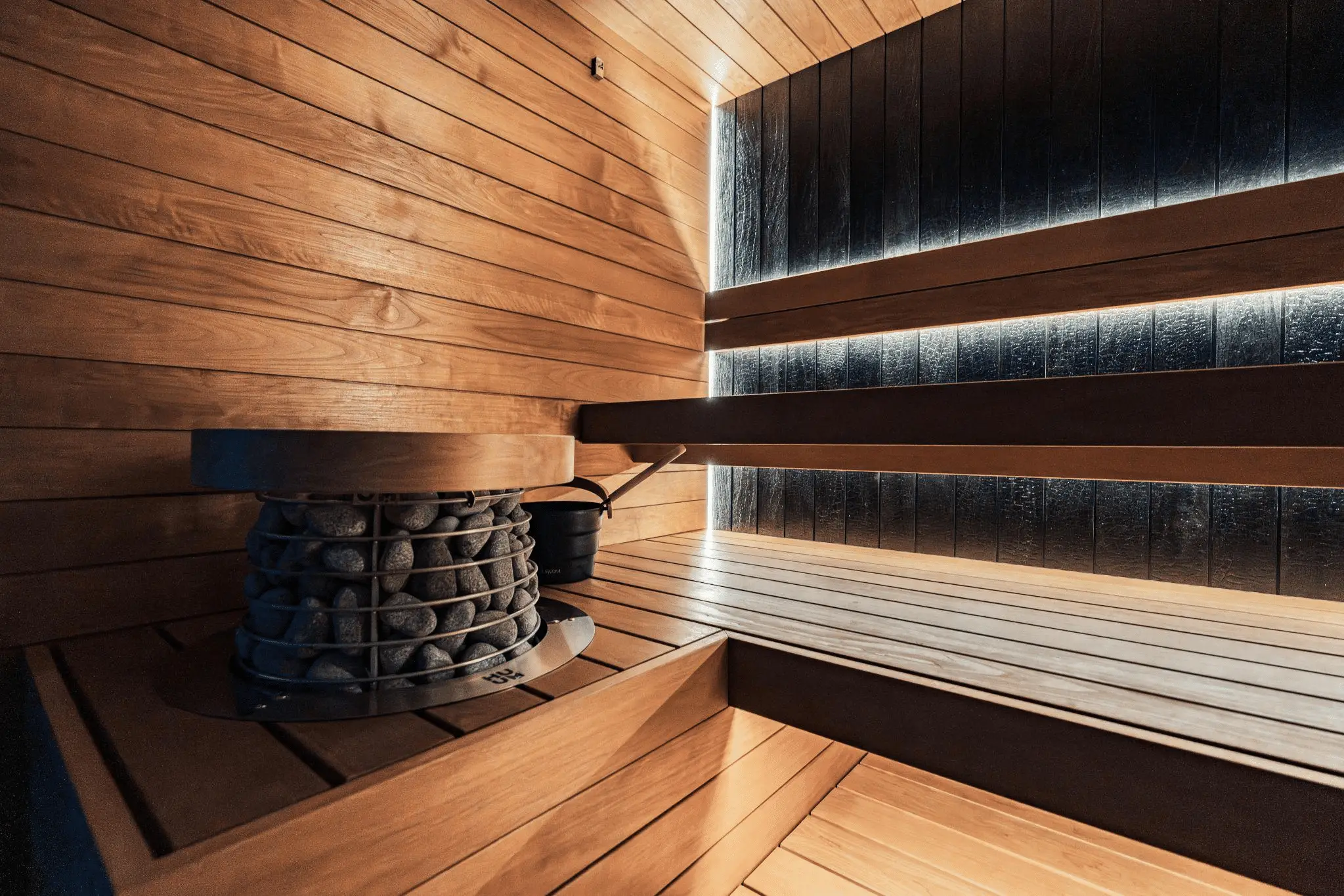
Seven Benefits of Post-Workout Sauna Use
1. Faster Muscle Recovery
When blood flow increases from heat exposure, the body delivers repair materials to muscle tissue faster. This means the window between workouts can shrink without increasing overtraining risk. Competitive athletes use this advantage during heavy training blocks.
A study in Biology of Sport found that a single infrared sauna session after resistance training improved neuromuscular recovery and reduced muscle soreness compared to passive rest.
2. Reduction of Muscle Soreness
Delayed onset muscle soreness — DOMS — hits 24 to 48 hours after hard training. It’s that deep, achy feeling that makes stairs feel like a challenge. A sauna session may cut that down.
- Heat may help relieve delayed onset muscle soreness (DOMS)
- Warm blood flow flushes out waste that causes the ache
- Relaxed muscles feel less tight after intense workouts
Regular sauna users often notice their next-day soreness is much less severe.
3. Improved Cardiovascular Conditioning
Spending time in a sauna increases heart rate by 100 beats per hour, like a brisk walk. Although it is no substitute for cardio training, frequent exposure to heat can enhance the efficiency of the pumping of blood by your heart.
4. Detoxification Through Sweating
When you exercise, your body generates waste materials such as lactic acid. Sweating is a way to eliminate some substances from the skin and clean the pores of accumulated dirt and oils. After regular use of a sauna, many individuals report having clearer skin.
5. Increased Flexibility
Your body heats up, and the connective tissues surrounding joints get more flexible, thus allowing you to move in a greater variety of positions. Some athletes utilize the time in the sauna to do mild stretching that results in actual flexibility growth.
6. Better Sleep Quality
Growth hormone release is maximum in sleep, which heals muscle and regenerates tissue. The profound rest after saunas is usually extended to the evening.
7. Mental Recovery
Hard training is mind-consuming. Psychological exhaustion accumulates and may result in burnout. A sauna means room to leave screens and sound behind and allows the mind to be reset to keep training consistent in the long term.
Best Practices for Sauna Use After Exercise
Getting the most from your session comes down to doing a few things right.
● Timing Your Session
It is not advisable to immediately transition from a strenuous exercise into a hot sauna. The heart is already hard at work, and body temperature is higher. Allow yourself to cool down a bit, ten or fifteen minutes. Take water, walk around, and then get down to breathing.
● Hydration
You’ve already lost fluids during your workout. The sauna means you’ll lose more.
- Sweating during a sauna session increases fluid loss significantly
- Drink water before your session and have more ready when you come out
- Consider electrolytes after long workouts or lengthy sauna sessions
Hydration Tip | When to Do It |
Drink 1–2 glasses of water | Before the sauna |
Sip water during the session | If your sauna allows it |
Rehydrate with water or electrolytes | Immediately after |
● Managing Duration
You can begin with five to ten minutes if you are new to saunas. Within a few weeks, slowly increase to fifteen or twenty minutes per session. Twenty minutes is the best choice most people can have without being overly extreme.

Sauna Solutions for Fitness and Recovery Facilities
Saunas aren’t just for elite athletes anymore. Gyms, sports clubs, and wellness centers are adding them as a core part of their recovery offerings.
Importance of Reliable Sauna Systems in Recovery Spaces
A sauna that runs inconsistently or breaks down often is worse than no sauna at all.
- Fitness centers increasingly integrate saunas as part of dedicated recovery zones
- Members and clients expect a consistent, safe, comfortable heat experience
- Consistent heat distribution improves the effectiveness of post-workout sauna sessions
Facility owners need equipment that performs reliably under heavy daily use.
Smartmak Sauna Systems for Athletic Recovery
Smartmak is a trusted name in sauna manufacturing, offering a wide range of options for both home users and commercial facilities.
Smartmak products are engineered for stable temperature performance and durability — exactly what a recovery-focused environment needs. Their heating technologies deliver consistent heat session after session, with no temperature drops or unexpected failures.
Here are some of their standout options:
- Smartmak Indoor Hybrid Sauna— Combines 7 full-spectrum infrared panels with a traditional Harvia heater. Comes with red light therapy, an oxygen bar, WiFi remote, and chromotherapy LED lighting. A great fit for home gyms and serious athletes who want a complete recovery tool.
- Smartmak 4-Person Outdoor Square Sauna— Built from hemlock and red cedar with an L-shaped bench, high-temp lighting, and a PU waterproof roof. Solid and weather-resistant — ideal for backyard setups or small fitness facilities.
- Smartmak 6–8 Person Outdoor Square Sauna— A spacious steam sauna with a panoramic glass wall. Built for gyms and sports clubs that need team-size recovery capacity.
- Smartmak 2–3 Person Outdoor Barrel Sauna— Handcrafted with a full glass front for an open, scenic feel. Compact and stylish — a natural fit for wellness centers and boutique gyms.
- Smartmak 1-Person Indoor Steam Sauna— A compact single-person unit made from Canadian premium hemlock. Features a 7-color ambient lamp and a Harvia heater for an authentic, therapeutic steam experience.
Value for Distributors and Commercial Buyers
Facility operators and distributors get more than just a product when they choose Smartmak.
- High-quality sauna systems reduce maintenance costs and operational disruptions
- Durable construction supports frequent use in gyms, sports clubs, and wellness centers
- Products come with free shipping and a 3-year warranty
- Professional sauna installations help facilities offer complete post-workout recovery experiences
- OEM and custom sizing options are available for branded commercial setups
Conclusion
Using a sauna after workout sessions can support muscle recovery, relaxation, and cardiovascular health. The research backs it up, and thousands of athletes use it as a regular part of their training routine.
The benefits depend on proper hydration, smart session timing, and responsible use. Start slow, drink water, and let your body guide you.
In fitness facilities and wellness centers, well-designed sauna systems provide reliable recovery solutions for athletes and everyday users alike. The right equipment makes it possible to offer that experience consistently — every day, for every member.
FAQ
Q: Should I take a sauna after exercising?
Yes. It facilitates relaxation in the muscles. Ensure that you have calmed down your heart rate and imbibe much water prior to and following exercise.
Q: What is the duration of using a sauna after exercise?
Begin with five to ten minutes in case you are new. Keep working till you get up to fifteen to twenty minutes as your body gets used to it.
Q: Should you have a sauna before or after the exercise?
Most people prefer after. Heat will not make you fatigued because your muscles are already warm and therefore they do not require heat to supplement your normal bodily healing process.
Q: Does sauna help in reducing muscle soreness?
Yes. Heat relaxes stiff muscles and increases the blood flow to those parts that require repair. Regular use reduces the next-day stiffness.
Q: Is it better to take a shower and then go to a sauna after exercising?
A fast shower will remove sweat and leave the sauna clean for all. It also assists in the process of transitioning psychologically between workouts and rest.