Introduction
The quickest way to make a sauna feel “cheap” isn’t the heater. It’s the wood. Pick the wrong species and you get benches that bite your skin, walls that weep resin, panels that twist like a bad grin, and a room that smells like a lumber aisle instead of calm.
Sauna wood isn’t décor. It’s a working material getting cooked, steamed, dried, then cooked again—hundreds (sometimes thousands) of cycles. Different woods handle that abuse differently: some stay cool to the touch, some stay flat, some stay clean, and some just… don’t.
If you build, distribute, or run wellness facilities, choosing the right wood isn’t a “nice-to-have.” It’s fewer callbacks, fewer bench repairs, and fewer customers quietly deciding your sauna is the one they avoid.
What Makes Wood Suitable for Sauna Environments
Low thermal conductivity (aka “don’t brand people”). Some woods stay comfortable even when the room is ripping hot. Others heat-soak fast and turn benches into a dare. For seating and backrests, this is the whole game.
Dimensional stability under heat + humidity swings. Saunas aren’t just hot—they’re cyclical. Heat-up, sweat, steam (if it’s a wetter style), then cool-down. Wood that moves too much will cup, warp, or open up seams. That means drafts, creaks, and panels that stop fitting like they used to.
Moisture resistance and decay behavior. Interior sauna wood isn’t sitting in rain, but it does get body moisture, wash-down water, and humid air. Some species shrug it off. Some stain easily, or grow funk in the wrong corners if ventilation is sloppy.
Safety and comfort. You want a smooth grain that sands nicely and doesn’t splinter after a year of use. You also want low resin—nobody wants sticky sap bleeding out of knots mid-session. And yes, aroma matters. A sauna that smells harsh or “chemical” feels wrong, even if everything else is perfect.
Ten Popular Sauna Wood Types and Their Key Characteristics
Cedar
Cedar is the celebrity pick for a reason: it’s naturally aromatic, generally resistant to moisture issues, and it holds up well when treated like a sauna (vented, dried between sessions, cleaned without soaking it). It’s also forgiving—small dings and wear don’t look tragic. The tradeoff is price, plus the scent: some people love it, some people get overwhelmed fast.
Hemlock
Hemlock is the “I don’t want my sauna to smell like anything” choice. Neutral, clean-looking, usually stable, and it takes a modern aesthetic well. It’s a common answer for clients who say they’re sensitive to strong wood aromas. Just don’t confuse “neutral” with “bulletproof”—you still need good ventilation and decent build practices.
Spruce
Spruce is classic Nordic sauna territory: pale, tidy, and familiar in traditional builds. It handles heat well and keeps the room bright. The weak spot is knots and resin pockets—spruce can be great, but you want good grading and smart placement so you’re not sitting next to a knot that decides to ooze.
Pine
Pine is popular because it’s affordable and available. And yes, it can work. But pine has one constant risk: resin. If you pick knotty boards and shove them into a high-heat interior, you’re basically inviting sap to show up at the worst time. If pine is the budget reality, use higher-grade stock, manage knots, and keep it away from the hottest zones and direct contact surfaces.
Fir
Fir often shows up in framing and wall structures because it’s straight-grained and strong. It’s a practical builder’s wood. For visible interiors, it depends on the cut and grade—fir can look sharp, but you still want to think about pitch pockets and long-term movement. Used thoughtfully, it’s a solid structural partner.
Aspen
Aspen is a bench favorite because it’s low-resin, light in color, and typically stays comfortable to sit on. It also tends to sand and refinish nicely, which matters when benches start showing wear patterns. If you’re tired of “hot bench syndrome,” aspen is one of the simplest fixes.
Basswood
Basswood is the comfort nerd’s pick: very low heat feel, soft touch, and generally kind to skin. It’s great for seating and backrests where people stay put for a while. It’s not the toughest wood in the world, so it benefits from sane cleaning routines (no aggressive soaking) and good airflow so it dries fully.
Alder
Alder gives you a warmer, richer tone than aspen without drifting into “dark cabin.” It’s a common modern interior choice because it looks finished even when it’s unfinished. Performance-wise it’s a balanced option—stable enough, pleasant to touch, and usually not resin-troublesome.
Thermo-treated wood
Thermo-treated wood (heat-treated) is what you use when you want more stability and moisture behavior without slathering chemicals everywhere. The treatment changes how the wood handles humidity swings, and it often improves resistance to warping in tough conditions. It’s a smart option for demanding installs—busy saunas, frequent heat cycles, or outdoor units where the whole structure gets pushed hard.
Redwood
Redwood is the premium “I want this to last and look good doing it” option. It’s naturally durable and handles moisture well. Like cedar, it comes with a higher price tag. And like any premium wood, it still needs correct design details—drainage, ventilation, and avoiding water traps—because even great wood can’t outsmart bad construction.

How Different Sauna Components Use Different Wood Types
Sauna walls and structural panels
Walls want stability first. Woods like hemlock, spruce, fir, alder, and thermo-treated options tend to behave well as interior cladding when properly dried and installed. Big movement shows up as gaps and squeaks. Small movement is normal. Build so the wood has room to live without wrecking the room.
Sauna benches and seating
Benches want comfort and low resin. Aspen and basswood are popular here for a reason—they don’t punish skin. Cedar can work too, especially if you like the aroma, but you still want smooth milling and smart board selection. And whatever you choose, design benches so they can be removed and cleaned without turning maintenance into a circus act.
Exterior cladding for outdoor saunas
Outside is a different fight: rain, sun, freeze-thaw, bugs, and wide temperature swings. Redwood, cedar, and thermo-treated cladding are common picks because they handle weather better than “basic interior paneling.” Also: details matter more than species—overhangs, flashing, and drainage beat fancy wood every day of the week.

Selecting Sauna Wood for Commercial and Large-Scale Projects
Commercial saunas don’t fail politely. They fail fast, in public, with paying customers. High traffic means more sweat, more cleaning, more door cycles, more heat cycles—so weak wood choices show up as cracked benches, stained panels, and warped sections that start looking tired way too soon.
A serious supplier will care about consistent grading and sourcing, not just the species name on a quote sheet. “Cedar” can mean a clean, stable interior—or a knotty mess that bleeds and checks.
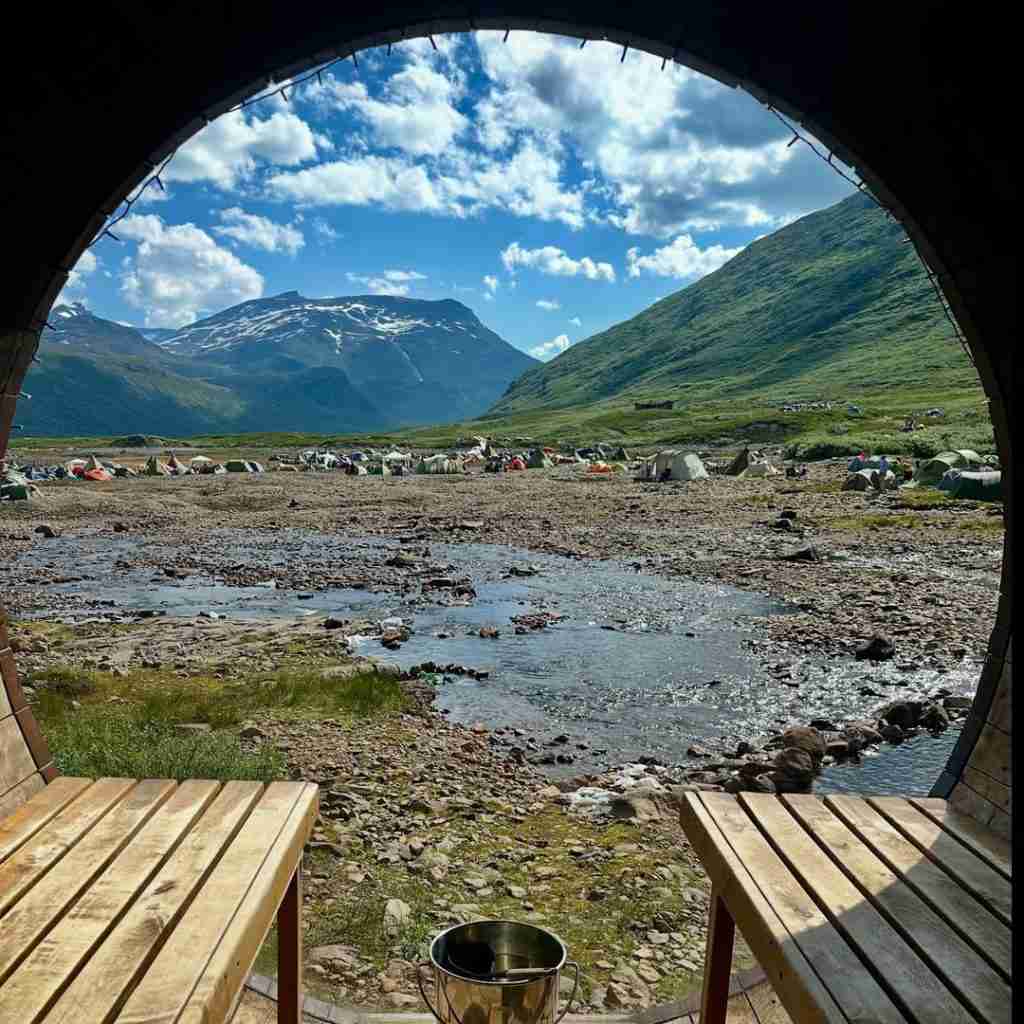
Smartmak’s approach (the practical version, not the brochure version) is selecting woods that behave under repeated heating cycles and building around that reality—especially in designs like barrel sauna outdoor, where the structure depends on curved staves staying tight. The whole barrel concept is simple: staves + compression (bands/hoops) + good fit. If the wood moves unpredictably, you lose that tight seal and the barrel starts acting like a leaky drum.
If you’re speccing units for distribution or wellness projects, look for a partner that treats wood selection as engineering, not decoration. If you want a concrete example of that design philosophy, start with Smartmak’s barrel builds and how the wood structure is meant to stay tight over time: Smartmak Barrel Sauna. And if you’re comparing models for outdoor installs where the exterior takes a beating, browse the broader lineup here: Smartmak saunas.
Conclusion
The “best wood for saunas” isn’t one magic species. It’s the right wood in the right place: stable cladding on the walls, skin-friendly material on benches, weather-smart choices outside, and smart grading everywhere.This principle of purpose-driven material selection is what defines a true custom sauna—a system engineered for performance, longevity, and user comfort, not just assembled from parts.
Spend your effort where it pays back: bench comfort, resin control, and long-term stability. That’s what users notice. And it’s what keeps owners from calling you two years later, irritated.
FAQ
What is the best wood for saunas?
If you want the short, honest answer: cedar is a common all-around pick (durable, moisture-friendly, aromatic), while hemlock is great for a clean, low-scent interior. For seating comfort, aspen and basswood often beat both.
What wood types are best for sauna benches?
Look at aspen and basswood first. They’re popular because they stay comfortable to sit on and don’t have the resin drama that can show up in knotty softwoods. Alder can also work well if you want a warmer look.
Can pine be used for building a sauna?
Yes—with guardrails. Pine is cost-friendly, but resin is the risk. Use better-grade boards, manage knots, keep it away from the hottest zones and direct contact surfaces, and don’t expect it to behave like premium species if you run the sauna hard every day.
What is the difference between cedar and hemlock sauna wood?
Cedar brings scent and strong natural resistance traits, and it’s a classic sauna vibe. Hemlock is more neutral—lighter smell, clean look, and often chosen for people who don’t want fragrance in their face during a session.
Are hardwoods better than softwoods for saunas?
Not automatically. Some hardwoods can feel hotter to the touch and may not be the best bench choice just because they’re “hard.” In saunas, comfort and stability usually matter more than bragging rights—so many projects still lean on softwoods or low-heat-feel species for the interior where skin contact happens.