Introduction: Why Eye Comfort Matters During Sauna Use
People walk into a sauna expecting sore muscles to melt. Then their eyes start acting up—stinging, watering, going a little blurry—and suddenly the “relaxing” part feels like a lie.
Most sauna eye complaints are boring (in a good way): temporary dryness, burning, redness, extra tearing, or a little foggy vision that clears once you cool down and rehydrate. Heat plus sweat plus dry air is a classic combo for annoying, not life-altering.
But some stuff is not “normal sauna grit.” If you get eye pain, strong light sensitivity, sudden vision changes, thick discharge, or angry, persistent redness, don’t tough it out like it’s a badge of honor—get it checked. The FDA’s warning list for contact-lens problems overlaps hard with “people ignoring symptoms until it’s a mess.”
This article does three things: answers the practical questions (sauna + eyes + glasses/contacts/infrared), separates ordinary discomfort from red-flag symptoms, and gives operators/buyers a blueprint for saunas that don’t punish eyeballs.
How Can Heat, Steam, and Infrared Energy Affect the Eyes?
Heat And The Ocular Surface
Your eyes aren’t impressed by bravado. They want a stable tear film. And hot, dry environments can push tears to evaporate faster—low humidity is a known aggravator for dry-eye symptoms because evaporation happens even with a “normal” tear film.
Now stack on sauna realities: you sweat, you lose fluid, you blink a bit less because you’re half-asleep on a bench, and the tear film gets cranky. If you already have dry eye, you’ll usually feel it sooner and louder than everyone else. The National Eye Institute’s symptom list is basically what sauna users complain about: burning, scratchy feeling, redness, light sensitivity, blurred vision.
Temporary Symptoms Versus Possible Warning Signs
Usually fine: mild dryness, brief burning, watery eyes, “my vision feels weird for a minute” right after you step out.
Not fine: eye pain, persistent blurred vision, swelling, discharge, or unusual light sensitivity that doesn’t settle after cooling off. Those are “stop the session” signs, not “drink water and power through” signs.
And yes—dry eye can blur vision. Dry eye isn’t just “not enough tears.” It can also be tears evaporating too fast or not working correctly, which can cause discomfort and sometimes vision problems.
Traditional Sauna, Steam Sauna, And Infrared Sauna Differences
Traditional dry sauna: Often hot enough that your skin temperature jumps and you sweat fast. A “typical Finnish sauna” is often cited around 175°F, which is great for a sweat… and not always great for dry-eye people.
Steam sauna / steam room: Lower air temperature, brutally high humidity—many steam rooms are designed around roughly 110–114°F at 100% humidity. Some people with dry eye find this feels better. Others just get sweat and condensation in their eyes and rub them like a maniac (don’t).
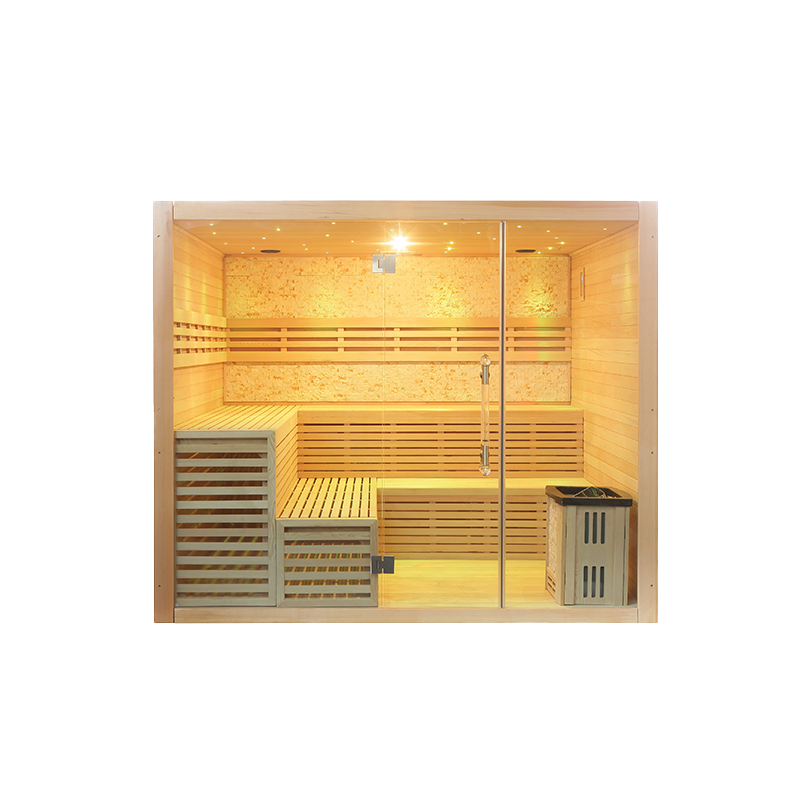
Infrared sauna: Heats you more directly; the air can feel less punishing because it’s often used at lower temps than a “regular” sauna. And no, infrared is not ultraviolet. Different part of the spectrum, different risk profile. Mayo Clinic points out infrared saunas use light to make heat and tend to deliver the “sauna feeling” at lower temperatures than traditional saunas.

Here’s the nuance people skip: “Infrared” doesn’t automatically mean “safe for eyes at any distance, any intensity.” The eye can be sensitive to thermal injury, and safety depends on source intensity, distance, exposure time, and device design—that’s exactly why bodies like ICNIRP publish exposure guidance.
Can A Sauna Permanently Damage Eyesight?
Broad guarantees are lazy. Sauna conditions vary. Session length varies. Your medical history varies. What you do in the sauna (face glued to a heater? rubbing your eyes with sweaty hands?) varies.
What the evidence does support is this: ordinary sauna bathing is not the same thing as industrial radiant heat exposure that can produce real ocular thermal injuries. Occupational heat/IR hazards are a different universe.
Also: there isn’t good evidence that sauna use “cures eyesight” or treats eye disease. Feeling relaxed or less tense is not your myopia reversing itself. Wellness marketing should stop pretending otherwise.
Can You Wear Glasses or Contact Lenses in a Sauna?
Can You Wear Glasses In A Sauna?
You can. The question is whether you should.
Practical problems:
- Fogging(heat + humidity + temperature swings).
- Slipping(sweat turns your nose into a waterslide).
- Heat damageto coatings. Lens “crazing” (that spiderweb cracking look) is often linked to extreme heat exposure and can mess with clarity.
A routine that saves hassle:
- Set your temperature/timer first—while you can still see the controls.
- Bring two towels: one for sweat, one kept drier for face/eyes.
- Take glasses off beforeyou’re drenched, and store them outside the hot cabin, away from heaters and any hot surfaces.
When glasses may still be necessary: if you can’t move safely without them, falls beat fogging every day of the week. Operators can help with good lighting, high-contrast controls, and clear paths.
Can You Wear Contact Lenses In A Sauna?
Contacts are fussier. They sit on the cornea, and dry environments can feel harsher when you’ve got a lens riding on your tear film.
Three big issues:
- Dryness/discomfort ramps up faster for a lot of wearers. (NEI lists contact lens wear as a dry-eye risk factor.)
- Sweat + eye rubbing + sketchy hand hygiene is a bad combo.
- A sauna is a terrible place to remove/rinse/reinsert lenses. No clean sink setup, no sterile anything, lots of impulsive rubbing.
A cautious approach:
- Remove lenses beforehand when it’s practical.
- If symptoms start, leave the sauna—don’t “finish the round.”
- Remove lenses with clean, dry hands and don’t reinsertwhile your eyes are red or painful.
The FDA is blunt about what should trigger lens removal and a call to an eye-care professional: pain, redness, light sensitivity, sudden blurred vision, unusual tearing, discharge.
Is Infrared Sauna Eye Protection Necessary?
Not automatically.
Tanning goggles are mainly about UV. Infrared sauna heaters aren’t UV tanning lamps, and treating them like they are is category error.
When extra eye protection might be worth discussing:
- You have a diagnosed eye condition and your clinician suggests it.
- The sauna includes a specific light-based feature with manufacturer guidance.
- You’re doing something weird like sitting inches from a heating element (don’t).
If you buy “sauna eyewear,” keep it simple: heat-tolerant material, no tight pressure around the eyes, and nothing that heats up and turns into a tiny face-branding iron.
Who Should Take Additional Precautions Before Sauna Use?
People With Dry Eye Or Sensitive Eyes
If you already live with burning, gritty irritation, or fluctuating blur, sauna heat can make you notice it fast. NEI’s advice for dry eye includes environmental tweaks (avoid dry air when possible, hydrate, use artificial tears for mild dry eye). That maps cleanly to sauna behavior.
Practical steps:
- Start shorter and cooler.
- Hydrate before and after.
- Don’t aim airflow or your face at the hottest zone.
- Leave early at first symptoms. Early exits are cheap.
People With Glaucoma Or Elevated Intraocular Pressure
This is where “saunas are always fine” gets sloppy.
Evidence is limited and not consistent across every situation, but there is a published case report (AJO Case Reports) where a patient with severe primary open-angle glaucoma had repeatable intraocular pressure spikes after sauna use, confirmed with home tonometry (iCare HOME).
Does that mean saunas spike pressure in healthy eyes? No. It’s one patient. But it’s enough to justify individualized caution for advanced or poorly controlled glaucoma.
People Recovering From Eye Procedures
Post-op instructions beat internet advice. Always.
Procedures that commonly come with temporary restrictions:
- Cataract surgery
- LASIK / refractive surgery
- Retinal procedures
- Corneal treatments
- Eyelid surgery
Heat, sweat, rubbing, and contamination risk are the enemies during recovery. Wait until your surgeon clears sauna use.
When To Stop The Session
Exit immediately if you notice:
- Eye pain
- Sudden or persistent blurred vision
- Strong light sensitivity
- Significant redness
- Discharge or swelling
- Dizziness paired with visual disturbance
Then: cool down, don’t rub, remove contacts with clean hands if relevant, and seek care if symptoms are severe or don’t resolve.
Designing an Eye-Conscious Sauna Experience for Commercial and Residential Buyers

What B2B Buyers Should Ask Infrared Sauna Manufacturers
If you’re buying for a gym, hotel, or a big home build, the “eye comfort” spec is mostly boring engineering and good UX:
- Temperature management:adjustable settings, accurate sensors, timers, over-temp protection.
- Cabin layout:heater placement that avoids intense localized exposure at face level; reasonable distance from panels.
- Lighting/controls:readable displays, high contrast, controls operable before users remove glasses, no unnecessary glare.
Smartmak Full Spectrum Infrared Sauna Solutions for B2B Projects
Smartmak positions itself as a custom sauna manufacturer offering OEM/ODM-style services and lists full-spectrum infrared sauna features like temperature sensors and other add-ons (site lists examples like oxygen ionizer, speakers, LED lighting).
On its retail product pages, Smartmak lists specific configurations (for example: temperature sensor, lighting features, app-enabled controls, and a stated temperature range on certain models).
Keep the sales copy honest: controllable settings and sane cabin design can support a more consistent user experience. They don’t prevent eye disease. They don’t “fix vision.” Not even close.
Operational Practices for Spas, Gyms, Hotels, And Wellness Centers
Before:
- Show where glasses can be stored safely.
- Make exits and controls obvious.
During:
- Stay within the manufacturer’s operating range.
- Don’t let users block/cover heaters.
After:
- Encourage gradual cool-down.
- Provide a clean area where contact-lens users can deal with lenses without doing it in a locker-room panic.
Conclusion: Protecting Vision Without Overstating the Risks
Saunas can irritate eyes. They rarely “damage vision” in the permanent sense—most issues are discomfort that fades when you cool down and rehydrate.
Remove contact lenses when practical, protect prescription glasses from heat, and don’t assume you need special infrared eye gear just because the word “infrared” shows up on the brochure.
If you have glaucoma, recent eye surgery, serious dry eye, or unexplained vision changes, get guidance that fits your situation—not generic sauna hype.
FAQ
Can sauna heat damage your eyes or permanently affect your vision?
For most people, sauna-related eye issues are temporary (dryness, burning, watery eyes). Persistent pain, sudden vision changes, discharge, or strong light sensitivity are not normal and should be evaluated.
Is it safe to wear contact lenses in a sauna?
It can be uncomfortable and increases the odds you’ll rub your eyes with sweaty hands. If you develop pain, redness, light sensitivity, sudden blurred vision, unusual tearing, or discharge, remove lenses and contact an eye-care professional.
Do you need infrared sauna eye protection?
Not by default. Infrared saunas aren’t UV tanning devices, and risk depends on intensity, distance, and exposure time. Follow the manufacturer’s instructions and don’t sit with your face close to heating elements.
Can a sauna cause temporary blurry vision?
Yes. Tear-film instability from heat/dry air/dehydration can cause fluctuating blur that improves after cooling down. If blur persists, treat it as a warning sign.
Can sauna use make dry-eye symptoms worse?
It can, especially in hot, low-humidity conditions that increase tear evaporation. People who already have dry eye or wear contacts tend to notice symptoms sooner.