Introduction
Just like smartphones, Apple watches have become a daily driver for individuals who are physically active and seek real-time monitoring of their physiological data. These smartwatches are an incredible tool to monitor your heat rate, calorie burn and work out duration. It collectively provides a broad picture of cardiovascular health.
Sauna sessions are an integral part of a healthy heart routine. Active individuals seek transition to saunas immediately after a standard workout. The aim is to capture the impact of sauna on personal health. But can you wear an Apple Watch to a sauna for tracking? The question points to compatibility of highly sensitive and lithium-ion powered smartwatches in saunas. Will it cause any permanent or structural damage?
This article will explore all these factors and analyze why using an Apple Watch in a sauna, particularly traditional and infrared saunas is possible.
Why Use an Apple Watch in Sauna?
The primary source of confusion is the watch’s capability to resist water immersion or swimming. It induces an image that the watch is inherently sealed, therefore capable of handling high temperatures and vapor pressure. However, manufacturers clearly define the narrow operating temperature range. In saunas the high humidity in steam rooms and traditional dry saunas can damage the acoustic membranes and adhesive seals of the watch.
The main concern of users is without a fitness tracking device the health log can become skewed. Experts recommend avoiding using standard Apple Watch inside a sauna environment. There are specialized rugged versions specifically designed to tolerate some range but exposure to steam room is strictly prohibited as per official guidelines.
Check Your Apple Watch Model Before Entering a Sauna
Standard Apple Watch Models
The standard Apple Watch series are sold significantly higher than the Ultra models. The Series 1 through 11 and SE models are included in the standard Apple watch with the operating temperature for all models being 32°F and 95°F (0°C to 35°C). Even when the device is powered down and in safe storage condition the temperature limit is 113°F. Sauna temperatures dramatically rise above these safe limits.
Apple’s official documentation clearly warns that the standard Apple Watches are not designed for sauna use. As the damage it will cause to the hardware is irreversible. The sudden temperature change can cause standard glass Ion-X strengthened glass, aluminum or ceramic backing to develop micro-fracture with thermal shocks.
Most users think 10-15 minute sessions eliminate the risk. However, the internal insulation is not designed to handle the spikes which can damage the chips and batteries. The heat-induced damage is also considered as device misuse under AppleCare+ consumer warranty.
Apple Watch Ultra Models
Apple Watch Ultra models are extreme athletics. These models feature a ruggedized build tested against subsections of MIL-STD 810. The on-wrist operating limit for Ultra models is extended to a maximum of 130°F (55°C), with a working relative humidity tolerance between 5% and 90% non-condensing.
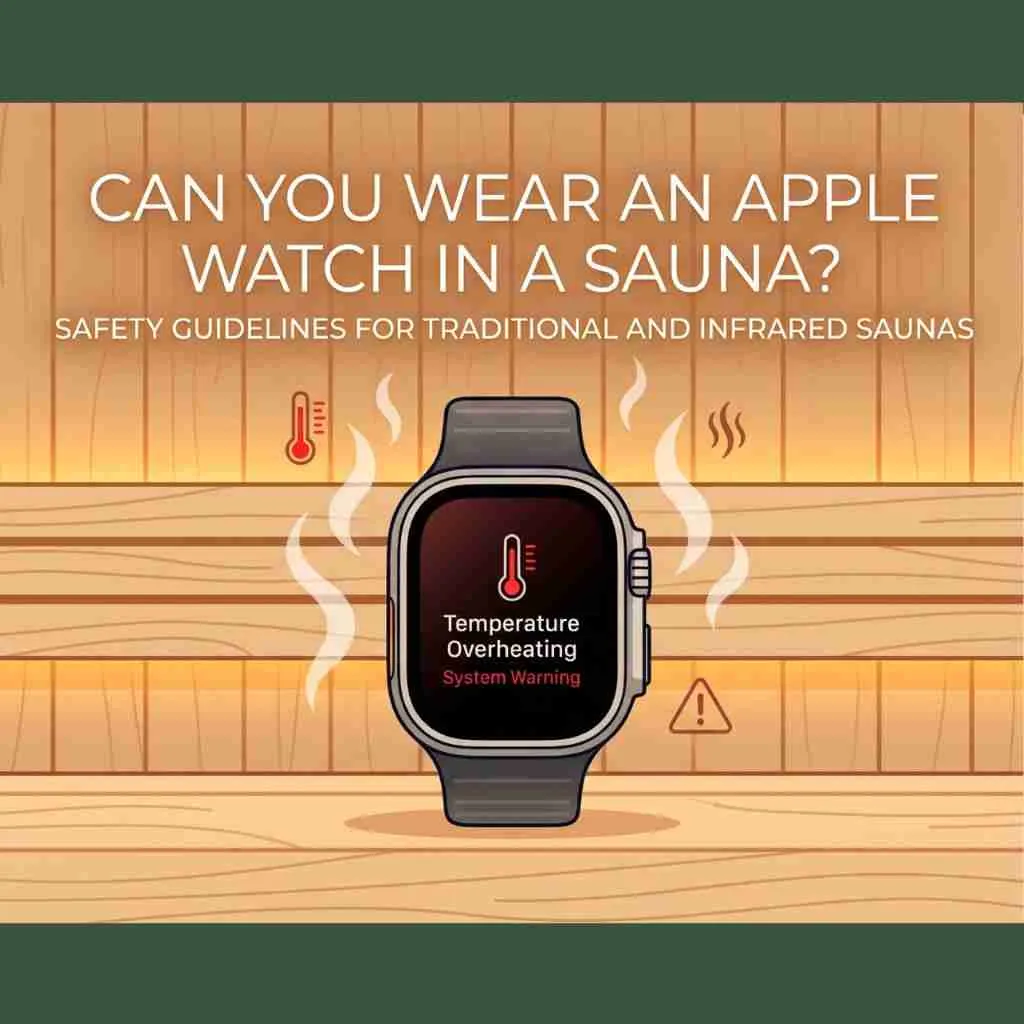
Despite this ruggedization, traditional dry saunas frequently exceed 130°F, meaning even an Ultra model is pushed far beyond its maximum certified limit in standard commercial hot rooms. To prevent permanent silicon and battery degradation, the Ultra features an automated thermal protective lock that halts all non-emergency operations and displays a temperature warning screen until the unit cools down.
While the Ultra features a corrosion-resistant titanium case and a sapphire crystal face, its internal water-resistant gaskets remain highly vulnerable to chemical breakdown under intense heat and moisture. When the Ultra triggers its safety shutdown mid-session, all active tracking of heart rate, calorie expenditure, and training load recovery is lost, rendering the device useless for session tracking.
Why the Exact Model Matters
The early models were made with capability of handling light rain, particularly the Series 0 and Series 1 Apple watches. The Series 2 to 11 in compliance with ISO22810:2010 became capable of handling swimming conditions. The ultra models use different material composition which can affect how the watch conducts heat. Particularly the use of titanium and sapphire changes its response to sauna conditions.
The newer models come with features that repel water using sound vibrations. However, the sauna’s high temperature can hinder this property and make it non-functional.
Early models have weak splash resistance. Online sauna survival claims are mostly misleading.
Why Sauna Conditions Are Different from Swimming or Exercise
Water Resistance Does Not Equal Heat Resistance
It’s important to clarify that water resistance of the Apple watch does not translate to its capability to withstand high heat conditions. The heat can quickly conduct across the watch’s material to the internal delicate components like the battery. Research shows that the high-temperatures hasten the process of chemical degradation of lithium-ion batteries found in Apple Watches. In some cases, it can cause swelling.
The adhesive starts to soften at 140°F (60°C) which means that the physical seal is compromised and the water resistance has severely degraded. Moreover, the heat also causes sensor drift causing the watch to behave erratically and provide wrong values. The display panels which can be OLED and LCD screens depending on the Apple Watch model are also damaged. The heat can cause permanent pixel burnout.
Heat, Sweat, and Moisture Act Together
There is a collective impact of heat, sweat and moisture on a smartwatch. While we normally sweat during running and walking, the watch is not subjected to rapid temperature changes. In case of switching from sauna to cold plunge the sudden temperature change can cause the humid air inside the watch to condense and damage electronics. Temperature stress also damages mechanical seals.
If we wear the Apple Watch throughout a sauna session the sweat can reach the internals of the watch. Human sweat contains lactic acid and sodium chloride which can accelerate corrosion of delicate smartwatch parts. Released body oils also obstruct optical sensors under the watch in contact with the skin.
Watch Bands Have Their Own Limitations
The Apple Watch alone is not the sole receptor of damages caused by Sauna. Watch bands have their own limitations.
- Leather bands warp under humidity.
- Metal bands conduct heat rapidly and cause localized burns.
- Fabric bands absorb body oils. These can cause them to stretch or trap odors.
- Budget silicone softens and leaches chemical irritants under heat.
- Breathable nylon loops resist sweat thus remain suitable for Sauna Conditions.
Traditional, Infrared, and Steam Saunas Present Different Risks
Traditional Dry Saunas
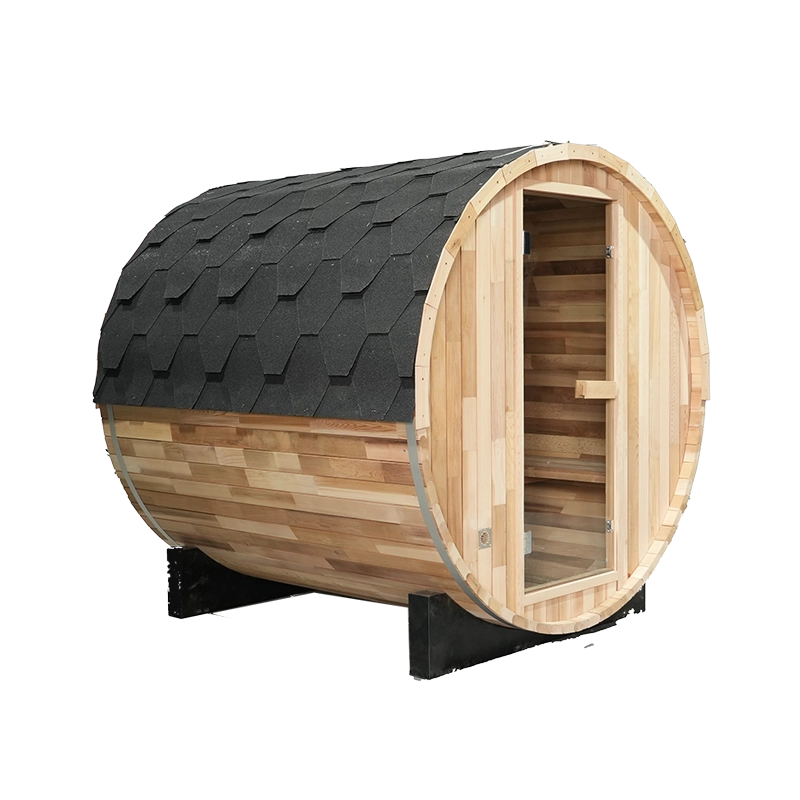
Traditional dry saunas also known as the Finish saunas operate at higher temperatures. These are typically 160°F and 200°F (71°C to 93°C). These are far above the operating limits of an Apple Watch. In competitions, the sauna environment can reach up to 230°F which can immediately damage standard electronics.
Anything above 113°F (45°C) poses the risk of battery explosions as the electrolytic breakdown is accelerated. These saunas typically cause standard watches to trigger thermal shutdown in less than twelve minutes. Even the ruggerized smartwatches like the Ultra models should be taken off when the temperature exceeds 130°F (55°C).
Infrared Saunas
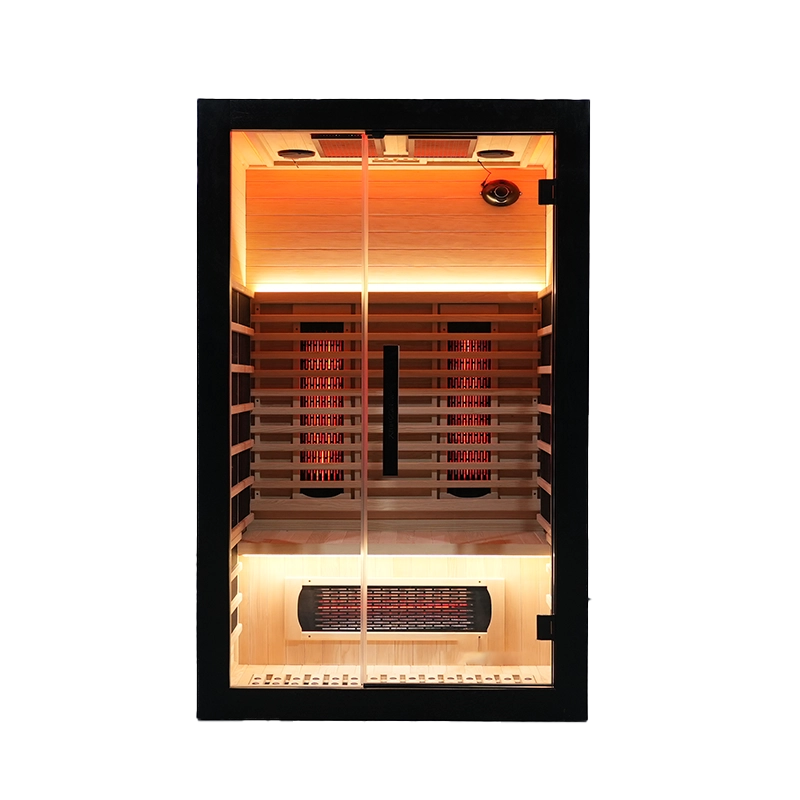
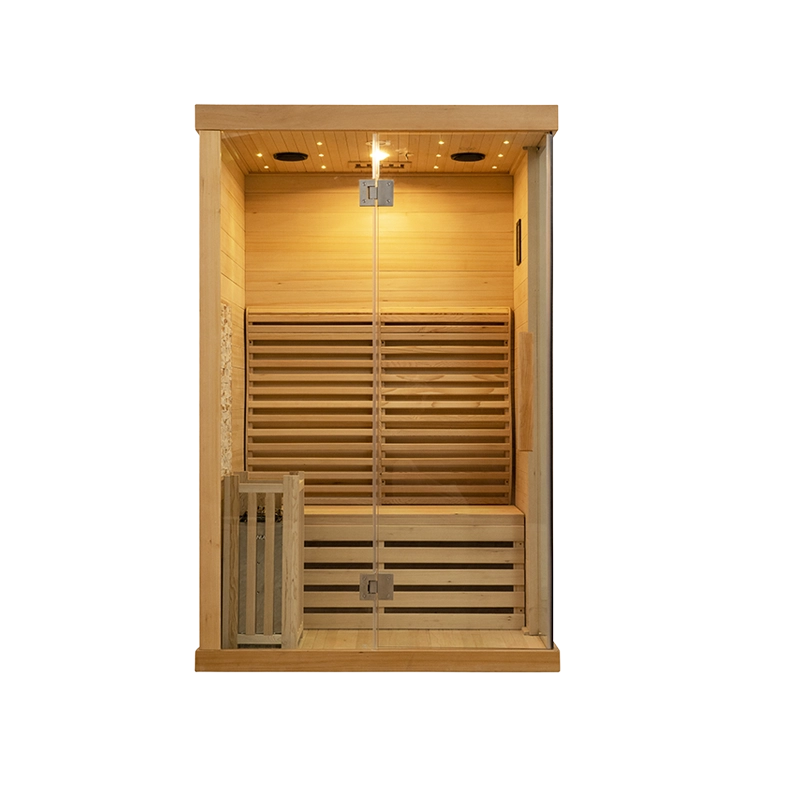
Infrared sauna manufacturers typically design cabins for 104°F to 158°F (40°C to 70°C). However, Apple Watch manufacturers clearly ban their use in infrared environments. The radiant energy of the infrared sauna directly warms organic matter and solid objects. The targeted heat can cause the watch to reach its operating safe limits quickly. Most sensors become inaccurate in providing the biometric data so the use of Apple Watch becomes irrelevant.
Steam Rooms
Steam sauna manufacturers must account for 104°F to 113°F (40°C to 45°C), extremely high humidity, and active condensation. Since the water has higher thermal conductivity it transfers heat to the Apple Watch much faster. It is strictly banned to use smartwatches in steam rooms. The delicate seals are immediately damaged and the water lock feature is lost. There is no protection in the watch against water in the gas phase entering into the watch and then condensing to damage the electronics.
Comparative Summary of Device Tolerances vs. Sauna Environments
Environment / Model | Typical Temperature Range | Relative Humidity | Standard Watch (Series 2-11, SE) | Rugged Watch (Ultra Series) | Primary Failure Mode |
Standard Operating Limit | 32°F to 95°F (0°C to 35°C) | 5% to 90% (Non-condensing) | Fully Approved | Fully Approved | None |
Traditional Dry Sauna | 160°F to 200°F (71°C to 93°C) | 5% to 15% (Very Low) | Strictly Prohibited | Prohibited (Exceeds 130°F limit) | Battery degradation & shutdown |
Infrared Sauna | 104°F to 158°F (40°C to 70°C) | 10% to 20% (Low) | Strictly Prohibited | Restricted (Only below 130°F) | Radiant surface heating & seal softening |
Steam Room | 104°F to 113°F (40°C to 45°C) | 100% (Condensing/Sat.) | Strictly Prohibited | Strictly Prohibited | Vapor penetration & corrosion |
Hot Tub | 100°F to 104°F (38°C to 40°C) | 100% (Submerged) | Not Recommended | Restricted (Water up to 104°F) | Chemical seal damage from soaps/chlorine |
Specifying an Infrared Sauna for Commercial Wellness Facilities
Focus on Controlled Operating Conditions
Commercial facilities must provide infrared saunas with precise digital controls. Low-EMF True Wave carbon-ceramic heater arrays are essential to ensure safe and consistent sessions. Saunas with adjustable ventilation systems are key to keep air moving and avoid humidity buildup. Clear operating checklists enable staff to effectively check the conditions on a daily basis. Additionally, the availability of full spectrum emitters allows facilities to hold tight tolerances on temperatures, with cabins safely pre-set to below 130°F (55°C) to protect any smartwatches guests may inadvertently wear inside.
Provide Safe Storage For Personal Electronics
Outside the sauna cabin, facility management should think about putting in secure lockers or specific shelving units to make people want to keep their phones and other electronic devices there. Use of these storage spaces with clearly marked temperature restrictions prevents the catastrophic heat degradation of delicate lithium-ion batteries. This way creates a tech-free mindfulness culture. Spas offering secure device cubbies with built-in charging ports see a dramatically increased level of guest satisfaction by enabling a real digital detox while the devices are charging in a secure, room-temperature environment.
Choose A Good Commercial Sauna Supplier
When evaluating a sauna supplier, B2B buyers should prioritize hypoallergenic, non-toxic materials such as Western Red Cedar or double-walled Okoume that won’t off-gas chemicals. Important to note are the key performance indicators, the customizable capacity choices and the full commercial warranties. Most commercial heaters use double walled insulation to maximize the heat they produce. This key design element reduces heat loss for fast heating and keeps exterior surfaces cool enough to safely mount digital control tablets or accessory shelving.
How to Track a Sauna Session Without Risking Your Apple Watch
Record the Session Before and After
- Analog Timers:Use a regular clock to note the start and end times of your sauna session before you enter the chamber.
- How to Store Your Watch Safely:To preserve your watch from heat stress, leave it outside the sauna cabin in a cool, dry spot.
- Adding Details Manually:After cooling down, manually enter the session details in your health or fitness application.
- Custom “Sauna” Workout Categories:You can record your sauna time by selecting the “Other” or “Mind & Body” workout option in the Fitness app and naming it “Sauna”.
- Preventing Skewed Recovery Data:Tracking the session manually prevents elevated sauna heart rates from throwing off your active exercise recovery data.
- Deep Insight:Recording your sauna session as a manual entry under the “Other” category in watchOS allows the health algorithm to log estimated calorie burn and session duration without skewing active cardiovascular recovery metrics.
Use Sauna-Safe Facility Equipment
Use analogue timers or external clocks set on the wall to safely keep track of how long your sessions last instead of depending on digital measurements. Because they don’t have any sensitive electronics and can thus avoid the heat hazards of lithium-ion batteries, traditional mechanical sand glasses are the safest and most dependable equipment to use in hot conditions. Avoid staying longer than 15 to 20 minutes per round. Pay attention to your body’s signals. Leave the cabin if you feel sick or dizzy.
What to Do After Accidental Sauna Exposure
Execute Immediate Extraction and Natural Cooling
- Extract your smartwatch and place in a cool, shaded location.
- Detach the watch from the charger at the earliest.
- Allow the device to reach ambient temperature naturally.
- Proceed with caution if cooling in a refrigerator or freezer.
- Swift temperature variations can cause perilous internal condensation.
Soft Cleaning and Moisture Extraction
- Allow the watch to reach room temperature.
- Wipe away perspiration with soft microfiber cloth.
- Rinse under warm tap water carefully.
- Do not use a dryer or pressurized air.
- Check the chassis for cracks or separation.
- Lower speaker to drain trapped water.
Hardware Monitoring and Corrections
- Never charge a heated smart watch.
- Charging heated batteries can lead to fire.
- Don’t use rice. It can clog your mic port.
- Don’t insert anything sharp into any aperture.
- Look for a swollen or drained battery.
- In case of erratic Apple Watch behavior contact authorized service.
Conclusion
One of the key takeaways of Apple Watch compatibility in Sauna conditions is their design limitation. They are not built to withstand the high temperature and humidity of the steam rooms. The extreme heat will cause the battery life to degrade, soften the seal and void the manufacturers warranties. The manufacturer clearly bans the use of Apple Watch in Sauna conditions.
For safest use that also helps prevent data inaccuracies use manual tracking method. These watches come with sauna logging capability. Place the watch outside the sauna with the timer started. Then manually stop it after coming out and providing it with relevant data. It’s vital that the wellness facility themselves ensures that the guest experience is ideal by providing secure lockers and clear signs outside sauna rooms.
FAQ
- What is the maximum sauna temperature for an Apple Watch Ultra?
The on-wrist operating limit for Ultra models is extended to a maximum of 130°F (55°C). Traditional dry saunas frequently exceed 130°F, meaning even an Apple Watch Ultra model is pushed far beyond its maximum certified limit in standard commercial hot rooms.
- Can I wear an Apple Watch in an infrared sauna?
Apple Watch manufacturers clearly ban their use in infrared environments. The radiant energy of the infrared sauna directly warms organic matter and solid objects. The targeted heat can cause the watch to reach its operating safe limits quickly.
- Can I take my Apple Watch into a steam room?
It is strictly banned to use smartwatches in steam rooms. Steam rooms are the biggest threat to electronics. Particularly due to the extremely high humidity and active condensation at 104°F to 113°F (40°C to 45°C).
- Does Water Lock protect an Apple Watch in a sauna?
The delicate seals are immediately damaged and the water lock feature is lost. There is no protection in the watch against water in the gas phase entering into the watch and then condensing to damage the electronics.
- Can sauna heat damage Apple Watch batteries?
Research shows that the high-temperatures hasten the process of chemical degradation of lithium-ion batteries found in Apple Watches. In some cases, it can cause swelling. Anything above 113°F (45°C) poses the risk of battery explosions as the electrolytic breakdown is accelerated.