You’ve likely come across it already: a tub of icy water tucked into a gym or spa corner, with someone standing beside it, mentally preparing like they’re about to take a leap. Cold plunge therapy has moved from being something only extreme athletes use to a common feature in wellness centers, hotels, and recovery studios. And once you understand what it actually does, that shift starts to make a lot of sense.
Here’s the thing: a cold plunge isn’t a competition. It’s not about who lasts the longest or pushes the hardest. It’s a practice, simple, intentional, and personal. Something you build up to, with the right prep and the right setup, so it becomes part of a routine instead of a one-off dare with your gym buddies.
This guide walks through what’s actually happening in your body during a plunge, how to do it without scaring yourself off forever, how to build a routine that sticks, and what facility owners should be looking for when buying cold plunge equipment. Preparation, technique, progression, and the equipment itself. Get those four pieces right, and most of the rest sorts itself out.

Understanding What Happens During a Cold Plunge
The first thing to know is what is on the way! Not in a scary manner, just so there’s nothing wrong with the reaction. Because it’s not. It’s your body doing exactly what it’s built to do.
The Body’s Immediate Response to Cold Water
The first ten or fifteen seconds are rough. There’s no way around that. Your breathing speeds up, your heart starts pounding, and your brain basically goes, “What is happening?” This is the cold shock response.
- Fast, shallow breathing kicks in almost instantly; that’s just your nervous system reacting.
- Your heart rate also spikes.
- It’s quite common to feel this heart rate spike, and it usually subsides in 30 to 60 seconds with calm breathing.
At the same time, your core is working to maintain your body temperature. The blood vessels close to your skin tighten up (if you need to sound the technical explanation, then “vasoconstriction”), which directs blood to your organs. You’re not failing; it’s just that your body is failing. You are being protected by your body!
Why Adaptation Matters More Than Endurance
I guess a lot of people mess this up at this point. They believe that each time this goes down, with the ultimate aim of smashing the record they set with the person next to them, who has been doing this for three years.
Building Tolerance Gradually
It’s not a competition. Progressive exposure is really the whole point. Someone brand new shouldn’t be aiming for five minutes just because that’s what an experienced plunger does.
Start small, like really small. Thirty seconds. Maybe sixty if you’re feeling brave. Your tolerance builds on its own, over weeks, as long as you keep showing up. Copying someone else’s routine on day one is probably the single biggest reason new users quit after one bad session.
Developing Mental Comfort
There’s also a mental piece that doesn’t get talked about enough. Staying calm when your body is screaming at you to get out- that’s a skill. And like most skills, it gets easier with reps.
Consistency wins here, not intensity. Three short sessions a week will get someone further than one brutal session followed by never showing up again.
How to Do a Cold Plunge Correctly: A Beginner-Friendly Technique
Small things matter a lot here. The difference between someone walking away feeling great and someone walking away swearing they’ll never do it again often comes down to a handful of details.
Before Entering the Water
- Keep your essentials (towels, dry clothes, and water) near you. Otherwise, you will be shivering and searching for your towel. Trust me, it is not fun.
- Make sure entry and exit locations are not icy. This is even more important in an office environment.
- Make a target that you can achieve. The important thing was having it completed and not its length of time.
- Even 20 seconds counts as a win for a first session.
During the Cold Plunge
Once you’re in, two things matter most. How you go in, and how you breathe once you’re there.
Some people prefer easing in slowly, and some don’t. Both things work, but it is usually a personal choice. However, breathing is not voluntary. Slow breathing, if you can do it, in and out through your nose, helps to reduce that panic response.
As you’re in there, listen to the power of the body. Instantly needing to go on a walk, wanting to go outside, or shaking chills? In the first minute, all normal, in particular.
Is the problem lingering numbness, confusion, or actual difficulty breathing? That’s different. Get out. Don’t wait it out.
After the Session
What you do after matters almost as much as the plunge itself. Light movement and dry clothes, that’s the move. After exercising, it may be tempting to dive straight into a hot shower or into a sauna, but the human body will regulate itself more adequately by warming up slowly.
Then it would be worth taking a few notes as well. How long were you in water, and how did you feel after? After a few weeks, that info will tell you a lot about what works and what doesn’t.
Creating a Sustainable Cold Plunge Routine
One plunge feels great. The real benefits, though, show up over weeks and months of consistent practice. So it’s worth thinking ahead a bit.
Establish a Progression Strategy
Test step-by-step. Reduce the temperature by a degree or two (or a narrower temperature range), or increase the session duration (or a longer duration). Some of it is changing absolutely everything at once, or two of you were going to change while one person didn’t. Some of it is that if you change one thing, then you will forever wonder, and you will more likely than not go overboard.
How often depends on the person. Some beginners do fine with two sessions a week. Some experienced folks plunge daily, no problem. Recovery matters too, though; cold exposure is still a stressor on your body, and stressors need balance.
Pair Cold Plunging with Other Wellness Practices
There’s a lot of different things people can see out of this.
- It is a much-used muscle builder by athletes recovering from training, for reduced soreness and inflammation following hard training.
- Other folks use it more for stress relief, just part of their overall routine.
- Then there’s contrast therapy, going back and forth between sauna heat and cold water. Popular, but be careful in it.
Selecting the Right Cold Plunge Equipment for Long-Term Success
For facility owners, this is where it gets real. The equipment you pick affects everything: the client experience, your maintenance headaches, your bottom line. Not something to rush through.
Key Features That Influence User Experience
Probably the most important one is temperature stability. If the water temp is consistent every time someone steps in, that builds trust. People come back. If it’s all over the place, swinging hot one day and freezing the next, that’s a problem, both for the experience and honestly for safety too.
Water quality is the other big thing. Filtration and sanitation aren’t extras you can skip; they’re basic requirements for anything shared between multiple people. And ideally, the system shouldn’t need constant babysitting from your staff just to stay clean.
What Commercial Buyers Should Evaluate
A few things worth really digging into before buying:
- Reliability and total lifecycle cost. A cheap unit that breaks down every few months ends up costing more than a pricier one that just works.
- Maintenance load and system effectiveness on a day-to-day basis.
- The support system that the supplier provides, technical support, warranty, and availability of spare parts if anything goes wrong.
- With a strong technical team, downtime risk is cut off for multi location operators.
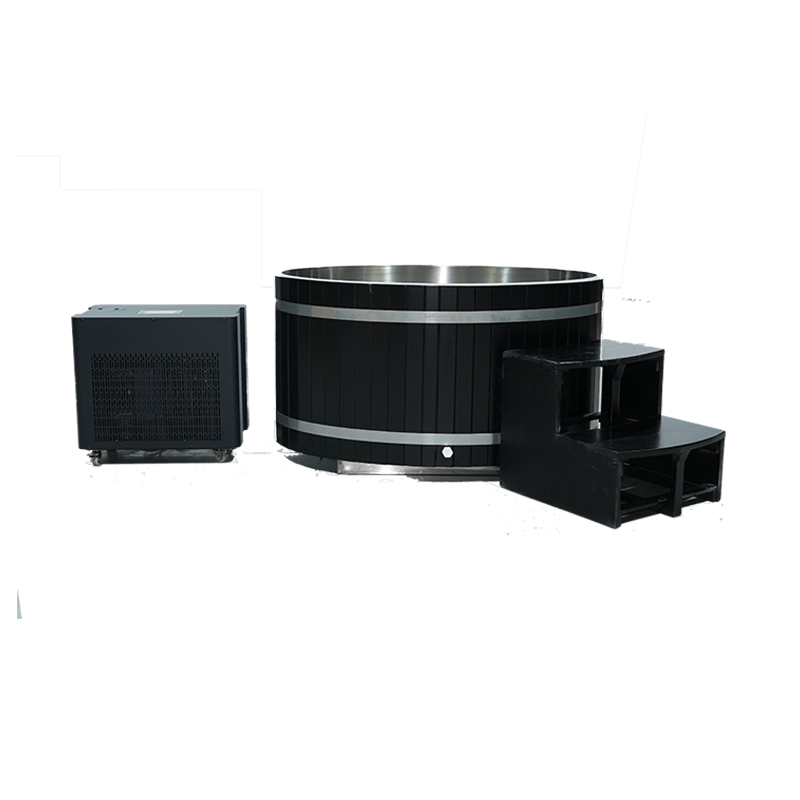
- Smartmak has been in the wellness manufacturing business for two decades, working with distributors, spas, resorts, gyms, and recovery centers. They focus on scalable production, robust quality control, and support for international projects with real after-sales follow-through.
- For B2B buyers, that kind of long-term partnership often matters just as much as the cold plunge tub itself. Worth checking out their range at Smartmak.
Conclusion: Consistency, Not Extremes, is the way to Embrace the Chill.
The real point of cold plunging: It’s not about showing off or “toughing it out”. Cold plunging is a skill. You build it slowly, with steady progress and gear you can trust.
If you’re just starting out, focus on three things: safety first, steady breathing, and consistency.
Don’t worry about records or pushing limits. You’re not trying to “survive” the cold; you’re learning to work with it. Each session should help you build comfort and control over time, not test how far you can go in a single attempt.
FAQ
What’s the right way to cold plunge?
Relax, breathe slowly, and stay tuned in to your body. Do not ignore stuff like, feelING numbness, confusion, or trouble while you are breathing, in case of any such issue get out right away.
Morning or evening – when’s best?
It totally depends on your personal choice. Morning gives you a jolt to start the day. Evening can help you wind down. Try both and see what feels better.
Is there anything with cold plunging that can aid you in recovery after exercising?
Yes, indeed, plenty of sports enthusiasts apply it to bind their sore and inflamed muscles after hard workouts. They especially do it after a thorough warm-up.
What do you do after a cold plunge?
After a cold plunge, dry off, put on warm clothes, and move around. Skip the hot shower right away, let your body warm up first, then use warm water or a sauna.
Minimum temp for beginners?
Minimum temperature for the ones starting out is 50-55°F. If you go below it it is too much to ask from your body. Start at 55-60°F and then go down.