Introduction: Is Colder Always Better?
Everybody says they want “ice bath cold.” Until they actually get in. Then it’s flailing, panic-breathing, and an early exit that looks a lot like defeat.
Here’s the quiet truth most wellness facilities have already learned the hard way: extreme cold is a great marketing hook and a mediocre long-term program. The outcomes people chase—better stress tolerance, a cleaner “reset,” consistent recovery—tend to show up when users can repeat the practice without dreading it. And that pushes you toward temperatures that are still meaningfully cold, just not punishing.
So 65°F (18°C) keeps popping up. Not because it’s “soft.” Because it’s usable—especially for mixed crowds (spa guests, hotel members, office-athletes, newbies who saw one podcast clip and got brave). It’s a practical middle setting: enough cold to feel it, not so much that half your users vanish after Day 1.
Understanding the Cold Plunge Temperature Spectrum
What Qualifies as a Cold Plunge?
“Cold plunge” is a sloppy label. People use it to describe everything from “my tap water is chilly” to “I’m auditioning for an Arctic survival documentary.”
A useful way to slice it:
- Extreme cold exposure (below 50°F / 10°C):high intensity, high drama, usually reserved for experienced users who already know how their body reacts.
- Traditional recovery range (50–59°F / 10–15°C):the zone that shows up a lot in post-exercise recovery research and sports settings—cold enough to bite, manageable in short doses.
- Moderate cold exposure (60–68°F / 16–20°C):still cold, but more “program-friendly” for wellness facilities trying to serve normal humans, not just cold-exposure hobbyists.
And yes, there’s also the “ice bath” vibe (bags of ice, questionable thermometer, someone yelling “three minutes!” like it’s boot camp). Facilities usually don’t want that chaos.
Why Temperature Perception Matters
Measured temperature is only half the story. The experience of cold gets pushed around by the room, the season, and the person.
- Environment:warm humid air can make 65°F feel less vicious; cold air + wet skin can make the same tub feel sharper the second you stand up.
- Individual factors:body composition, acclimation, age, sleep, stress—your nervous system doesn’t ask permission before it reacts.
- Compliance:if the first plunge feels like getting tackled by a refrigerator, people start “forgetting” to come back. And consistency beats heroics most days.
Also worth saying out loud: sudden cold immersion can trigger an intense cold-shock breathing response (gasping, rapid breathing). That’s a safety issue in the wild—and it’s a comfort issue in a facility.

Why 65°F May Be an Effective Wellness Temperature
Lower Entry Barrier for New Users
65°F doesn’t remove the “whoa.” It just turns the volume down.
Cold shock tends to peak for many unaccustomed people somewhere around the 50–60°F (10–15°C) band—where breathing can get messy fast. Bumping the setpoint up to 65°F often means less panic-breathing and more actual control, which is the whole point if you’re teaching relaxation under stress.
Two beginner wins show up immediately:
- Easier breathing control:fewer frantic gasps, more ability to settle into slow nasal breathing.
- Confidence:people finish the session instead of bailing at 20 seconds, embarrassed and shivering on your nice spa floor.
And once someone can finish, they can repeat. That’s when the practice becomes a habit instead of a stunt.
Supports Everyday Wellness Goals
Most facility users aren’t training for a podium. They’re trying to feel normal again.
A moderate plunge works as a controlled stressor—your body gets a sympathetic “spike” at entry (heart rate, blood pressure, stress hormones), then many people report a calmer “after” as they warm back up. The entry reaction is real physiology, not just mindset.
At 65°F, you can frame it as:
- Stress management:a short, voluntary discomfort that makes meetings and traffic feel less like personal attacks.
- Mental reset:a clean interruption—no phone, no scrolling, just breath and sensation.
- Routine recovery:for active people who want something they can do often, without needing a pep talk and a countdown timer.
Not magic. Just repeatable.
Broad Accessibility Across User Groups
Wellness facilities live and die on mixed populations. One person wants “athlete-grade,” the next person just got out of a massage and doesn’t want to see their ancestors.
65°F plays well across:
- Wellness enthusiasts:enough intensity to feel “real,” without scaring them off.
- Hospitality and spa guests:approachable—so it doesn’t become the weird torture tub in the corner that only two members use.
- Staff coaching:easier for employees to guide sessions when guests aren’t instantly hyperventilating.
If your business model depends on repeat visits, “approachable cold” is not a compromise. It’s the plan.
When Lower Temperatures May Be Appropriate
Different Goals Require Different Protocols
If the goal is performance recovery, colder can make sense—because the user is tolerating discomfort for a narrow purpose, not for a lifestyle badge.
A lot of post-exercise recovery research lands in that 10–15°C (50–59°F) neighborhood for soreness outcomes, with protocols often staying relatively short. That doesn’t mean colder is always better; it means there’s a reason teams and labs keep returning to that range.
Lower temperatures also fit:
- Competitive athletestesting what helps them feel ready tomorrow.
- Advanced cold-exposure practitionerswho have built tolerance and actually enjoy the edge.
Risks of Chasing Extreme Cold
The biggest risk is boring and predictable: people quit.
- Reduced adherence:brutal sessions lead to long gaps, and long gaps erase the adaptation you thought you were building.
- Bad first experience:one panic-filled plunge can turn “I’m curious” into “never again.”
- The “more is better” trap:intensity is seductive. Consistency is effective.
Also, cold immersion isn’t risk-free—especially for anyone with cardiovascular disease or rhythm issues. That’s not internet paranoia; it’s basic “don’t mess with sympathetic spikes if your heart already has a history” common sense, echoed by major medical voices.

Why Temperature Precision Matters for Wellness Facilities and Recovery Businesses
Consistency Is Critical for User Experience
Facilities don’t sell “cold water.” They sell a repeatable protocol.
If your tub drifts from 65°F in the morning to 58°F at peak traffic, you didn’t create a program—you created a roulette wheel. And users notice. They might not say it politely, but they’ll feel it.
In controlled immersion research, water temperature is often held tightly (down to about half a degree Celsius in some setups) because small differences change the experience and the stress load. That’s the point: precision isn’t nerd behavior, it’s quality control.
So you get:
- Standardized sessionsacross days and locations
- Cleaner progress tracking(“Did 4 minutes feel easier, or was the water just warmer?”)
- Better guest confidence(people relax when they trust the environment)
What Commercial Buyers Should Look for in a Cold Plunge System
If you’re buying for shared use, you’re not shopping for vibes. You’re shopping for operations.
Non-negotiables:
- Accurate temperature control:not “it feels cold,” but “it holds 65°F all day.”
- Filtration + hygiene:shared water demands real sanitation thinking, not wishful thinking. (Hair, oils, lotions, sweat—welcome to reality.)
- Operational efficiency:easy draining, easy cleaning access, predictable maintenance—because nobody wants a staff member wrestling hoses during peak hours.
How Smartmak Supports Professional Cold Therapy Environments
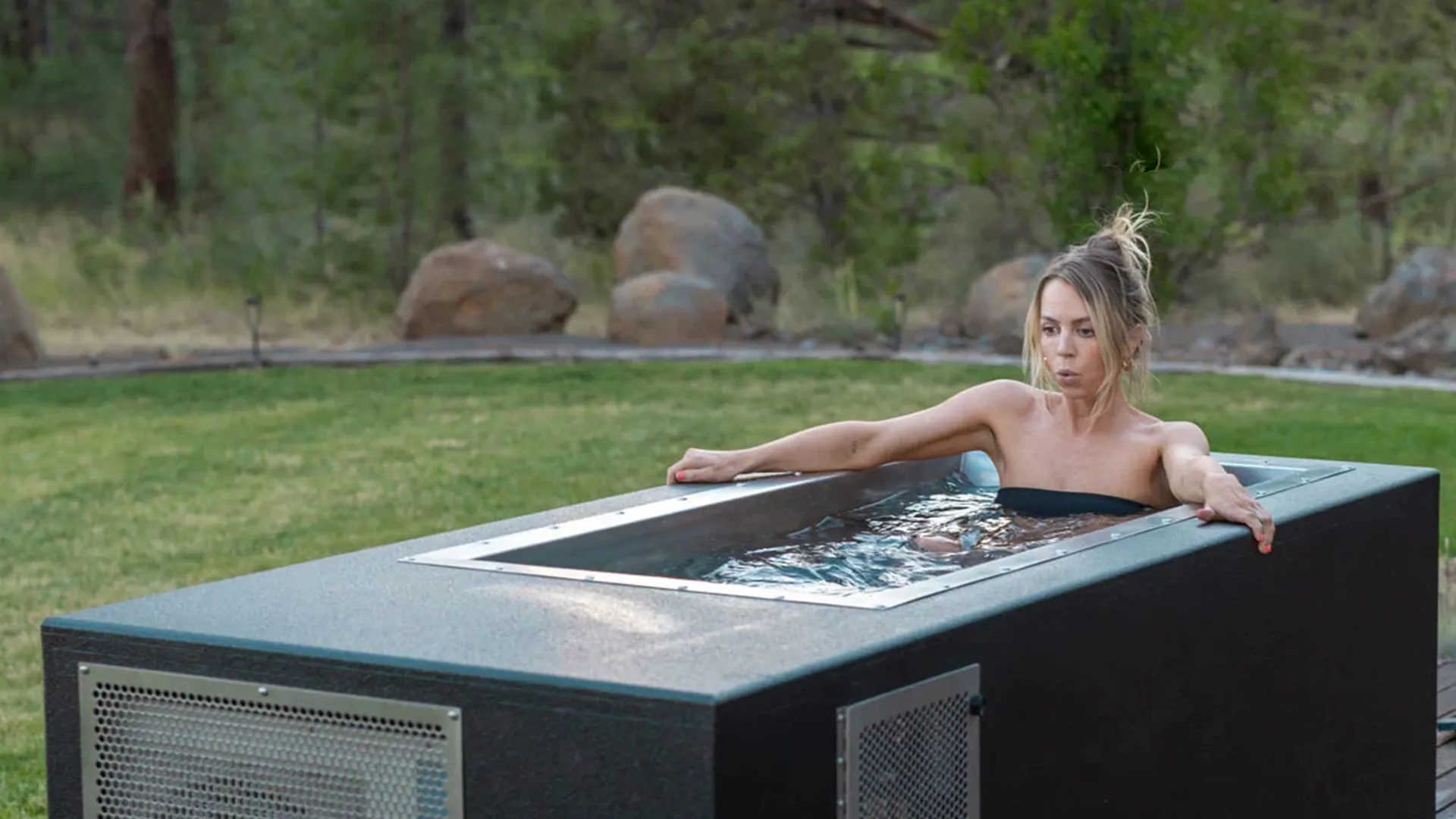
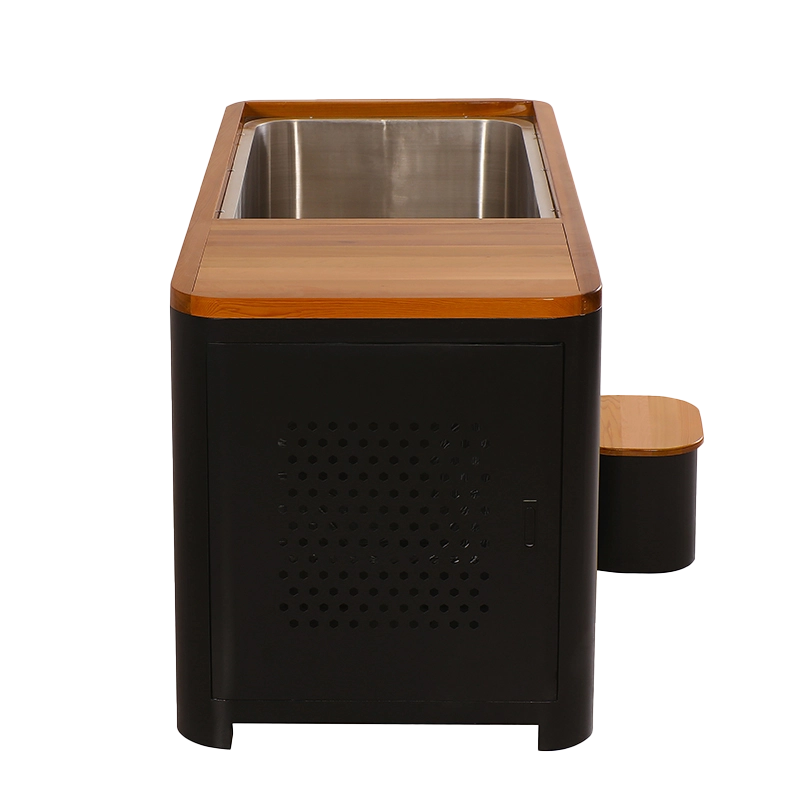
Smartmak positions its cold plunge line for commercial and hospitality settings—spas, wellness centers, fitness clubs, hotels—leaning hard on “precision-engineered cooling,” certifications, and scalable OEM/wholesale production. That’s the pitch.
If you’re considering Smartmak for a facility build-out, the smart move is simple: map their claims to your checklist.
- Stable temperature performance:can it actually hold a setpoint under heavy use, door openings, warm rooms, and back-to-back sessions?
- Filtration options:what’s included, what’s optional, and what’s required for your local health expectations? (Don’t guess. Verify.)
- Supply and scaling:if you’re a distributor or developer, lead times and support matter as much as the tub body material.
Buying “cold” is easy. Running a cold-plunge program that doesn’t melt into complaints and maintenance headaches—that’s the real job.
Conclusion: The Best Cold Plunge Temperature Is the One People Will Actually Use
Extremely cold water gets attention. Moderate cold gets reps.
For a lot of wellness users, 65°F (18°C) hits the sweet spot: noticeable physiological stress without the instant regret. And for facilities, it’s a practical standard—repeatable, coachable, and less likely to turn your recovery area into a bravado contest.
Chase consistency. Chase safety. Chase a temperature your members won’t dodge after week one.
FAQ
Is 65°F cold enough for a cold plunge?
Yes—most people will still feel a strong “cold hit,” just without the same breath-stealing shock you see closer to 50–60°F for the unaccustomed.
How cold is a cold plunge compared to an ice bath?
“Ice bath” usually implies colder and rougher (often near or below ~50–59°F / 10–15°C). A 65°F plunge is milder and typically easier to repeat.
Do colder temperatures provide more wellness benefits?
Not automatically. Colder increases intensity and risk. Research doesn’t even agree on a single “best” temperature for general wellness, and consistency often gets ignored in the macho temperature race.
How long should I stay in a 65°F cold plunge?
Start short—think 1–3 minutes—then build if you feel steady (no dizziness, no panic breathing). Many safety-oriented guides keep sessions brief, especially for beginners.
What happens to the body during a moderate-temperature cold plunge?
You get rapid skin cooling, vasoconstriction, and a stress-response bump at entry; breathing can still spike, just usually less violently than colder water. Then comes the warm-back-up phase people love.