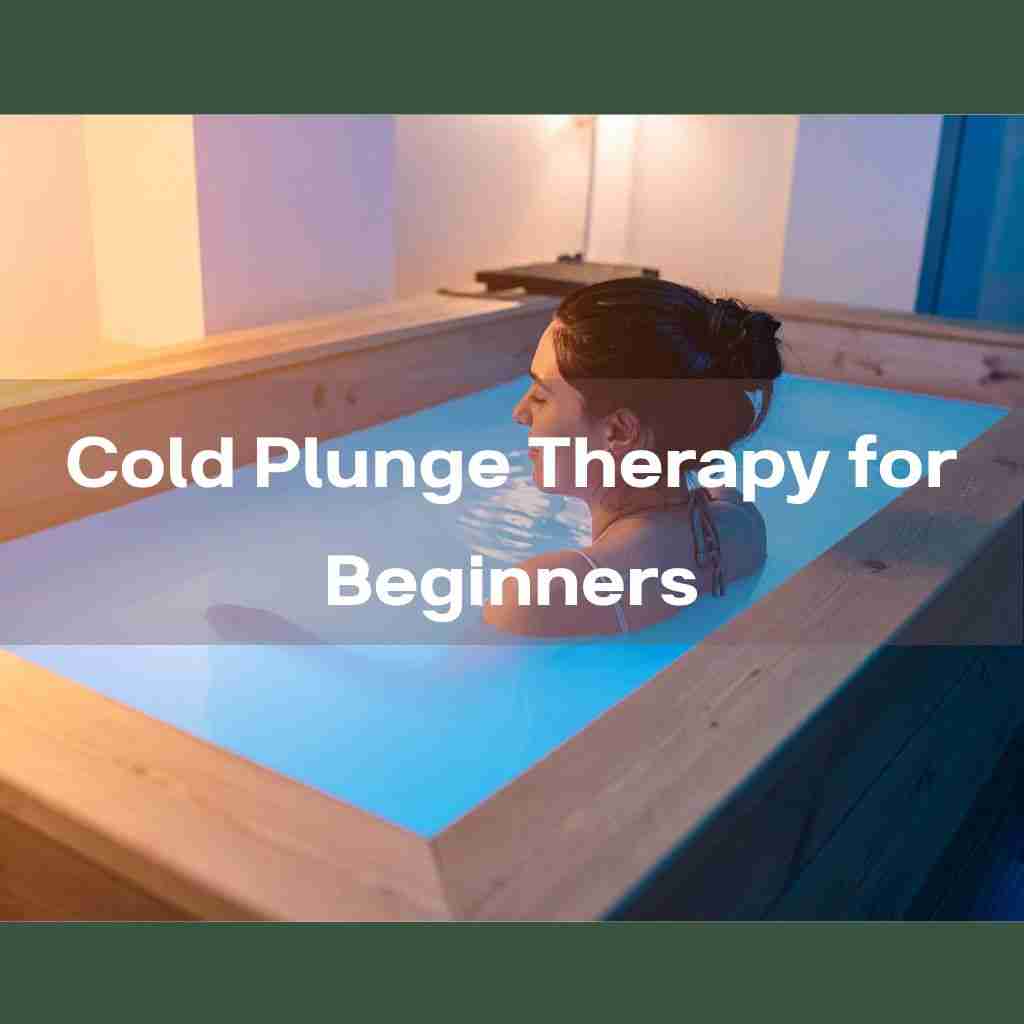
Cold plunge therapy has become increasingly popular in recent years as more people incorporate it into their wellness and recovery routines. While stepping into cold water can feel intense at first, many people find that, when done correctly, it turns into a practice they genuinely enjoy and look forward to. If you’re curious about it, you’re certainly not alone.
Cold plunge therapy is a practice in which you sit in cold water for a short period. You step in, focus on your breathing, stay for a short time, and then step out. That’s it—simple and direct.
Many beginners think the goal is to suffer as long as possible. It is not. You aim to create a habit that is safe and reproducible for you that you can do week after week. Many people begin extremely cold and end up staying in too long or going too hard too quickly.
These mistakes lead to poor experiences and give up before the practice has a chance to work. This guide helps you avoid all of that.
A clear framework makes cold plunging much easier to stick with. Focus on five key areas: temperature, time, frequency, preparation, and progression. Getting these right helps you build a sustainable routine that feels more manageable at first and becomes increasingly enjoyable over time.
Start with a Minimum Effective Dose
Chasing extremes from day one is the most common mistake for beginners. Cold water feels far more intense than it looks from outside. A short session at a moderate temperature is already very effective. Early on, you do not have to go colder or longer to achieve results.
Choose a Beginner-Friendly Cold Plunge Temperature
- Begin around 50 to 59 degrees F (10 to 15 degrees C)if you are completely new to cold exposure.
- This range is cold enough to trigger real benefits without putting dangerous stress on your body
- Your blood vessels, breathing and heart rate all respond meaningfully at this temperature
- Reserve colder ranges below 50 degrees F or 10 degrees C for later when your body has adapted
Keep Sessions Short and Predictable
- Start with 30 to 90 secondsper session and do not try to push beyond that early on
- Gradually work toward 2 to 3 minutes over several weeks as your comfort builds
- Always use a timer because beginners often underestimate how intense first minute feels
Focus on Calm Breathing
- Enter water slowly and take control of your initial gasp reflex right away
- Breathe slowly and steadily throughout the session
- If you feel dizzy, panicky, numb or unusually distressed, exit the session right away.
Build a Weekly Routine You Can Sustain
Intensity is less important in the beginning than consistency. Two to three times a week with a routine is much more beneficial than one extreme session. Your body adjusts slowly, and every day session gets easier as the weeks go by.
Begin with 2 to 3 Sessions Per Week
- Space sessions out across the week,such as Monday, Wednesday, and Saturday
- This spacing gives your body time to recover and lets you notice how each session affects your energy and sleep
- Avoid daily plunging in the first one to two weeks unless you already have cold exposure experience
Use Simple Progression Rules
- Increase only one variable at a time, that can becolder water, longer duration or higher frequency
- Never increase all three at once because your body needs time to catch up
- Hold each new level for several sessions before pushing forward again

Track Three Signals After Each Session
- Perceived difficulty: Was it easy, moderate, or hard
- Recovery quality: Assess your energy level, sleep quality, and general muscle soreness for the next full day.
- Desire to repeat: would you want to do this again tomorrow? This is your sustainability check
Prepare, Recover, and Avoid Common Beginner Mistakes
What you do before and after each plunge matters just as much as the plunge itself. A few simple habits during your setup and cool-down make a real difference in safety and results.
Before the Plunge
- Do not plunge right after drinking alcohol, eating a large meal,or being severely dehydrated
- Remove any slip hazards near plunge area and make sure the surface is stable
- Have a dry towel and warm clothing already laid out before you step in
- If this is your very first time, do not plunge alone
After the Plunge
- Warm up gradually using dry clothes, light walking and normal room temperature rather than extreme heat
- Avoid jumping straight into very hot shower or sauna right after short plunge until you understand how your body responds
- Drink water and rest for few minutes to let your heart rate settle naturally
Mistakes to Avoid
- Starting below 45 degrees F or 7 degrees Con your very first session is dangerous and unnecessary
- Staying in as long as possible instead of following a clear timed plan
- Ignoring warning signs like numbness, dizziness, chest pain or unusual shortness of breath
- Using cold plunge therapyto push through poor sleep or overtraining without fixing the actual problem
Choosing a Cold Plunge System: What Facilities and Operators Should Evaluate
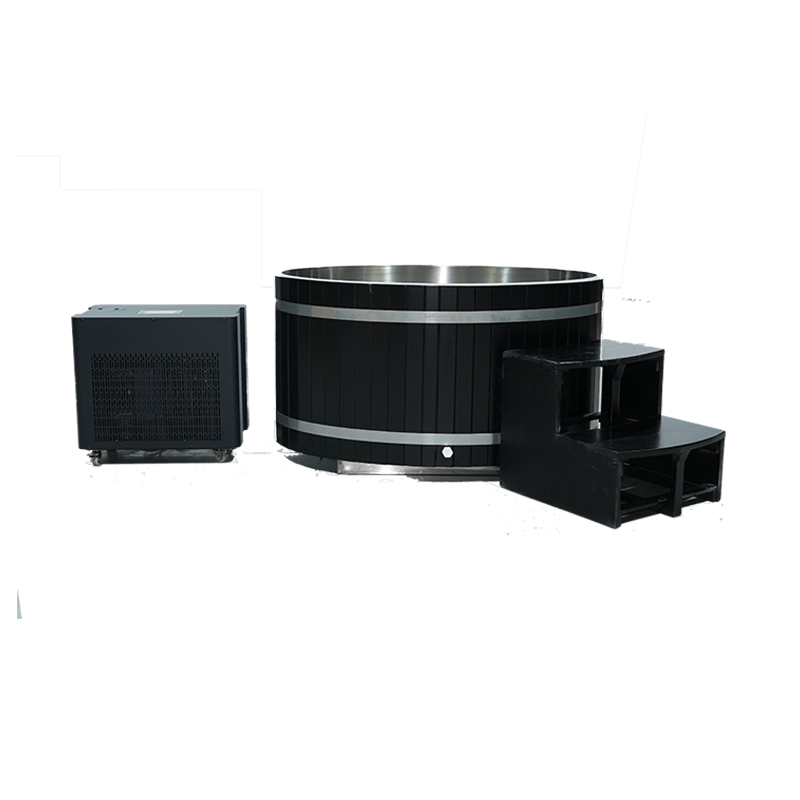
Your cold plunge setup needs to work reliably every single day If you run a gym, spa, hotel or wellness studio. Right system saves time, reduces maintenance cost and keeps all users safe.
Operational Priorities Matter More Than Novelty Features
- Look for stable temperature control with accurate and easyto read readouts
- Water circulation and filtration must support clean and repeatable hygiene protocols for multiple users
- Drainage and cleaning access are essential for any commercial or multiuser environment
- Check energy consumption, duty cycle and expected maintenance intervals before committing to a purchase
Why Suppliers Are Evaluated on Support Not Just Hardware
- For gyms, spas and distributors, strong aftersales support directly affects how much uptime you can guarantee
- Look for solid onboarding documentation, spare parts availability and a clear warranty process
- Standardized operating procedures for temperature checks and cleaning schedules reduce staff training time and human error
Where Smartmak Fits In
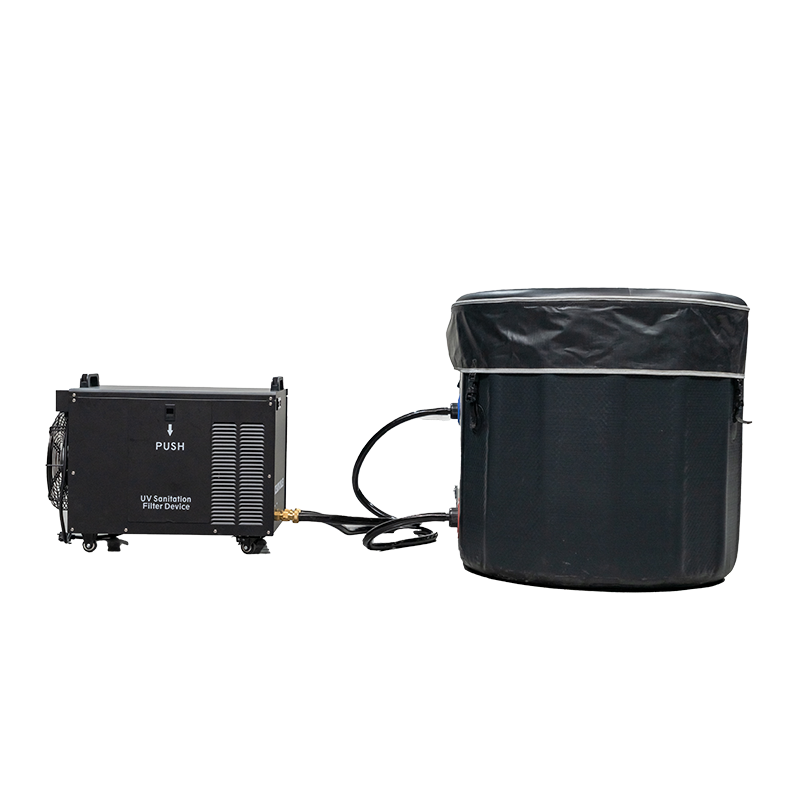
Smartmak is a manufacturer with proven experience supplying wellness equipment across multiple markets. For distributors, hospitality projects, recovery studios and commercial wellness operators, that track record matters.
Smartmak Cold Plunge solutions are focused on B2B buyer’s needs such as manufacturing consistency between batches, clear technical documentation, packaging for international delivery and post installation support to ensure operations. Reliable delivery, proper documentation, and responsive after-sales support are harder to find, and that is where Smartmak stands out.
For any distributor or facility operator evaluating suppliers, Smartmak offers dependable performance before and after the sale.
A Simple 30-Day Beginner Plan
This is a simple structure to begin this week. Keep it simple. Stay consistent. Success accumulates gently and unobtrusively, even when things are going well during a session.
- Weeks 1 and 2: 50 to 59 degrees F (10 to 15 degrees C), 30 to 90 seconds per session, 2 to 3 sessions per week
- Weeks 3 and 4: 90 to 180 seconds per session, 3 sessions per week, and recovery still feels good.
- After 30 days: Make a decision if you want to increase the temperature, duration, or frequency, but only change one variable at a time.
Cold plunge therapy is most effective for beginners when it is repeatable, measurable, and safe. If the small steps are repeated over time, this will always be better than a big push followed by a long rest.
FAQ
What is the optimum cold plunge temperature for a beginner?
Start somewhere between 50 and 59°F (10 and 15°C). Not too cold to feel comfortable but not too cold to be hazardous. Avoid anything below 45°F until you become accustomed to the practice during the next few weeks.
How many minutes should a beginner plunge for in a cold plunge?
When you are just beginning, it is quite enough for about 30 to 90 seconds. Always use a timer, as cold water will seem a very different length of time. After a few sessions, you should be comfortable with this and gradually work up to 2-3 minutes.
What is the recommended number of times per week for cold plunging?
2-3 times per week is a good starting point. Take breaks in between to observe how your body responds. Avoid going through the day too fast during the first few weeks. It’s better to be consistent than to show up every day.
Should you cold plunge before or after workouts?
Most beginners benefit from exercise. It supports muscle recovery and can alleviate muscle soreness. Don’t dive before exercising; it might temporarily slow the muscles.
Does cold plunging aid in muscle soreness and recovery?
It can. People report less soreness after strenuous exercise when they cold plunge regularly. Just remember, it’s best when you are sleeping well and eating well. It’s a good complement of training, not a cure for overtraining.