Introduction
Getting into very hot water and then jumping into very cold water might sound like a bit of a rollercoaster for your body. But it is actually one of the most powerful ways to help your brain feel calm and strong.
This special practice is called contrast therapy. While many people use it to fix sore muscles after sports it is becoming even more famous for how it helps our mental health and helps us handle stress much better.
To get the real benefits you have to understand how the heat and cold work together to train your brain.
What Does Contrast Therapy Mean?
For some contrast therapy is getting hot and cold. But actually it is much deeper. It is a way to influence both your body and your mind at the same time. Beyond just physical recovery it plays a huge role in helping people balance their moods and build what experts call mental resilience.
This means your brain gets better at staying calm even when things get tough. For wellness professionals and people running gyms understanding these mental mechanisms is the key to helping people feel their best.
What Is Contrast Therapy From a Mental Health Perspective
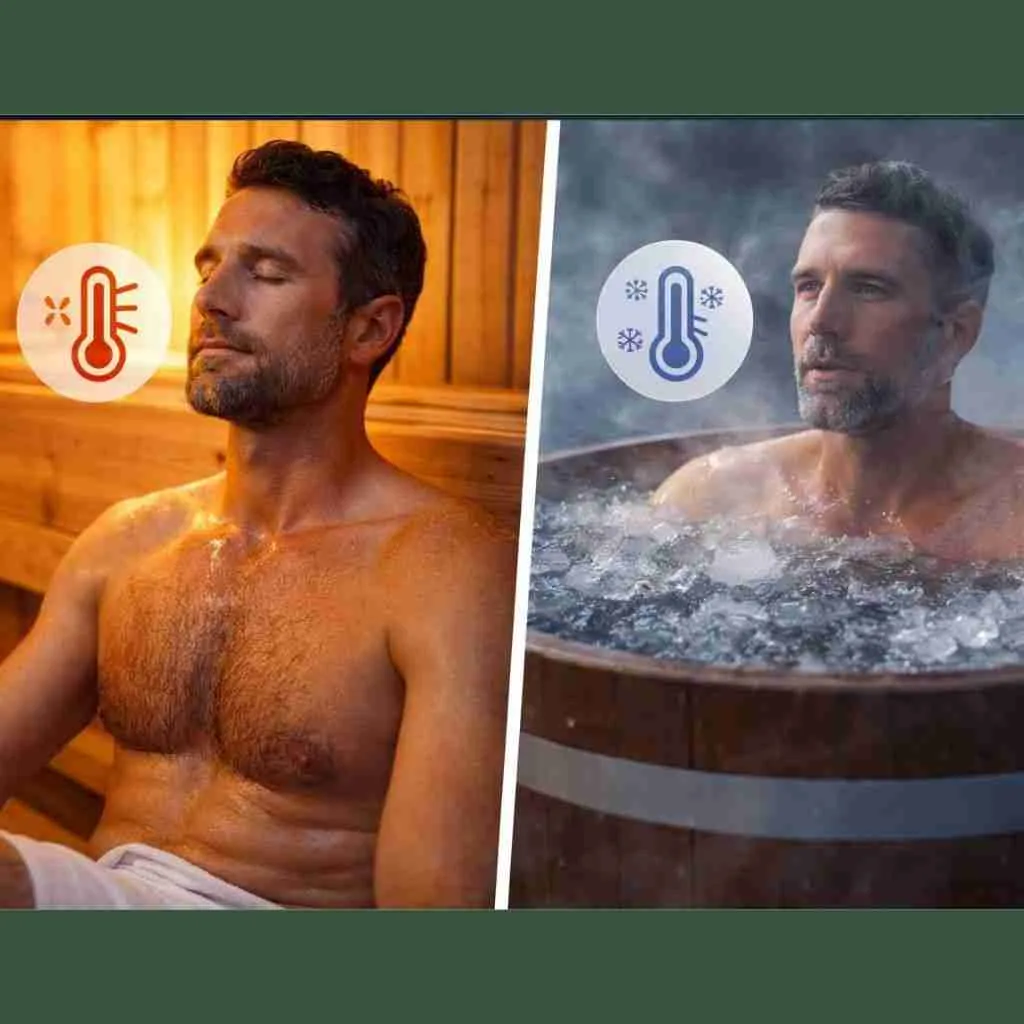
At its core contrast therapy is about controlled stress. You are choosing to put your body in a hot place and then a cold place on purpose. It is alternating between heat and cold as controlled stress exposure.
When you switch between a warm sauna and a cold plunge you are training your nervous system to adapt. It is like taking your brain to the gym. By doing this in a safe way you teach your body that it can handle big shifts without panicking.
You must now be wondering how temperature contrast affects the nervous system? Our bodies have two main modes.
The heat exposure encourages the parasympathetic mode. This is the part of your body that helps you relax and digest food. Cold exposure triggers the sympathetic mode. This is the alert part of your body.
By switching between these you are learning how to turn these modes on and off. This in turn helps you stay balanced throughout the day.
The benefits of this practice depends on consistency and control. This means if you just jump into random cold water it might just make you feel stressed.
But when you use a structured system with a steady temperature it produces resilience. Predictable protocols are much better for your mental health than sudden shocks that you cannot control.

Psychological Benefits of Contrast Therapy
The science behind this therapy shows that it does more than just wake you up. It actually changes the chemicals in your brain.
Stress Tolerance and Emotional Regulation
When you sit in a cold plunge your brain wants to tell you to get out. By staying calm and breathing through the chill you are improving your stress coping capacity.
Over time this reduces your emotional reactivity. This means when something stressful happens at work or school you do not get as upset as you used to.
Mood Elevation and Motivation Support
Cold exposure is amazing for your mood. It stimulates the release of dopamine and norepinephrine. These are chemicals that make you feel happy and focused.
In fact a study explains that cold water can increase dopamine levels by a huge amount for several hours. At the same time the heat supports your serotonin balance. This helps you feel relaxed and satisfied.
Mental Clarity and Focus Improvement
Temperature contrast enhances your cognitive alertness. Most people find that after a session they do not feel jittery. Instead they have a very calm focus. It is like hitting a reset button for your brain.
Why Cold Exposure Plays a Critical Role in Mental Resilience
The heat is nice. But the cold is where the real mental training happens.
Cold Immersion as a Neurological Training Tool
The cold teaches you mind-body awareness. You have to focus on your breath to keep your heart rate down. According to the American Heart Association, managing this cold shock is a great way to understand how your heart and lungs work under pressure.
Importance of Precise Temperature Control
If the water is too cold it can actually increase your anxiety. This is because it feels like too much of a threat. This is why having a stable temperature is so important for psychological safety.
You need to know that the water is at a safe level so your brain can relax into the challenge.
Consistency Over Intensity
You do not need to stay in for a long time. Additionally you do not need to use freezing ice to get the mental benefits.
Short repeatable sessions are much better than one extreme session that scares you away from doing it again.
Contrast Therapy as a Scalable Mental Wellness System
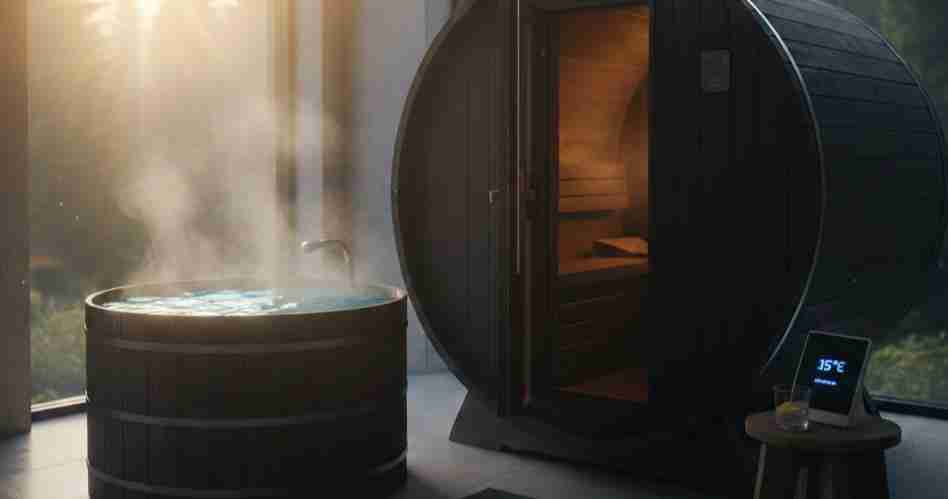
If you want to use contrast therapy for mental health, your equipment must be reliable. A true custom cold plunge—with precise temperature control, consistent chilling, and sensory comfort—is essential. Using bags of ice in a bathtub is not only inconsistent but undermines the psychological safety needed for effective neural training.
Using bags of ice in a bathtub is not very consistent. It can make you lose confidence in the practice. This is because the temperature is always different.
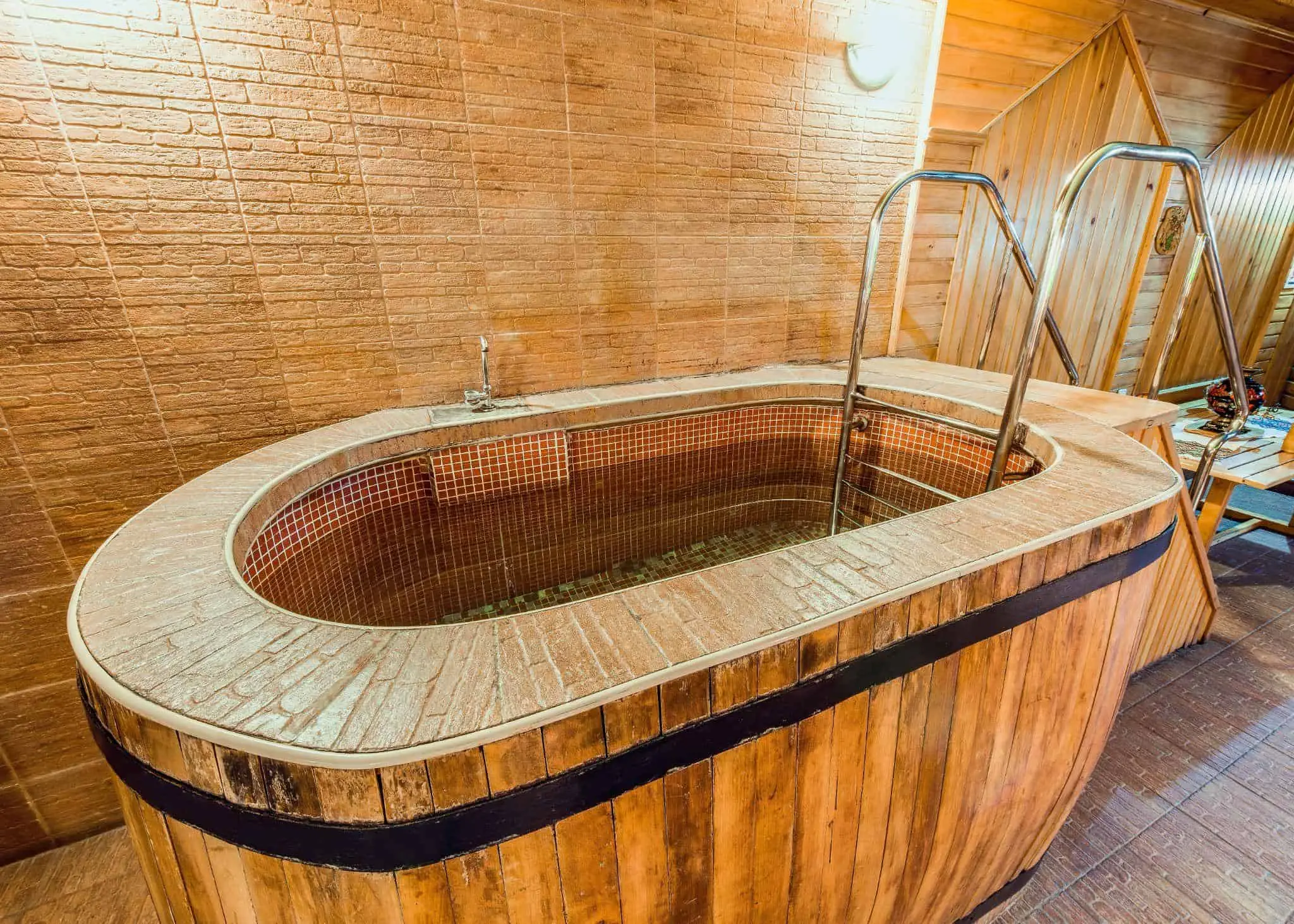
Example: Smartmak 1-Person Wooden Ice Bath Barrel with Chiller
The Smartmak wooden ice bath is a perfect example of a system built for wellness.
- Precise Temperatures:
The integrated chiller ensures the water is exactly where you want it every single time.
- Sensory Comfort:
The wooden barrel design is much more soothing than plastic tanks which reduces sensory stress.
- Compact Format:
It is designed for individual use which is great for guided mental resilience sessions where you want to focus on your own thoughts and breathing.
Value for B2B Wellness Operators
For people who run businesses like gyms or mental wellness studios having a professional system is a must.
- Standardized Protocols:
It allows you to give every customer the same safe experience.
- Reduced Risk:
A high-quality sauna manufacturer or sauna supplier will build systems that are safe and easy to manage which reduces operational variability.
- Wholesale Opportunities:
If you are a sauna supplier looking for a wholesale sauna and cold plunge setup choosing integrated systems helps your clients get better results with less maintenance work.
Conclusion
Contrast therapy is a physical practice—but equally a mental discipline. For those building a home recovery sanctuary, pairing a barrel sauna outdoor with a custom cold plunge creates a powerful, repeatable system that trains both body and mind through controlled thermal stress.The hot and cold feel different on your skin. However, they are working together to build a stronger and more resilient mind.
By choosing a system that focuses on quality and control rather than extremes you can ensure long-term mental health outcomes.
Whether you are doing this at home or at a professional recovery center remember that the goal is balance and consistency.
FAQ
● What is contrast therapy and how does it work?
It is alternating between heat (like a sauna) and cold (like an ice bath) to help your nervous system and blood circulation.
● Can contrast therapy help reduce anxiety?
Yes. By practicing staying calm in the cold you train your brain to handle stress better in real life.
● Does alternating hot and cold improve mood?
Yes. It releases happy chemicals like dopamine and serotonin. These can last for hours.
● How often should you do contrast therapy for mental benefits?
Many people find doing it 2 to 3 times a week is great. However, even once a week can help you feel more balanced.
● Is contrast therapy safe for beginners?
Yes sure. But beginners should start with milder cold and heat. They should always have someone nearby to help if they feel too overwhelmed.