Introduction
People talk about saunas like they’re a magic eraser for “inflammation.” They’re not. Heat is stress—controlled stress—and your body answers it with a whole chain of circulation changes, immune signals, and (sometimes) a real feeling of “my joints finally shut up for an hour.”
The best human evidence we have is a mix: short-term studies (what happens right after a session) and long-term observational data (what habitual sauna users look like over years). In Finnish cohort research, frequent sauna bathing shows an association with lower inflammatory markers like hsCRP, but association isn’t a guarantee of cause—sauna people can also be the “I sleep, I walk, I don’t live on drive-thru” people.
Still, if you care about recovery—training stress, nagging joint stiffness, the general modern-life grind—sauna use is one of the few “feel-good” tools that has plausible biology behind it.
How Inflammation Works in the Human Body
How inflammation works in the human body: it’s the cleanup crew. Acute inflammation is your immune system showing up fast after injury or infection—fluid, immune cells, signaling molecules—so you can heal and move on. Chronic inflammation is what happens when those signals never really turn off, and your body stays in a low-grade simmer.
One reason this gets messy is that “inflammation” is both a process and a bunch of measurable proxies. A common one is C-reactive protein (CRP/hsCRP), made by the liver and used clinically as a marker of systemic inflammation. It doesn’t tell you why you’re inflamed, but it tells you something’s going on.
Common causes of long-term inflammation tend to be boring and relentless:
- Extra body fat (especially visceral fat):obesity is tied to body-wide inflammatory activity through immune signaling in adipose tissue.
- Bad sleep:sleep deprivation is linked with higher inflammation markers and may help explain higher cardiometabolic risk in poor sleepers.
- Repeated physical strain:hard training, repetitive work, or just never letting sore tissue calm down.
And that’s why recovery strategies matter. If you’re stacking workouts, stress, and short sleep—then wondering why everything aches—heat therapy can be one piece of the “stop poking the bruise” plan. (Not the whole plan.)
How Sauna Heat May Influence Inflammatory Responses
Improved circulation and oxygen delivery. Heat exposure dilates blood vessels, shunts more blood toward the skin, and pushes heart rate up—often into “brisk walking” territory. Harvard’s write-up describes the pulse jumping and the big shift in blood flow during a sauna. An older physiological review breaks down the same story: skin circulation rises a lot, visceral blood flow drops, and cardiac output climbs to keep you stable.
Does that directly “remove inflammation”? Not like you’re draining a bathtub. But better blood flow can support recovery basics: nutrient delivery, clearing some metabolic byproducts, and loosening tissue that’s been clamped down all day.
Activation of heat shock proteins. Heat shock proteins (HSPs) are cellular “repair crew” proteins—molecular chaperones that help other proteins keep their shape under stress and recover afterward. There’s human sauna research showing immune and stress-response changes (including HSP70 measurement) across a series of sauna sessions, not just one heroic sweat-fest.
And here’s the part people miss: an acute heat session can temporarily bump certain cytokines. For example, a crossover study in older adults found IL‑6 and IL‑1RA increased after Finnish sauna exposure, while CRP didn’t budge acutely. That doesn’t “prove” anti-inflammatory effects on day one—it shows the immune system is responding to heat stress in real time.
Muscle relaxation and recovery. Heat reduces stiffness because it changes nerve signaling, increases tissue temperature, and makes it easier to relax—simple as that. Less muscle guarding often means less localized irritation around joints and tendons. It’s not curing the underlying driver of chronic inflammation, but it can make movement feel normal again, which matters because movement is how many people climb out of the pain spiral.

Practical Ways to Use Sauna for Recovery and Inflammation Support
Moderate sessions beat “survival mode” sessions. If you’re chasing inflammation support, the goal isn’t to see how long you can suffer. General safety guidance from Harvard is blunt: keep sessions around 15–20 minutes, cool down gradually, and rehydrate afterward (they even suggest two to four glasses of water after).
Gradual adaptation works. Your first week should feel easy. Then you build. Heat tolerance changes with repeat exposure—your body gets better at moving blood, sweating, and staying stable. That’s not motivational poster talk; it’s basic adaptation.
Combining sauna with hydration and rest. Hydration isn’t optional. Sauna heat can drop blood pressure in some people, and dehydration makes dizziness way more likely. Drink before, drink after, and don’t use a sauna to “sweat out” last night’s alcohol—Harvard specifically warns against alcohol around sauna use.
Recovery protocols often include sauna after physical activity. Fine—but don’t be sloppy. If you finish a hard workout already wrung out, jumping straight into high heat is how people face-plant. Give yourself a few minutes, sip water, then go in.
Individual factors affecting results. Age, fitness, meds, blood pressure, and heat tolerance change the outcome. Also, not everyone tolerates traditional high-heat rooms well. Infrared tends to run at lower air temperatures—Smartmak’s own guidance puts many sessions in the 110°F–130°F range, with higher settings possible but often uncomfortable for extended use.
Infrared vs traditional: evidence is uneven. Most of the big long-term cohort work is traditional Finnish sauna. But for recovery studies, far-infrared and traditional saunas can produce different cardiovascular strain—one trial in men showed higher heart rate after traditional vs far-infrared under their test conditions. So the “feel” and the physiological hit can differ.
Sauna Solutions for Recovery-Oriented Wellness Spaces (Smartmak Integration)
If you run a gym, spa, or recovery studio, the main “inflammation” problem you’ll face isn’t cytokines—it’s consistency. Uneven heat. Sketchy controls. Panels that run hot in one spot and dead in another. Clients don’t come back for that.
This is where equipment design matters. Stable heat distribution and predictable temperature control aren’t luxuries; they’re what makes your service repeatable day after day.
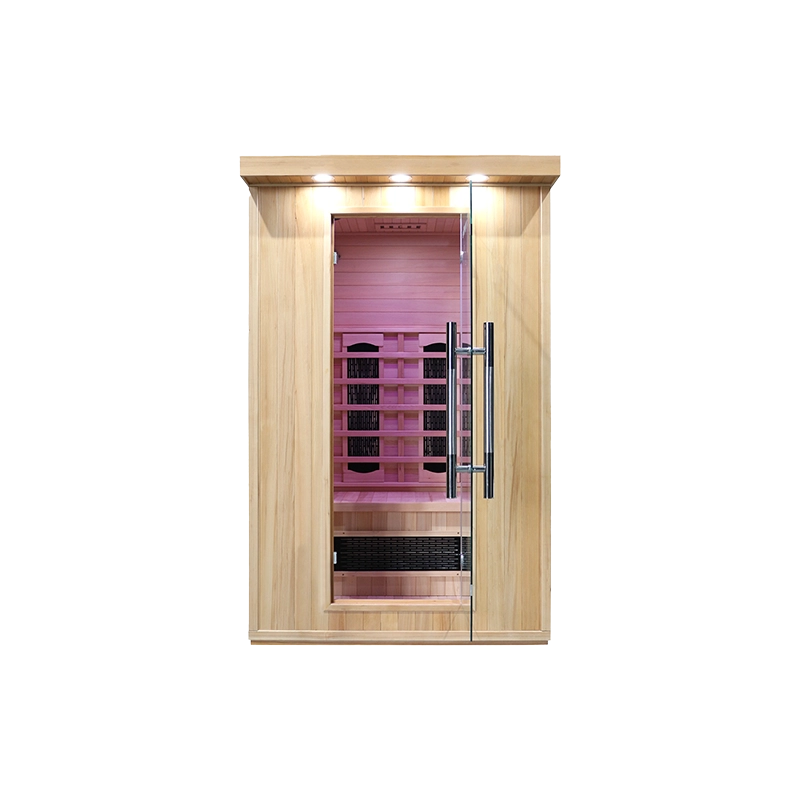
Smartmak’s infrared lineup is built around modular builds and infrared panel heating setups (including carbon panel descriptions on their infrared sauna category pages), plus the usual commercial wish list—material choices, add-ons, and certification claims that matter when you’re installing for real customers. If you’re speccing units, start here: Smartmak Infrared Sauna Manufacturers.
And if you’re doing installations across different footprints (tiny PT studio vs big locker room), the boring but necessary part is customization—dimensions, bench layout, traffic flow, serviceability. Their customization page is the relevant rabbit hole: Smartmak Customization.
Conclusion
Saunas can support inflammation management in a few realistic ways: they change circulation, they trigger heat-stress cellular responses (including heat shock protein pathways), and they loosen tight tissue that keeps joints cranky. That’s the honest case.
But the effect depends on boring consistency: regular use, hydration, and not treating heat like a punishment ritual. Acute sessions can shift cytokines without instantly lowering CRP, while long-term habitual use is where observational research shows lower baseline inflammatory markers like hsCRP.
And in professional wellness environments, the “therapy” is only as good as the box you’re sitting in—reliable heat, safe wiring, predictable controls, easy cleaning. Build it like you plan to keep it running.
FAQ
Do saunas help with inflammation in the body?
Sometimes, over time. Single sessions can shift inflammatory signaling (like IL‑6/IL‑1RA changes) without moving CRP right away, while frequent sauna use is associated with lower hsCRP in long-term cohort data.
Does infrared sauna help with inflammation more than traditional sauna?
“More” isn’t proven. Traditional Finnish sauna has stronger long-term epidemiology behind it. Infrared has smaller clinical and recovery studies plus some condition-specific signals (like arthritis symptom relief), but the evidence base is thinner.
Does infrared sauna help with inflammation more than traditional sauna?
Different angle: infrared often feels easier to stick with because the air temp can be lower (many people sit around 110°F–130°F). Adherence matters—if you’ll actually do infrared consistently, that can beat a traditional sauna you avoid.
Can sauna sessions help with joint inflammation?
They can help with symptoms—stiffness, pain, muscle guarding around a joint. A small infrared sauna pilot in inflammatory arthritis reported improved pain/stiffness without worsening disease activity in that series. Still not a cure.
Is sauna therapy recommended for chronic inflammation?
It can be a useful add-on, not the foundation. If you have uncontrolled hypertension, heart disease, feel ill, or you’re prone to fainting, get medical clearance and follow basic safety rules (time limits, cool-down, hydration, no alcohol).