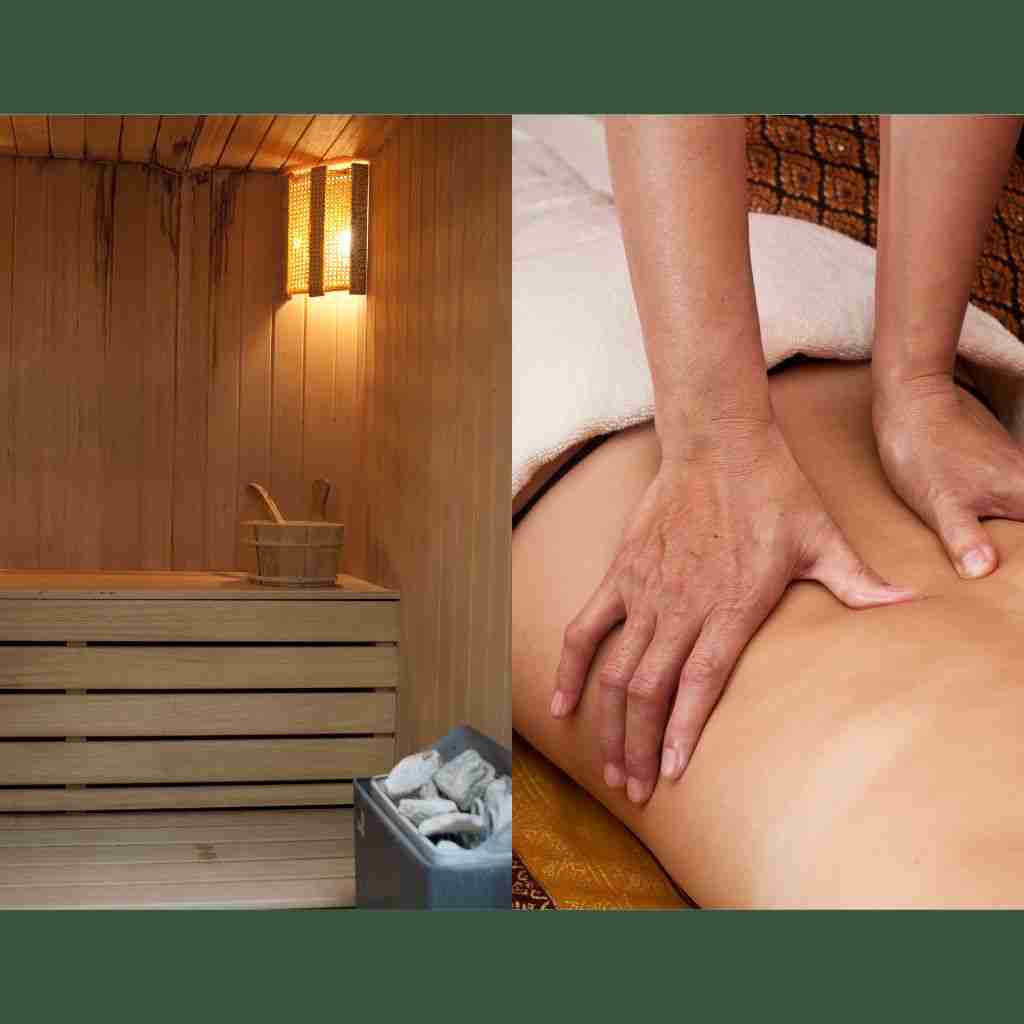
Yes, stepping into a sauna after a strenuous workout is an incredibly effective way to help soothe, repair, and rejuvenate sore muscles. When you subject your body to intense physical exertion, you create microscopic tears in your muscle fibers, leading to the familiar ache and stiffness known as muscle soreness. Heat therapy, particularly through the use of a sauna, serves as a powerful catalyst for the body’s natural healing processes. By elevating your core temperature, a sauna induces widespread vasodilation—the widening of blood vessels—which drastically increases blood flow and circulation throughout your entire body. This surge of oxygen-rich and nutrient-dense blood is delivered directly to the fatigued and damaged muscle tissues, accelerating cellular repair, flushing out metabolic waste products, and significantly reducing inflammation. Ultimately, integrating a sauna session into your post-workout routine not only alleviates immediate muscular discomfort but also fortifies your long-term physical resilience, mobility, and overall well-being.
After an intense workout, the recovery phase is where the actual physiological progress happens. The breakdown of muscle during exercise is only half of the equation; the healing process is what builds strength, endurance, and cardiovascular health. A comprehensive post-workout recovery protocol is multifaceted, encompassing proper hydration, precise nutrition, active mobility work, and the strategic application of heat therapy. If you have ever stood outside a gym sauna, towel in hand, wondering exactly how this wooden, heated room impacts your fitness journey and how long you should stay inside to maximize your gains, you are certainly not alone. The integration of sauna use into athletic recovery is a practice backed by centuries of tradition and modern physiological science. While the exact duration and frequency can fluctuate based on your individual fitness level, heat tolerance, and personal preferences, using the sauna strategically is undeniably one of the most effective, accessible, and enjoyable methods to support muscle recovery. Let us dive deeply into the extensive physical and mental benefits of post-exercise sauna bathing, the physiological mechanisms at play, and exactly how you can tailor this practice to get the absolute most out of your fitness regimen.
1. What Happens to Your Body in a Post-Workout Sauna?
To truly appreciate the value of heat therapy, it is essential to understand the complex biological cascade that occurs the moment you step into a heated sauna environment. Saunas, in various forms, have been utilized by countless cultures across the globe for centuries, highly regarded for their profound healing and restorative properties. When you enter a traditional or infrared sauna, your body is immediately subjected to environmental heat stress. This initiates a fascinating thermoregulatory response designed to keep your internal organs at a safe temperature.
First and foremost, the intense heat from the sauna significantly increases your body’s core and skin temperature. As your brain detects this rapid increase in heat, it triggers your cardiovascular system to work harder. Your heart rate elevates, sometimes reaching levels comparable to a brisk walk or light cardiovascular exercise. This is a crucial component of recovery. Simultaneously, your blood vessels undergo rapid vasodilation. The smooth muscle cells lining your blood vessels relax, causing the vessels to widen and expand. This process dramatically improves systemic circulation without the mechanical stress of joint-pounding exercise.
With this enhanced circulation, your cardiovascular system acts as an expedited delivery service. Copious amounts of oxygen, vital amino acids, glucose, and other essential nutrients are rushed outward from your body’s core directly to your peripheral tissues, including the skeletal muscles that you just exhausted during your workout. This accelerated nutrient delivery is the bedrock of post-workout recovery. The faster and more efficiently your muscles receive the building blocks they need to repair those micro-tears, the faster you will recover, and the less soreness you will experience in the days following your training session.
Furthermore, this physiological response goes beyond mere nutrient delivery. Sweating is your body’s primary cooling mechanism, and in a sauna, your eccrine glands go into overdrive. This profuse sweating promotes an intense, passive detoxification process. As you perspire, your body actively releases accumulated toxins, excess salts, heavy metals, and metabolic impurities that naturally build up during rigorous physical exercise and daily life. As your pores open up in response to the heat, your body literally flushes out cellular waste. Over time, this consistent, heat-induced detoxification can support a much more robust and responsive immune system, improve cardiovascular efficiency, and even lead to noticeably clearer, more radiant skin. This deep, systemic cleansing process leaves you feeling physically lighter, mentally clearer, and deeply refreshed.
2. Why Do Saunas Accelerate Muscle Recovery and Reduce DOMS?
While the immediate sensation of warmth is undeniably comforting, the true power of the sauna lies in its ability to actively combat delayed onset muscle soreness (DOMS) and systemic inflammation. But why exactly does this happen? The answer lies in the intersection of circulation, muscle relaxation, and biochemical changes within the body.
It is not just about the rush of fresh blood; it is equally about the removal of localized waste. When you engage in high-intensity exercise—whether that involves lifting heavy weights, running long distances, or participating in high-intensity interval training (HIIT)—your muscles produce metabolic byproducts. While lactic acid is often entirely cleared shortly after a workout, other markers of cellular damage and inflammation remain localized in the muscle tissue. This localized inflammation is what causes the dreaded DOMS, a sensation of deep muscular aching and stiffness that typically peaks anywhere from 24 to 48 hours after your workout.
One of the key reasons saunas are so effective is their ability to act as a potent, natural anti-inflammatory agent. The deep, penetrating heat of the sauna physically helps to relax tight, fatigued, and contracted muscles and joints. As the muscle fibers warm up, they become more pliable and elastic. This easing of physical tension significantly reduces the mechanical stress on your joints and connective tissues (such as tendons and ligaments). The heat effectively “melts” the stiffness away, loosening the fascia that surrounds your musculature. This increased tissue mobility ensures that you do not wake up the next morning feeling frozen and incapable of comfortable movement.
Regular sauna use has been widely documented as being exceptionally beneficial for both elite athletes and casual gym-goers specifically because it blunts the peak severity of DOMS. By promoting constant, elevated circulation through heat exposure, the body can more rapidly clear away the inflammatory markers and dead cellular debris that cause the pain receptors in your muscles to fire.
Moreover, heat stress triggers the release of specialized proteins known as Heat Shock Proteins (HSPs). These incredible molecules act as cellular guardians. When the body is exposed to the stress of a sauna, HSPs are deployed to repair damaged proteins within the cells and protect them from further degradation. This microscopic repair mechanism operates at the very foundation of muscle recovery, accelerating the healing timeline on a cellular level.
Beyond the physical muscles, the sauna profoundly impacts the nervous system. A tough workout is a significant stressor on the body, driving up levels of cortisol (the primary stress hormone) and locking your nervous system in a sympathetic, “fight or flight” state. The enveloping heat and enforced stillness of a sauna session actively counteracts this by stimulating the parasympathetic nervous system—the “rest and digest” state. Lowering cortisol levels not only helps reduce psychological anxiety and mental tension but also stops the catabolic (muscle-breaking) processes associated with high stress, shifting the body firmly into an anabolic (muscle-building and repairing) state.
3. How Long Should You Sit in a Sauna After a Workout for Maximum Benefit?
Understanding the benefits is only the first step; mastering the application is where the actual results are forged. The ideal length of time to spend in the sauna is not a universally fixed number. It varies wildly depending on a multitude of factors, including your individual biological tolerance to high temperatures, your current cardiovascular fitness level, your hydration status on that specific day, and how physiologically accustomed your body is to regular sauna use.
As a general and widely accepted guideline, for most healthy individuals, spending between 10 to 20 minutes in the sauna is the optimal window to enjoy the profound benefits of heat therapy without crossing the line into excessive heat stress or over-exhaustion. However, the approach should always be highly individualized.
If you are a novice to heat therapy, diving straight into a 20-minute session is ill-advised. It is best to start with much shorter, more manageable sessions—around 5 to 10 minutes maximum. During these initial sessions, your body is learning how to effectively thermoregulate in an extreme environment. As you consistently practice sauna bathing, your sweat response will become more efficient (you will start sweating sooner and more profusely), and your cardiovascular system will adapt to the heat stress. Only once your body has achieved this acclimatization should you gradually incrementally increase your time by a few minutes per session until you comfortably reach the 15 to 20-minute mark.
The golden rule of sauna use is to constantly and honestly listen to your body’s signals. A sauna session should be deeply challenging but ultimately relaxing, not a test of pure endurance or a survival exercise. If at any point you begin to experience symptoms such as lightheadedness, dizziness, nausea, an uncomfortably racing heart, or a general sense of overwhelming claustrophobia or discomfort, you must exit the sauna immediately. Find a cool place to sit, breathe deeply, and allow your core temperature to naturally return to baseline.
Some individuals, driven by a “more is better” mentality, may feel the compulsion to sit in the extreme heat for prolonged periods exceeding 30 or 40 minutes. This is heavily discouraged. Overexposure to intense heat can quickly lead to severe dehydration, heat exhaustion, or heat stroke. A typical, well-executed sauna session immediately following a strenuous workout should leave you feeling profoundly relaxed, loose, and mentally rejuvenated—not physically decimated or dangerously exhausted.
Consistency trumps duration. As a fundamental principle for recovery, shorter and more consistent sauna sessions are infinitely safer and significantly more effective than infrequent, agonizingly long ones. For instance, utilizing the sauna for a manageable 10 to 15 minutes, three to four times a week, provides a steady, compounding stream of physiological benefits without ever placing undue physiological stress on your cardiovascular system.
The Absolute Importance of Hydration
We cannot discuss sauna duration without explicitly discussing hydration. Saunas inherently cause massive fluid loss through sweat, which can rapidly lead to clinical dehydration if you are not proactively replenishing your fluids. Your post-workout body is already depleted of water. Before you even think about opening the sauna door, you must ensure you are well-hydrated. Drink a large glass of water in the transition time between your workout and your heat session.
While inside, and especially after you exit, you must drink plenty of water to replace the exact volume of fluids you have lost. But water alone is not always sufficient. Sweating depletes the body of essential electrolytes—minerals like sodium, potassium, magnesium, and calcium that conduct electrical impulses in the body and regulate muscle contractions. Adding a high-quality electrolyte supplement or drinking a natural electrolyte source (like coconut water) after your sauna session is critical. This helps restore your body’s delicate osmotic balance, prevents agonizing muscle cramps, and staves off the profound “post-sauna fatigue” that some people experience when they fail to rehydrate properly.
4. When Is the Best Time to Combine Sauna Use with Other Recovery Habits?
The sauna is an undeniably powerful, standalone tool for physical recovery. However, it does not exist in a vacuum. Its true potential is only fully unlocked when it is intelligently combined and synergized with a holistic array of other post-workout recovery habits. Timing is everything. The immediate hours following your workout represent a critical window of opportunity to accelerate healing.
Here is a detailed breakdown of when and how to integrate additional recovery steps to ensure your body heals flawlessly after intense exercise:
Step 1: Hydrate and Refuel (Immediately Post-Workout / Post-Sauna)
Nutrition is the foundation of recovery. Heat therapy increases blood flow, but if that blood is not carrying the necessary nutrients, the recovery process stalls. After completing your workout and your subsequent sauna session, your immediate priority must be to drink plenty of water and consume a meticulously balanced meal or liquid shake. This nutrition should heavily feature high-quality protein and easily digestible carbohydrates. Protein provides the essential amino acids required to physically rebuild and repair torn muscle fibers. Carbohydrates are equally crucial, as they restock the glycogen (energy) stores within your muscles that were depleted during exercise. Consuming a nutrient-dense recovery smoothie, a protein shake, or a wholesome post-workout meal within 60 minutes of your sauna session can do absolute wonders for replenishing exactly what your body has lost and halting muscle breakdown.
Step 2: Stretch and Foam Roll (During the Cool-Down Phase)
When you exit the sauna, your muscles are incredibly warm, pliable, and flush with blood. This represents the absolute optimal time to engage in mobility work. Gentle, static stretching and targeted foam rolling (self-myofascial release) while the muscle tissue is in this heated, elastic state can profoundly help prevent muscle and workout-induced tightness. Foam rolling helps to iron out microscopic knots and adhesions in the fascia, improving overall tissue quality. Post-workout stretching, when done while the body is highly heated, is a phenomenal way to maintain or dramatically increase your overall range of motion. This enhanced flexibility will ultimately translate to better biomechanics, improved posture, and significantly increased performance and injury prevention in all your future workouts.
Step 3: Rest and Sleep (The Night Following Your Session)
You do not build muscle in the gym; you build muscle in your bed. True physiological rest is when your body transitions from merely surviving the workout to actually adapting to it and performing the heavy lifting of cellular repair. After a demanding workout and a deeply relaxing sauna session, ensuring you get high-quality, uninterrupted sleep is non-negotiable. Interestingly, the sauna actually aids in this process. The artificial elevation of your core temperature in the sauna, followed by the rapid cooling of your body afterward, mimics the body’s natural circadian temperature drop that signals the brain to release melatonin and prepare for deep sleep. Sauna users frequently report deeper, more restorative slow-wave sleep. Sleep is the ultimate biological necessity for muscle recovery, cognitive function, hormone optimization, and overall physical health. Aim for a strict 7 to 9 hours of quality sleep per night to give your body the ultimate environment to recover fully.
Step 4: Use Advanced Recovery Tools (Alternating Days or Post-Sauna)
In addition to dedicated sauna time, you should heavily consider incorporating a rotating schedule of other advanced recovery modalities. Tools such as deep tissue sports massage, localized cryotherapy, or contrast water therapy (the practice of alternating between hot environments like a sauna or hot tub and cold environments like a cold plunge or ice bath) are excellent additions. Contrast therapy, in particular, acts like a physical pump for your vascular system. The heat dilates the vessels, bringing blood in, while the cold constricts them, forcefully flushing metabolic waste out. These combined techniques can exponentially improve systemic circulation and promote much faster, more efficient muscle recovery than any single method used in isolation.
5. Where Can You Find the Best Sauna Facilities for Fitness Recovery?
Knowing the incredible benefits of post-workout sauna use naturally leads to the next logical question: where should you go to experience this? Not all saunas are created equal, and the environment in which you practice heat therapy can significantly impact the quality of your recovery and your overall enjoyment of the process.
At Smartmak, we operate on the fundamental belief that providing our members with the absolute best, most effective tools to support every single phase of their fitness journey is our highest priority. This is exactly why we are incredibly proud to offer premium, state-of-the-art sauna facilities specifically designed for the needs of our dedicated members.
When you are choosing a facility for your recovery needs, cleanliness, accessibility, and atmospheric quality are paramount. Our saunas at Smartmak are meticulously maintained, sanitized, and structurally designed to help you recover faster, relax deeper, and feel your absolute best after every single training session. The environment is curated to be a sanctuary of healing—a quiet, consistently heated space free from the distractions of the busy gym floor.
Whether you have just pushed your cardiovascular limits finishing a grueling high-intensity interval training (HIIT) session, completed a long, joint-taxing distance run on the treadmills, or engaged in a heavy, muscle-tearing strength and conditioning workout, our saunas offer the flawlessly perfect environment to intentionally unwind, lower your heart rate, and vastly enhance your physiological recovery.
We encourage you to deliberately make dedicated sauna sessions a non-negotiable, regular part of your weekly fitness routine. Doing so will optimize your athletic performance, speed up your tissue recovery, and safeguard your mental health. And with comprehensive access to the premium saunas at Smartmak, you are guaranteed to enjoy all of these scientifically backed benefits in a pristine, clean, highly comfortable, and welcoming environment with every single visit.
Our world-class facilities are strategically available across multiple convenient, easy-to-reach locations. This widespread availability removes the friction from your routine, making it easier and more convenient than ever before to seamlessly integrate professional-grade sauna therapy as a staple part of your post-exercise ritual. You do not need to seek out expensive, standalone wellness spas when the ultimate recovery tool is waiting for you right where you train. Take absolute control of your fitness journey, elevate your results to the next level, and seamlessly incorporate dedicated sauna time into your holistic post-workout recovery protocol starting today. Contact Smartmak today to learn more about our memberships and our exceptional recovery amenities.
6. Who Benefits the Most from Adding Sauna Sessions to Their Routine?
One of the most remarkable aspects of sauna therapy is its universal applicability. While the specific physiological demands of different physical activities vary greatly, the restorative power of heat is beneficial across almost all demographics and training modalities. However, certain groups stand to gain exceptional, highly specific advantages from regular sauna exposure.
Strength Trainers and Bodybuilders
For those who dedicate their time to lifting heavy iron, the primary goal is muscle hypertrophy (growth) and strength adaptation. This process requires significant muscle breakdown. Bodybuilders and strength athletes benefit immensely from saunas because the deep heat specifically addresses the severe, acute localized inflammation associated with heavy resistance training. The vasodilation helps clear out the immense buildup of lactic acid and quickly shuttles amino acids to the damaged sarcomeres. Furthermore, the relaxation of the fascia allows for better muscle expansion and reduces the intense stiffness that often follows heavy squat or deadlift sessions, allowing lifters to return to the gym sooner and with a fuller range of motion.
Endurance Athletes (Runners, Cyclists, Swimmers)
Endurance sports place a highly unique, prolonged stress on the cardiovascular system and the lower body joints. Runners and cyclists often deal with chronic tightness in the hips, calves, and hamstrings, alongside systemic fatigue. For these athletes, the sauna acts as a phenomenal tool for cardiovascular conditioning and joint relief. Because the heart rate elevates in the sauna, it actually provides a mild cardiovascular workout without any of the mechanical pounding on the joints. This helps maintain blood plasma volume and cardiovascular endurance even on rest days. Additionally, the heat deeply penetrates the overworked joints and tendons, soothing the chronic, repetitive-stress aches associated with striking the pavement thousands of times.
High-Intensity Interval Training (HIIT) Enthusiasts
HIIT workouts are designed to spike the heart rate rapidly and shock the nervous system, leading to massive calorie burns and high levels of metabolic waste production in a very short time window. The extreme intensity of HIIT can leave the central nervous system highly agitated. For the HIIT athlete, the most critical benefit of the sauna is the rapid shift from the sympathetic (fight-or-flight) state to the parasympathetic (rest-and-digest) state. The quiet, forced stillness and enveloping heat aggressively lower cortisol levels, calming the nervous system down and preventing the athlete from remaining in a state of chronic stress, which can otherwise lead to overtraining syndrome and burnout.
Older Adults and Those Focused on General Wellness
You do not need to be an elite, competitive athlete to reap the rewards of heat therapy. For older adults, or individuals whose primary goal is general health, longevity, and pain management, the sauna is a gentle, highly effective intervention. As we age, natural circulation often decreases, and joint stiffness (such as from osteoarthritis) can become a daily hurdle. Regular sauna use provides a passive, low-impact way to keep the cardiovascular system robust, maintain joint mobility, and promote skin elasticity through increased collagen production and detoxification. It is a highly accessible practice that significantly elevates the overall quality of life.
Additional Features for Optimal Recovery
To further enhance your understanding and application of heat therapy, we have provided a comparative breakdown of sauna types and a step-by-step protocol for your next visit.
Feature 1: Traditional vs. Infrared Saunas for Muscle Recovery
When exploring heat therapy, you will likely encounter two primary types of saunas. Understanding their differences can help you tailor your recovery.
| Feature | Traditional (Finnish) Sauna | Infrared Sauna |
|---|---|---|
| Heat Source | Heats the air in the room using a stove (wood-burning or electric) and rocks. | Uses infrared light panels to directly heat the body’s tissues from within. |
| Temperature | Very high heat, typically ranging from 150°F to 195°F. | Lower, more manageable heat, typically ranging from 120°F to 150°F. |
| Humidity | Can be dry or wet (by pouring water over the heated rocks to create steam). | Completely dry heat. No steam is involved. |
| Muscle Recovery Mechanism | Profound external heat stress triggers massive sweating, rapid vasodilation, and HSP release. | Infrared waves penetrate deeper into the skin and muscle tissue (up to 1.5 inches), targeting deep tissue inflammation. |
| Best Suited For | Those who tolerate high heat well, enjoy steam, and want rapid, intense cardiovascular mimicking. | Those who are sensitive to extreme ambient heat but still want deep muscle relaxation and joint relief. |
Feature 2: The Ultimate Post-Workout Sauna Protocol
Follow this step-by-step guide to ensure you are maximizing the safety and efficacy of your post-workout heat therapy sessions.
- The Cool Down (5-10 Minutes): Never jump straight from a max-effort sprint into a 180°F room. Allow your heart rate to drop closer to its resting baseline through light walking or gentle cycling.
- Pre-Hydration (Crucial): Drink at least 16 to 20 ounces of cool water. Do not enter the sauna if you are already thirsty; thirst is a late indicator of dehydration.
- The Cleansing Shower: Take a quick, warm shower with soap before entering. Removing sweat, dirt, and lotions from your skin allows your pores to breathe and sweat freely, maximizing the detox effect.
- The Heat Phase (10-20 Minutes): Enter the sauna. Sit on a towel for hygiene. Focus on deep, slow, diaphragmatic breathing (in through the nose, out through the mouth) to help regulate your nervous system.
- Listen to the Body: If you feel dizzy, excessively fatigued, or your heart is racing uncomfortably, step out. Do not push through pain.
- The Cooling Phase: Exit the sauna and immediately expose yourself to cool air or take a cold shower. This rapid cooling constricts the blood vessels and flushes waste.
- Post-Hydration & Refuel: Drink another 16 to 32 ounces of water infused with electrolytes. Consume your post-workout protein and carbohydrate meal within the hour.
Frequently Asked Questions (FAQs)
1. Is it better to use the sauna before or after a workout?
While a very brief (3 to 5 minute) session in the sauna prior to a workout can serve as a passive warm-up by slightly elevating the core temperature and loosening stiff joints, the overwhelming majority of the physiological benefits occur when the sauna is used after a workout. Using the sauna extensively before exercise can prematurely dehydrate you, severely fatigue your cardiovascular system, and cause excessive muscle relaxation that drastically decreases your strength and power output during the actual training session. Post-workout use ensures you capitalize on the vasodilation for nutrient delivery and the deep relaxation for nervous system recovery.
2. Can I use the sauna every single day?
For most healthy individuals whose bodies have properly acclimatized to heat stress, daily sauna use is generally considered safe and can offer compounding cardiovascular and longevity benefits. However, if your primary goal is post-workout recovery, you only truly need to use it on the days you engage in strenuous physical activity. If you do choose to use the sauna daily, it becomes even more critical to meticulously monitor your daily hydration levels and electrolyte balance. If you begin to feel chronically fatigued, experience persistent headaches, or notice a drop in your athletic performance, it is a sign you may be overdoing the heat exposure and should reduce the frequency to 3 or 4 times a week.
3. Does sweating in the sauna help me lose fat?
It is a common misconception that saunas directly burn fat. The immediate weight loss you experience on the scale immediately following a sauna session is entirely due to water weight lost through profound sweating, and this weight will (and absolutely must) be regained as soon as you rehydrate. While sitting in a sauna does marginally increase your heart rate and metabolic rate, resulting in a slightly higher calorie burn than sitting on the couch, it is not a viable or effective standalone strategy for fat loss. However, by significantly improving your muscle recovery, reducing pain, and lowering stress hormones, the sauna enables you to train harder, more frequently, and with greater intensity—which will ultimately lead to better fat loss and muscle building results over time.
The journey to peak physical fitness is a continuous cycle of breaking the body down and patiently building it back up. Respecting the recovery phase is what separates temporary progress from lifelong vitality. By understanding the profound physiological impacts of heat therapy—from expansive vasodilation and accelerated cellular repair to systemic detoxification and deep nervous system relaxation—you equip yourself with one of the most powerful restorative tools available. Whether you are a seasoned athlete pushing the boundaries of human performance or someone simply looking to move through life with less pain and greater mobility, the sauna offers a sanctuary of healing. Remember to listen closely to your body, prioritize relentless hydration, and combine your heat therapy with adequate nutrition and deep sleep. Step into the heat, embrace the restorative power of the sauna, and give your sore muscles the premier recovery they truly deserve.