
Whether you’re a first-timer or a seasoned sauna lover, you may find yourself wondering about the perfect sauna temperature. However, the ideal heat for a sauna is not as straightforward as it may seem. Several factors influence the perfect sauna experience, including personal comfort, the purpose of your session, your health, and the type of sauna you’re using. In this article, we’ll explore the various elements that contribute to finding the ideal sauna temperature, ensuring a safe, relaxing, and enjoyable experience.
1. The Impact of Personal Preferences on Sauna Temperature
When it comes to sauna temperature, one of the most important things to remember is that everyone’s body responds differently to heat. What feels comfortable for one person may be too hot or too cool for another. This is why your body is the best gauge for determining the sauna’s ideal temperature.
Factors like your current health, mood, and physical condition can affect how you perceive heat. For example, if you’ve just eaten a large meal, your body might feel more sensitive to heat. On the other hand, after a long, tiring day, you might appreciate the soothing warmth of a higher temperature.
It’s also worth noting that your ideal sauna temperature can vary over time. You may start a session feeling comfortable at one temperature, only to feel too hot or cold as time goes on. In these cases, adjusting the heat or moving to a different level of the sauna can help maintain a more comfortable experience. The key is to pay attention to your body’s signals and adjust accordingly.
2. The Role of Sauna Type in Temperature Preferences
Every sauna type offers a unique heating experience, and understanding these differences is crucial when considering the right temperature.
- Traditional Saunas: Traditional Finnish saunas generally operate at a higher temperature range, typically between 70°C and 90°C (158°F and 194°F). The heat comes from either a wood-burning stove or an electric heater that warms rocks. You can adjust the heat by adding water to the rocks, which increases humidity and makes the air feel hotter, even though it may technically lower the temperature.
- Infrared Saunas: Infrared saunas, on the other hand, are significantly cooler, typically ranging from 38°C to 65°C (100°F to 149°F). These saunas use infrared heaters that warm the body directly without heating the surrounding air. While it feels cooler compared to traditional saunas, the infrared heat can penetrate deeper into the skin, providing unique therapeutic benefits.
- Steam Rooms: Though not technically a sauna in the traditional sense, steam rooms provide a very different kind of heat. They tend to stay in the lower temperature range, between 30°C and 50°C (86°F and 122°F), but they have 100% humidity, which makes them feel much hotter than the temperature suggests.
- Smoke Saunas: A unique experience in sauna culture, smoke saunas are heated with a wood-burning stove without a chimney. The temperature in these saunas can be difficult to control and often stays high until the stones cool down.
Each sauna type has its optimal temperature range, and the temperature you prefer can depend on the type of sauna you’re using.
3. Factors That Influence the Ideal Sauna Temperature
Several external factors can affect the ideal sauna temperature for you. These include the sauna’s size, shape, materials, and ventilation. For example, larger saunas may take longer to heat up and can feel cooler because the heat is more spread out. Smaller saunas, in contrast, can heat up quickly and might feel more intense because the air is concentrated.
Airflow is another critical element. Saunas with better ventilation tend to maintain a more consistent temperature. On the other hand, saunas with poor air circulation may feel much hotter in one area and cooler in another, making it difficult to find a comfortable balance.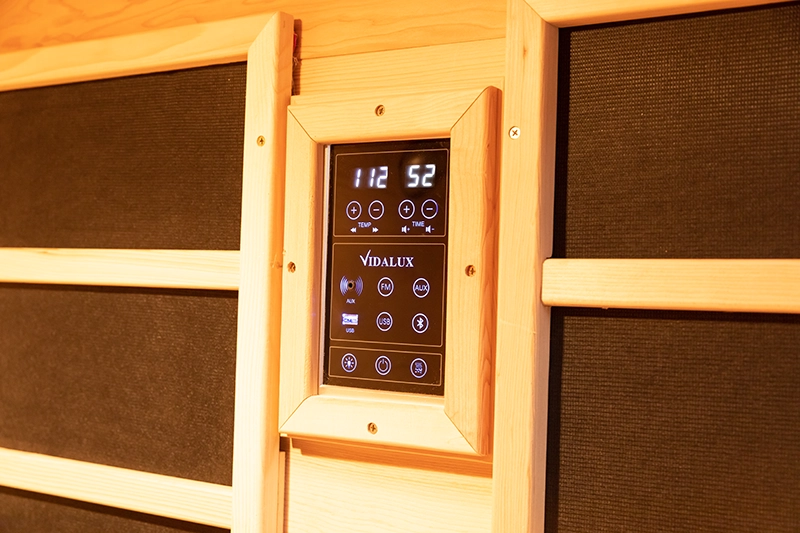
4. Health Considerations and Sauna Safety
While saunas can offer a variety of health benefits, such as stress relief, improved circulation, and muscle relaxation, it’s essential to pay attention to your body and avoid overexposure to high temperatures. Prolonged exposure to excessive heat can cause dehydration, dizziness, and even heat-related illnesses like heatstroke.
- Heat Stroke: If you feel faint, dizzy, or lightheaded, it’s important to leave the sauna immediately and cool down. Heatstroke is a serious condition that requires medical attention.
- Dehydration: Saunas can lead to fluid loss through sweating, so it’s important to drink water before, during, and after your sauna session to stay hydrated.
- Pregnancy and Health Conditions: Pregnant women and individuals with heart conditions, asthma, or high blood pressure should consult with a healthcare professional before using a sauna, as excessive heat can pose risks.
5. Sauna Etiquette and Group Considerations
If you’re using a sauna with others, it’s important to be mindful of different preferences and tolerances to heat. For example, children and older adults may have a lower tolerance for heat and should use saunas at a cooler temperature. When in a group setting, try to find a middle ground so everyone can enjoy the experience comfortably.
6. How Long Should You Stay in the Sauna?
The length of your sauna session can also impact your temperature tolerance. If you’re new to saunas or are just looking for a quick relaxation session, you might prefer a higher temperature for a short period. However, if you’re aiming for a longer session, you may find a slightly cooler temperature more comfortable to prevent overheating.
Sauna experts typically recommend staying in a sauna for about 15 to 20 minutes at a time. You can always leave and re-enter if you need a break, but it’s crucial to listen to your body and avoid staying in for too long, especially in high heat.
7. Key Benefits of Sauna Use
Besides the relaxation and stress relief that saunas offer, there are several potential health benefits associated with regular sauna use, including:
- Improved Cardiovascular Health: Regular sauna sessions may help reduce blood pressure and improve circulation, contributing to overall heart health.
- Muscle Recovery: The heat helps relax muscles and relieve tension, making saunas popular for athletes and those with muscle pain or stiffness.
- Detoxification: Sweating in the sauna can help flush out toxins from the body, promoting skin health and overall well-being.
8. Sauna Trends and Innovations
With advancements in technology, the sauna experience has evolved. Today, saunas come in a variety of styles, from luxurious wood panel designs to modern infrared models. Many saunas are designed to offer more control over temperature settings, allowing users to customize their experience for maximum comfort.
Additionally, innovations like sauna lighting, sound systems, and even aromatherapy are becoming more common, making the sauna experience more enjoyable and tailored to individual preferences.
9. Conclusion: Finding Your Perfect Sauna Temperature
In conclusion, there is no one-size-fits-all answer to the question, “How hot should a sauna be?” Your ideal temperature depends on several factors, including your personal comfort, health, the type of sauna, and the purpose of your session. Always listen to your body and adjust the temperature as needed to ensure a safe and enjoyable experience. Whether you’re relaxing after a workout, seeking mental clarity, or enjoying time with friends and family, the perfect sauna temperature will vary for each individual. Embrace the experience, stay mindful of safety guidelines, and find the temperature that suits you best.
Frequently Asked Questions
1. What is the ideal sauna temperature for beginners?
For beginners, it’s recommended to start with a lower temperature around 60°C to 70°C (140°F to 158°F) to allow your body to acclimate to the heat. You can gradually increase the temperature as your tolerance improves.
2. Can you stay in a sauna too long?
Yes, staying in a sauna for too long can lead to dehydration, heat exhaustion, and other heat-related illnesses. It’s best to limit sauna sessions to 15-20 minutes at a time, especially if you’re in higher temperatures.
3. What are the benefits of sauna use?
Regular sauna use can offer a range of health benefits, including stress reduction, improved cardiovascular function, muscle relaxation, and enhanced detoxification.