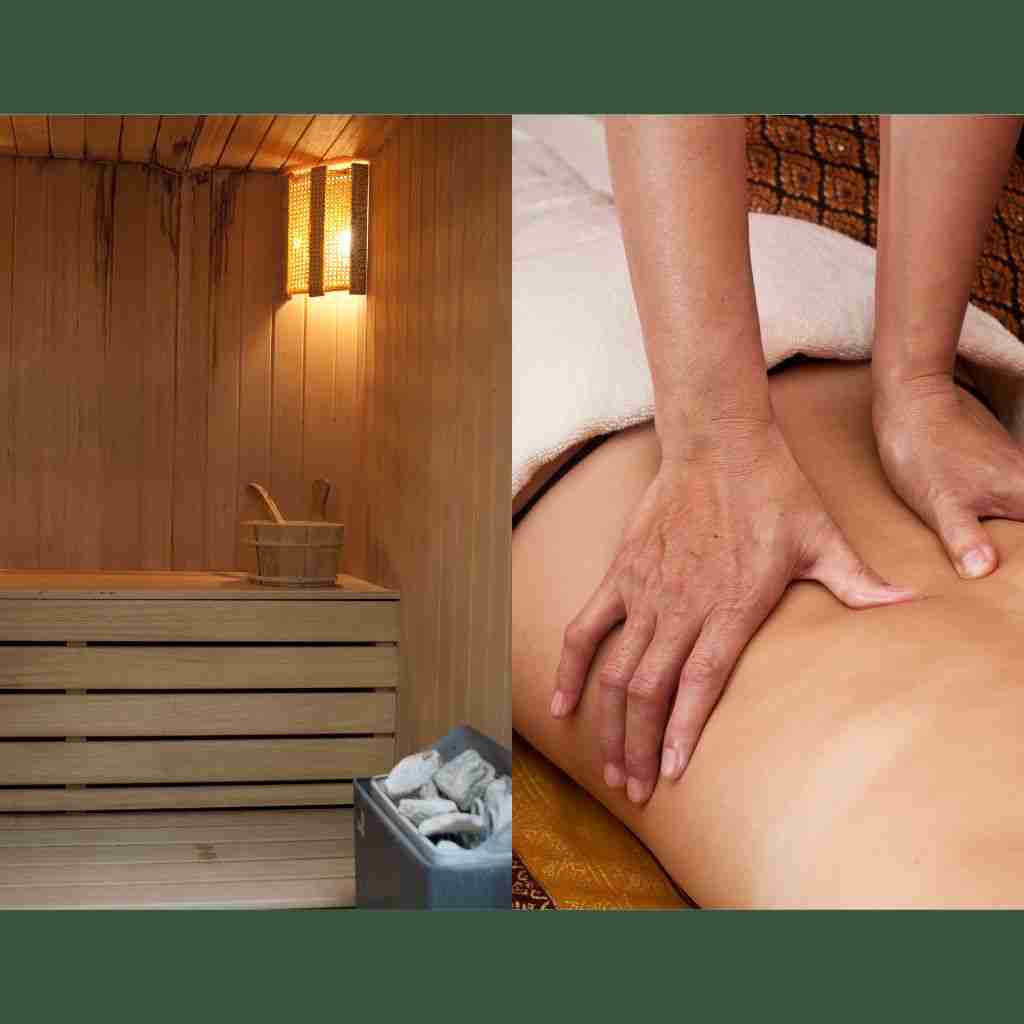
Hot tubs have become a serious part of the wellness conversation in both residential and commercial settings. The global wellness industry reached $5.6 trillion in 2024, according to the Global Wellness Institute, and hydrotherapy is playing an increasingly important role in that total. Honestly, the data speaks for itself; this is not some dull trend that will fade in a couple of years.
The peculiar thing about most hot tub purchasing decisions is that buyers focus on surface-level features like size or jet count, while overlooking the factors that ultimately determine long-term satisfaction.
Normally, people realise the actual impact of poor planning slowly, although by then, course-correcting feels like torture. Perhaps a smart buyer who sits with the data a little longer heads in a better direction.
This article covers five facts that most owners and distributors do not discover until after they make the purchase, though that is precisely where the real battle begins.
Understanding Hot Tub Value Beyond Basic Features
Choosing a hot tub isn’t just about capacity and price. Materials, methods of construction, and system design can make significant distinctions in performance and life, only made apparent over months of normal use.
According to the National Swimming Pool Foundation, hot tubs will last 15 to 20 years on average if they are properly maintained. With poor maintenance or poor quality materials, it is shortened to 7 to 10 years. The difference is that nearly all of it is dependent on the factors addressed in this guide.
What separates a long-lasting hot tub from a short-lived one:
- Quality and durability of construction materials with respect to water absorption in the long term.
- Ease of access to the jet system for design and maintenance.
- Fuel-wood characteristics, heating systems efficiency, and insulation quality
- Determine the best location for installations and how this location affects the exposure to weather.
- Chemistry in water and quality of water.
Commercial buyers face additional considerations. Hotels, wellness centers, and resorts need equipment that handles frequent use while maintaining aesthetic appeal. Residential buyers want spa-quality experiences without commercial-level maintenance demands. Understanding these five facts helps both groups make better decisions.
Cedar Hot Tubs Offer Natural Health Benefits Beyond Heat
The therapeutic properties of cedar wood are not limited to its use in hot tub construction. This is what makes many buyers who thought cedar was just a matter of style and taste come as a surprise to it.
Aromatherapy Properties
Aromatic compounds are released when natural cedar is exposed to heat and water. These organic oils leave a gentle scent that enhances the relaxation effect in hydrotherapy treatments. Natural compounds in the scent have been proven to have anti-stress properties and it will not decrease throughout the lifetime of the tub and does not need supplementing with oils or additives.
Antimicrobial Properties
Cedar is more resistant to mould and bacteria than other building materials. A study published in the Journal of Essential Oil Research has validated cedar’s antimicrobial activity against the most common bacteria found in water. This makes it an advantage for wellness centers and hotels, especially for high usage areas, to have a lower chemical cost and better water quality.
Moisture Regulation
Cedar is more effective than synthetic materials at controlling humidity. The wood also naturally absorbs and releases moisture, which helps to keep the air around the tub comfortable. This ability to absorb water and shrink when dry or expand when humid also helps to minimize stress on joints and sealing, both of which have a direct effect on the structural life.
Jet Systems Can Do More Than Just Massage
Modern jet systems represent sophisticated hydrotherapy technology far beyond simple water circulation. Understanding what jets actually do helps buyers select configurations that match specific wellness goals rather than just choosing the highest jet count.
Targeted Hydrotherapy
Adjustable jets allow focusing water pressure on specific muscle groups. Athletes use this for post-workout recovery. Physical therapists recommend targeted hydrotherapy for rehabilitation following injuries. The jet configuration affects therapeutic effectiveness considerably.
Benefits of proper jet targeting:
- Reduced muscle tension in specific areas
- Improved circulation to targeted regions
- Customizable intensity for different sensitivity levels
- Enhanced recovery from physical activity
- Comprehensive body coverage when jets are strategically positioned
Energy Efficiency
Modern jet pumps consume significantly less electricity than older systems. Variable-speed motors adjust power consumption based on selected massage intensity. Energy Star data indicates modern hot tub systems use 30 to 40 percent less electricity than models from ten years ago. That improvement stems largely from advances in pump and jet technology.
Maintenance Considerations
Easy-to-clean jet designs prolong system life and maintain performance. Removable jet faces allow thorough cleaning that prevents buildup, restricting water flow. The jet system represents a significant portion of hot tub investment, and proper maintenance protects that investment while ensuring consistent therapeutic benefits.
Jet System Feature | Residential Benefit | Commercial Benefit |
Adjustable pressure | Customized comfort | Accommodates diverse user preferences |
Strategic placement | Effective home therapy | Professional-grade treatment |
Easy maintenance | Reduced service calls | Lower operating costs |
Energy efficiency | Lower utility bills | Improved sustainability metrics |
Variable speed motors | Quiet operation at low settings | Extended pump lifespan |
Outdoor Placement Influences Longevity and User Experience
Installation location affects hot tub performance, maintenance requirements, and user satisfaction more than most buyers realize. This is the factor that gets the least attention during the purchasing process and causes the most problems after installation.
Climate and Weather Effects
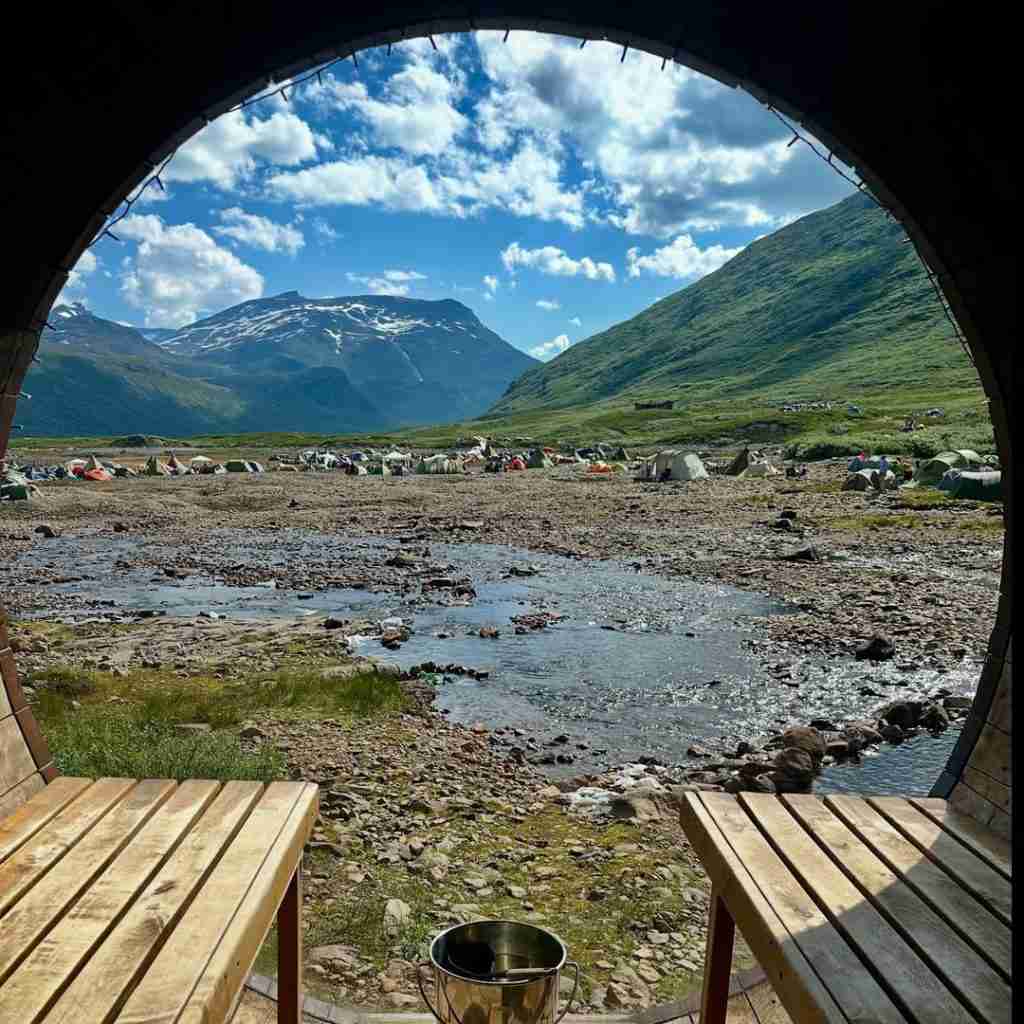
Cedar demonstrates natural resistance to outdoor elements, making it ideal for permanent exterior installations. The wood withstands rain, snow, and temperature fluctuations better than many synthetic materials. Protecting the tub from extreme sun exposure prevents accelerated wood aging, and strategic placement using natural shade extends finish life considerably.
Ideal Backyard Integration
Residential placement balances privacy, ambiance, and practical accessibility. Positioning near the house reduces the distance users must travel in cold weather while maintaining adequate privacy from neighbors.
Key residential placement considerations:
- Proximity to electrical service and water supply
- Level foundation supporting the tub’s weight when filled
- Privacy screening from neighboring properties
- Drainage to prevent water accumulation around the tub base
- Accessibility for maintenance and service
- Natural or structural shade reduces sun exposure
Commercial Considerations
For spa and resort installations, it is necessary to plan for high-frequency use. Several tubs may be needed for times of high demand. Guest flow patterns and facility aesthetics are impacted by placement. Accessibility for maintenance personnel will help to ensure long-term efficient operation, while commercial applications necessitate frequent water testing, filter replacements, and cleaning schedules that should be as easy as possible for the installation design to accommodate without interrupting guest experiences.
Smartmak Barrel Hot Tubs: Designed for B2B and Residential Excellence
Quality manufacturing separates products delivering years of satisfaction from those requiring frequent repairs or early replacement. Smartmak has established itself as a leader in cedar barrel hot tub production, serving both residential and commercial markets.
Why Distributors Choose Smartmak Products
The reputation of Smartmak is built on the basis of high-quality and durable cedar barrel hot tubs. The company is using FSC-certified and thickly insulated wood to provide structural integrity over many years of regular use. All factories are ISO certified and have proven quality control systems. All barrels are tested before shipping to ensure structural integrity and system function.
Smartmak certifications and compliance:
- CE, RoHS, GS, BSCI, SASO, SAA, ETL, and FSC certifications
- ISO-certified manufacturing facilities
- CE/ETL/SAA compliance for regulated market distribution
- Quality testing on every unit before shipment
Customization Options
OEM and ODM possibilities enable branding and unique features tailored to specific markets. Popular configurations include:
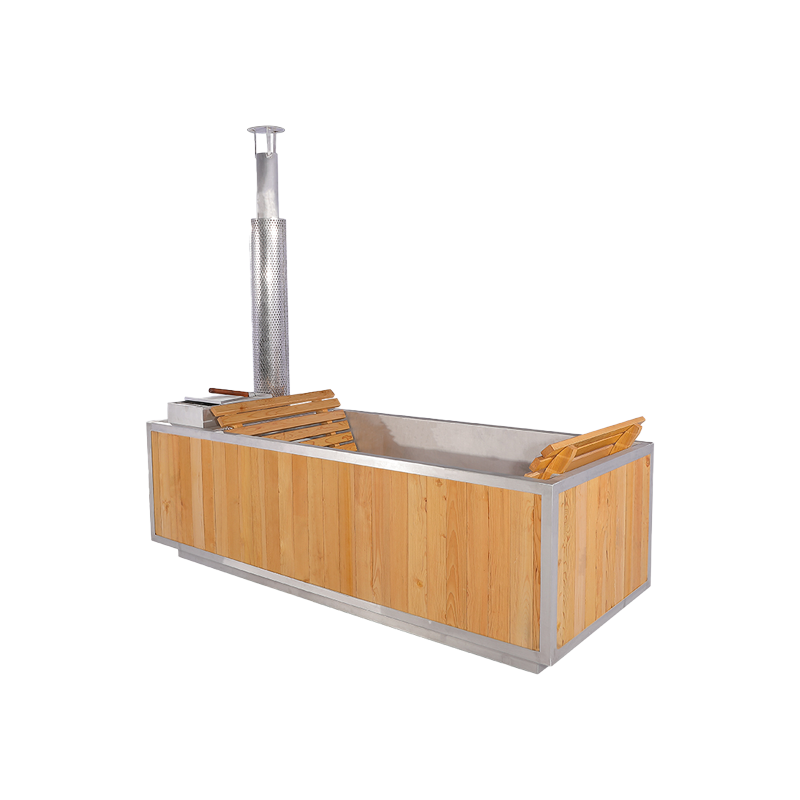
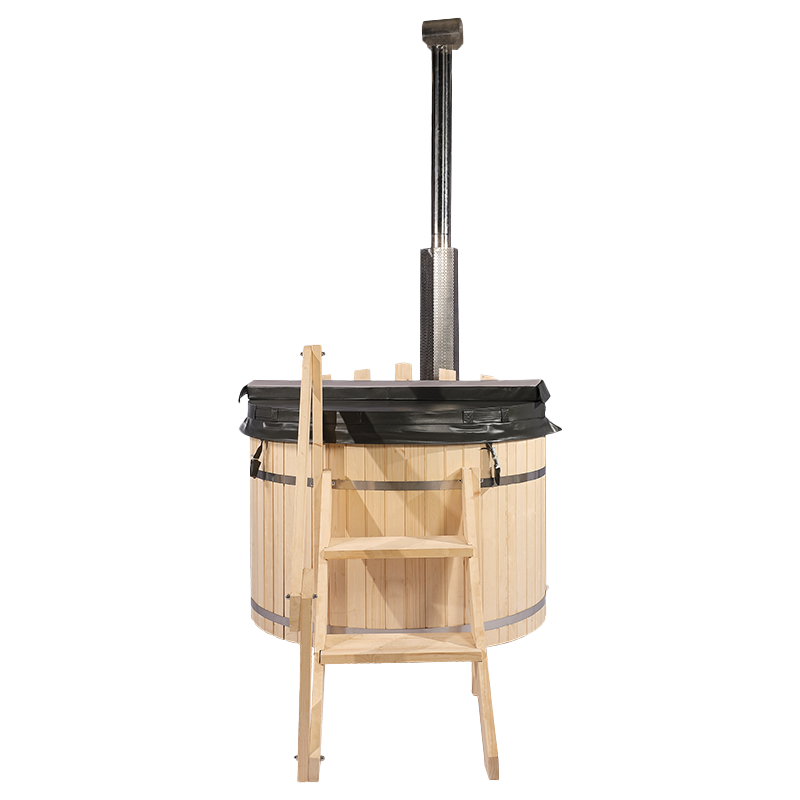
- Wholesale custom outdoor 5-person wood-fired hot tubsfor group wellness applications
- Factory wholesale 2 to 5 person size wooden hot tub with wood burning stovefor residential and boutique commercial use
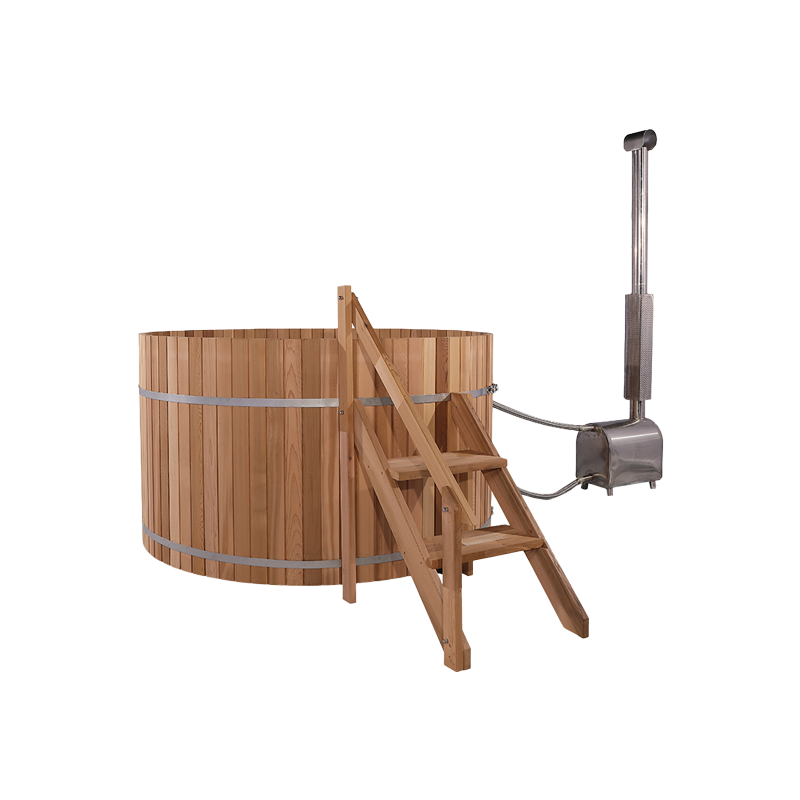
- Custom Canadian red cedar 3 to 4 person wood-fired hot tubfor premium residential installations
Flexible jet configurations accommodate both commercial and residential needs. Custom sizing options range from intimate two-person designs to large installations accommodating eight or more users.
Support for Global Partners
Smartmak offers customizable delivery within 7 days for standard configurations. Bulk pricing enables global partners to offer timeless spa solutions with competitive margins. The company’s experience supporting distributors worldwide provides the infrastructure needed for successful market entry and growth.
Energy and Water Management Are Key for Long-Term Enjoyment
Operating costs significantly impact long-term satisfaction with hot tub ownership. Understanding energy consumption and water management helps users and commercial operators budget accurately while reducing environmental impact.
Efficient Heating Systems
Wood-fired, electric, and hybrid heating options each offer distinct advantages. Wood-fired systems provide authentic experiences and operate independently from electrical infrastructure. Electric heaters offer precise temperature control and automated operation. Maintaining consistent temperatures rather than heating from cold before each use reduces energy consumption considerably.
Heating System | Best For | Key Advantage | Main Limitation |
Wood-fired | Off-grid, authentic experience | No electricity required | Manual operation needed |
Electric | Precise temperature control | Automated and consistent | Higher running costs |
Hybrid | Flexibility across conditions | Combines both benefits | Higher initial cost |
Gas | Cold climate applications | Fast heating capability | Requires a gas supply |
Water Filtration and Chemistry
Maintaining safe water quality requires attention to filtration and chemical balance. Modern systems using multi-stage filtration reduce sanitizer requirements while preserving hygiene. Testing water chemistry weekly ensures parameters remain within safe ranges. Commercial facilities require daily testing given higher usage volumes.
Sustainability Considerations
Lifecycle benefits of high-quality cedar construction:
- Renewable resource when sourced from managed forests
- Biodegradable at the end of service life
- Lower energy requirements during manufacturing compared to plastics
- Natural insulation properties reduce heating costs
- Durability minimizing replacement frequency
- Natural antimicrobial properties reduce chemical consumption
Conclusion
Hot tubs offer more than relaxation. They combine wellness benefits, thoughtful design, and technical features that enhance overall user experience when the right decisions are made at the purchasing stage.
Cedar hot tubs, especially Smartmak barrel designs, bring natural durability, aesthetic appeal, and commercial-grade functionality. The material’s inherent properties contribute to therapeutic benefits while reducing maintenance requirements.
Request a quote today for wholesale or branded collaboration opportunities with Smartmak. Experience supporting distributors worldwide provides the infrastructure needed for successful market entry and growth.
Frequently Asked Questions
How often should I clean the jets in my cedar hot tub?
Clean jets monthly during regular use to prevent buildup affecting water flow. Commercial installations may require more frequent cleaning based on usage volume.
Do cedar hot tubs retain heat better than other hot tubs?
Cedar provides excellent natural insulation. The thick wood walls retain heat more effectively than thin acrylic shells, which reduces energy consumption and extends the time between heating cycles.
Are cedar barrel hot tubs suitable for commercial spa installations?
Yes. Smartmak cedar barrel hot tubs are designed for both residential and commercial applications. The durable construction withstands high-frequency use in resort, spa, and wellness center environments.
How energy-efficient are modern cedar hot tubs?
Modern systems with efficient pumps and heating elements, combined with cedar’s natural insulation, create highly efficient operations. Energy consumption depends on usage patterns, climate, and maintenance practices.
Can I customize a Smartmak cedar barrel hot tub for my spa or resort?
Smartmak offers extensive customization, including wood type, size, jet configuration, and heating system selection. OEM and ODM options enable branded products tailored to specific market requirements.