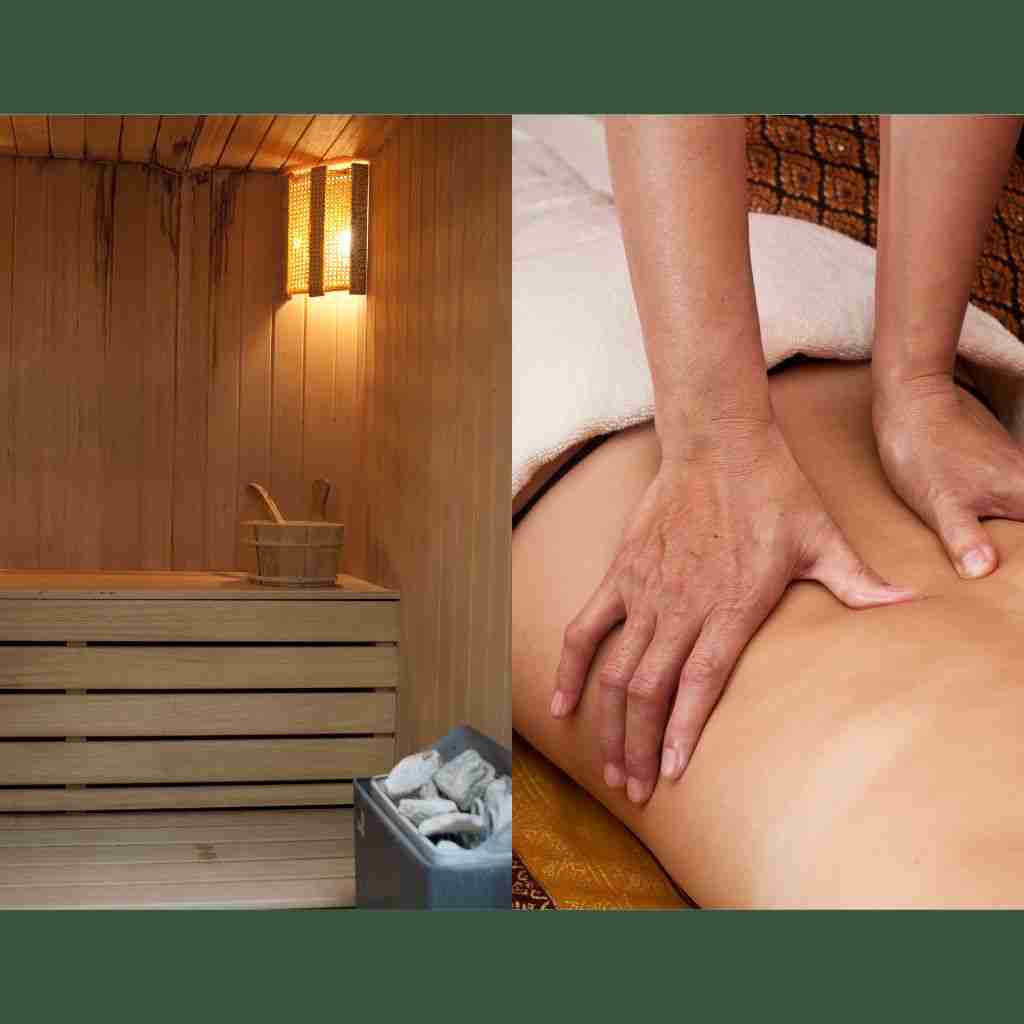
Introduction
You know that moment when you crack open a sauna door and the heat hits you like a soft punch to the chest?
Now imagine that same wall of warmth… but it smells like a clean forest after rain, not like damp wood and other people’s bad decisions.
That’s the real sell of sauna aromatherapy: it turns “hot box” into ritual. A few smart drops (used the right way) can make a steam session feel clearer in your head, easier on your breathing, and way more relaxing—mostly because scent and the nervous system are tangled together in ways we don’t fully control.
Quick reality check: essential oils aren’t magic. Evidence is mixed, and a lot depends on context (how it’s delivered, who’s inhaling, and whether you’re also doing calming stuff like slow breathing). Still, aromatherapy has been studied for stress/anxiety in clinical settings, and lavender inhalation has enough research behind it to be more than just vibes.
This article answers the stuff people actually ask:
- Which oils work best in a sauna?
- How do you use them safely in steam vs. infrared vs. outdoor barrel builds?
- If you’re a distributor, hotel, or spa operator—how do you make this feel premium without turning the sauna into a headache factory?

The Science Behind Aromatherapy in Saunas
How Heat Enhances Aromatherapy
Heat makes scent go loud.
Essential oils are packed with volatile aromatic compounds—meaning they evaporate easily. Add heat + water, and you’re basically building a delivery system for airborne aroma. That’s why “drops on hot water” shows up even in medical aromatherapy descriptions: the warmth helps the fragrance rise so you can inhale it.
In a sauna, there’s another kicker: you’re breathing deeper. Hot air, steam, the whole “I’m trying not to think about emails” thing… people naturally slow down and inhale more deliberately. Scent plus slow breathing is a potent combo for shifting mood, even when the oil itself isn’t doing anything mystical.
Benefits Beyond Fragrance
Aromatherapy research is a messy bookshelf—some decent studies, some fluff, some “what even is this protocol.” Big evidence maps show aromatherapy gets studied a lot, but results vary and quality isn’t always great.
Still, a few patterns show up:
- Stress relief / mood shift:Lavender is the obvious one. Systematic reviews of lavender inhalation report anxiety-reducing effects across multiple studies (not perfect, but not nothing).
- Respiratory comfort (carefully phrased on purpose):Eucalyptus is widely used via inhalation/steam for that “clearer” feeling—but it’s also an oil you should respect, because misuse (especially around kids) can cause real harm.
- Pairing with sauna heat:Sauna use already pushes relaxation for a lot of people. Scent can act like a “mental switch,” telling your brain “we’re off-duty now,” which helps the whole session land better. That’s more psychology than chemistry, and honestly… fine.
One more safety note (because someone always needs to hear it): inhaled fragrance can irritate lungs in sensitive people, including asthma triggers. So no, “if a little is good, more is better” is not the move.

Choosing the Right Essential Oils for Your Sauna
Popular Essential Oils for Saunas
Eucalyptus (respiratory “ahhh”):
That sharp, medicinal-fresh hit is why it’s a classic. People use it for decongestant-style comfort and steam inhalation. Just don’t treat it like harmless air freshener.
Lavender (calm without trying so hard):
If you want the room to feel quieter—mentally—lavender is the workhorse. It’s also one of the better-studied oils for anxiety effects (again: not magic, but supported more than most).
Citrus (bright, clean, “I’m awake now”):
Lemon, sweet orange, bergamot—these tend to read as energizing and “clean.” Bergamot inhalation shows up in clinical aromatherapy research too.
Safety Considerations
Let’s talk about how people mess this up.
- Don’t put pure essential oil straight on stones or heating elements.Oils can be flammable, can gunk up surfaces, and can create nasty residues. Sauna groups spell this out bluntly because they’ve seen the results.
- Use sauna-appropriate fragrance products when possible.Harvia’s heater manuals explicitly say only special aromas designed for sauna water should be used. That’s not a cute suggestion—that’s the manufacturer telling you what won’t wreck equipment or create dumb risks.
- Shared sauna rule:assume someone’s sensitive. Fragrance can trigger headaches or breathing irritation. Keep it light, give opt-out options, and don’t “surprise-dose” public spaces.
Also: essential oils + water don’t truly mix. Oil floats. That’s part of why people get accidental overexposure when they “just add drops” without thinking. Safety orgs warn about direct skin contact from undiluted droplets in water contexts (like baths), and the same logic applies to sloppy sauna use.
Custom Blends for Targeted Wellness
You don’t need a 14-oil “signature blend.” You need a plan.
- Calming blend:lavender + a little citrus (or a soft wood note) so it doesn’t smell like a pillow aisle.
- Energizing blend:citrus + a tiny hint of eucalyptus (emphasis on tiny).
- Seasonal blends:winter = eucalyptus-forward; summer = citrus-forward; shoulder seasons = lavender/citrus balance.
If you run a spa: write the recipe down. Standardize it. The most “premium” thing you can do is make the experience consistent, session after session, staff member after staff member.
Integrating Aromatherapy into Different Sauna Types
Steam Saunas
Steam saunas makes aromatherapy easy…and also easier to screw up.
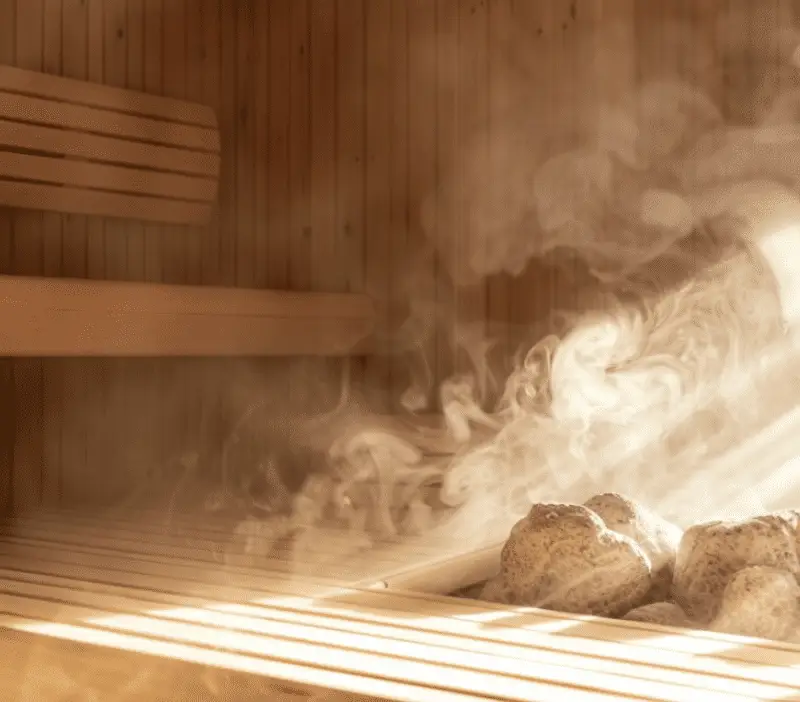
If you’re using a traditional heater + ladle setup, the safest play is typically adding a sauna-safe fragrance (or properly prepared mixture) to the water bucket, then ladling onto stones—never dumping oils directly. That’s the basic “löyly + scent” workflow people use, and it’s also how sauna fragrance products are designed to be used.
If you’re dealing with a steam generator setup, be cautious about what goes into reservoirs/lines. Many systems prefer external aroma modules or dedicated dosing systems rather than “whatever liquid I found on a shelf.” (Maintenance techs love surprises. Not.)
Want a starting point for steam-focused builds and commercial supply? Smartmak’s steam sauna line lives here: https://www.smartmak.com/steam-sauna-manufacturers/.
Infrared Saunas
Infrared saunas isn’t a steam environment. No stones. No ladle. Different rules.
Most infrared aromatherapy setups use a heat-safe cup/pad/diffuser that warms gently, or a passive pad near airflow (not dripping onto hot parts). Some infrared sauna brands even include dedicated aromatherapy accessories (cups near the door area, etc.), which tells you the intent: low heat, controlled evaporation, minimal residue.
And please—don’t turn an infrared cabin into a fog machine. The whole point is calm heat and controlled environment.
For distributors and wellness operators looking at IR cabins, start here: https://www.smartmak.com/infrared-sauna-manufacturers/. If you want concrete product examples:
- https://www.smartmak.com/products/custom-2-4-person-full-spectrum-low-emf-infrared-sauna-factory/
- https://www.smartmak.com/products/wholesale-custom-2-4-person-home-infrared-sauna-room-manufacturer/
Barrel and Outdoor Saunas – Smartmak Solutions
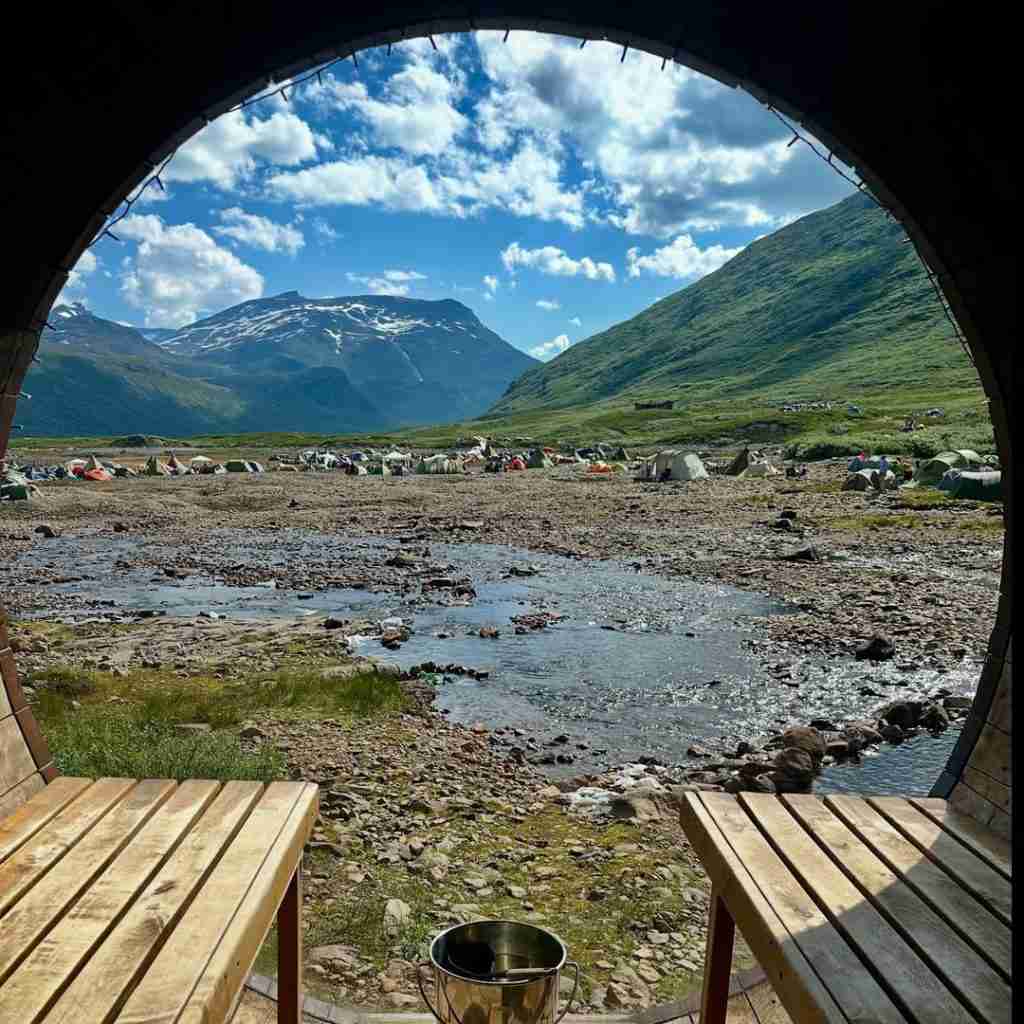
Barrel saunas work because the curved shape helps heat circulate instead of just pooling at the ceiling. And when you add scented water to stones, that same circulation helps carry aroma around the room (not a lab claim—just a very practical consequence of air moving).
For B2B and commercial setups, barrel/outdoor units also have the obvious win: they look like an experience. Hotels love that. Glamping sites love that. High-end gyms love that.
Smartmak’s barrel sauna range: https://www.smartmak.com/barrel-sauna/.
A concrete example that’s built for group use:
https://www.smartmak.com/products/wholesale-red-cedar-6-person-outdoor-barrel-sauna-with-harvia-sauna-heater/ (note the standard set includes bucket/scoop—aka the exact gear aromatherapy-löyly routines rely on).
How distributors/wellness operators make this feel premium (without being obnoxious):
- Offer twoscent options per day, max. (One calm, one fresh.)
- Post a simple “scent on/off” schedule so sensitive guests can choose.
- Train staff on dosing. If guests are self-serve, keep it extra mild and idiot-proof.
Best Practices for Maximizing Aromatherapy Benefits
Session Planning
Timing matters more than people think.
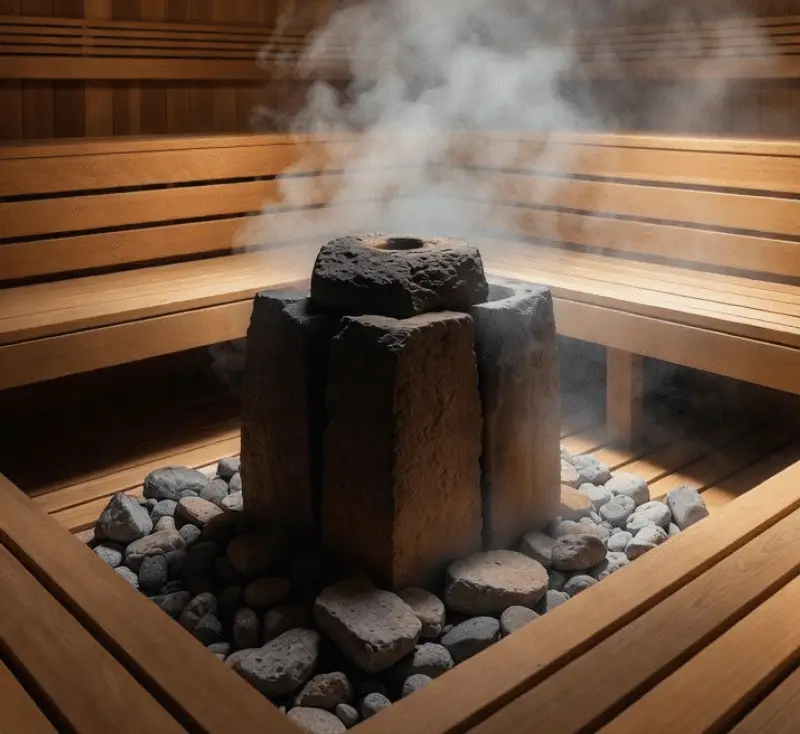
Don’t add scent the second you walk in. Let the room heat settle. Then introduce aroma mid-session so the first wave doesn’t smack you in the face while you’re still adjusting. Sauna fragrance guides commonly recommend measured mixing into water and controlled application—because scent intensity jumps fast in a hot room.
Maintenance and Cleaning
Oil residue is real. It builds up on surfaces, rocks, and anything porous if you overdo it—especially if people are sloppy with pure oils. Sauna communities and safety folks warn about residue and long-term wear when oils are misused.
Commercial rule: pick a protocol (what product, how mixed, who applies it), then clean on schedule. Otherwise the “signature aroma” turns into “mystery funk” in about three weeks.
Enhancing the Overall Experience
Scent is one layer. The best sessions stack senses without trying too hard:
- low light (warm, not surgical)
- quiet music or no music at all
- cold rinse after
- scent that stays in the background instead of performing a solo
If you’re a business, sell the ritual—not the bottle.
Conclusion
Aromatherapy doesn’t need to be woo-woo. Used with restraint, it makes sauna feel more intentional: calmer, cleaner, more “I’m taking care of myself” and less “I’m sweating next to a stranger.”
Pick oils that make sense (lavender, eucalyptus, citrus), use sauna-appropriate fragrance methods, and keep safety front and center—especially in shared spaces. Manufacturers like Harvia even call out that only special aromas designed for sauna water should be used, which tells you exactly how seriously to take the equipment side of this.
And if you’re building this into a commercial offering, a well-designed barrel or infrared setup gives you the stage. Smartmak’s barrel lineup is here: https://www.smartmak.com/barrel-sauna/.
FAQ
How do I safely use essential oils in a steam sauna?
Use a sauna-safe fragrance product or a properly prepared mixture in your water bucket, then ladle onto stones. Don’t pour pure oil onto stones/elements. Community safety guidance is blunt about the fire/residue risk, and heater manuals warn to use only special aromas meant for sauna water.
Can essential oils damage my sauna heater?
Yes—misuse can leave residue, create odor issues, and raise fire risk. Harvia manuals explicitly limit what aromas should be used with sauna water, which is your clue that “random oil” isn’t automatically safe for heaters.
How much essential oil should I use per sauna session?
Start low. Seriously low. Sauna fragrance products often give mixing guidance (example ranges are typically small amounts added per liter of water), because intensity ramps up fast in heat. If you’re using pure essential oils (not recommended for stones), the “few drops” mindset can still be too much in a small cabin.
Are some essential oils better suited for infrared saunas?
Infrared cabins usually work best with gentle, controlled evaporation (pads/cups) rather than steam-style dosing. Accessories built for infrared aromatherapy exist for exactly that reason—low mess, low residue, controlled scent.
Can aromatherapy enhance the wellness benefits of a sauna?
It can enhance the experience—calm, mood, perceived breathing comfort—especially with oils like lavender that have been studied for anxiety effects. Evidence across aromatherapy is mixed overall, and fragrance can irritate sensitive lungs, so treat it as a supportive layer, not medical treatment.