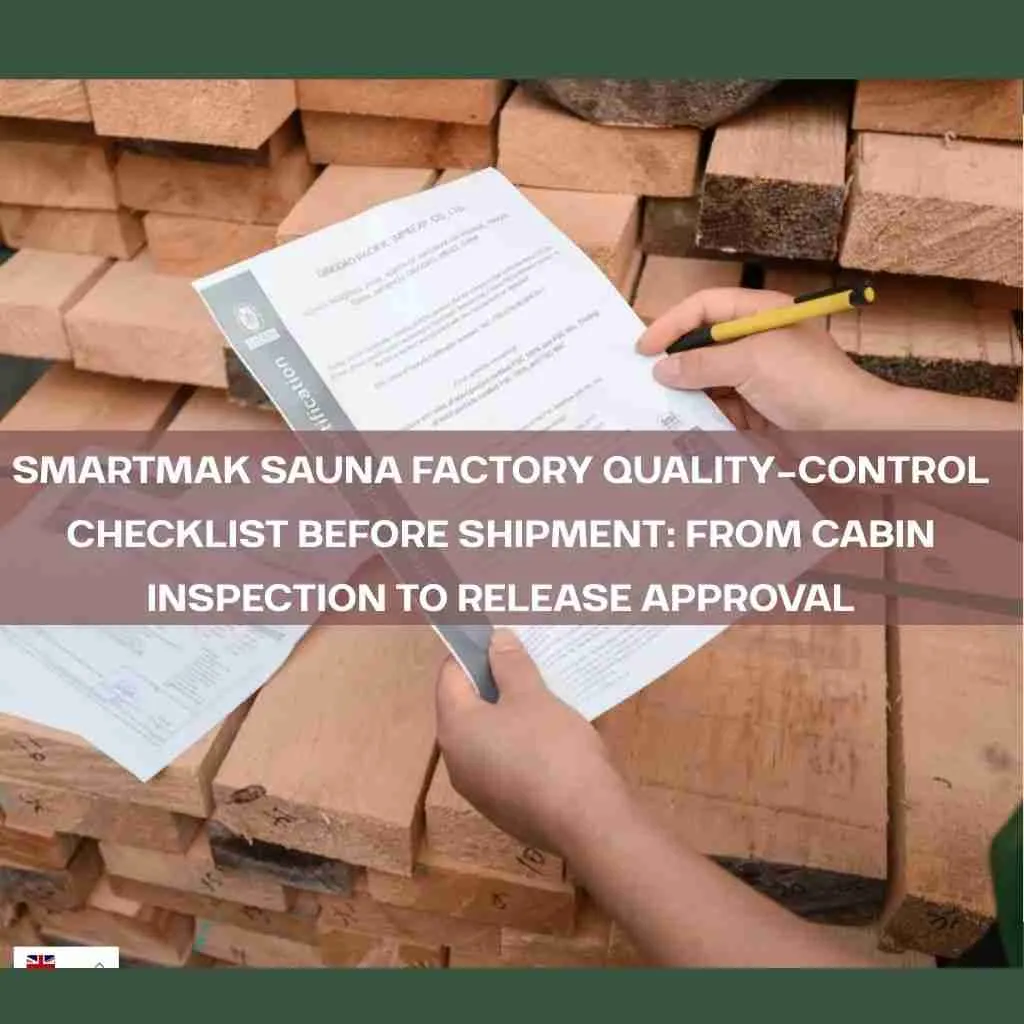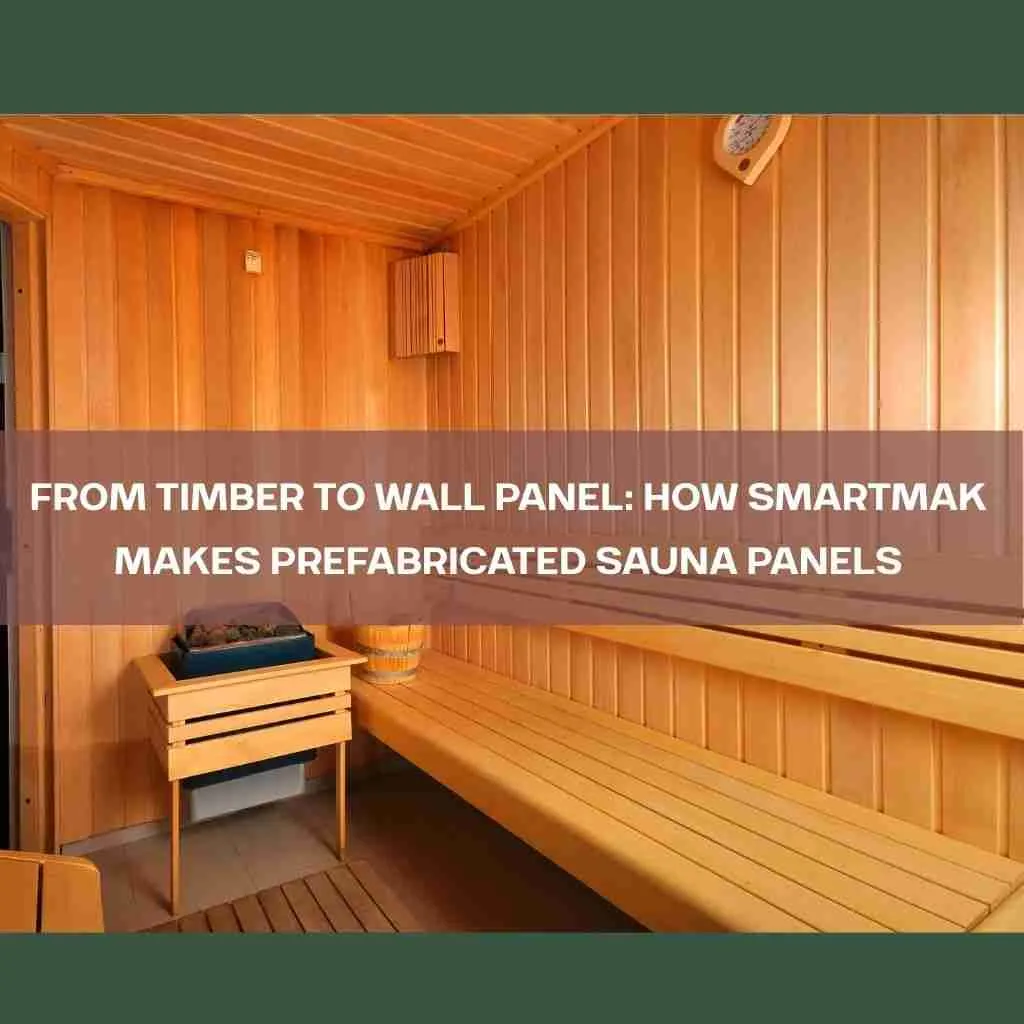
Introduction — What Happens Before a Sauna Wall Panel Reaches the Installation Site?
Most buyers never ask this question. They see a finished cabin photo, approve a quote, and expect panels to arrive flat, square, and ready to stack. And most of the time—if the factory did its job—that’s exactly what happens.
But here’s where it gets interesting: the gap between “most of the time” and “every time” is almost entirely determined by what happened in the factory before the first fastener was driven.
A prefabricated sauna panel, in SmartMak’s context, is a model-specific wall component. It’s not a generic sheet of timber. It’s a dimensioned, machined, and checked component built to the requirements of one approved cabin drawing. The door opening on the left-side wall of a Modern Box model is not interchangeable with the opening on a Cabin 1 layout—even if both panels look similar in a product photo.
So: production starts with panel requirements. Then comes timber selection. Then board preparation. Then fitting and in-process checks. That’s the sequence. Understand it, and you’ll know exactly what to verify before you sign off on a B2B order.
Why does this matter to a buyer? Because panel fit and surface consistency at the factory directly affect how quickly and cleanly your installation team can assemble the cabin on site. A board joint that’s 3mm too open won’t stop the sauna from functioning—but it will slow your crew, show on the interior wall, and generate a customer complaint you didn’t budget for.
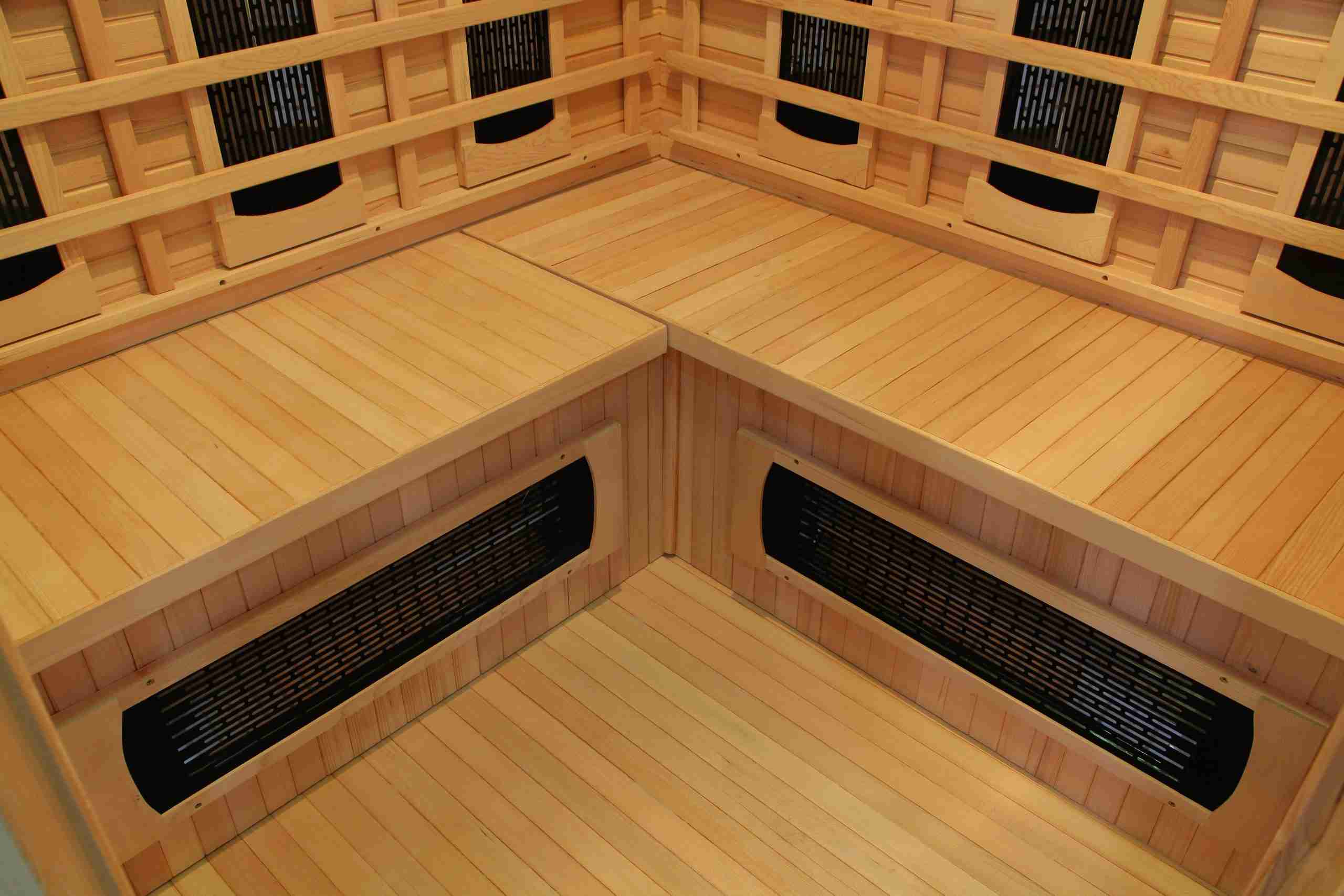
1. Define the Panel Before Production Begins
The panel doesn’t start as wood. It starts as a drawing.
Before a single board is touched, the factory translates a cabin model’s approved design into individual wall-panel requirements. Each panel gets its own specification: overall dimensions, any openings (doors, windows, vent apertures), which face is the visible interior surface, and where the connection points to adjacent panels land.
This matters more than it sounds. The Modern Box Outdoor Sauna, for example, features three large window panels on the front wall, with the door positioned on the left side wall. Each of those panels has a different cut profile, different opening geometry, and different junction requirements. They’re not the same panel produced four times. They’re four distinct manufacturing tasks.
“Prefabricated” means something specific here—and it doesn’t mean the same thing for every model. For some SmartMak configurations, the factory fits hardware, integrates vapour barrier layers, and pre-sizes boards to final dimension before shipping. The sauna is assembled from many wooden panels and is easy to install, requiring only two people to complete. That simplicity at the installation end is a direct product of how precisely the factory defined the panel requirements at the start.
What gets confirmed at this stage: panel count per model, which components are factory-fitted versus site-installed, and whether the approved drawing matches the order specification. If those three things aren’t locked before production starts, every subsequent step is building on uncertain ground.
2. Select Timber and Prepare the Boards
Timber selection is where a lot of factory corners get quietly cut—and where a demanding buyer’s checklist pays for itself.
The foundation of a quality sauna lies in its timber. SmartMak utilizes Grade-A Canadian Hemlock or optional Western Red Cedar, selected for their inherent resistance to moisture, warping, and cracking—essential traits for a steam-heavy environment. But selecting a species is not the same as selecting good boards. Species names don’t reject timber at the gate. Process checks do.
SmartMak’s saunas are crafted from kiln-dried timber to minimize warping and checking. Before boards enter panel production, they go through intake inspection. The factory checklist rejects timber showing decay, mould, or rot—full stop. Not “flagged for review.” Rejected. The distinction matters because marginal boards have a way of drifting back onto the production floor when no one’s watching.
Canadian Hemlock is one of the most affordable sauna woods and is less suitable for outdoor environments, which makes it ideal for indoor and infrared saunas. It presents a light white colour with uniform texture. That uniform texture isn’t just aesthetic—it means the boards machine predictably. Inconsistent grain means inconsistent machining, which means board surfaces that come off the equipment at varying smoothness levels.
Board preparation covers sanding and dimensional checks. Flatness, smoothness, the presence of burrs, cracks, notches, and severe knot defects all have documented thresholds. The wood undergoes a multi-stage kiln-drying process to ensure it maintains structural integrity under extreme temperature fluctuations. After drying comes profiling—tongue-and-groove cutting, end trimming to panel length, and any openings roughed into boards that will surround doors or windows.
One thing worth being explicit about: the exact cutting sequence and equipment vary by model. If you want to know the specific machining order for the panel type you’re ordering, ask for a current process record for that model. Don’t assume what applies to a barrel stave applies to a flat cabin wall panel.
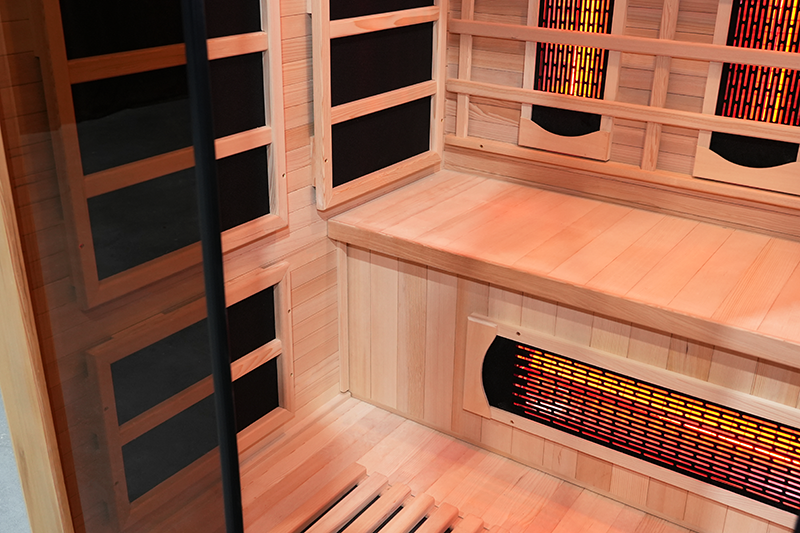
3. Form the Panel and Check Its Fit
This is where the production work becomes visible—and where in-process checks either catch problems or let them through.
Prepared boards and smaller components come together according to the panel drawing. The assembly isn’t freehand. Each board position is specified. Each small part—corner brackets, any pre-fitted hardware, fasteners—gets checked for damage and completeness before it goes anywhere near the panel.
The joint check is the critical one. The documented checkpoint calls for close-fitting board joints without excessively large openings. There’s a reason that language is specific rather than general. A sauna wall panel is not a rough-framed exterior wall. The interior face is the visible finish surface. It will be the first thing the end-user looks at every time they enter the cabin. A sloppy joint at 70°C with elevated humidity will only become more visible over time—the wood moves, the gap widens, and whatever passed a quick visual check in the factory becomes a warranty conversation twelve months later.
SmartMak prioritizes user health by using 100% VOC-free sealants, ensuring that the only thing clients breathe in is pure steam. On models where a surface finish is applied, the inspection extends to colour consistency and surface feel. The checkpoints look for obvious colour differences between adjacent boards and a rough or gritty surface texture. Both are rejection criteria, not cosmetic concerns to accept and ship.
The Modern Box Outdoor Sauna, for instance, comes in easy-to-assemble wall and roof panels with a full cedar floor and EPDM rubber roof. The panel-level fit check for that model includes the connection geometry between wall panels and the roof assembly—not just the internal board joints. Fit problems at panel-to-panel junctions show up at installation, not in the factory, unless someone is checking for them specifically.
4. SmartMak Example — Wooden Sauna Wall Panels for B2B Cabin Orders
Let’s be specific about what you’re actually buying when you place a B2B order with SmartMak.
SmartMak is a leading global manufacturer, wholesaler, and supplier of high-quality infrared sauna and steam sauna products, producing far infrared saunas, traditional indoor and outdoor saunas, barrel saunas and more. Within that range, the prefabricated wooden sauna wall panels are the structural and aesthetic core of every cabin-format model. They’re not an accessory. They’re what the product is.
Take the Modern Box series as the working example here. The Modern Box Large Outdoor Sauna comes in easy-to-assemble wall and roof panels, and this model is spaciously designed to comfortably seat up to four adults. That specific cabin has a defined panel drawing. It has a defined timber specification. And it has production checkpoints that apply to it—not to every SmartMak product, but to that model.
Built with FSC-certified wood materials and CE-compliant heaters, SmartMak’s saunas ensure even heat distribution and energy efficiency. As a trusted OEM manufacturer, SmartMak produces custom units within seven days of order confirmation. That seven-day window is only achievable because the panel definitions, timber inventory, and machining sequences are pre-established. Custom doesn’t mean chaotic—it means the factory has a defined process it’s executing against your specific model drawing.
Here’s what a B2B buyer can realistically confirm during production: panel dimensions against the approved drawing, timber species and grade against the order specification, and joint-fit results from the in-process checkpoint records.
What the supplied checklist cannot tell you: internal layer structure, the exact fastening method used for panel-to-panel connections, or the specific results logged for your order number. The checklist documents inspection requirements. It doesn’t substitute for production records tied to your shipment.
For B2B clients, SmartMak offers customizable sauna components, with technical support to ensure custom installations are consistent and comply with safety standards. That technical support is the access point. Use it. Request the approved drawing for your model, the model-specific panel construction details, and the inspection records for your in-process checkpoints. If those documents aren’t available, that’s important information too.
Conclusion — Manufacturing Quality Begins with a Defined Panel and Visible Process Checks
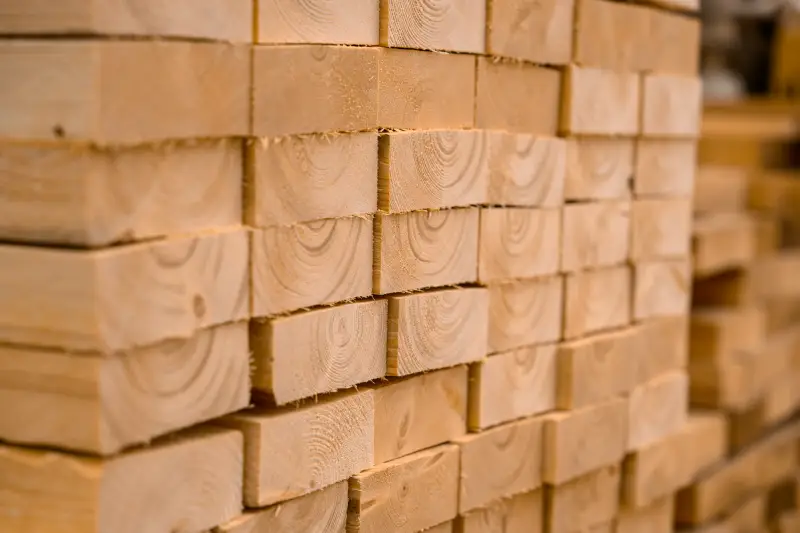
The route from model requirements to finished panel isn’t complicated. It’s just specific.
Start with a defined drawing. Screen timber at intake—reject decay, mould, and rot without exception. Machine boards to dimension, check for flatness and surface defects, confirm the cutting sequence matches the model. Assemble against the panel drawing, inspect small parts before installation, check joint fit against documented tolerances, and review visible surfaces for colour consistency and finish quality.
That’s the process. It’s not magic. It’s documented steps executed in the right order by people who know which checkpoint applies to which model.
The key buyer action is this: before you finalise your order, request the approved drawing for your cabin model, confirm the panel construction details in writing, and ask for production records from the in-process checkpoints. SmartMak’s in-house manufacturing, testing, and packaging processes are backed by ISO-certified factories and global certifications. Those certifications mean the process framework exists. Your job as a buyer is to confirm it was followed for your order—not in general, but specifically.
FAQ
How are boards joined to form a sauna wall panel?
Boards in SmartMak’s cabin wall panels are typically machined with tongue-and-groove profiles before assembly. The profile ensures boards seat against each other along a consistent contact line rather than relying purely on edge-to-edge butting. The exact joint type—tongue width, groove depth, profile geometry—is model-specific. Confirm the joint specification for your cabin model from the factory’s construction records before placing a bulk order.
How does a factory check the fit between sauna boards?
The documented in-process checkpoint calls for close-fitting board joints without excessively large openings. In practice, this means a visual and physical check of assembled joints against a defined tolerance. Boards that show visible gaps beyond the accepted threshold are flagged before the panel moves to the next stage. If you want to know the specific gap tolerance for your model, request the relevant checkpoint record.
Do all prefabricated sauna panels have the same internal structure?
No. And this is one of the most common misconceptions B2B buyers carry into a first order. Modular cabins and panel systems let you customize footprint, doors, and window placement for site-specific needs—which means the internal construction of panels varies by model, application (indoor vs. outdoor), and specification. Insulation like fiberglass or rockwool is installed on walls and ceilings for heat retention; vapor barriers—a layer of foil—are placed on the hot side of the insulation before the wood paneling is attached. Whether those layers are factory-fitted or site-installed depends on the specific model. Confirm it before you assume.
Which panel construction details should a B2B buyer confirm before ordering?
At minimum: timber species and grade, board dimensions and profile type, joint specification, visible surface finish (if applicable), and which components are factory-fitted versus site-installed. SmartMak builds with FSC-certified wood materials and CE-compliant heaters, and produces custom units within seven days of order confirmation—but those timelines and certifications apply to confirmed specifications. Leaving construction details unconfirmed until after payment is how costly mismatches happen.
What production records can a buyer request for custom sauna wall panels?
You can request the approved panel drawing for your cabin model, the timber intake inspection record (confirming species, grade, and rejection criteria applied), and the in-process checkpoint records for joint fit and surface checks. As a trusted OEM manufacturer, SmartMak produces custom units within seven days of order confirmation, with in-house manufacturing, testing, and packaging processes that generate these records as a standard part of production. Ask for them by order number, not by product category.