Introduction
Did you know that using Epsom salt (magnesium sulfate) in a modern hot tub can destroy its internal components? The addition of Epsom salt to water drastically increases its total dissolved solids (TDS). The increase in return causes corrosion in parts of the hot tub. Most manufacturers consider their warranties void once the user introduces Epson salt in a spa. There are alternatives available in the market that provide similar benefits but do not damage delicate parts of a hot tub.
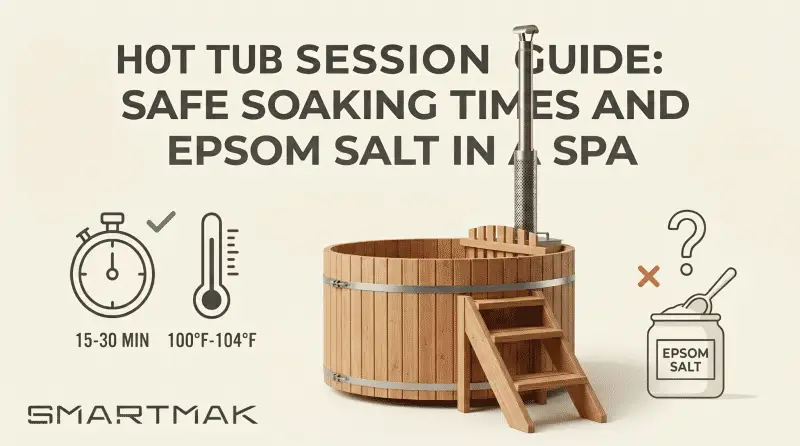
More users are trying to create professional spa-like treatments at home. As per scientific research, a hot tub temperature of around 100 F activates the body’s temperature control system. It helps lower your blood pressure and improve healthy heart rate variation. Despite its incredible benefits, users must know when to stop. More than 10% of the hot tub-related emergencies are caused by heat strokes. Even with the head outside the wter the, heatstroke can happen.
This article is designed to help you understand the risks while ensuring that you have the best experience in your hot tub soaking sessions.
How Long Should You Stay in a Hot Tub?
Recommended Soaking Time for Different Users
Guidelines for Healthy Adults and Beginners
For healthy adults, the safe window for hot tub use is between 15 and 30 minutes. The temperature of the water should be around 100 F. If you are new to hot tub use, consider shorter sessions. It will help your body to get used to the intense heat.
It’s vital that you do not let your comfort level convince you to have very long sessions. At the same time, regular users may feel that they can handle heat better. It’s vital to keep your body’s physical limits in check. The amount of heat that the body can safely handle remains the same as for beginners.
Seniors, Children, and Medical Conditions
While experience plays a key role in hot tub sessions, health and age are also heavy influencers.
- Children:There should be no hot tub use under the age of 5. Older children should not stay more than 10 minutes. The water temperature should stay below 98 F.
- Seniors:Older individual with managed health concerns should also limit their time to less than 15 minutes. The temperature should be around 100 F. It prevents them from putin to much strain on the heart and blood vessels.
- Chronic Conditions:For individual wit heart disease and diabetes should restrict soaking time to less than 10 minutes. Always consult the doctor, as intense heat can speed up how fast the body takes in medication or hide signs of low blood pressure.
Exercise Recovery and Mental Sharpness
Athletes use the hot tub to promote muscle recovery. Their session should also be limited to 15 minutes max. However, they should always wait for their body temperature to come down before getting into the hot tub water. its important to understand that the human brain function starts to decline with high temperature. As soon as the internal core temperature crosses 102.2 F, we see a cognitive degradation.
Factors That Affect Safe Hot Tub Duration
Water Temperature
There is a direct relation between temperature and how long you can soak in water. The relation is inverse. The hotter the water, the less time you should stay. in. Even a small two-degree change in temperature drastically impacts how your body temperature rises. When you sit in hot water you blood vessels naturally start to widen. The procedure pulls away blood from vital organs and puts your heart overtime to keep the blood flowing. The scary part is that a person might be feeling normal sitting in a hot tub, but the internal temperature might be reaching a critical limit.
Hydration and Body Condition
Sweating in the open air is clearly visible. However, in water, you cannot see yourself sweating. Typically, you start sweating the moment you get into the hot water. Since you are unaware of the water levels, you might end up dehydrating yourself. Therefore its vital to stay hydrated and limit your hot tub duration.
Indoor vs. Outdoor Hot Tubs
In the case of indoor hot tubs, the environment is much more controlled. You are exposed to a much warmer environment for the head and neck. It means a faster increase in core temperature. In comparison, in outdoor hot tubs, your head will be subjected to a cold environment, which can mask the rising internal temperature.
Indoor humidity levels may reach 100%, while outdoors are usually dry. It means your body loses its ability to evaporate liquid to cool down indoors. It makes 20-minute sessions outdoor more tolerable.
Table 1: Safe Soaking Duration Guide
Water Temperature | Suggested Safe Limit | Best Usage Goal |
95°F – 98°F | 45–60 Minutes | Beginners, Children, or Seniors |
98°F – 100°F | 30–45 Minutes | Extended relaxation and mood reset |
100°F – 102°F | 15–25 Minutes | Muscle recovery and sleep preparation |
102°F – 104°F | 10–15 Minutes | Intensive hydrotherapy / Maximum heat |
Warning Signs You Have Stayed Too Long
Brain and Heart Strain
One of the biggest indicators that you have pushed beyond the limit is dizziness and a feeling of lightheadedness. High core temperatures may also cause confusion. These are warning signs from the nervous system that the temperature is too high.
Another sign is the bodily discomfort, which includes nausea, headache and racing heartbeat. It means that your heart is working overtime to make up for the widening of blood vessels near the surface of your skin. It can lead to blood being taken away from essential organs.
Skin Signals and Safe Exiting
Having red and warm skin or lots of sweating after you exit is completely normal. Getting chills while sitting in hot water is contradictory and a dangerous indicator that something is wrong. Once you exit the blodo pressure blood pressure, changes are primary caused by injury. To prevent any accident alwaay spaiuse in a seated position for 60 seconds before standing up.
Can You Put Epsom Salt in a Hot Tub?
What Epsom Salt Actually Does
Understanding Magnesium Sulfate
Before we add Epsom salt to the hot tub water, it’s important that we understand what it actually does. Epsom salt is a naturally occurring mineral compound. The chemical formula for it is MgSO4. When it dissolves in water, it breaks apart into magnesium and sulfate ions. The idea here is to allow these to be directly taken into the skin for benefits.
Targeted Muscle and Joint Relief
The absorption of magnesium into the body directly interacts with the nervoius systems. It tells the nerve signals to slow down and reduce any unnecessary muscle tension. The calming effect relaxes the muscles and reduces their stiffness. People frequently use these to reduce inflammation and extract harmful toxins from the body to improve sleep.
Potential Risks of Adding Epsom Salt to a Hot Tub
Overloading the Water and Losing Sanitation
Adding just 10 cups of salt into a 400-gallon tub is enough to cause a TDS spike. The total concentration of the solvents may react 1500ppm. It is beyond the safe operational limit of the equipment.
The addition causes a disbalance in acid-base (pH). Its ability to neutralize acids also changes. When the balance changes, it directly impacts the performance of the chemical liek chlorine and bromine that we add to prevent biological growth.
Physical Damage to Internal Parts
The Epsom salt is highly corrosive to metal components. Components like heaters, pumps and metal finishes on the jets are made using metals. Higher TDS also leaves behind a scale that can clog the internal components of the hot tub while causing the formation of biofilm.
Magnesium also chemically reacts with silica that is already present in the water. The reaction for precipitates that can coat the water’s heating element. The result is reduced heat transfer and potential damage to the heater. As these additions can damage the equipment, most hot tub manufacturers are sensitive to chemical additions. They do not provide any guarantee if Epsom salt or bath oils are used.
Safer Alternatives for Spa Owners
Hot Tub-Safe Products and Specialized Systems
Instead of using standard Epsom Salt, consider using aromatherapy crystals. These are speciality formulated for hot tubs. They do not have any oils or highly reactive chemical compounds. It makes them ideal for internal hot tub components. If you want the benefits of magnesium, then consider magnesium chloride. It is safer for heating elements and seals of the hot tub system.
The Best Place for a True Epsom Soak
If you really want to soak in the benefits of an Epsom soak, then consider skipping the hot tub. Go for a standard bathtub. Normal bathtubs can be drained immediately after single use. The material of the tub is never exposed to prolong presence of magnesium sulfate, which can damage the parts.
Choosing Wellness Equipment Designed for Long-Term Performance
Why Commercial Buyers Prioritize Durability and User Experience
Meeting the Demands of High-End Hospitality
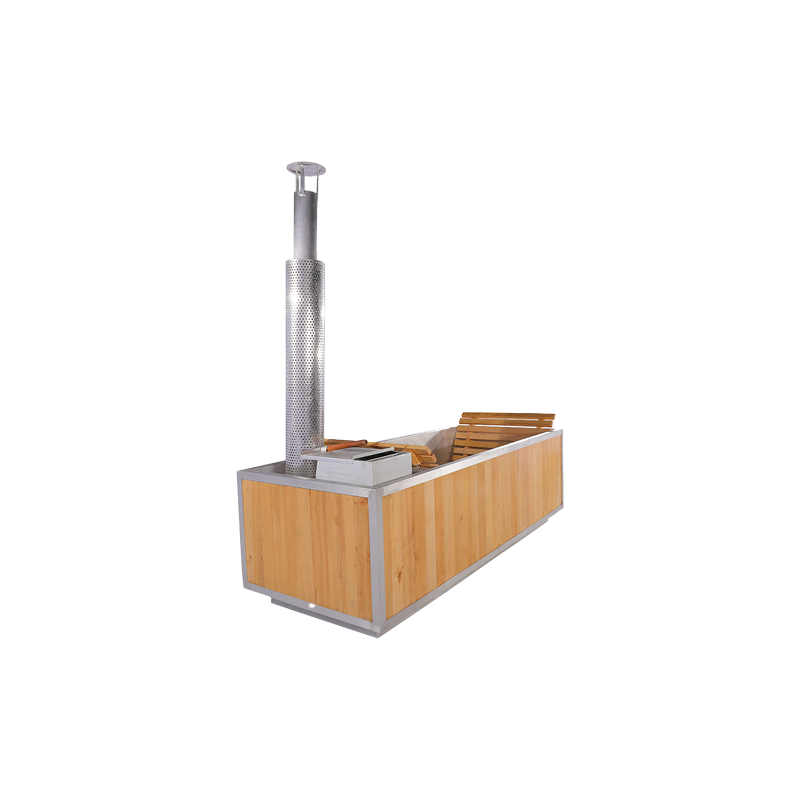
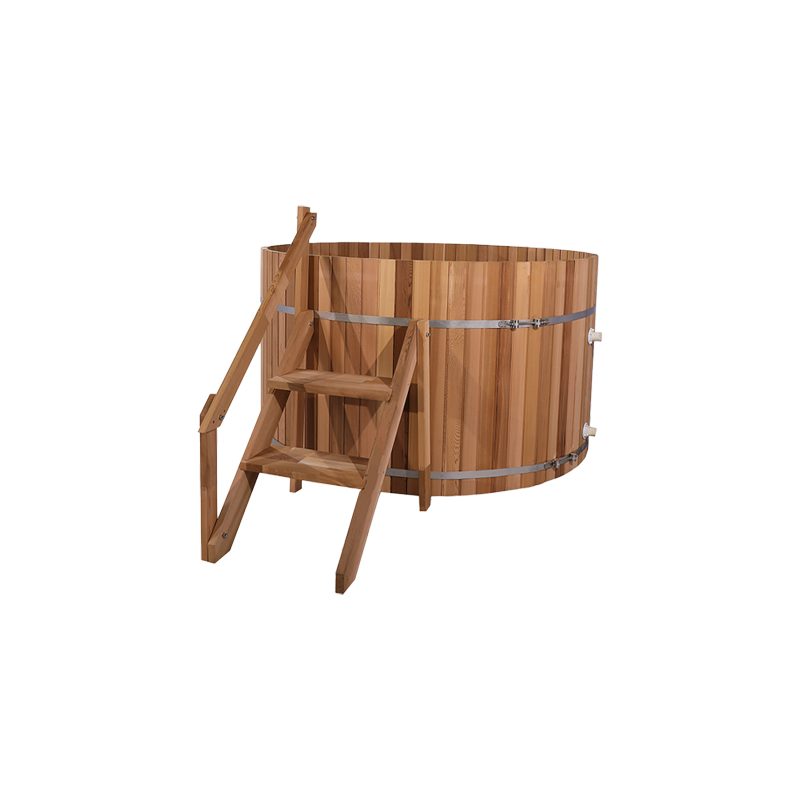
In high-end hospitality applications like resorts and wellness centers, there are large number of consumers coming in. It’s vital that the machinery remains operations and performs at its peak functionality for every session. High paying customer expect a premium experience from the hot tubs. Using nature-inspired elements adds to the sophistication of hardware. Brands offer traditional features such as wood-fired heating and rustic aesthetics for customers in commercial retreats.
The Importance of Quality, Sustainable Wood
To survive the constant use that this exclusive equipment is subjected to in a commercial environment. They must be built with premium-grade material. Builders prefer high-quality woods like Canadian Red Cedar or Hemlock because they are naturally resist rot, insects, and maintain their shaping without bending or twisting over time. To cope with the changing landscape, these builders prefer FSC-certified wood material to ensure ethical sustainability standards.
How Smartmak Supports Modern Wellness Businesses
For modern businesses that want to find a partner that provides premium-grade equipment with 20 years of expertise should consider Smartmak. They export their exquisite wellness equipment across six continents. They specialize in advanced heat therapy-related equipment, which includes infrared saunas.
Smartmak produces top-quality hardware but also provides OEM/ODM services for B2B. They can convert a 3D model into a physical reality for their clients.
Best Practices for a Safe and Relaxing Spa Experience
Before Entering the Hot Tub
- Make sure you drink at least 500ml of water 30 minutes before getting in. It will help prevent any chances of dehydration.
- Avoid drinking alcohol or having heavy meals beforehand. These can cause changes in blood pressure.
- Always test your water with an independent temperature reader. Do not rely solely on the tub’s built-in sensor. Otherwise, there are high chances of skin burns with temperature sensor failure.
During Your Session
- Always actively manage your soaking time. Connoisseur sets a separate digital timer of 15 to 30 minutes.
- For longer sessions, break them down into sessions of 15 minutes followed by a 5-minutes cool down.
- If you start to feel too warm or the timer goes off, sit in the age of the tub to cool off. Take at least 6 minutes before completely exiting the hot tub.
- In case children are using the hot tub, ensure adult supervision. Keep a constant eye.
After Using the Hot Tub
- Once you get out of the hot tub, avoid shocking the body with a freezing cold shower. Allow the body to return to room temperature gradually.
- Vasodilation of blood vessels lasts for up to 60 minutes. Avoid any intense exercise and let your heart beat come back to its normal rate.
- Rehydrate and cool down gradually.
Conclusion
To have the best experience in hot tub sessions its vital to ensure personnel safety and equipment health. Closely monitoring the body temperature and limiting the time of each session ensures that the expereinnce is remain comfortable and has a positive impact on the health. Alongside personal safety its equally important to ensure that the equipment remains in its optimal operating condition. The addition of Epson salt is a strong move. It drastically changes the pH and increases the TDS of the water. The result is rapid corrosion of the metal-based parts of a modern hot tub.
While adding Epson salt is considered ok for standard tubs, using it in modern hot tubs can result in equipment damage. For a home or commercial setup, consider investing in high-end equipment from Smartmak. Their hot tubs are made with luxury-oriented Canadian Red Cedar Wood that is both eco-friendly and reliable. They also offer Infrared saunas that provide deep heat penetration and are considered safer than hot tubs.
Visit https://www.smartmak.com/ to explore all their premium wellness products.
FAQ
- Can you put Epsom salt in a hot tub without damaging it?
Modern hot tubs are made with sophisticated equipment that can be damaged by Epsom salt. Adding just a few cups to a typical water capacity of a hot tub can increase the TDS of water beyond 1500ppm. It can lead to scale buildup and no warranty coverage from the manufacturer.
- What happens if you stay in a hot tub too long?
Staying in a hot tub for too long starts to put stress on the body. Instead of the positive effects, you may suffer from dehydration, blood pressure issues, psychological stress, and skin irritation. In extreme cases, it can lead to drowsiness and slowness of the muscles.
- Is it safe to use a hot tub every day?
Using a hot tub every day is considered safe as long as precautions are carefully adhered to. Keeping hot tub sessions limited to 30 minutes. Soaking in a hot tub regularly can improve sleep, reduce inflammation, and stress.
- Can children stay in a hot tub for the same amount of time as adults?
Children under the age of five should not be introduced to hot tubs. For ages five to ten, consider limited sessions of 5 to 10 minutes under adult supervision. Ensure that the temperature is always kept lower than 98F.
- What are the signs of overheating in a hot tub?
When overheating, your body has multiple natural responses. These include dizziness, nausea, rapid heartbeat, flush skin, paradoxical chills and sudden confusion.