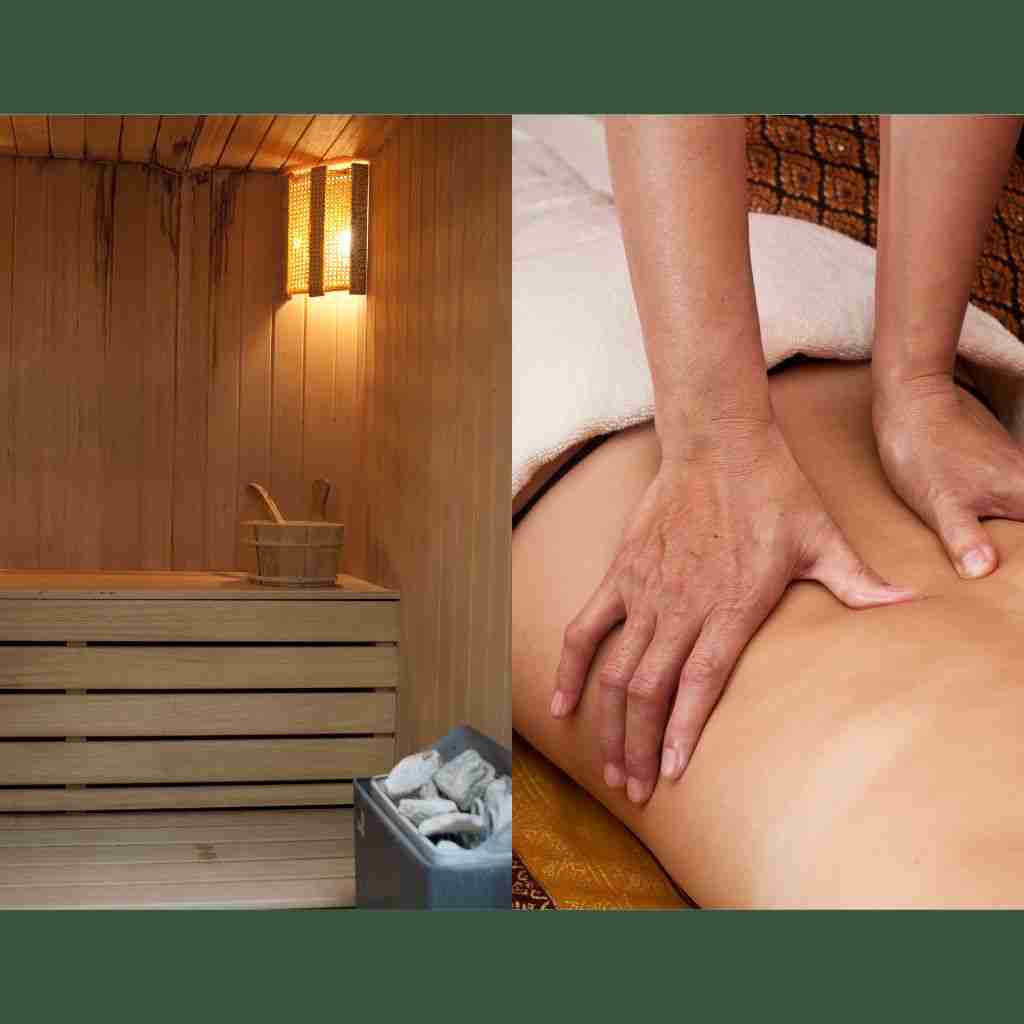
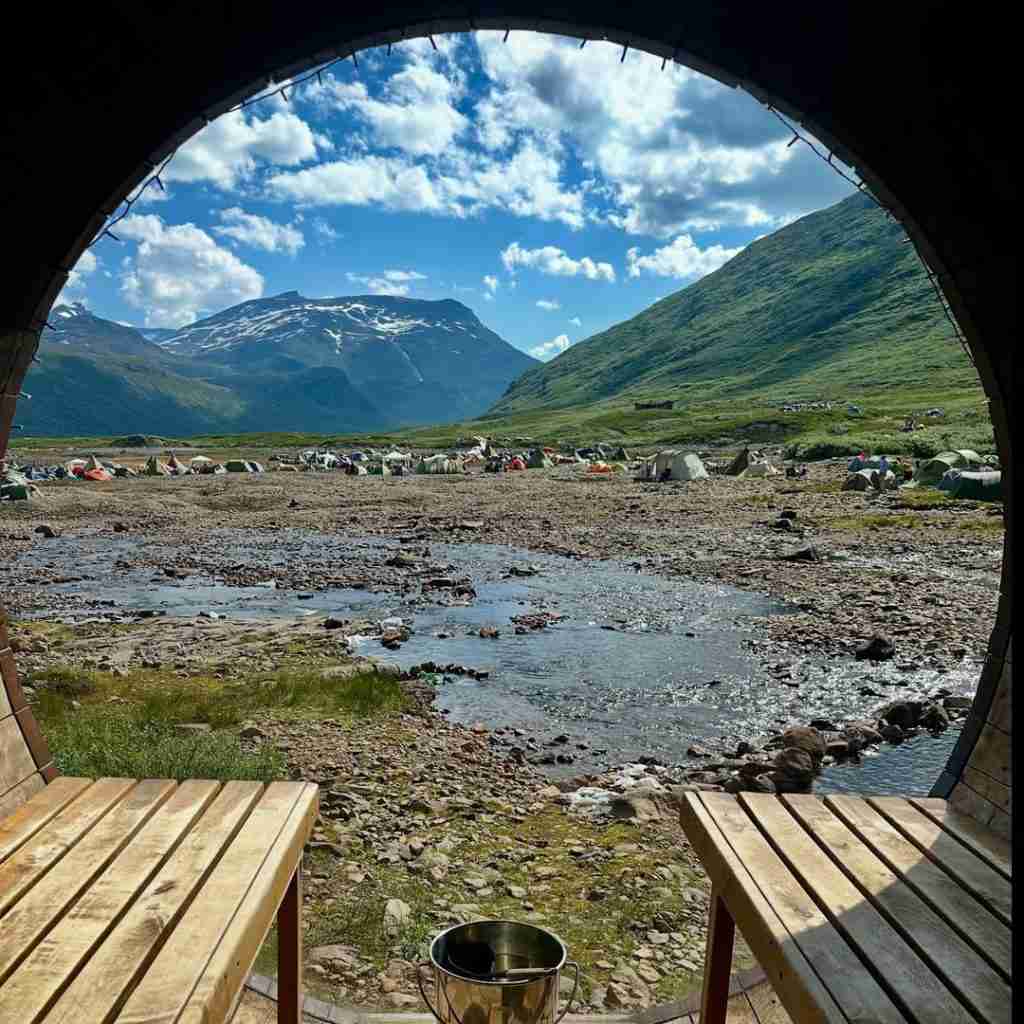
The straightforward answer is that a standard four-person sauna typically measures approximately 5 feet by 6 feet in footprint, with an interior height ranging between 6.5 to 7 feet. This configuration yields roughly 30 square feet of floor space and provides the perfect balance of volume and seating capacity. In a sauna of this size, four average-sized adults can sit comfortably side-by-side or across from one another without their knees touching, while one or two users can easily lie down flat to stretch out, meditate, or practice light yoga. However, while knowing the precise dimensions is the first step, navigating the vast array of sauna sizes and configurations on the market can be a complex endeavor. You are seeking to guarantee a highly comfortable, restorative experience where you can unwind, socialize, and rejuvenate. Perhaps you envision hosting a small group of friends for a wellness evening, or you want a space where your entire family can gather and bond while detoxifying.
At the exact same time, you must ensure that the unit you purchase actually makes sense for your property. A sauna cannot dominate your living space or overrun your backyard to the point of being a nuisance. Furthermore, the physical footprint of the cabin directly influences financial considerations and thermodynamic efficiency. The sheer volume of the room dictates everything from your initial purchase price to your monthly utility bills. Therefore, understanding exactly how large your sauna should be is a critical part of the buying process.
This comprehensive, rich guide into the world of common sauna dimensions is designed to provide you with absolute clarity. We will cover everything you could possibly need to know to size your personal sweat lodge to utter perfection. From standard cabin heights and heat stratification to a detailed breakdown of the various sizes available to you, we have you covered.
If you want to skip the guesswork, we highly recommend utilizing specialized sizing quizzes offered by premium retailers to find your ideal match, or reaching out directly to a dedicated customer service team for customized, handcrafted recommendations curated by sauna experts. Regardless of the exact spatial requirements of your home, rest assured that the perfect model exists for you.
Why The Dimensions of Your Sauna Are Absolutely Critical
It is easy to assume that picking the size of your sauna simply comes down to measuring the empty corner in your basement or the concrete pad on your patio. While ensuring that the unit physically fits into a specific zone of your property is undoubtedly the most immediate hurdle, it is only a single piece of a much larger, more intricate puzzle.
Many prospective sauna owners do not initially grasp just how monumental of a role the cabin’s dimensions play in their overall daily experience. The size affects the intensity of the heat, your upfront financial investment, the labor involved in installation, and the long-term operational expenses you will incur over the next decade. Here is a deep dive into why sauna dimensions must be calculated with the utmost precision.
Unmatched Comfort and Maximum Usability
When you step into a hot sauna, your primary goal is relaxation. To achieve this, you need an adequate amount of interior space to sit up straight, recline backwards, lie completely flat, or perform gentle stretching without feeling claustrophobic or restricted. If a room is too small for your intended use, the experience quickly transforms from a luxurious spa retreat into a cramped, uncomfortable chore. A larger sauna inherently provides a wider variety of seating arrangements—such as multi-tiered benches—and can simultaneously accommodate multiple users. This makes larger models the ultimate choice for large households, individuals who frequently entertain guests, or those who simply prefer a cavernous space for solitary reflection.
Furthermore, ensuring sufficient interior height is absolutely vital to prevent the discomfort of having to stoop, crouch, or hunch over when entering, exiting, or standing inside the cabin. Beyond human ergonomics, proper spatial dimensions facilitate optimal air circulation. When a sauna is properly proportioned, the convective currents of hot air can flow freely around the occupants. This natural circulation is what maintains a stable, even temperature from the upper benches down to the floorboards, resulting in a profoundly pleasant and deeply therapeutic sweat session.
Long-Term Cost Considerations
A question that naturally follows the sizing inquiry is: “Exactly how much is this going to cost me?” When it comes to pricing, physical size is undeniably the most heavily weighted factor. Quite simply, larger saunas demand a greater quantity of premium materials—such as high-grade timber, tempered glass, and heavy-duty hardware—to construct. This naturally drives up the baseline retail price.
Beyond the sticker price, larger dimensions can trigger escalated installation and logistical costs. A massive eight-person sauna might require professional carpenters, specialized heavy freight delivery, or structural modifications to your home, such as reinforced flooring or upgraded electrical panels. Moreover, the financial impact does not stop once the sauna is built. A larger cubic volume of air requires a significantly more powerful heater to reach the desired temperature. Operating a 9kW or 12kW heater for a sprawling cabin will inherently consume more electricity or require more firewood than a compact 4.5kW unit designed for a two-person room, meaning your monthly utility bills will rise proportionally with the size of the sauna.
Thermodynamic Efficiency and Peak Performance
It is a common misconception that bigger always equates to better. In the world of saunas, this is a fallacy. Just because you possess an expansive backyard and a limitless budget does not automatically mean you should purchase a massive, commercial-sized unit. In reality, purchasing a sauna that is excessively large for your everyday needs can severely detract from the optimal user experience.
A thoughtfully sized sauna—one that perfectly matches the number of daily users—heats up exponentially faster and retains its core temperature with far greater efficiency. This guarantees a consistent, deeply penetrating, and thoroughly enjoyable heat therapy session. If you purchase an eight-person sauna but only use it by yourself, you will find yourself waiting an incredibly long time for the massive volume of air to reach your preferred temperature, wasting both time and energy.
Properly matching the dimensions of the room to your lifestyle ensures that the integrated heating elements are correctly calibrated for the space. This harmonious balance optimizes energy consumption, minimizes wear and tear on the heater, and vastly enhances the overall performance and lifespan of the entire system.
A Detailed Breakdown: How Big is a Sauna Supposed to Be?
Let us dive deeply into the most common sauna dimensions available on the current market, beginning with a critical overview of standard vertical height before exploring the specific width and length configurations of various models.
The Importance of Standard Sauna Height
The industry standard height for both traditional and infrared saunas almost universally falls between 6.5 feet (78 inches) and 7.5 feet (90 inches). This specific vertical parameter is not arbitrary; it is a meticulously calculated dimension designed to serve two distinct purposes. First, it provides ample headroom so that the vast majority of users can stand fully upright without grazing their heads on the ceiling, while also allowing for comfortable upright seating on the upper-tier benches.
Secondly, and perhaps more importantly, this height limit optimizes heat retention. Heat naturally rises. If a sauna ceiling is constructed too high—for instance, eight or nine feet tall—the most intense, valuable heat will rapidly pool at the very top of the room, far above the users’ heads. This forces the heater to work significantly harder and run much longer just to push the heat down to the seating level, resulting in a wildly inefficient system and a drafty, uneven experience. By keeping the ceiling around 7 feet, the dense, hot air remains perfectly enveloped around the bathers.
Common Sauna Footprints by Capacity
Where you will encounter the most dramatic variance in sauna dimensions is in the width and length. Below is a highly detailed breakdown of common sauna sizes, categorized by the number of individuals they can comfortably house at a single time:
- 1-Person Sauna (Approx. 3 feet by 3 feet): Designed specifically for solitary use, this ultra-compact model is an ingenious solution for those living in apartments, condominiums, or homes with severely limited extra square footage. Taking up less space than a standard walk-in closet, it provides a highly efficient, rapidly heating personal sanctuary.
- 2-Person Sauna (Approx. 4 feet by 4 feet): A highly popular choice for couples or individuals who desire just a bit more elbow room. This size easily fits into master bathrooms, spare bedrooms, or small patios. It allows two people to sit side-by-side intimately or gives one person enough room to comfortably prop their legs up.
- 3-Person Sauna (Approx. 4 feet by 6 feet): This intermediate size begins to offer true versatility. The extended 6-foot length typically allows one average-sized adult to lie down completely flat on the bench, which is a massive upgrade for those who prefer to recline while sweating. Alternatively, it comfortably seats three adults upright.
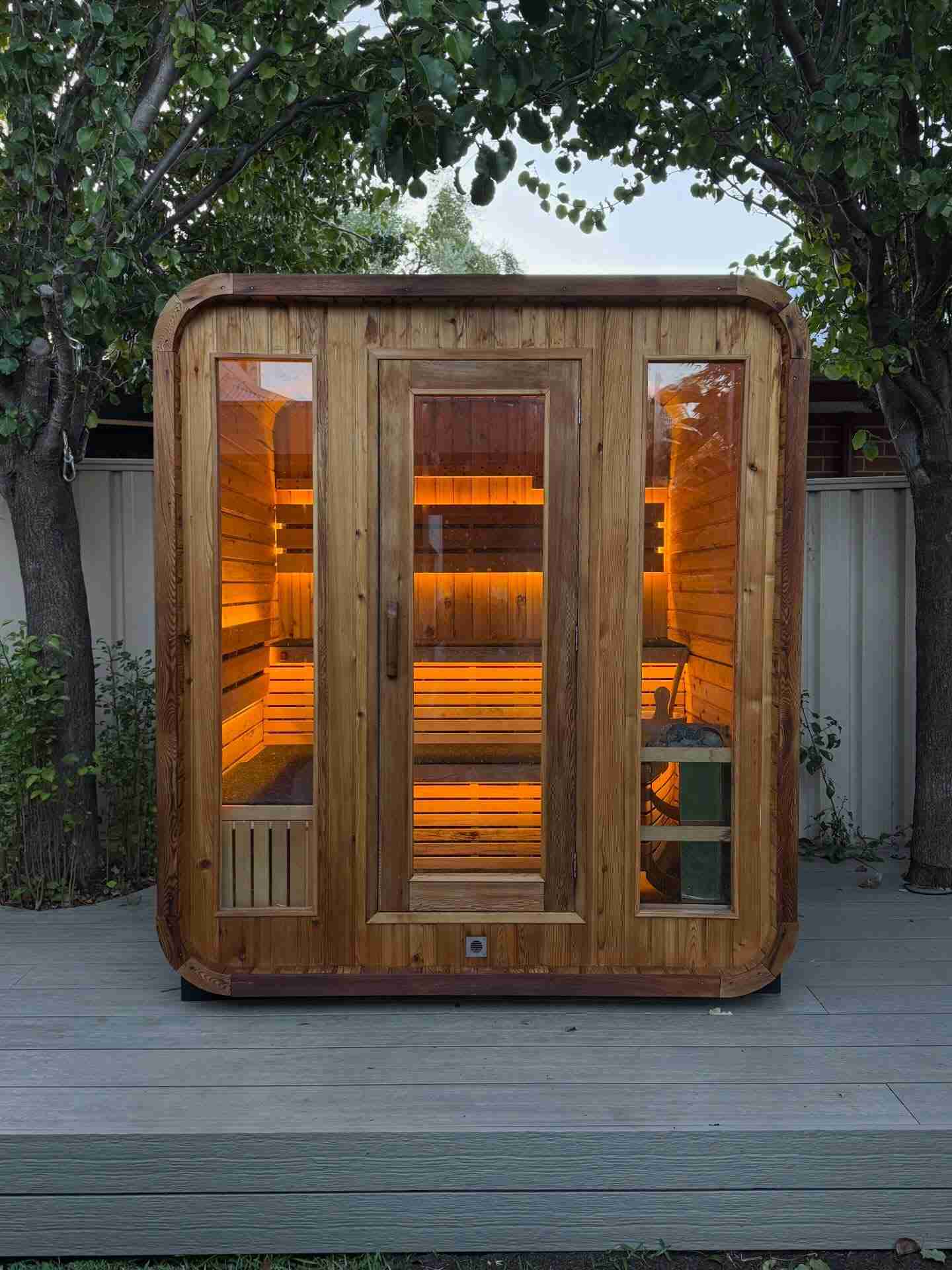
- 4-Person Sauna (Approx. 5 feet by 6 feet): As posed in our title, this is the gold standard for small families and those who occasionally host guests. With roughly 30 square feet of interior space, it boasts ample room for four people to converse comfortably. It strikes the perfect balance between spaciousness and heating efficiency, making it one of the most widely sought-after dimensions on the market.
- 5-Person Sauna (Approx. 6 feet by 6 feet): A square configuration that feels incredibly roomy. This size often incorporates L-shaped bench layouts, promoting face-to-face conversation and social interaction. It is a fantastic option for dedicated home wellness rooms or spacious outdoor decks.
- 6-Person Sauna (Approx. 6 feet by 8 feet): Stepping into the realm of large-capacity saunas, this dimension is highly social. It provides enough room for multiple people to recline simultaneously or for a half-dozen people to sit comfortably without overlapping personal space.
- 7-Person Sauna (Approx. 8 feet by 8 feet): A massive, symmetrical space that is often utilized in high-end luxury homes or semi-commercial settings. It requires a dedicated, large area and a robust heating system, but offers an unparalleled social environment.
- 8-Person Sauna (Approx. 8 feet by 10 feet): This is generally the largest standard residential sauna available before venturing into completely custom commercial builds. It is designed for large social gatherings, big families, and expansive outdoor backyard retreats. Heating a room of this size requires a high-kilowatt heater and heavy-duty electrical wiring.
Therefore, the ultimate advice for sizing your personal sauna to absolute perfection is to honestly evaluate your lifestyle and anticipate the number of people who will realistically be inside the cabin at the exact same time on a regular basis.
If you are a solitary individual who views sauna time as private meditation, a 1-to-2 person unit is more than sufficient. Simply because you can envision a hypothetical scenario where you might host a large dinner party does not justify purchasing an 8-person sauna. You must approach this investment with practicality; otherwise, you will pay a massive premium upfront and endure unnecessarily high utility bills for empty space.
Conversely, if you are deeply passionate about sharing the holistic benefits of heat therapy with your children, extended family, and a wide circle of friends, then investing in a generous 4-to-8 person sauna is incredibly worthwhile. Just remain fully cognizant of the associated costs and meticulously measure your intended installation site to guarantee that there is more than enough clearance for the structure, the door swing, and adequate ventilation.
Navigating Beyond Dimensions: Other Vital Factors in Picking the Perfect Sauna
While physically sizing your sauna is paramount, it is only the beginning of your journey. From deciding between a rustic outdoor cabin and a sleek indoor unit to selecting the optimal wood species, heating technology, and brand reputation, there is an immense amount of thought that goes into seamlessly integrating a sauna into your daily life. However, trust the process—every ounce of research and preparation will pay immense dividends when you finally experience the life-changing benefits of your personal wellness retreat.
You do not have to endure the stress of making these choices alone. Top-tier retailers and dedicated sauna experts are always just a phone call or an email away, ready to assist you. Beyond the physical footprint, here are the most critical elements you must weigh during your selection process:
Premium Materials and Robust Construction
The specific species of timber utilized in the manufacturing of your sauna profoundly influences its longevity, structural integrity, heat retention capabilities, and overall aesthetic appeal.
Canadian Western Red Cedar and premium Hemlock are universally revered as the undisputed champions of sauna construction. These specific woods are naturally endowed with a unique cellular structure that prevents them from expanding, contracting, cracking, or warping when exposed to extreme, rapid fluctuations in heat and humidity.
Furthermore, Western Red Cedar secretes natural oils that make it inherently resistant to rot, decay, and insect infestation, making it especially ideal for outdoor models. It also boasts powerful antimicrobial properties and emits a rich, earthy, deeply soothing aroma when heated, elevating the sensory experience of your session. Because of these unparalleled attributes, cedar is often considered the gold standard material for luxury saunas.
Innovative Heating Technologies
Perhaps the single most important decision you will make, secondary only to size, is determining exactly how your sauna generates its heat. The modern market essentially offers two completely distinct modalities: the traditional convection sauna and the modern infrared sauna.
Traditional saunas utilize either high-powered electric resistance heaters or authentic wood-burning stoves to superheat a compartment of volcanic rocks. The rocks then radiate immense heat into the air, raising the ambient temperature of the room to anywhere between 150°F and 195°F. Users can also ladle water directly over these scorching rocks to instantly generate thick, rolling clouds of steam (loyly), which drastically increases the perceived heat and humidity. While these systems provide the most authentic, ancient sauna experience, they require a longer heat-up time and draw more power. However, utilizing high-quality insulation and energy-efficient modern heaters can easily offset these operational costs.
In stark contrast, infrared saunas do not heat the air around you. Instead, they utilize advanced carbon or ceramic panels to emit invisible, far-infrared light waves. These gentle wavelengths pierce through the air and penetrate deeply beneath your skin, heating your core body temperature directly from the inside out. Because they do not rely on superheating the ambient air, infrared saunas operate at much lower, more comfortable temperatures—typically between 120°F and 140°F. This makes them an incredibly appealing, safer alternative for individuals who cannot tolerate the stifling heat or heavy humidity of a traditional sauna. Furthermore, infrared units plug into standard household outlets in many cases and are remarkably energy efficient.
Your ultimate choice should be dictated by your personal preference for heat intensity, your desire (or lack thereof) for steam, your available electrical infrastructure, and your long-term operating budget.
Strategic Installation and Ideal Location
Deciding where to place your sauna will heavily dictate the type of unit you purchase. Indoor saunas provide unmatched convenience, privacy, and year-round accessibility, regardless of the weather outside. However, they require careful planning regarding home ventilation, as you must manage the heat and moisture output to prevent mold or damage to your drywall.
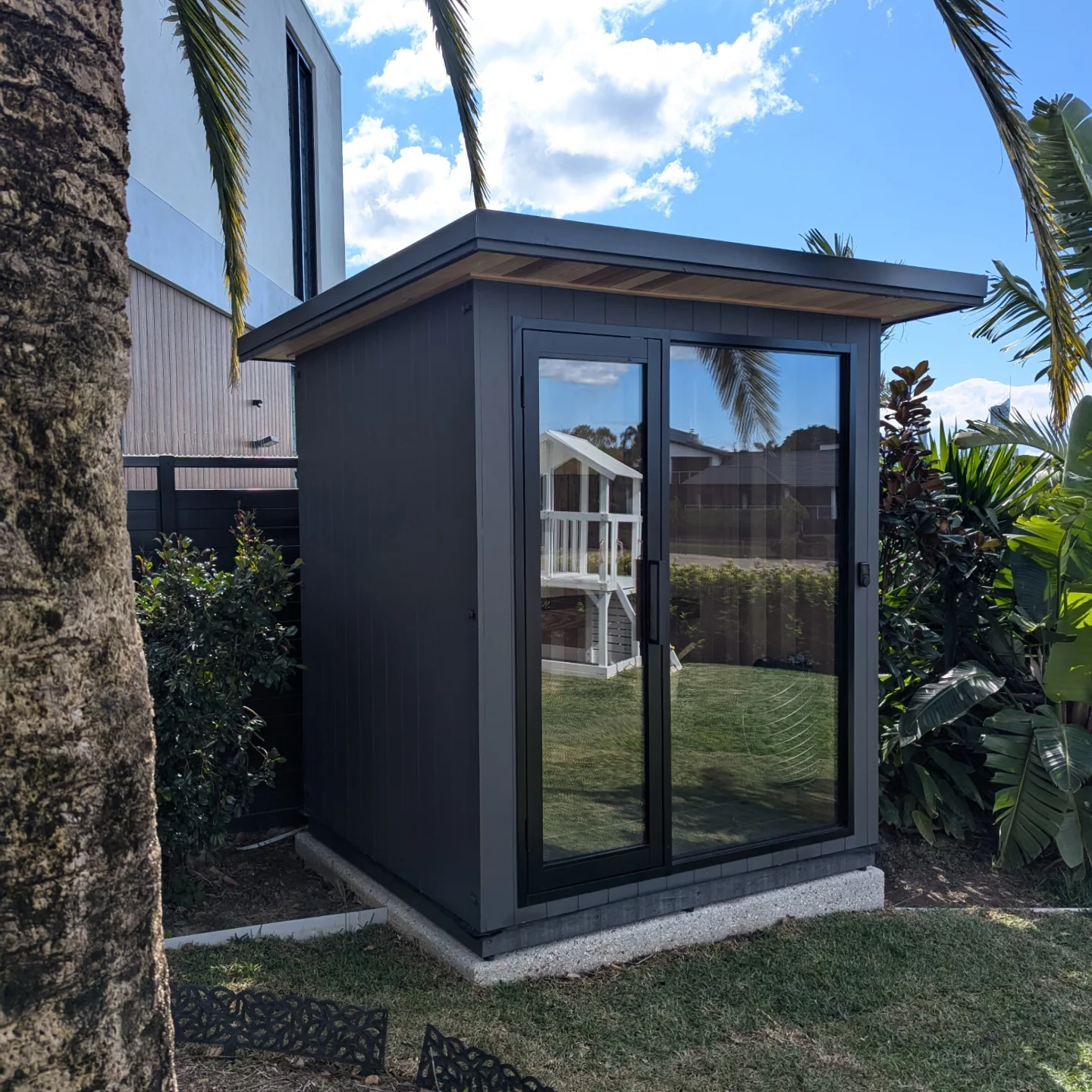
Outdoor saunas, such as stunning barrel saunas or pitched-roof cabin styles, blend beautifully into natural landscapes and offer a deeply grounding, rustic experience. However, they must be constructed with heavy-duty weather-resistant roofing and placed on a perfectly stable, level foundation, such as poured concrete, decking, or compacted gravel.
Furthermore, you must heavily factor in your local geographic climate. If you reside in an area that endures brutal, sub-zero winters, an outdoor traditional sauna will take significantly longer to reach its target temperature, fighting against the frigid outside air, which will subsequently cost more to operate. In harsh climates, placing your sauna indoors—perhaps in a basement or garage—is often the more pragmatic, energy-efficient choice.
Always evaluate your proximity to a dedicated electrical sub-panel, as most traditional saunas require 220V hardwiring by a licensed electrician. While the prospect of a DIY assembly is incredibly tempting to save on labor costs (and many modular saunas are designed for just that), it is highly recommended to seek professional installation for larger, multi-person models or wood-burning units to guarantee absolute safety, structural stability, and fire code compliance.
Enhancing Your Well-Being with the Health Benefits of a Properly Sized Sauna
Once you have meticulously selected the perfect size—say, a beautiful 4-person cabin that fits impeccably on your patio—the true magic begins. The health benefits associated with regular sauna use are scientifically proven and genuinely transformative. Having a sauna that is perfectly sized for your body allows you to relax fully, which is the necessary catalyst for these physiological benefits to take effect.
Cardiovascular Conditioning and Circulation
When you enter a sauna, the intense heat causes your blood vessels to dilate rapidly. To cool your body down, your heart rate increases significantly, often mimicking the cardiovascular exertion of a moderate workout like brisk walking or light jogging. This increased cardiac output strengthens your heart muscle over time, improves arterial compliance, and vastly enhances overall blood circulation. Better circulation means more oxygen and vital nutrients are delivered efficiently to your brain, muscles, and vital organs, promoting rapid healing and heightened energy levels.
Deep Cellular Detoxification
Sweating is one of the human body’s most effective mechanisms for eliminating toxins. Because a properly sized 4-person sauna creates an even, deeply penetrating heat envelope, it induces a profound, voluminous sweat. This deep sweat flushes out heavy metals such as lead, mercury, and cadmium, as well as environmental chemicals and metabolic waste products stored deep within your adipose (fat) tissue. Regular sessions leave your skin glowing, your pores cleansed, and your internal systems purified.
Muscle Recovery and Pain Relief
For athletes, manual laborers, or anyone suffering from chronic pain conditions such as arthritis or fibromyalgia, the heat of a sauna is a miracle worker. The elevated temperatures cause your muscles to relax fully, releasing built-up lactic acid and easing severe tension. The influx of oxygen-rich blood soothes inflamed joints and accelerates the repair of micro-tears in muscle tissue following intense physical exertion.
Mental Health and Stress Reduction
Perhaps the most immediately noticeable benefit is the profound impact on mental well-being. The quiet, warm isolation of a sauna—especially when sized right so you do not feel cramped—forces you to disconnect from digital screens and the chaotic stress of daily life. The heat stimulates the release of endorphins (the body’s natural painkillers and mood elevators) while simultaneously lowering cortisol (the primary stress hormone). This biochemical shift naturally induces a state of deep tranquility, drastically improving sleep quality and combating symptoms of anxiety and depression.
The Ultimate Maintenance Guide for Your 4-Person Sauna
To ensure that your newly acquired 4-person sauna continues to provide these incredible benefits for decades to come, implementing a strict, regular maintenance routine is absolutely essential. Fortunately, maintaining a high-quality wood sauna is surprisingly simple if you follow a few foundational rules.
Wood Care and Moisture Management
The interior wood of your sauna is completely untreated to prevent toxic off-gassing when heated. Because it is raw wood, it is highly susceptible to absorbing sweat. The single most important rule of sauna maintenance is to never sit directly on the bare wooden benches. Always require yourself and your guests to sit or lie on thick, highly absorbent cotton towels. This simple act prevents body oils, dead skin cells, and sweat stains from permanently discoloring and degrading the timber.
After every single use, it is critical to leave the sauna door propped wide open while the heater cools down. The residual heat radiating from the rocks or panels will efficiently evaporate any lingering moisture on the walls and benches, preventing the growth of mold, mildew, or foul odors.
Routine Cleaning Procedures
Once a month, you should perform a basic wipe-down of the interior. Use a soft bucket of warm water mixed with a very mild, natural wood cleaner or a heavily diluted solution of baking soda. Take a soft cloth or a gentle scrub brush and lightly wash the benches, backrests, and floorboards. Never use harsh chemical cleaners, bleach, or ammonia, as these will soak into the porous wood and release highly toxic fumes the next time the sauna is heated.
If the wood begins to look dry or loses its natural luster after a few years, you can lightly sand the benches with fine-grit sandpaper to reveal a fresh layer of beautiful, fragrant wood underneath.
Heater and Stone Maintenance
For traditional saunas, the sauna stones are the heart of the room. Over time, the repeated cycle of extreme heating and rapid cooling from cold water causes the volcanic rocks to crack and break down. Once a year, you should remove all the stones from the heater basket. Vacuum out any dust or small gravel fragments that have fallen to the bottom, as these can restrict airflow and damage the heating elements. Discard any severely cracked stones and replace them with fresh ones, repacking them loosely to ensure optimal air circulation.
Modern Advanced Features to Elevate Your Experience
The classic, rustic sauna experience is fundamentally about stripping away distractions, taking a moment to focus entirely on your physical self, and indulging in pure, unadulterated relaxation. However, the modern wellness industry has introduced a plethora of incredible technological advancements. Today, you can customize your 4-person sauna with an array of luxurious comforts that elevate the experience from simple heat therapy to a multisensory spa event.
Consider integrating medical-grade chromotherapy (color light therapy) systems. These specialized LED lighting arrays bathe the interior of the sauna in specific spectrums of light—such as soothing blues for mental calm, vibrant reds for cellular energy, or gentle greens for systemic balance—enhancing the psychological benefits of your session.
Built-in, heat-resistant Bluetooth sound systems allow you to wirelessly stream guided meditations, classical music, or your favorite podcasts directly into the cabin. Ergonomic, contoured backrests and S-curve seating eliminate pressure points on your spine, allowing you to relax longer. Advanced digital control panels, often equipped with Wi-Fi connectivity, allow you to power on your sauna and adjust temperature settings directly from an app on your smartphone before you even leave the office.
Other highly sought-after features include fully programmable digital timers that ensure the sauna is piping hot the moment you wake up, and dedicated aromatherapy diffusers that infuse the thick, warm air with pure essential oils like eucalyptus, lavender, or peppermint, drastically enhancing respiratory health and sensory pleasure.
Financial and Budgetary Considerations
While investing in top-tier, premium saunas loaded with advanced features and constructed from elite materials requires a higher initial outlay, there are highly robust, affordable options available that deliver exceptional value and reliable performance. When formulating your budget, it is imperative to look beyond the initial retail price. You must carefully factor in the cost of freight shipping, the labor expenses for professional electrical installation, any necessary site preparation (like pouring a concrete pad), and the long-term operational costs of electricity or firewood.
Fortunately, many reputable dealers offer flexible financing plans, allowing you to easily divide the total cost into manageable monthly payments. This makes acquiring a life-changing, high-quality 4-person sauna accessible to a much broader range of homeowners. Furthermore, utilizing flexible spending accounts (FSA) or health savings accounts (HSA) to purchase your sauna with pre-tax dollars can result in massive financial savings, provided you have a note of medical necessity from a physician.
Frequently Asked Questions (FAQs)
1. How long does it typically take for a 4-person sauna to heat up to the optimal temperature?
The heat-up time heavily depends on the type of sauna and your ambient environment. An indoor infrared 4-person sauna generally takes about 15 to 20 minutes to reach its ideal operating temperature of 130°F. A traditional electric sauna of the same size, aiming for a much hotter 175°F to 190°F, will typically require 30 to 45 minutes to thoroughly heat the air and the stones. If the traditional sauna is located outdoors in a cold climate, this time can easily extend to an hour.
2. Can a 4-person sauna run on a standard household electrical outlet?
Generally, no. A 4-person traditional sauna represents a large volume of space that requires a powerful heater, usually ranging between 6kW and 8kW. This necessitates a dedicated 220V/240V electrical circuit, hardwired by a licensed electrician, similar to the power required for an electric oven or a clothes dryer. While some smaller 1-to-2 person infrared saunas can plug into standard 110V/15A outlets, a 4-person infrared model will almost certainly require a dedicated 20-amp or even 220V receptacle due to the higher number of heating panels.
3. Is it difficult to assemble a 4-person indoor sauna by myself?
Most indoor saunas, both traditional and infrared, are designed as modular “pre-fab” kits. They arrive in large, flat-packed panels (floor, ceiling, and four walls) that utilize simple buckling systems, latches, or basic screws to snap together. Two physically capable adults can typically assemble the wooden structure of a 4-person sauna in about two to four hours with basic hand tools. However, as previously mentioned, the electrical connection for the heater must be handled by a professional.
Bringing Our Comprehensive Sauna Sizing Guide to a Close
Selecting the absolute perfect sauna dimensions is the foundational step in guaranteeing profound comfort, maximum thermal efficiency, and lifelong satisfaction. It ensures that this significant investment fits flawlessly into your designated physical space while remaining comfortably within your operational budget. We sincerely hope that this exhaustive guide to sizing your sauna has provided you with a crystal-clear, comprehensive understanding of exactly which configuration is destined for your home.
Whether you ultimately decide on an intimate, ultra-compact cabin designed solely for personal evening reflections, or you opt for a spacious, luxurious 4-person sanctuary built to foster family bonding and wellness, it is imperative that you meticulously account for critical factors such as ceiling height, overall footprint, wood type, and heating modality to ensure you make the perfect choice on your very first attempt.
Remember, you never have to navigate the complexities of this decision blindly. You can effortlessly eliminate the guessing game by consulting with a dedicated sauna specialist today, or by utilizing interactive sizing quizzes available through top-tier suppliers. Sizing your personal wellness retreat to absolute perfection just became an effortless, exciting endeavor. Take that crucial first step toward transforming your health and your home today!