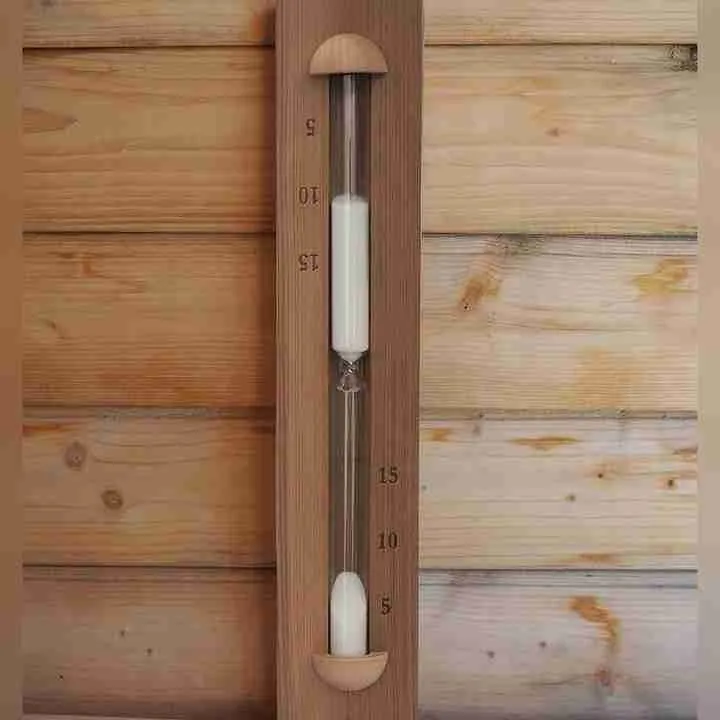
That most healthy adults should aim for 10 to 20 minutes per sauna session. If you are entirely new to heat therapy, you should start with shorter intervals of 5 to 10 minutes. Regardless of your experience level, fitness background, or heat tolerance, you should never push past 30 continuous minutes in a single, unbroken round. Achieving the perfect sauna experience is not about enduring the heat for the longest possible time; it is about finding the optimal rhythm of heating, cooling, and resting.
Welcome to the ultimate, comprehensive guide on sauna durations. Drawing from deeply rooted Northern European traditions—where sauna bathing is a weekly, sometimes daily, ritual—this article will break down everything you need to know about heat exposure. Nobody in authentic sauna cultures sits in a blistering hot room for an hour straight. The true magic lies in the rhythmic cycle of entering the heat, raising your core temperature, stepping out to cool down, and repeating the process.
1. What Is the Ideal Amount of Time to Spend in a Sauna?
When people first discover the profound benefits of sauna bathing, their first instinct is often to assume that “more is better.” However, thermoregulation—the way your body manages heat—is a delicate biological process. The sweet spot for a typical sauna bather is between 10 and 20 minutes per round.
To understand why this timeframe is universally recommended by health professionals and lifelong sauna enthusiasts alike, we have to look at what happens to the human body when exposed to extreme heat. During the first five minutes of a session, your skin temperature rises rapidly, but your core temperature remains relatively stable. Your body begins to initiate its cooling mechanisms, sending blood away from your internal organs and toward the surface of your skin.
By the 10-minute mark, your core temperature begins to genuinely elevate. Your heart rate increases to a level similar to that of moderate cardiovascular exercise, often reaching 100 to 150 beats per minute depending on the heat intensity. Your blood vessels dilate (vasodilation), improving circulation and delivering oxygen-rich blood throughout your body. This is the period where the most profound therapeutic benefits occur.
Staying between 10 and 20 minutes ensures that you reap the rewards of cardiovascular conditioning, heavy sweating, and muscle relaxation without crossing the threshold into dangerous dehydration or heat exhaustion. Pushing beyond 20 minutes in an intensely hot traditional sauna yields diminishing returns and exponentially increases the physical stress on your vital organs. Therefore, respecting the 10 to 20-minute rule is the foundational secret to a sustainable, lifelong sauna practice.
2. How Does the Type of Sauna Impact Your Session Duration?
Not all saunas are created equal, and the temperature and humidity of the environment completely dictate how long you can and should stay inside. A person transitioning from a gentle infrared cabin to a traditional Finnish sauna running at 190°F will immediately recognize that session lengths are not interchangeable. Here is the definitive breakdown of how long to stay based on the specific type of heat therapy you are utilizing.
Traditional Finnish Saunas (10 to 20 Minutes)
A traditional Finnish sauna utilizes an electric or wood-burning heater filled with dense sauna stones. These rooms operate at intensely high temperatures, typically ranging from 150°F to 195°F (65°C to 90°C), with a naturally low humidity level of around 10% to 20%. The hallmark of the Finnish sauna is the practice of throwing water over the hot stones to create a sudden burst of steam known as löyly. Because the ambient heat is so aggressive, your core temperature skyrockets quickly. The tradition in countries like Finland and Lithuania involves completing multiple, short rounds of 10 to 15 minutes, interspersed with cold plunges or rest periods in the cool air. Even for lifelong practitioners, 15 to 20 minutes in a single stretch is usually the absolute maximum.
Infrared Saunas (20 to 30 Minutes)
Infrared saunas rely on a completely different physical mechanism. Instead of using a stove to heat the ambient air, these cabins use panels that emit infrared light waves. These waves penetrate your skin and heat your body directly from the inside out. Because they do not have to superheat the air, infrared saunas operate at much lower, more comfortable temperatures—usually between 120°F and 150°F (50°C to 65°C). Due to this lower ambient heat, you can safely extend your session. In fact, you need to stay in longer to achieve a deep sweat. Most users find that it takes 15 to 20 minutes just to start sweating profusely in an infrared sauna. Therefore, sessions of 20 to 30 minutes are considered optimal and perfectly safe for most individuals.
Steam Rooms (10 to 15 Minutes)
While often grouped with saunas, steam rooms (or wet saunas) are entirely different beasts. They operate at much lower temperatures, typically hovering around 110°F to 120°F (43°C to 49°C). However, they maintain near 100% humidity. The science of heat transfer dictates that moist air conducts heat much more efficiently than dry air. Furthermore, the extreme humidity prevents your sweat from evaporating, which is your body’s primary method of cooling itself down. Because your body cannot properly cool itself, the heat feels overwhelmingly intense, and breathing can feel heavier. Because of this physiological trap, 10 to 15 minutes is a firm ceiling for most users in a steam room.
3. When Should You Increase Your Sauna Time Based on Experience?
Building heat tolerance is a biological adaptation that takes time. You cannot rush the process without risking your health. If you are starting a new sauna routine, you must structure your session lengths according to your experience level.
Complete Beginners (Weeks 1 to 2): The 5-to-10-Minute Rule
If you have never utilized a sauna before, your body is completely unaccustomed to severe heat stress. During your first few sessions, limit your time to just 5 minutes. Position yourself on the lower benches where the heat is less intense (heat naturally rises to the ceiling). Set a timer, listen to your body, and step out immediately if you feel overwhelmed. There is absolutely no physiological or psychological benefit to “toughing it out” through discomfort. Over the course of your first two weeks, try adding 2 to 3 minutes to each subsequent session. Your cardiovascular system and sweat glands will adapt surprisingly fast.
Regular Users (1 to 6 Months): The 10-to-15-Minute Sweet Spot
Once your body has adapted to vasodilation and you find yourself sweating more efficiently, 10 to 15 minutes per round will begin to feel deeply natural and relaxing. At this stage, you can confidently move to the upper benches to experience the full intensity of the room. The focus at this intermediate stage shifts from duration to consistency. Establishing a routine of three to four 12-minute sessions per week will yield significantly better long-term health results than attempting a single, grueling 25-minute marathon on the weekend.
Experienced Sauna Users (6+ Months): The 15-to-20-Minute Protocol
For veterans who have spent over six months consistently exposing themselves to heat therapy, 15 to 20 minutes per round becomes the standard. Experienced users often engage in full sauna ceremonies—completing three or four rounds of heat separated by cold immersion. While the entire experience may take 60 to 90 minutes, the golden rule remains intact: the actual continuous heat exposure per round rarely, if ever, exceeds 20 minutes.
4. Why Does Your Specific Wellness Goal Change Your Time in the Heat?
The duration of your session should be reverse-engineered from your primary wellness objective. What you are trying to achieve biologically heavily influences how long you need to sit on the bench.
For Cardiovascular Health: 15 to 20 Minutes (4 to 7 Times a Week)
If your goal is a healthier heart, consistency and duration are key. Extensive longitudinal data, including the famous Finnish studies tracking thousands of men over decades, revealed a dramatic reduction in cardiovascular disease, stroke, and all-cause mortality among frequent sauna users. The data showed that the greatest protective benefits were found in individuals who spent more than 19 minutes in the sauna per session, 4 to 7 times a week. This duration is required to sustain an elevated heart rate long enough to mimic moderate aerobic exercise, which conditions the endothelial function of your blood vessels.
For Muscle Recovery: 10 to 15 Minutes (Post-Workout)
Athletes and fitness enthusiasts use saunas to combat Delayed Onset Muscle Soreness (DOMS). When utilized after a heavy workout, a 10 to 15-minute session is all that is required. Because your body temperature is already elevated from your training, you do not need a lengthy session to trigger heavy sweating. The heat accelerates the removal of metabolic waste like lactic acid, soothes micro-tears in the muscle fibers, and increases nutrient-rich blood flow to fatigued areas. Entering the sauna within 30 minutes of finishing your workout maximizes this recovery window.
For Sleep Improvement: 10 to 15 Minutes (Before Bed)
Insomnia and poor sleep quality are incredibly common, but the sauna offers a natural remedy. A 10 to 15-minute session completed one to two hours before your desired bedtime can dramatically improve deep sleep architectures. The science behind this is fascinating: while the sauna sharply raises your core body temperature, stepping out causes a rapid, subsequent drop in temperature. This precise cooling mechanism is the exact biological signal your brain uses to initiate the sleep cycle and release melatonin.
For Stress Relief and Mental Well-being: 15 to 20 Minutes
In our hyper-connected, high-stress modern world, the sauna often serves as a sanctuary of silence. Spending 15 to 20 minutes in a distraction-free, intensely warm environment promotes the release of endorphins—the body’s natural painkillers and mood elevators. Furthermore, the passive heat stress actively lowers circulating cortisol (the primary stress hormone), leaving you in a state of profound, meditative relaxation.
5. Who Needs to Pay Extra Attention to Sauna Duration and Safety?
While sauna bathing is statistically incredibly safe for the vast majority of the population, certain demographics and situational factors require strict modification of the traditional timelines.
The Role of Hydration
This is the single most underestimated variable in sauna duration. If you enter a 180°F room in a dehydrated state, your safe session time is immediately cut in half. High heat prompts extreme perspiration, and you can lose up to a pint of sweat in a brief 15-minute window. You must consume 16 to 24 ounces of mineral-rich water prior to your session, and continue hydrating afterward. Dehydration leads to a dangerous drop in blood pressure and an increased risk of syncope (fainting).
Age Considerations
The biological extremes of age require tailored approaches. Young children have underdeveloped thermoregulatory systems and cannot sweat as efficiently as adults. In cultures where family sauna bathing is common, children are strictly limited to the lowest benches for a maximum of 5 minutes at cooler temperatures. Conversely, elderly individuals can enjoy incredible benefits from heat therapy but should limit sessions to 10 to 15 minutes at moderate heat, always consulting a physician first to rule out unstable cardiovascular conditions.
Medication Interactions
If you are taking prescription medications, your biological response to heat may be drastically altered. Beta-blockers can prevent your heart rate from increasing to meet the demands of vasodilation. Diuretics compound the dehydrating effects of extreme sweating. Antihistamines can actually impair your body’s ability to sweat. If you fall into any of these categories, rigorous consultation with a healthcare provider is mandatory before experimenting with sauna durations.
The Danger of Alcohol
There is no gray area here: alcohol and saunas are a lethal combination. Consuming alcohol before or during a sauna session artificially dilates your blood vessels while simultaneously acting as a diuretic, accelerating severe dehydration. It impairs your judgment, meaning you might ignore the body’s warning signs to exit. This combination frequently leads to severe hypotension, fainting, and cardiac events. Never mix the two.
Personal Health Conditions
Expectant mothers should clear sauna use with their obstetrician, as excessive core temperature elevation is a concern during early fetal development. Those with severe aortic stenosis, unstable angina, recent heart attacks, or incredibly low blood pressure must seek medical clearance.
6. How Do You Create the Perfect Sauna Session Routine?
A truly beneficial sauna experience is not just about the time spent inside the hot room; it is about the entire ritual. This structured protocol represents the optimal way to engage in heat therapy, maximizing the health benefits while prioritizing safety.
Step 1: The Pre-Hydration Phase (10 to 15 Minutes Prior)
Preparation begins before you ever touch the door handle. Drink a bare minimum of 16 ounces of water. Adding a pinch of sea salt or an electrolyte packet is highly recommended to pre-load your body for the impending sweat loss.
Step 2: The Cleansing Rinse
Take a quick, warm shower. This removes dirt, lotions, and oils from your skin, opening up your pores. Crucially, make sure you towel off and dry your skin completely before entering the sauna. Dry skin allows the sweat mechanism to activate much faster than wet skin.
Step 3: Round 1 – The Warm-Up (10 to 15 Minutes)
Step into the sauna. If you are still building tolerance, take a seat on the lower bench. As you acclimate, you can move to the top bench. Relax, breathe through your nose, and let the heat penetrate deeply. Do not stare at a clock; instead, focus on how your body feels. Exit the room between the 10 and 15-minute mark.
Step 4: The Crucial Cool-Down (5 to 10 Minutes)
This is where the magic of contrast therapy happens. Step outside into the fresh air, take a cool shower, or—if you are experienced—immerse yourself in a cold plunge pool. The rapid transition from hot to cold forces your dilated blood vessels to constrict rapidly, acting as a massive pump for your cardiovascular system. Allow your heart rate to return to its normal resting baseline.
Step 5: Round 2 – The Deep Sweat (10 to 15 Minutes)
Return to the sauna. You will notice that during the second round, your body begins to sweat almost immediately. Your pores are fully open, and your vascular system is primed. Match the duration of your first round, perhaps extending it by a minute or two if you feel strong and comfortable.
Step 6: The Second Cool-Down and Optional Round 3
Repeat the cooling process. At this point, most daily users will conclude their session. However, highly experienced bathers may opt for a third round. If you choose a third round, keep it slightly shorter (8 to 12 minutes) to prevent cumulative fatigue.
Step 7: The Final Rest and Rehydration
Once your final cool-down is complete, the session is not over until your body stabilizes. Sit comfortably in a room temperature environment for 10 to 15 minutes. Drink another 16 to 24 ounces of water. Allow your core temperature to naturally descend before putting on your clothes and continuing with your day or evening.
7. Where Do You Draw the Line and Exit the Sauna Immediately?
No matter how experienced you are, there will be days when your body simply cannot handle the usual duration. Factors like poor sleep, mild illness, or hidden dehydration can drastically reduce your heat tolerance on any given day. You must listen to your biological feedback. Your body’s internal alarms are infinitely more reliable than a digital timer on the wall.
You must exit the sauna immediately, regardless of how many minutes have passed, if you experience any of the following warning signs:
- Sudden Dizziness or Vertigo: A sign that your blood pressure has dropped too low to pump sufficient oxygen to your brain.
- Nausea or Stomach Cramping: An indicator of heat exhaustion and severe electrolyte depletion.
- Rapid, Fluttering, or Irregular Heartbeat: While an elevated heart rate is normal, palpitations or a wildly erratic pulse are not.
- A Sudden, Throbbing Headache: Often a sign of acute dehydration or a rapid spike in blood pressure.
- Confusion, Clumsiness, or Disorientation: The early warning signs of heat stroke, a severe medical emergency.
- A Sudden Cessation of Sweating: If your skin suddenly feels dry and hot while you are in the sauna, your body’s cooling system has completely failed. You are dangerously overheating and must exit and cool down immediately.
If any of these occur, move to a cool, well-ventilated area, drink cool fluids, lie down with your legs elevated (to return blood to the brain), and seek medical attention if the symptoms do not dissipate rapidly.
8. What Are Two Additional Features to Elevate Your Sauna Practice?
To transform a basic sauna routine into a masterclass in wellness, incorporating external supportive practices is essential. Here are two powerful additional features that can optimize your time in the heat.
Feature 1: Strategic Electrolyte Optimization
Water alone is often not enough when engaging in intense heat therapy. Sweat is not just water; it is a complex fluid containing massive amounts of sodium, potassium, magnesium, and calcium. When you sit in a sauna for 20 minutes, you are rapidly depleting these critical minerals. If you only replenish with plain tap water, you risk diluting your blood plasma further, leading to a condition known as hyponatremia (which causes headaches and lethargy). To optimize your session, consume an electrolyte-rich beverage 30 minutes before your session, and sip on one afterward. Many seasoned sauna veterans swear by a simple glass of water mixed with a quarter teaspoon of high-quality Celtic sea salt and a squeeze of fresh lemon to keep their cellular hydration perfectly balanced.
Feature 2: Mindful Box Breathing Techniques
The sauna is an extreme environment, and the sudden heat can initially trigger a mild “fight or flight” sympathetic nervous system response, causing shallow, panicked breathing. To take full advantage of the stress-relief benefits, practice mindful breathing techniques like “Box Breathing.” Inhale deeply through your nose for 4 seconds, hold the breath for 4 seconds, exhale slowly through your mouth for 4 seconds, and hold empty for 4 seconds. Repeating this cycle forces your autonomic nervous system to shift into the “rest and digest” parasympathetic state. It physically lowers your heart rate, allowing you to endure the heat more comfortably and emerge feeling profoundly grounded and calm.
9. What Are the Most Frequently Asked Questions About Sauna Bathing?
Even with a comprehensive understanding of times and temperatures, specific nuances often confuse both beginners and veterans. Here are the clear answers to the most common inquiries.
1. Is 30 minutes too long in a traditional sauna?
For a single, unbroken round in a traditional, high-heat Finnish sauna, the answer is an emphatic yes. A 20-minute mark is the absolute ceiling recommended by experts. When a traditional sauna is operating at 180°F or higher, staying in for 30 continuous minutes pushes the body past therapeutic benefits and straight into the territory of extreme cardiovascular stress, dangerous dehydration, and impending heat exhaustion. It is vital to note that infrared saunas are the exception to this rule; because they operate at much lower ambient temperatures (around 130°F), a 30-minute session is perfectly acceptable and often necessary to achieve a deep sweat. But in a traditional environment, stick to the 15 to 20-minute maximum.
2. Can you stay in a sauna for 1 hour?
You cannot, and should not, stay in any sauna for one continuous, uninterrupted hour. However, a complete sauna experience can absolutely span an hour or more. The crucial distinction is that an hour-long session is broken up into multiple rounds of heat separated by extended cooling and resting periods. For example, three 15-minute rounds in the heat, interspersed with two 10-minute cooling breaks, equates to over an hour of total time dedicated to the therapy. This hot-to-cold contrast therapy is exactly how Northern European cultures have practiced sauna bathing for centuries. It is the rhythmic cycle of heating and cooling that provides the health benefits, not an endurance test of sitting in an unbearable room for 60 uninterrupted minutes.
3. What is the minimum sauna time required to get the most benefits?
The minimum effective dose for heat therapy is generally considered to be 10 minutes. If you spend less than 10 minutes in the sauna, your core body temperature simply does not have enough time to elevate to the threshold required to trigger the physiological cascade of benefits. It takes time for the blood vessels to fully dilate, for the heart rate to achieve that cardiovascular exercise-like state, and for the body to begin producing protective heat shock proteins. If you are strapped for time and only have 10 solid minutes, that is sufficient to trigger a beneficial response. However, cutting a session to 4 or 5 minutes will mostly just warm your skin without providing any meaningful cardiovascular or metabolic advantages.
Final Thoughts on Perfecting Your Sauna Time
Mastering the art of the sauna is a highly personalized journey. While the science clearly dictates that 10 to 20 minutes is the optimal duration for cardiovascular conditioning, muscle recovery, and mental relaxation, the most important metric will always be how you feel in the moment. Whether you are stepping into a traditional wood-fired cabin, an electric Finnish sauna, or a soothing infrared room, your priority should always be safety, deep hydration, and listening closely to the biological signals your body provides.
Begin your journey slowly with short, 5-minute sessions. Respect the immense power of heat therapy, hydrate vigorously, and build your tolerance with patience. Over time, as your cardiovascular system adapts and your stress melts away, those 15-minute rounds will transform from an intense heat exposure into one of the most vital, rewarding, and deeply relaxing pillars of your lifelong wellness routine.