Introduction
Cold therapy was once limited to elite athletes. Now the secret is out in the open. It has become mainstream with the use of advanced machines. The benefits are all science-backed, explaining how it helps in physical performance and strengthens the immune system. It provides that intentionally getting cold exposure reduces the deep muscle aches and delayed onset muscle soreness. It also lowers overall irritation and swelling throughout the body.
As a business owner looking to invest in cold therapy, you will see that the market is split into three sections. These are DIY ice-based solutions, industrial-grade systems and basic water cooling systems. It’s important to understand the technical differences between the choices. Each of them offers different recovery methods, initial costs, and running costs. Let’s analyze them in depth to make sure we make a viable investment decision.
Comparing Cold Recovery Modalities
Cold Water Immersion (CWI) – Traditional Ice Baths
Traditional ice baths that use ice to lower the water temperature are scientifically called Cold Water Immersion. They require you to submerge the entire body in water less than 15C. A typical session lasts 5 to 15 minutes.
By design, these setups are very basic. They use simple metal containers made with galvanized steel. These are sometimes repurposed wooden barrels, and the temperature is manually controlled by dumping in bags of ice. As per clinical studies, the data show that the method is effective in reducing deep muscle aches for up to 96 hours. These are faster and more effective than simple resting. Research also points out that the psychological belief that the bath is easing their pain is just as significant as the physical reduction in muscle damage.
Advanced Cold Plunge Systems
Instead of using basic ice tubs, modern machinery allows the temperature to stay below 15C. With advanced control systems, they also maintain the temperature within the ±2C margin. Achieving such accuracy in commercial setups requires heavy-duty chillers with 1HP power.
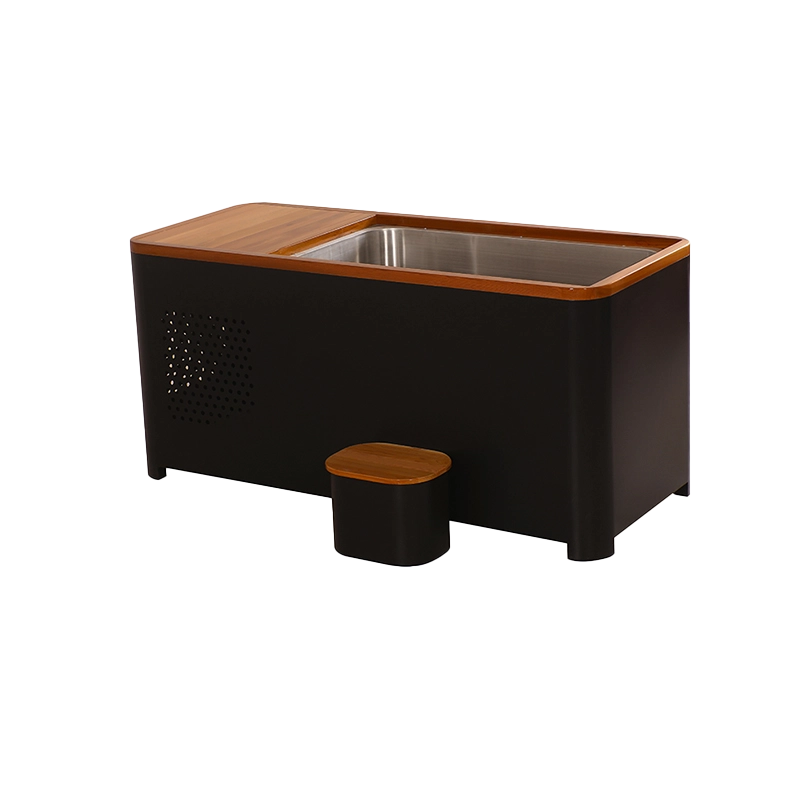
High-end commercial systems like those built by Smartmak are designed for gyms and spas. They have advanced filtration systems to handle larger footprints. They also contain the ozone sterilization provision for advanced water hygiene. They also include built-in Wi-Fi and computer panels, allowing you to set the temperature and operating schedules. It means your cold plunge will reach its optimal temperature before you open for business. They use specialized wood and glass viewing panels to make the cold plunge look like regular furniture, then industrial machinery.
Whole Body Cryotherapy (WBC)
Another popular strategy to lower the body temperature for recovery is whole body cryotherapy (WBC). These involve stepping into special cryogenic chambers. These machines surround the body with extremely cold air. It can reach as low as -100C or colder. It is done for a very brief time of 2 to 4 minutes. The process keeps you dry and happens very fast.
For time efficiency, most professional clinical settings go for cryotherapy. However,it’s ideal for managing specific and localized pain. Cold plunge still remains the ideal choice for deep muscle pains and relief. The physical weight of the water pushing against the muscles also aids in the recovery process. As per the heat transfer coefficient, the heat transfer to the body is much faster with water in comparison to air. It’s the main reason why cold plunge feels much more intense than WBC.
The Science of Cold Therapy Recovery
Physiological Response: Vasoconstriction and Inflammation
When stepping into the cold, the body immediately begins to react. The blood vessels start to restrict the flow and begin trying to keep the critical internal organs warm. The process is called vasoconstruction. This action also leads to the extraction of metabolic waste from the muscle tissues. It slows down the body from overreacting to the inflammatory response caused by a strenuous workout.
The lower blood flow to the peripheral tissue means the temperature in the muscle drops. This effect acts like a painkiller for acute injuries. Part of the reason why it works so well is that the cold actually slows down how fast our nerves send out signals. It means the brain requires a stronger signal to actually register pain. It is followed by the rebound phase when the temperature goes back up.
Metabolic Impact and Brown Fat Activation
Exposing the body to low temperatures can force the body into a state where it burns a lot of calories. It generates heat without the shivering called non-shivering thermogenesis. The calorie-burning process is primarily driven by the brown adipose tissue (BAT). Unlike regular white fat, it helps with glucose and lipid levels.
Medical professionals are increasingly turning to cold plunges as a medical therapy to combat obesity and type 2 diabetes. It increases insulin sensitivity. Also, frequent cold exposure may generate cold-shock proteins, which assist in combating cellular stress.
Mental Health and Stress Resilience
Submerging in cold water can cause a massive flood of brain chemicals called neurotransmitters. They play a huge role in making individuals feel good and alert. Both dopamine and norepinephrine, which are produced as a result of the therapy, can linger for hours. The chemical rush is strongly connected to better moods, sharper focus and a drop in depression and anxiety.
Drinking cold water also acts like a workout for your vagus nerve. It trains it to smoothly shift out of its sympathetic state. Then transits into a parasympathetic state. For people living with multiple sclerosis, a cold plunge can often wipe away the brain fog and restore sharpness.
Safety and Implementation Guidelines
Recommended Temperatures and Duration
It’s vital that we keep the temperatures within a range where therapy has been proven to show results. For most people, the water temperature window is around 10C. Interestingly, research indicates that the most intense bodily stress occurs right within the 10 to 15C range. Experienced personnel and athletes push the water temperature lower to 3 to 5C. This colder range is used to trigger a stronger response for a short period of time.
How long you stay in depends on the method you use. In the case of CWI, the process lasts 5 to 15 minutes. In cold plunges or cryotherapy, you require 2 to 3 minutes of short bursts. Cold plunges are like saunas at a colder temperature. Your main goal is to build muscle during workouts, so make sure to follow a schedule.
Mitigating Risks: Thermal Shock and Hypothermia
Safety should be the priority, and the best way to do it is to allow the body time to adjust. You should always gently step into the cold, rather than leaping or plunging. It may trigger involuntary gasp responses. Prolonged breath-holding can lead to passing out or drowning.
Individuals with cardiovascular conditions or high blood pressure must consult a doctor before using cold therapy. Sudden temperature changes can lead to a massive spike in both heart rate and blood pressure. In case of staying in water for too long, the situation can turn into a medical emergency. Hospitals may need to go for heated IV liquids and external rewarming strategies.
Always be aware of the after-drop. Your core temperature is still changing as you get out owing to the heat transfer phenomenon. Allow your body to cover. Use warm liquids and use a layered approach for clothing. Base for absorption and top for stopping heat transfer. Let your body shiver. It’s actually part of therapy.

Strategic Recovery Planning
Contrast Therapy: Pairing Heat and Cold
For contrast therapy, you need both hot and cold environments. To allow your blood vessels to rapidly open and close creates the pumping effect throughout your body’s circulatory system. A standard routine called “Nordi Cycle” requires sitting in a sauna for 15 to 20 minutes, followed by a short 2 to 3 minutes cold plunge. It’s the ideal technique to clear out metabolic byproducts after high-intensity training.
For a complete wellness setup at home, pair a cold plunge with an infrared or traditional barrel sauna. Experts suggest that you end the cycle of colds if you want to reduce inflammation. In case your focus is on muscle relaxation, end the cycle on hot.
Choosing the Right Modality for Your Goals
Selecting the best recovery tool depends on the specific physical needs and lifestyle.
- Athletic Recovery & Immediate Readiness
Best Choice: Cold Water Immersion or cold plunges
Primary Benefit: It combines rapid temperature reduction with hydrostatic pressure. The process is ideal for deep muscle aches and Delayed Onset Muscle Soreness.
- Everyday Wellness & Metabolic Health
Best Choice: Modern, automated cold plunge systems
Primary Benefit: Provides consistent temperatures and high convenience for daily use.
- Convenience & Moisture Control
Best Choice: Cryotherapy
Primary Benefit: Dry alternative to avoid water and reduce the total time required per session.
When deciding on long-term equipment, consider factors such as physical space. You will need the equipment to fit through your doors and reach the designated locations. Consider how frequently you are going to use the equipment. For a commercial wellness business, dedicated cold plunge tubs are generally more visually compelling. They are easier to market to clients. In comparison to cryotherapy pods, CWI equipment is a strong asset for gyms and spas.

Commercial Wellness Applications and Equipment Strategy
Why Cold Plunge Systems Dominate Commercial Settings
The major concern for wellness techniques other than cold plunge is that their equipment is niche-based. For cryotherapy, you need to procure Nitrogen which can be expensive and challenging to manage. Ensuring a constant supply of cylinders can become a headache for inventory control. In the case of an ice bath, you will need to produce ice, which is in itself an expensive process and challenging to manage.
Cold plunges work with consistency as long as there is an electrical supply. The setups are convenient, and there is no need for constant makeup. You only have to maintain the hygiene, which the equipment makes easier through the use of UV sterilization, ozone gas injection and filtration sub-systems.
Operational Efficiency and Consistent User Experience
From a business point of view, having an integrated chiller unit eliminates the logistics burden. You don’t need to buy, move and store hundreds of pounds of ice every day. Leading brands like Smartmak offer cold plunges that use the regular refrigeration cycle with advanced controls. They are easy to maintain and continue to work 24/7. It maintains the same temperature whether you have the first client of the day or the last. It will guarantee a highly accurate 4C session.
Smartmak Cold Plunge Solutions in B2B Applications
Commercial Design and Manufacturing Power
Smartmak systems are designed to handle heavy usage. They are ideal for hotels, fitness clubs and wellness centers. Each of their pieces of equipment is designed to provide consistent performance irrespective of back-to-back clients. They are ideal manufacturers to develop contrast therapy setups. They offer traditional wooden and infrared saunas with cold plunge equipment.
They have over 20 years of experience with 3 major productions. Smartmak can easily manufacture large orders and ship them worldwide. Their extensive R&D support ensures that every machine is in line with international safety and quality standards. The cold plunges in the lineup are all CE, ETL and RoHS certified.
Value for Business Operators
For business owners who want a fully customized solution can contact Smartmak for OEM/ODM services. They have white-label and laser-engraved logo solutions to build a unique brand identity. All of their products offer ideal returns on investment and aim to boost profitability for owners.
Conclusion
To get the best results, we need to understand the way ice bath, cold plunge and cryotherapy work. The modality through which they offer therapeutic recovery vary in between methods. The physiological and technical difference between the basic ice tubs, modern cold plunges and freezing air chambers varies in consistency and effectiveness. Whether you are setting them up at home or professional space, incorporate the operational factors. Modern cold plunge systems are the best when it comes to reliability and efficiency. They are easy to set up and do not require expert supervision.
If you are ready to upgrade your business or home with industrial-grade recovery solutions, then consider visiting Smartmak. They offer a complete lineup of chiller-integrated cold plunges. They are tailor-made using wooden infrastructure and advanced health equipment. Each of their products is made for your recovery needs. Contact them for expert advice and an end-to-end solution for businesses:
- Phone: +86-155-51183989
- Email: [email protected]
FAQ
- Is cryotherapy the same as a cold plunge?
Both are cold therapy methods but vary in modality. Cryotherapy uses dry freezing air with short bursts of 2 to 3 minutes for therapy. It requires sophisticated equipment and inventory control. Cold plunge uses water immersion in 10C water for 20 to 30-minute sessions. They are best for muscle recovery and ease of use.
- What is the difference between a cold plunge and an ice bath?
Cold plunge uses a refrigeration cycle integrated into the setup that maintains the water temperature between 10 to 15C. An ice bath requires regular makeup of ice using separate freezers. From an operational point of view cold plunge is convenient and best for commercial facilities.
- Cryotherapy vs cold plunge: which is more effective for recovery?
Cryotherapy is for rapid relive at targeted muscles. Cold plunge is best for reducing delayed onset muscle soreness during the first 48 hours of intense exercise. The water weight also helps with muscle compressions. The temperature also transfers faster than air due to a higher coefficient of heat transfer.
- Which is safer: ice bath or cryotherapy?
The ice bath can lead to prolonged breath-holding that can cause fainting. There is a serious risk of drowning and severe hypothermia. The involuntary gasp reflex may lead to inhaling water. Cryotherapy use freezing air instead of water. There is no risk of drowning. However, ti require professiona clinits with 2 to 4 minutes of a brief session. It makes cryotherapy a safer and faster option.
- What temperature is a cold plunge compared to ice baths?
Traditional ice baths physically add ice to maintain water below 15°C. Instead, new cold plunges use powerful motorized chillers to regulate temperatures. Modern commercial systems can maintain water temperatures as low as 3°C.