Introduction
When a cold hits, people get weirdly nostalgic about steam. Hot shower. Steamy bathroom. A spa steam room if they have one nearby. Anything that makes breathing feel less like dragging air through a wet sock.
And yeah—sometimes it helps. Not in the “kills the virus” way (it doesn’t), but in the “my face hurts less and my throat stops feeling like sandpaper for ten minutes” way. Steam therapy is mostly about symptom comfort: moisture + warmth + a short break from dry, irritating air. The catch is that the science is mixed, the relief is temporary, and the wrong kind of “steam therapy” can be genuinely unsafe.
So let’s talk about what steam actually does to your respiratory system—when a steam room and sauna experience is a decent idea for symptom relief, and when it’s the last place you should be.

How Steam Affects the Respiratory System
Steam’s main “job” is boring but useful: it adds moisture. Your nose and throat are lined with mucous membranes that are supposed to stay… well, moist. When you’re sick (or the air is dry), those tissues can get irritated, and mucus can turn thick and stubborn. Warm, humid air can make things feel looser and less scratchy—at least for a while.
Temporary relief for congestion
If you’ve ever stepped into a steam room congested and thought, “Oh thank God, oxygen,” that’s the effect people chase. Humidity can help hydrate nasal passages, and warmth may soften mucus so it moves a bit more easily. The key phrase is may. The evidence for heated, humidified air as a cold treatment is inconsistent—Cochrane reviews have repeatedly found no clear, reliable benefit across studies, even though plenty of people report subjective relief. Both can be true: it can feel good, and still not be a dependable “treatment.”
Also: steam doesn’t “burn out” a cold virus in your sinuses. That idea needs to retire. Steam can help you feel better; it won’t make the infection end faster.
Effects on throat irritation
Sore throat and dry cough often get worse in dry air—especially heated indoor air in winter. Moist heat can feel soothing because it reduces dryness and irritation (same reason warm tea helps, minus the flavor). Steam can also calm that dry, tickly cough that’s more about irritation than deep lung gunk. Again: comfort, not a cure.
One more safety note while we’re here: “steam inhalation” at home—hovering over bowls of hot water—has a real scald risk, especially with kids. Hospitals see those burns. A controlled steam room is different, but DIY kettle/bowl setups are a hard pass.
Potential Benefits of Steam Rooms During a Cold
Let’s be honest: the big benefit is that steam makes you feel briefly less miserable. That’s not nothing.
Relief from sinus pressure
When your sinuses feel packed and your face aches, humidity plus warmth can reduce that “pressure-cooker skull” sensation by loosening secretions and helping drainage a bit. It’s not a guaranteed fix, but for some people it’s noticeable—especially right after a session, when blowing your nose is suddenly more productive (gross, but true). Public-health sources still list humidifiers and steam (like from a shower) as symptom relief options.
Muscle relaxation and comfort
Colds can make your whole body feel tense and achy—partly from poor sleep, partly from low-grade inflammation, partly from spending 48 hours curled up like a question mark. Heat relaxes muscles. Steam rooms also force you to sit still, breathe slowly, and stop doom-scrolling for a minute. That can make rest easier later, which matters more than most people want to admit.
Improved circulation (with a reality check)
Heat dilates blood vessels and increases circulation. That’s a standard heat-therapy effect, and it’s part of why saunas/steam rooms are studied for cardiovascular angles. But “better circulation” during a cold doesn’t mean your immune system suddenly turns into a special forces unit. Think of it as general body comfort support, not an immune shortcut.
Situations Where Steam Therapy May Not Be Ideal
Steam rooms are not automatically “gentle.” Humidity + heat can be a lot—especially when your body is already fighting something.
Fever + steam heat = piling heat on heat
If you have a fever, your body is already running hot on purpose. Adding external heat can increase heat stress, make you feel wiped out, and raise dehydration risk. UW Medicine’s guidance on sauna/heat therapy specifically flags fever or active infection as a reason to avoid. Listen to that.
Risk of dehydration (and the “I’ll sweat it out” myth)
Steam makes you sweat. Sweating means fluid loss. If you’re not replacing that fluid—especially if you’re already not eating/drinking much because you feel awful—you can end up dizzy, headachey, and worse than when you started. Heat illness is real, and “sweating out a cold” is mostly folklore with a side of dehydration.
Sensitivity to humidity (asthma, reactive airways, “I can’t breathe in here”)
Some people love humid air. Others—especially some with asthma or reactive airways—feel tighter in it. Mayo Clinic also cautions people with asthma/allergies to talk to a clinician before using humidifiers, because moisture can be a trigger depending on the person and the cleanliness of the device/environment. A steam room is humidity turned up to max, so if humidity tends to set you off, don’t gamble.
Using public steam rooms while sick
Even if steam helps you, spreading your cold through a shared wellness space is a jerk move. WebMD explicitly advises against using a public steam room when you’re sick. Save it for home or wait until you’re past the contagious phase.
Steam Therapy in Modern Wellness Facilities (Smartmak Integration)
Here’s the thing: “steam” isn’t one experience. A controlled steam room is a different animal than a steamy bathroom, and definitely different from the sketchy bowl-of-boiling-water method that keeps burns units busy.
Why controlled steam environments matter
A proper steam room runs at lower air temperature than a sauna but very high humidity—often near 100%. That combo is why it feels like breathing warm fog. Typical steam-bath temps are often in the 110–120°F range, and reputable steam manufacturers describe settings around 110–115°F with near-100% humidity.
Control matters because safety and comfort live in the boring details: stable temperature, predictable humidity, airflow, and surfaces that hold up under constant moisture. That’s how you get “ahhh” instead of “why is this room trying to knock me out.”
Example: steam sauna solutions in wellness environments
If you’re building or upgrading a facility, you’re not really buying “steam.” You’re buying repeatability. Systems designed for commercial or frequent use are built around consistent conditions and materials that tolerate moisture—Smartmak, for example, positions products for high-traffic settings (boutique hotels, gyms, wellness facilities) and describes features like humidity-friendly wood choices and control panels in their steam-sauna product lines.
If you want to see what that looks like in practice, Smartmak lays out sequencing and timing ideas in their write-up on sauna & steam room protocols. It’s refreshingly practical for a manufacturer blog.
Value for commercial buyers and operators
For operators, the true value of a professional custom sauna solution isn’t mystical. It’s operational:
- Durable builds that tolerate humidity day after day (less downtime, less rot/drama).
- Predictable sessions guests can actually follow (and staff can safely supervise).
- Equipment that matches your use case—small group, high turnover, or private home setup.
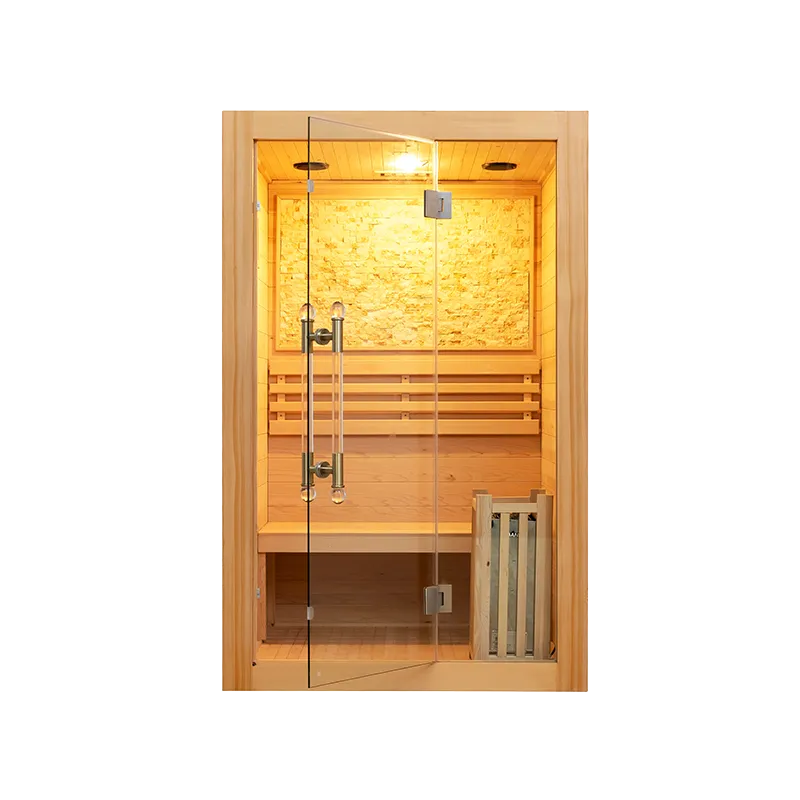
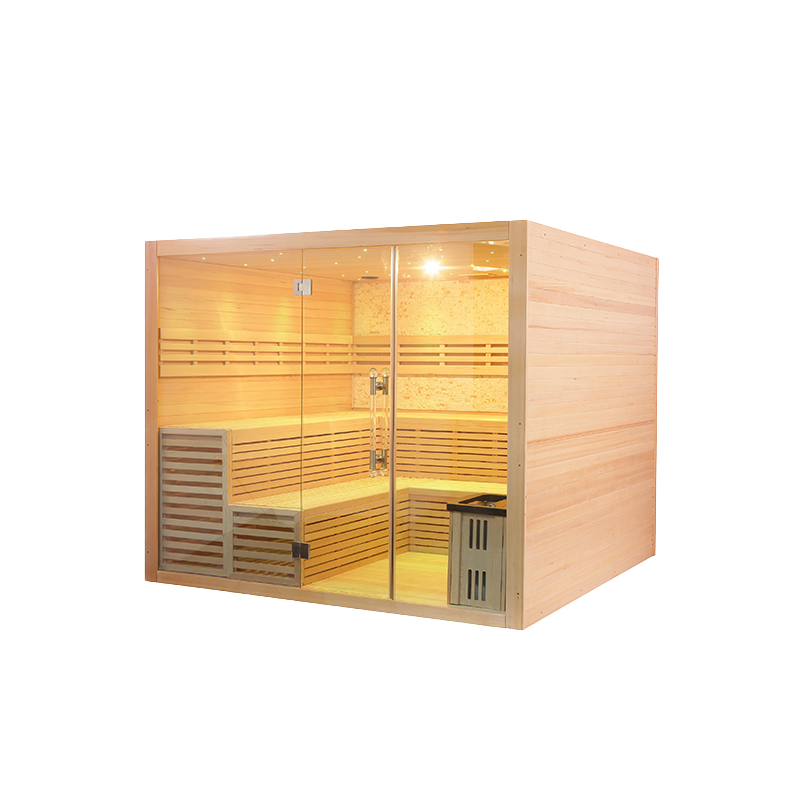
Smartmak’s catalog includes both home-oriented models like the 4–6 person traditional steam sauna and commercial options like their indoor commercial steam spa sauna. For buyers, that range matters because “a steam room” is not one-size-fits-all.
Conclusion
Steam rooms can be good for a cold in one specific sense: they may make symptoms like congestion and throat irritation feel less annoying for a little while. That’s the win.
But steam therapy isn’t a cure, and the research on heated, humidified air for colds is mixed. Use it as comfort care, not medical treatment. And if you’ve got a fever, dehydration risk, or breathing conditions that hate humidity—skip it.
In professional wellness settings, a properly designed steam environment (controlled temp/humidity, safe surfaces, sensible session timing) is what makes steam feel good and predictable—no DIY heroics required.
FAQ
Is a steam room good for a cold?
Sometimes, for symptom comfort. It can help you feel less congested and soothe dry irritation, but it won’t shorten the cold or “kill” the infection.
Is steam room good for a sore throat?
It can be—if your sore throat is worsened by dryness. Warm, humid air may ease that scratchy feeling for a bit. If your throat is severely painful, you’re drooling, or you’re struggling to breathe, that’s not “steam room territory.” That’s “get medical help.”
How long should you stay in a steam room when you have a cold?
Keep it short. Many safety-minded sources recommend staying under about 15–20 minutes, and plenty of protocols land in the 5–15 minute range. If you feel lightheaded, leave—immediately.
Can steam rooms improve breathing during a cold?
They can make breathing feel easier temporarily by moisturizing airways and loosening secretions. That’s subjective relief, not a proven “fix,” and it doesn’t work for everyone.
Should you avoid steam rooms if you have a fever?
Yes. Fever already raises your core temperature. Adding external heat can increase heat stress and dehydration risk. Wait until you’re fever-free and feeling steadier.