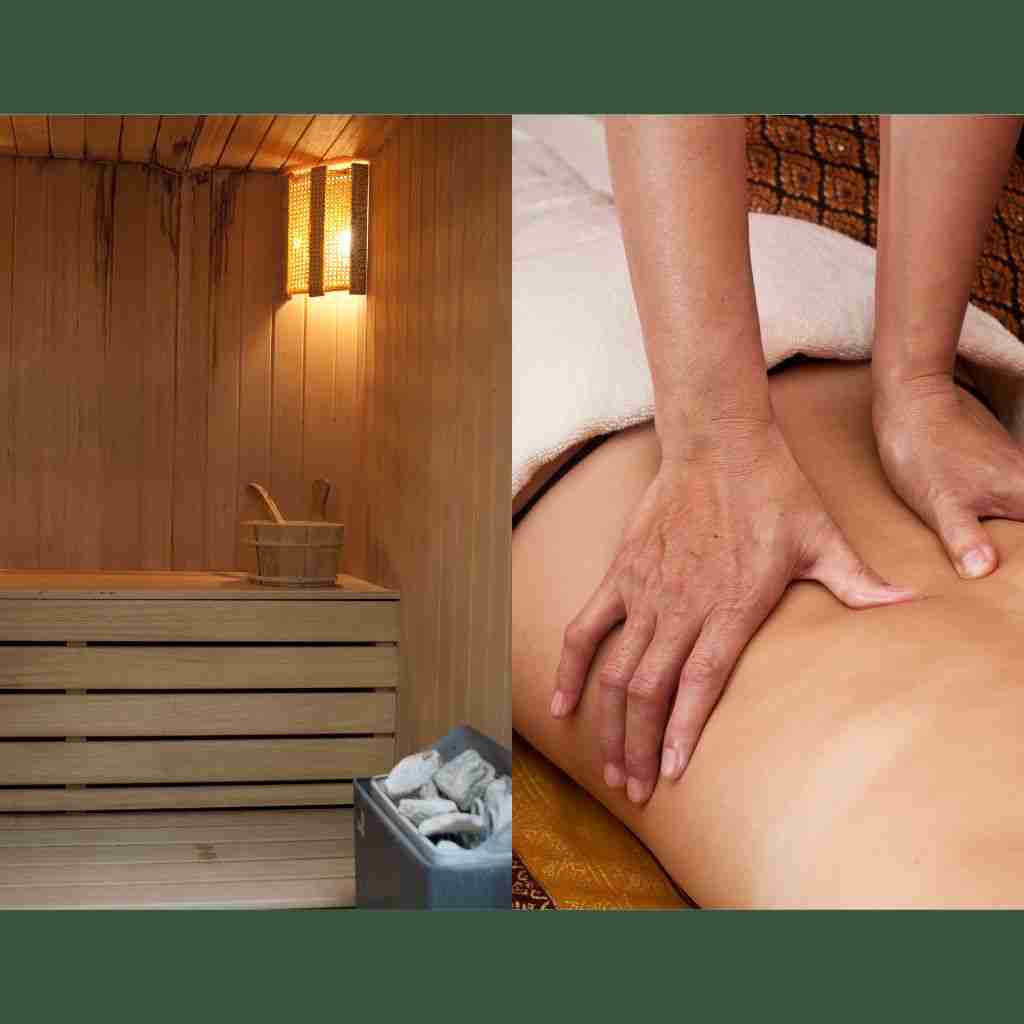
While both therapies utilize parts of the light spectrum to enhance human health, they function through fundamentally different biological mechanisms: Red Light Therapy (RLT) is a non-thermal treatment that uses specific wavelengths of light to stimulate cellular energy production without creating heat, whereas an Infrared Sauna is a thermal therapy designed to raise your core body temperature to induce sweating, detoxification, and cardiovascular changes.
Introduction: Navigating the Confusion Between Light and Heat
Deciding between Red Light Therapy versus an Infrared Sauna can indeed feel like a daunting task. If you are currently standing at the crossroads of wellness technology, trying to determine which modality is superior for your specific health goals, you are certainly not alone. The confusion stems from the fact that both treatments involve “light” and often overlap in the “infrared” spectrum. However, they are distinct tools in the biohacking and wellness toolkit.
Both treatments are celebrated for their ability to stimulate healing, aid in muscle recovery, and provide a sanctuary for relaxation, yet they achieve these ends through divergent paths. One relies on the absorption of photons to power up your cells, while the other relies on thermal stress to purge toxins and relax tissues.
This comprehensive guide is designed to dissolve that confusion. We will deconstruct the “Infrared Sauna vs. Red Light Therapy” debate, analyzing the science, the user experience, the energy consumption, and the specific physiological benefits of each. By the end of this article, you will have a crystal-clear understanding of the differences and be fully equipped to choose the therapy—or the combination—that aligns perfectly with your lifestyle.
What Is Red Light Therapy and How Does It Function?
The Science of Photobiomodulation
To truly understand red light therapy (often abbreviated as RLT), we must look at it through the lens of photobiomodulation (PBM). This is the scientific term for using light to biologically alter cellular function.
Red light therapy involves exposing the body to low-wavelength red light, typically ranging between 630 nanometers (nm) and 660nm, and sometimes near-infrared light (810nm to 850nm). Unlike the sun, this light does not contain harmful UV rays, and unlike a sauna, it does not emit heat that you can feel intensely on the skin.
The Cellular Battery: Mitochondria
The magic of RLT happens at the microscopic level. The primary target of red light is the mitochondria—the “power plant” of the cell. When red light penetrates the skin, it interacts with a photoacceptor within the mitochondria called cytochrome c oxidase.
This interaction helps the mitochondria use oxygen more efficiently to produce Adenosine Triphosphate (ATP). ATP is the vehicle of chemical energy within all cells of the human body. By boosting ATP production, the cells have more energy to function, repair, and regenerate. This is why RLT is often described as “charging your cellular batteries.”
Surface vs. Depth
Red light therapy primarily targets the skin’s surface and the subcutaneous layers just beneath it.
- Visible Red Light (630-660nm): This is absorbed largely by the skin tissue, making it the gold standard for surface-level concerns like wrinkles, scars, acne, and wound healing.
- Near-Infrared Light (810-850nm): While invisible to the naked eye, these wavelengths penetrate slightly deeper, reaching tendons, ligaments, and muscle tissue to reduce inflammation and accelerate recovery.
If your primary goal is to enhance skin aesthetics—boosting collagen, evening out skin tone, or mitigating the visible signs of aging—red light therapy is the scientifically backed choice. It provides these benefits without the sweat or physiological stress of heat.
Medical and Clinical Applications
Beyond vanity, the medical community utilizes red light therapy for significant health interventions. Clinicians and oncologists have utilized PBM to manage the side effects of cancer treatments, specifically oral mucositis (painful mouth sores). It is also widely used in sports medicine to speed up the healing of sports injuries, proving that its utility goes far beyond simple skincare.
What Is an Infrared Sauna and How Does It Create Heat?
The Evolution of the Sauna Experience
Traditional saunas (like Finnish dry saunas) operate on the principle of convection. They use a stove to heat the air in the room to very high temperatures (often 180°F to 200°F). This hot air then heats your body from the outside in.
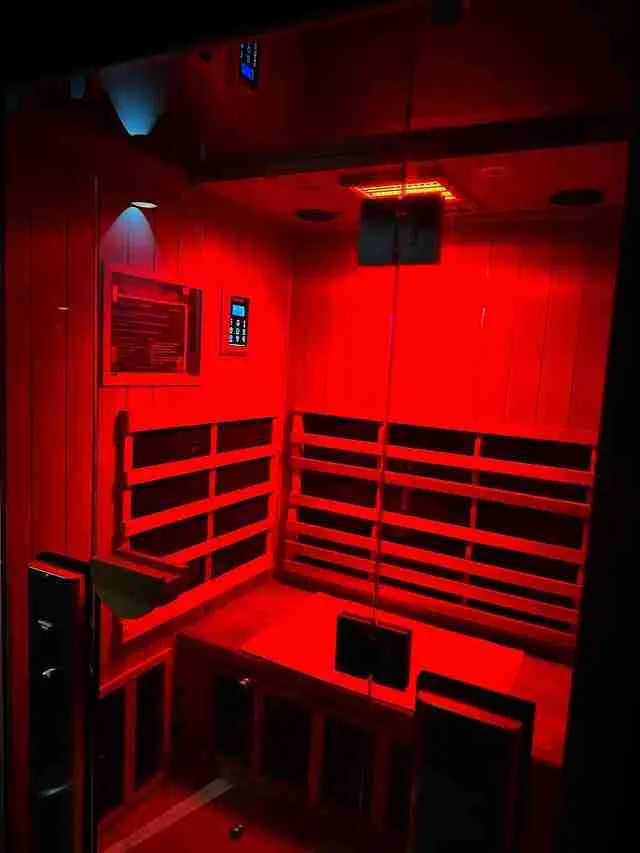
Infrared saunas, however, represent a technological evolution. Instead of heating the air, they use infrared lamps (often ceramic or carbon heaters) to emit electromagnetic radiation that is directly absorbed by the body. This allows the infrared sauna to operate at lower, more comfortable air temperatures (usually 120°F to 140°F) while still inducing a profound sweat.
Penetrating Heat
The defining characteristic of an infrared sauna is that the light penetrates deep into the body’s tissues—up to 1.5 to 2 inches beneath the skin. This deep penetration causes the body’s core temperature to rise from the inside out.
- Far-Infrared (FIR): This is the most common wavelength used in saunas. It is excellent for raising core body temperature, stimulating sweat glands, and mobilizing toxins stored in fat cells.
- Mid-Infrared (MIR): This spectrum is often associated with improved circulation and soft tissue relaxation.
The Detoxification Pathway
Because infrared heat penetrates so deeply, it triggers a vigorous sweat at lower ambient temperatures. This deep sweating is often cited as a superior method for detoxification. Proponents suggest that sweat induced by infrared systems contains a higher percentage of toxins (such as heavy metals and environmental pollutants) compared to the sweat generated by simple surface heat or exercise, though scientific debate on the exact percentages continues.
Furthermore, the heat causes blood vessels to dilate (vasodilation), which increases circulation and blood flow to muscles and joints. This makes the infrared sauna a powerhouse for soothing chronic aches, relieving stiff joints, and promoting a state of deep, physical relaxation.
Why Is Infrared Sauna Not the Same as Red Light Therapy? (The Core Differences)
Despite the overlapping terminology, conflating these two therapies is a common mistake. Here is a granular breakdown of why they are different.
1. Mechanism of Action: Thermal vs. Non-Thermal
This is the most critical distinction.
- Infrared Saunas are Thermal: Their goal is to induce heat stress (hormetic stress). They mimic the physiological effects of moderate exercise by raising heart rate and causing sweating. The therapeutic benefit comes from the heat itself.
- Red Light Therapy is Non-Thermal: It is a photochemical reaction. It’s similar to photosynthesis in plants. The benefit comes from the light energy being converted into chemical energy (ATP), not from heat. You could sit in front of a red light panel for 20 minutes and not break a sweat.
2. The Visibility of the Spectrum
- Red Light Therapy: Uses predominantly visible red light. You can see the bright red glow. It may also use Near-Infrared (NIR), which is invisible, but the primary experience is visual brightness.
- Infrared Sauna: Uses predominantly Far-Infrared (FIR) light. This light is completely invisible to the human eye. You cannot see the “light” working; you can only feel the heat it generates.
3. The Physiological Goal
- RLT Goal: Cellular repair, skin rejuvenation, mitochondrial efficiency.
- Infrared Sauna Goal: Systemic detoxification, cardiovascular conditioning, muscle relaxation through heat, stress reduction.
If you are wondering “Is red light therapy infrared?”, the nuance is that RLT can include near-infrared wavelengths, but it lacks the thermal intensity required to be classified as a sauna experience.
How Do the Benefits of Each Therapy Compare?
To make an informed choice, we must analyze the specific benefits offered by each modality.
The Unique Benefits of Red Light Therapy
1. Dermatological and Anti-Aging Miracles
If your focus is skin health, RLT is the undisputed winner. By stimulating fibroblast activity, it increases the production of collagen and elastin. This leads to:
- Reduction in fine lines and wrinkles.
- Improvement in skin texture and firmness.
- Reduction of acne bacteria and inflammation.
- Accelerated healing of scars and wounds.
2. Targeted Inflammation Reduction
RLT is highly effective at reducing local inflammation. If you have a specific injury—say, a sprained ankle or tendonitis in the elbow—shining red light directly on that area can reduce swelling and pain by neutralizing oxidative stress in the cells.
3. Hair Growth
Studies have shown that red light therapy can stimulate hair follicles, helping to combat androgenetic alopecia (pattern hair loss) in both men and women by prolonging the growth phase of the hair cycle.
4. Circadian Rhythm Regulation
While not heat-based, exposure to bright red light (without blue light) in the evening can help signal the body to prepare for sleep, unlike blue light from screens which disrupts melatonin production.
The Unique Benefits of Infrared Saunas
1. Systemic Detoxification
The deep, profuse sweating induced by infrared heat helps the body eliminate metabolic waste and environmental toxins. It is a full-body cleanse that red light cannot replicate.
2. Cardiovascular Health and Calorie Burn
An infrared sauna session is a passive cardio workout. As your body works to cool itself down, your heart rate increases, and your metabolism speeds up. This can aid in weight loss efforts and improve overall heart health, mimicking the effects of walking at a moderate pace.
3. Deep Muscle and Joint Pain Relief
Heat is a natural analgesic. By warming the muscles deeply, infrared saunas reduce stiffness, increase flexibility, and alleviate pain from conditions like arthritis, fibromyalgia, and chronic back pain. The heat allows tissues to stretch and relax more effectively than light alone.
4. Stress Reduction and Cortisol Management
The warmth of a sauna shifts the body into a parasympathetic state (rest and digest). This helps lower cortisol levels, providing a profound sense of mental relaxation and serving as an excellent tool for combatting chronic stress and anxiety.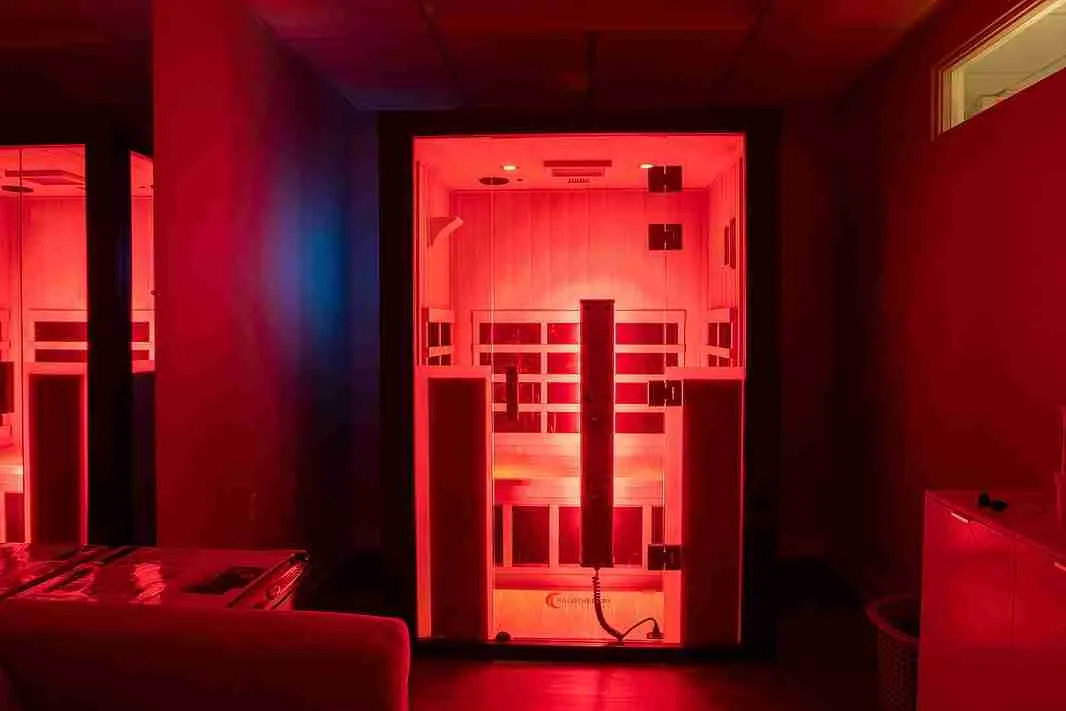
When and How to Use Each Therapy (Usage Differences)
The Practicality of Red Light Therapy
Space and Setup:
Red light therapy devices are generally much more compact. They range from handheld wands and face masks to door-hanging panels.
- Footprint: Minimal. You can store a panel in a closet or under a bed.
- Portability: High. You can take smaller devices with you when you travel.
Time Commitment:
RLT is designed for efficiency. A typical session lasts between 10 to 20 minutes. Because there is no heat, there is no “cool down” period or need to shower immediately afterward. You can do a session in your work clothes (treating just the face/hands) or quickly before bed.
Energy Consumption:
Red light panels use LED technology, which is incredibly energy-efficient. Running a panel for 15 minutes costs pennies and has a negligible impact on your electric bill.
The Practicality of Infrared Saunas
Space and Setup:
An infrared sauna is a piece of furniture. It requires a dedicated footprint in your home—be it a basement, a spare bedroom, or a large bathroom.
- Footprint: Significant. Requires several square feet of floor space and sufficient ceiling height.
- Portability: Low. Once installed, it is difficult to move.
Time Commitment:
Sauna sessions are a commitment. You generally need to pre-heat the sauna (10-15 minutes), spend time inside (20-45 minutes), and then shower afterward to wash off the sweat. It is a ritual rather than a quick fix.
Energy Consumption:
Infrared saunas consume significantly more electricity than LED panels. They must power heating elements to raise the temperature of a physical space. While more efficient than traditional steam saunas, they will still be noticeable on your utility bill if used daily.
Feature 1: Can You Combine Both? The Rise of Hybrid Wellness
As technology advances, the line between these two therapies is blurring through the introduction of hybrid devices.
Do infrared saunas have red light therapy?
Yes, increasingly so. Many high-end infrared sauna manufacturers are now installing red light therapy panels (chromotherapy or medical-grade LED banks) inside their sauna cabins.
The Hybrid Benefit:
This combination allows you to “stack” your biohacks. You can receive the thermal benefits of detoxification and muscle relaxation from the infrared heat while simultaneously exposing your skin to red light wavelengths for collagen production and surface healing.
The Caveat:
While convenient, hybrid units sometimes offer a “jack of all trades, master of none” experience. The red light panels inside a sauna may not always be as powerful or targeted as a dedicated, standalone red light therapy device. Additionally, the distance from the light source matters in RLT; in a sauna, you may be sitting too far away from the LEDs to get the maximum clinical dosage. However, for general wellness maintenance, a hybrid unit is a fantastic space-saving solution.
Feature 2: Safety Protocols and Contraindications
While both therapies are generally considered safe for the average person, they carry different risk profiles that must be respected.
Red Light Therapy Safety:
- Eye Safety: The intense brightness of red light LEDs can be dazzling. While generally safe for eyes (and potentially beneficial for declining vision in some studies), it is often recommended to wear blackout goggles, especially if the device uses Near-Infrared light, which is invisible but can still heat the eye tissues with prolonged direct exposure.
- Photosensitivity: People taking medications that increase sensitivity to light (such as isotretinoin for acne or certain antibiotics) should consult a doctor before using RLT.
Infrared Sauna Safety:
- Dehydration: The most significant risk is dehydration and electrolyte imbalance due to heavy sweating. Drinking copious amounts of water before and after is non-negotiable.
- Overheating (Hyperthermia): Staying in too long can cause dizziness, nausea, or fainting. Users should listen to their bodies and exit if they feel lightheaded.
- Alcohol: Never use a sauna while under the influence of alcohol, as it drastically increases the risk of hypotension and arrhythmias.
- Pregnancy: Pregnant women generally advised to avoid saunas due to the risks associated with raising core body temperature. RLT, however, is often considered safer during pregnancy (for skin issues), though medical clearance is always required.
What Is the Best Option for You? A Buyer’s Decision Matrix
To simplify your decision, let’s categorize the ideal user for each therapy.
Choose Red Light Therapy If:
- Your Priority is Vanity: You want to reduce wrinkles, heal acne scars, or improve skin tone.
- You Have Limited Time: You need a therapy that takes 15 minutes or less and requires no shower afterward.
- You Have Limited Space: You live in an apartment or do not have a spare room for a cabin.
- You Dislike Heat: You are sensitive to high temperatures or find sweating uncomfortable.
- You Want Specific Spot Treatment: You are treating a specific injury like a tennis elbow or a non-healing wound.
Choose an Infrared Sauna If:
- Your Priority is Detox & Wellness: You want to flush out toxins and improve cardiovascular health.
- You Seek Deep Relaxation: You want a sanctuary to disconnect, meditate, and de-stress physically.
- You Have Chronic Pain: You suffer from arthritis or generalized muscle soreness that responds well to heat.
- You Want the “Ritual”: You enjoy the experience of sweating and the post-sauna endorphin rush (“runner’s high”).
- You Have the Space and Budget: You are ready to invest in a permanent fixture for your home.
Choose Both (or a Hybrid) If:
- You want comprehensive biohacking capabilities covering everything from cellular energy to systemic detoxification, and you have the budget to support a complete home wellness center.
Facts To Remember When Setting Up A Sauna At Your Home
If the allure of the infrared sauna has won you over, and you are ready to transform your basement or spare room into a spa, here is what you need to know.
Building or installing a sauna is easier than ever. Modern infrared saunas often come as “flat-pack” kits that snap together with buckles or magnets, requiring no professional wiring (many plug into standard outlets, though some larger units require dedicated 20-amp circuits).
The Basement Advantage:
Basements are often the ideal location for infrared saunas. The naturally cooler ambient temperature of a basement contrasts beautifully with the heat of the sauna, and the concrete floors can easily handle the weight.
Ventilation and EMF:
When choosing a model, look for “Low EMF” (Electromagnetic Field) and “Low ELF” (Extremely Low Frequency) heaters. Since you are sitting inside a box surrounded by electrical emitters, ensuring low radiation exposure is a key health consideration. Additionally, ensure your space has some ventilation to prevent moisture buildup from all the sweating you will be doing.
The DIY Route:
For the handy homeowner, building a DIY infrared sauna is possible using specific infrared heater kits sold for this purpose. However, ensuring proper insulation (using non-toxic woods like cedar, basswood, or hemlock) is vital to retain heat and prevent mold.
To Sum Up
Ultimately, the debate of Infrared Sauna vs. Red Light Therapy is not about which is “better” in a vacuum, but rather which is better for you.
If you are wondering, “Is infrared sauna the same as red light therapy?”, you now know the answer is a definitive no. They are distinct siblings in the light therapy family.
- Red Light Therapy is the cool, quick, and efficient master of skin rejuvenation, cellular energy, and targeted healing. It fits seamlessly into a busy routine and small living spaces.
- Infrared Saunas are the warm, immersive, and detoxifying masters of systemic health, stress relief, and deep tissue relaxation. They require space and time but offer a profound physical reset.
Both options are excellent choices for introducing powerful wellness tools into your home routine. They both support the body’s natural ability to heal and regulate itself. Whether you opt for the targeted photons of a red light panel or the enveloping warmth of an infrared cabin, you are making a proactive investment in your longevity and quality of life.
By understanding the science and the user experience of each, you can move past the confusion and confidently select the therapy that aligns with your health goals, budget, and lifestyle.
Frequently Asked Questions
1. What is a Red Light Sauna?
A “Red Light Sauna” is essentially a hybrid term used to describe an infrared sauna that has been equipped with red light therapy panels. It is not a separate category of sauna technology but rather a combination unit. These devices attempt to deliver the sweat-inducing heat of far-infrared wavelengths along with the skin-rejuvenating benefits of visible red light. It offers a “two-in-one” treatment, though users should ensure the red light intensity is sufficient for therapeutic effects at the distance they sit from the panels.
2. Can I use Red Light Therapy and an Infrared Sauna on the same day?
Absolutely. In fact, many biohackers and wellness enthusiasts swear by stacking these treatments. A common protocol is to use Red Light Therapy first (before you are sweaty) to allow for maximum light penetration into clean skin, followed by a session in the Infrared Sauna to flush out toxins and relax the muscles. Alternatively, using them at different times of the day (e.g., RLT in the morning to wake up cells, Sauna in the evening to relax for sleep) is also highly effective.
3. How often should I use these therapies to see results?
Consistency is key for both.
- For Red Light Therapy: Most clinical studies suggest using it 3 to 5 times per week for 10-20 minutes. Results for skin issues often take 4 to 8 weeks to become visible.
- For Infrared Saunas: To achieve detoxification and cardiovascular benefits, usage is typically recommended 3 to 4 times per week. However, even a single session can provide immediate pain relief and stress reduction. Always start slow to see how your body tolerates the heat or light stimulation.