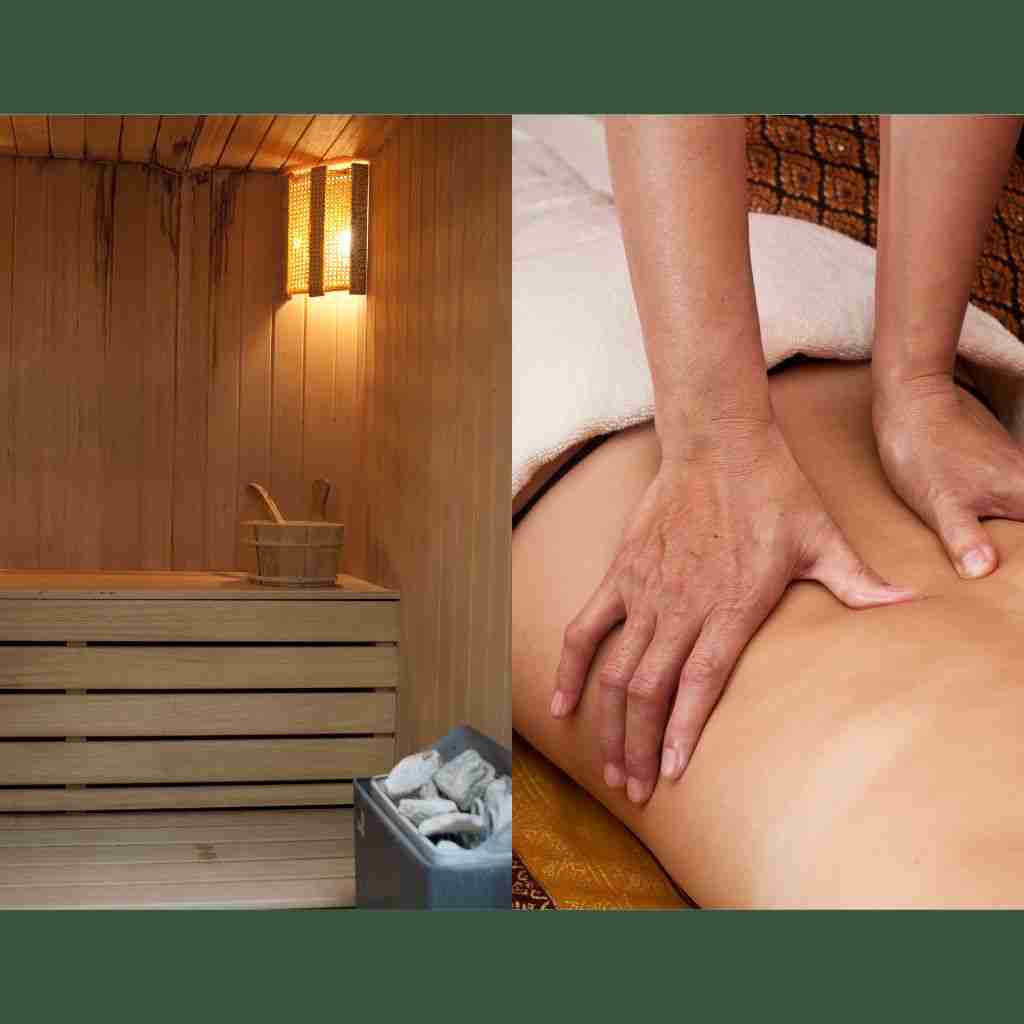
Yes, using a sauna every day can be healthy for many people when it is done safely, for a reasonable amount of time, and with proper hydration. A daily sauna session may support relaxation, circulation, muscle recovery, stress relief, and overall wellness. However, it is not automatically right for everyone. People who are pregnant, dehydrated, sensitive to heat, taking certain medications, or living with heart disease, low blood pressure, uncontrolled high blood pressure, or other medical conditions should speak with a healthcare professional before making sauna use a daily habit. For most healthy adults, short daily sessions of around 10 to 20 minutes can be a safe and enjoyable part of a balanced wellness routine.

1. What Happens to Your Body When You Sauna Every Day?
When you sit in a sauna, your body immediately begins responding to the heat. The warm environment raises your skin temperature, and your body works to cool itself down. Your blood vessels widen, your heart rate increases, and your circulation becomes more active. In some ways, your body reacts as if it is doing very light cardiovascular exercise, even though you are sitting still.
One of the first things you may notice is sweating. Sweating is your body’s natural cooling system. As your body releases sweat, heat escapes through your skin. This can leave you feeling refreshed after the session, especially if you cool down properly afterward and drink enough water.
Daily sauna use may also encourage relaxation. Heat can loosen tight muscles, reduce physical tension, and create a quiet space away from screens, noise, and daily stress. This is one reason many people use a sauna at the end of the day. Even a brief 10-minute session can feel like a reset for the mind and body.
Your nervous system may also shift into a calmer state. The warmth, stillness, and slower breathing that often happen in a sauna can help reduce feelings of stress. Some people describe this as a peaceful, meditative experience. Others use sauna time to stretch lightly, focus on breathing, or simply rest.
However, daily sauna use also places a repeated heat demand on the body. This is why moderation matters. Staying in too long, using temperatures that are too high, or entering the sauna while dehydrated can lead to dizziness, weakness, nausea, or overheating. A healthy sauna habit depends on paying attention to your body’s signals.
2. Why Can Daily Sauna Use Be Good for Your Health?
Daily sauna use may be helpful because it combines heat exposure, relaxation, sweating, and improved circulation in one simple routine. For many people, the biggest benefit is stress relief. A sauna gives the body a break from constant stimulation. The warmth can calm the muscles, slow racing thoughts, and support a more relaxed mood.
Another possible benefit is better circulation. Heat causes blood vessels to expand, allowing blood to move more easily through the body. This may create a warming sensation in the hands, feet, and muscles. Improved circulation can also make the body feel looser and more comfortable, especially after a workout or a long day of sitting.
Daily sauna sessions may also support muscle recovery. People who exercise regularly often use saunas to ease soreness and stiffness. Heat can help muscles relax, which may make stretching and recovery feel easier. While a sauna should not replace sleep, nutrition, hydration, or proper training habits, it can be a useful recovery tool.
Sauna bathing may also improve your sense of well-being. The body may release endorphins during heat exposure. These natural chemicals are often linked with comfort and positive mood. This is why some people feel lighter, calmer, or happier after a sauna session.
For those who own a sauna at home, daily use may be easier to maintain. A home sauna removes the need to travel to a spa or gym. It can become part of a morning or evening ritual. Still, convenience should not lead to overuse. Even with a sauna at home, sessions should be controlled, safe, and matched to your personal tolerance.
3. When Is the Best Time to Use a Sauna Every Day?
The best time to use a sauna depends on your routine, energy level, and goals. Some people prefer morning sauna sessions because the heat helps them wake up gently and start the day feeling refreshed. A short morning session can be calming, especially when paired with water, light stretching, and a cool shower.
Others prefer using a sauna in the evening. Evening sessions may help the body relax after work, exercise, or mental stress. The warmth can signal that the day is slowing down. For many people, this makes sauna use a useful part of a bedtime routine.
If you exercise, sauna timing also matters. Many people enjoy sauna bathing after a workout because the heat can relax tired muscles. However, it is important to cool down first. Entering a sauna immediately after intense exercise, especially when already overheated or dehydrated, can increase the risk of lightheadedness. Drink water, let your heart rate settle, and give your body a few minutes before starting the session.
Using a sauna before exercise is also possible, but it should be done carefully. A brief warm-up session may help loosen the body, but staying too long before training can make you tired or dehydrated. If you use a sauna before exercise, keep it short and mild.
The worst time to use a sauna is when your body is already under stress. Avoid sauna use if you are sick with a fever, dehydrated, dizzy, hungover, extremely tired, or feeling unwell. A sauna should support your body, not push it beyond its limits.
4. Where Can You Sauna Safely: Gym, Spa, or Home?
You can sauna safely in many places, including gyms, spas, wellness centers, hotels, and home sauna setups. The best option depends on your comfort, budget, and lifestyle.
A gym sauna is convenient for people who already exercise at a fitness center. It allows you to pair workouts with recovery. The downside is that gym saunas may be busy, and you may have less control over cleanliness, temperature, or noise.
A spa sauna often provides a more relaxing atmosphere. Spas may also offer steam rooms, cold plunge areas, showers, and quiet spaces. This can make the whole experience feel more complete. However, spa visits can be expensive and may not be practical for daily use.
A sauna for home offers the most convenience. You can use it on your schedule, adjust your routine, and create a private environment. A home sauna can make daily sauna use easier to maintain. It also gives you more control over hygiene, session length, and post-sauna recovery.
Whether you use a public or private sauna, safety habits are similar. Sit or lie down comfortably, bring water nearby, avoid alcohol, and leave the sauna if you feel dizzy, nauseous, weak, or uncomfortable. In public saunas, follow posted rules and respect shared space. In a home sauna, make sure the equipment is installed and maintained properly.
The safest sauna is not necessarily the most expensive one. It is the one you use responsibly.
5. Who Should Be Careful About Using a Sauna Every Day?
Daily sauna use is not suitable for everyone. Some people should be especially cautious or avoid sauna use unless a doctor says it is safe.
People with heart conditions should be careful because sauna heat increases heart rate and changes blood pressure. Those with uncontrolled high blood pressure, low blood pressure, irregular heartbeat, recent heart attack, chest pain, or other cardiovascular concerns should get medical advice first.
Pregnant people should also ask a healthcare provider before using a sauna. High heat exposure can be risky during pregnancy, especially in early pregnancy or when the body overheats.
People taking medications that affect sweating, hydration, blood pressure, or alertness should also be cautious. Some medications can make it harder for the body to regulate temperature. Others may increase dizziness or dehydration risk.
Older adults and people new to sauna bathing should start slowly. Shorter sessions, lower heat, and longer cool-down periods are wise. Beginners do not need to match experienced sauna users. A 5- to 10-minute session may be enough at first.
Children should only use saunas with adult supervision and appropriate medical guidance. Their bodies may respond differently to heat, and they may not recognize warning signs as quickly as adults.
You should also avoid sauna use if you have been drinking alcohol. Alcohol can increase dehydration, reduce judgment, and raise the risk of fainting or overheating. A sauna may feel relaxing after drinking, but it is not a safe combination.
6. How Long Should You Stay in a Sauna Every Day?
For many healthy adults, 10 to 20 minutes is a reasonable daily sauna session. Beginners may want to start with 5 to 10 minutes and gradually increase only if they feel comfortable. More time does not always mean more benefit. A shorter, consistent, safe routine is usually better than forcing long sessions.
A 10-minute sauna session can still be useful. In that time, your body begins to warm up, your circulation increases, and sweating may start. You may feel calmer, looser, and more relaxed. This is often enough for people who are busy, new to sauna use, or sensitive to heat.
A 15- to 20-minute session may provide a deeper heat experience for people who tolerate saunas well. This length can be pleasant after exercise or during an evening relaxation routine. However, it should still feel manageable. You should not feel trapped, dizzy, or exhausted.
Sessions longer than 20 minutes should be approached carefully. Some experienced sauna users may stay in longer, but longer exposure increases fluid loss and heat strain. If you want a longer sauna experience, it may be better to take breaks. For example, you might do 10 to 15 minutes in the sauna, cool down, drink water, and then return for another short round if you still feel good.
The right length depends on the sauna temperature, humidity, your hydration, your health, and your experience level. Your body’s feedback is more important than a timer. If you feel uncomfortable, leave.
7. What Are the Main Benefits of a 10-Minute Sauna Session?
A 10-minute sauna session may seem short, but it can still offer meaningful benefits. It is often enough time to shift your body and mind into a more relaxed state.
The first benefit is convenience. A 10-minute session is easy to fit into a busy schedule. People are more likely to stay consistent with a habit that does not feel overwhelming. This makes short sessions especially useful for daily sauna routines.
The second benefit is stress relief. Ten quiet minutes in a warm space can reduce mental pressure and help you slow down. You can use this time to breathe deeply, relax your shoulders, and let your body settle.
The third benefit is improved circulation. Even brief heat exposure can encourage blood vessels to widen and blood flow to increase. This may leave your body feeling warm and refreshed.
The fourth benefit is sweating. Not everyone sweats heavily in 10 minutes, but many people begin to perspire. Sweating can make the skin feel cleaner and can support the body’s natural cooling process.
The fifth benefit is mood support. The sauna environment may help release tension and improve your emotional state. Even if the physical benefits are modest, the mental reset can be valuable.
A 10-minute session is also a safer starting point for beginners. Instead of pushing the body into a long heat exposure, you can learn how you respond. Over time, you may decide that 10 minutes is enough, or you may slowly build toward longer sessions.
8. Why Is Hydration So Important When You Sauna Every Day?
Hydration is one of the most important parts of safe sauna use. When you sweat, your body loses fluid. If you use a sauna every day and do not replace that fluid, you may become dehydrated.
Dehydration can cause headaches, dizziness, dry mouth, fatigue, muscle cramps, and poor concentration. In a sauna, dehydration can also make you more likely to feel faint or overheated.
To stay hydrated, drink water before and after your sauna session. You do not need to overdrink, but you should not enter the sauna thirsty. If you exercise before using the sauna, hydration becomes even more important because you may already have lost fluid through sweat.
For longer sessions or heavy sweating, some people may benefit from electrolytes. Electrolytes are minerals such as sodium and potassium that help the body manage fluid balance. This does not mean every sauna user needs sports drinks, but it does mean that water and minerals should be considered if you sweat heavily.
Avoid alcohol before sauna use. Alcohol can dehydrate the body and increase the risk of poor judgment, dizziness, and fainting. Caffeine may also affect hydration for some people, so pay attention to how your body responds.
A good habit is to keep water nearby and drink after cooling down. Your post-sauna routine should include rehydration, rest, and time for your body temperature to return to normal.
9. How Can You Make Daily Sauna Use Safer and More Effective?
To make daily sauna use safer, start with short sessions. Do not try to prove your tolerance by staying in as long as possible. A sauna should feel restorative, not like an endurance test.
Set a time limit before you enter. Beginners can start with 5 to 10 minutes. More experienced users may choose 15 to 20 minutes. Use a timer if needed, especially in a home sauna where it is easy to lose track of time.
Cool down gradually after your session. Step out, sit quietly, breathe normally, and drink water. Some people enjoy a cool shower, but sudden extreme cold is not necessary for everyone. The goal is to let your body return to balance.
Wear light, breathable clothing or use a clean towel, depending on sauna rules. Avoid heavy clothing that traps too much heat. Remove jewelry if it becomes hot or uncomfortable.
Do not use the sauna immediately after a large meal. Your body is already working on digestion, and intense heat may feel uncomfortable. A light meal or snack before sauna use is usually easier on the body.
Listen to warning signs. Leave the sauna immediately if you feel dizzy, faint, nauseous, confused, short of breath, or unusually weak. These symptoms are not signs of a “better detox.” They are signs that your body needs to cool down.
Consistency matters more than intensity. A safe 10-minute daily habit is better than occasional sessions that are too long and uncomfortable.
10. What Is the Difference Between a Dry Sauna, Steam Room, and Infrared Sauna?
A dry sauna uses high heat with low humidity. This is the traditional sauna experience many people imagine. The air feels hot and dry, and sweat may evaporate quickly from the skin. Some dry saunas allow water to be poured over heated stones to create brief bursts of steam.
A steam room uses moist heat. The temperature is usually lower than a dry sauna, but the humidity is much higher. Because the air is full of moisture, sweat does not evaporate as easily. This can make the heat feel intense even at a lower temperature. Some people enjoy steam rooms for breathing comfort and skin hydration, while others find the humidity harder to tolerate.
An infrared sauna uses infrared light to warm the body more directly. The air temperature is often lower than in a traditional sauna, but the body can still feel deeply warmed. Some people prefer infrared saunas because they feel gentler and easier to sit in for longer periods.
Each type can be used as part of a wellness routine, but your personal comfort matters. If you feel overwhelmed in a steam room, a dry sauna may suit you better. If a traditional sauna feels too hot, an infrared sauna may feel more manageable.
No type is perfect for everyone. The healthiest option is the one you can use safely, comfortably, and consistently.
11. When Should You Stop a Sauna Session Immediately?
You should stop a sauna session immediately if your body feels like it is struggling. Warning signs include dizziness, nausea, headache, chest discomfort, shortness of breath, weakness, confusion, blurred vision, or a feeling that you might faint.
You should also leave if your heartbeat feels irregular or uncomfortable. A faster heart rate is normal in heat, but it should not feel alarming or painful.
If you stop sweating while feeling extremely hot, that can also be a serious warning sign. Sweating is one way your body cools itself. If your body is too hot and unable to cool properly, you need to leave the sauna and cool down.
Do not ignore discomfort because you want to finish a planned session. The body does not always follow a schedule. Some days you may tolerate 20 minutes easily. Other days, 8 minutes may be enough. Sleep, hydration, stress, exercise, illness, and food intake can all affect sauna tolerance.
After leaving, sit or lie down in a cool place, sip water, and allow your body to recover. If symptoms are severe, do not improve, or involve chest pain, fainting, confusion, or trouble breathing, seek medical help.
Safe sauna use means respecting limits as soon as they appear.
12. How Can a Sauna Fit Into a Healthy Daily Routine?
A sauna works best when it supports an already healthy lifestyle. It should not be viewed as a shortcut that replaces exercise, good nutrition, sleep, or medical care.
A balanced routine might include movement, hydration, nourishing meals, enough sleep, and stress management. Sauna use can be added as a recovery or relaxation tool. For example, you might exercise, cool down, drink water, and then use the sauna for 10 to 15 minutes. Or you might use the sauna in the evening as a way to relax before bed.
Breathing exercises can make sauna time more useful. Slow breathing may help calm the nervous system and make the session feel more restorative. You can also use sauna time as a screen-free break. Instead of scrolling on your phone, let your mind rest.
A daily sauna habit can also become a mindfulness ritual. The warmth encourages you to notice your body: your breathing, your heartbeat, your posture, and your comfort level. This awareness can help you become better at recognizing stress and tension outside the sauna too.
For people with a sauna at home, routine is especially easy. You can create a simple ritual: drink water, enter the sauna, relax for a set time, cool down, shower, and hydrate again. Repeating the same pattern helps your body know what to expect.
13. What Are Two Extra Features That Can Improve Your Sauna Experience?
Feature 1: A Simple Sauna Journal
A sauna journal can help you understand what works best for your body. You do not need anything complicated. Write down the date, session length, temperature if known, how you felt before, how you felt after, and any symptoms.
Over time, patterns may appear. You may discover that evening sauna sessions improve your sleep routine, or that sauna use after intense workouts requires extra hydration. You may notice that 12 minutes feels perfect while 20 minutes feels draining.
A journal is especially useful for beginners, people using a home sauna, or anyone trying to make sauna use a daily habit. It turns guesswork into personal knowledge.
Feature 2: A Cool-Down Ritual
The cool-down is just as important as the sauna session itself. After leaving the heat, give your body time to settle. Sit quietly, breathe slowly, and drink water. A lukewarm or cool shower can feel refreshing. Some people enjoy stepping outside into fresh air.
A good cool-down ritual helps prevent dizziness and extends the relaxing effect of the sauna. It also makes the experience feel complete. Instead of rushing from the sauna back into work, chores, or screens, you give your body a transition.
This closing ritual can be one of the most enjoyable parts of daily sauna use.
14. Why Is “More Heat” Not Always Better?
Many people assume that hotter and longer sauna sessions are more effective. This is not always true. The goal of sauna use is not to suffer through extreme heat. The goal is to create a controlled stress that your body can handle and recover from.
Too much heat can lead to dehydration, dizziness, headaches, and exhaustion. It can also make sauna use unpleasant, which reduces consistency. If you dread your sauna sessions, you are less likely to keep the habit.
A moderate session that leaves you relaxed and refreshed is better than an intense session that leaves you drained. The best sauna routine should feel sustainable.
This is especially true for daily use. When you use a sauna every day, your body gets repeated exposure. Shorter sessions may be enough to support relaxation and circulation without overloading your system.
Think of sauna use like exercise. A hard workout every day without recovery can be too much. A steady routine that matches your ability is usually healthier. Sauna bathing follows the same principle.
15. How Do You Know If Daily Sauna Use Is Right for You?
Daily sauna use may be right for you if you feel relaxed afterward, recover well, stay hydrated, and do not experience negative symptoms. It may also be a good fit if it helps you manage stress, loosen tight muscles, or create a calming daily ritual.
Daily sauna use may not be right for you if you often feel dizzy, overly tired, dehydrated, anxious, or uncomfortable during or after sessions. It may also be inappropriate if you have a medical condition that makes heat exposure risky.
The best approach is to start gradually. Try a few short sessions per week before moving to daily use. Notice how your body responds. Increase frequency only if the habit feels good and does not interfere with your energy, sleep, hydration, or health.
You can also adjust your routine. Daily sauna use does not have to mean the same session every day. Some days may be 10 minutes. Other days may be 15 minutes. On days when you feel tired or unwell, skipping the sauna may be the healthiest choice.
A healthy sauna habit is flexible, not forced.
16. What Is the Best Way to End a Daily Sauna Session?
The best way to end a sauna session is slowly and intentionally. Do not jump up quickly and rush away. Heat can affect blood pressure, so standing too fast may cause lightheadedness.
Step out carefully, sit down if needed, and let your breathing return to normal. Drink water. Allow your skin and body temperature to cool. A shower can help remove sweat and leave you feeling fresh.
After cooling down, pay attention to how you feel. You should feel calm, comfortable, and restored. If you feel weak or unwell, your session may have been too long, too hot, or poorly timed.
Ending well also means preparing for the next session. Wash towels, clean the area if it is your home sauna, and make sure you are hydrated. A clean and organized sauna space makes the habit easier to maintain.
A thoughtful ending turns sauna use from a simple heat session into a complete wellness practice.
Frequently Asked Questions
1. Is it safe to use a sauna every day?
For many healthy adults, daily sauna use can be safe when sessions are short, hydration is maintained, and the body is not pushed too hard. A common daily range is about 10 to 20 minutes. However, people with heart conditions, blood pressure problems, pregnancy, heat sensitivity, or certain medication use should ask a healthcare professional first.
2. Is 10 minutes in a sauna enough?
Yes, 10 minutes can be enough, especially for beginners or people using a sauna daily. A short session can still promote relaxation, sweating, improved circulation, and stress relief. Longer sessions are not always necessary, and comfort should guide your routine.
3. Can a sauna help with weight loss?
A sauna may cause temporary weight loss through sweating, but this is mostly water loss and returns when you rehydrate. A sauna should not be used as a primary weight-loss method. Its better role is supporting relaxation, recovery, and a healthy lifestyle that includes movement, nutrition, and sleep.
Conclusion: Is It Healthy to Sauna Every Day?
Using a sauna every day can be healthy for many people, but only when it is done with care. The benefits may include relaxation, better circulation, reduced muscle tension, improved mood, and a consistent wellness ritual. Even a short 10-minute session can be worthwhile if it helps you feel calm and refreshed.
The key is balance. Drink water, keep sessions reasonable, cool down properly, and listen to your body. Do not treat discomfort as a sign of progress. If you feel dizzy, weak, nauseous, or unwell, leave the sauna and recover.
Daily sauna use should feel supportive, not stressful. When practiced safely, it can become a simple and enjoyable habit that helps you slow down, recover, and reconnect with your body.