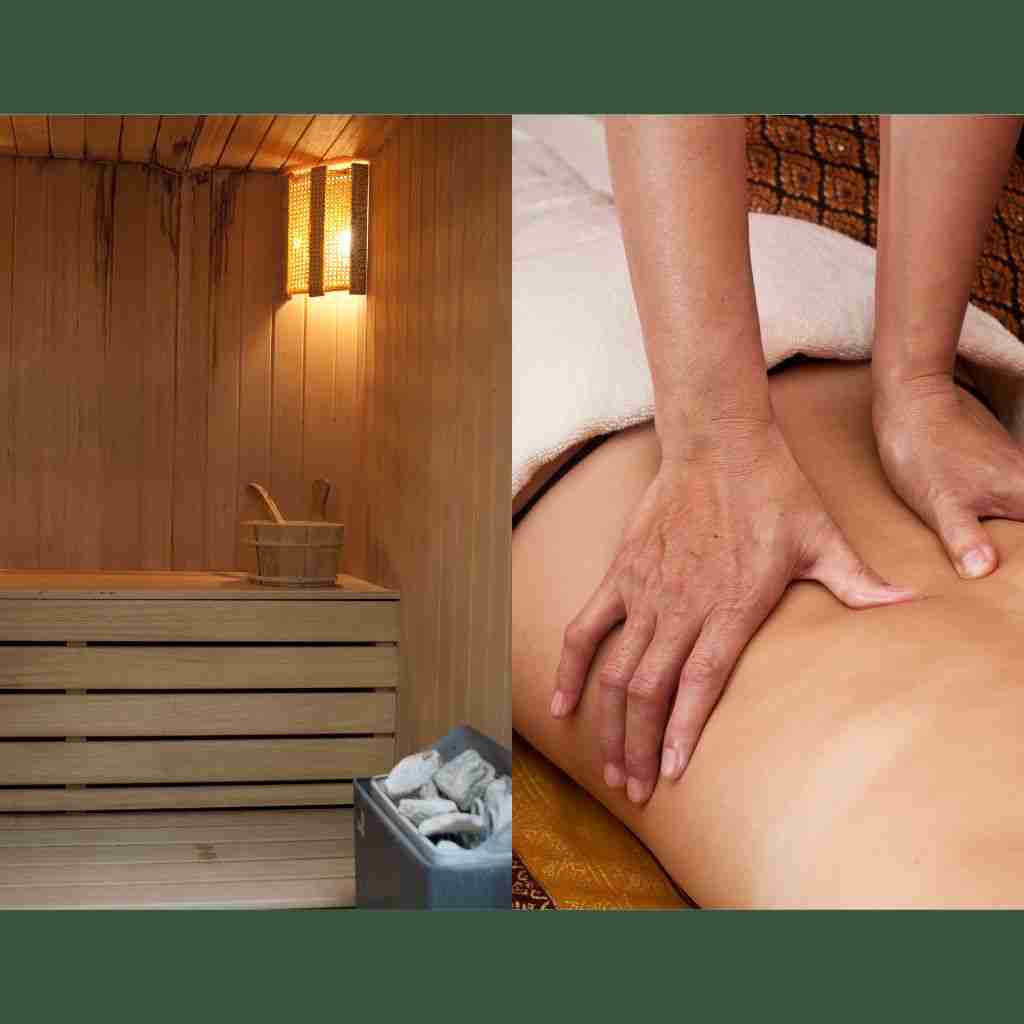
stepping into a sauna after a workout is exceptionally beneficial for your body and mind. Subjecting your system to thermal therapy directly following physical exercise accelerates muscle repair, alleviates post-workout soreness, minimizes systemic inflammation, and significantly improves vascular circulation. Furthermore, post-exercise heat exposure acts as a powerful nervous system regulator—reducing elevated cortisol levels, relieving psychological stress, and enhancing overall cardiovascular conditioning. By integrating deliberate heat therapy into your post-gym routine, you bridge the gap between high-intensity exertion and optimal physiological recovery.
The Complete Guide to Post-Exercise Sauna Recovery
1. What Happens to Your Body in a Post-Workout Sauna?
When you complete an intense training session, your muscles experience micro-tears, cellular fatigue, and a temporary buildup of metabolic byproducts. Entering a heated environment immediately initiates a profound cascade of physiological adaptations designed to counter these stressors.
Post-Exercise State (Micro-tears & Metabolic Waste)
                      │
                      ▼
   Heat Shock Exposure (80°C - 100°C)
                      │
                      ▼
   Vasodilation & Increased Heart Rate
                      │
                      ▼
  Rapid Nutrient Delivery & Lactic Acid Removal
                      │
                      ▼
 Accelerated Tissue Repair & Nervous System Reset
Vasodilation and Hyperthermic Conditioning
As ambient temperatures rise between 80°C and 100°C (176°F–212°F), your internal core temperature elevates slightly. To prevent overheating, your circulatory system responds through vasodilation—the widening of blood vessels.
- Increased Cardiac Output: Your heart rate naturally increases to a pace comparable to light-to-moderate steady-state cardio, often reaching 100–150 beats per minute.
- Enhanced Tissue Perfusion: Blood is diverted outward toward the skin and underlying skeletal muscle tissue, expanding blood flow by up to 100% or more.
Accelerated Metabolic Clearance
During intense resistance training or anaerobic conditioning, your muscles produce metabolic waste products, including hydrogen ions and lactic acid, which contribute to post-exercise heaviness and burning sensations.
- Surge of Circulation: The increased volumetric flow of blood acts as a high-speed irrigation system.
- Nutrient Delivery: Oxygen, amino acids, glucose, and essential electrolytes are rapidly transported directly to damaged muscle fibers.
- Metabolic Flushing: Waste products are swept away into the lymphatic and circulatory systems to be processed and filtered, dramatically shortening the initial window of post-workout sluggishness.
2. Why Does Sauna Heat Accelerate Muscle Repair and Relief?
Muscle tissue does not grow or strengthen during your actual workout; physical training merely provides the stimulus for adaptation. Actual growth and adaptation occur exclusively during the recovery phase. Post-workout thermal exposure maximizes this structural rebuilding process.
| Recovery Mechanism | Standard Rest | Post-Workout Sauna Therapy |
|---|---|---|
| Blood Flow Rate | Baseline resting rate | Elevated by 50%–100%+ via vasodilation |
| Heat Shock Proteins (HSPs) | Normal cellular expression | Hyper-induced expression to repair damaged proteins |
| Growth Hormone Expression | Spikes primarily during deep sleep | Temporary acute surge triggered by heat stress |
| DOMS Severity | Moderate to high peak at 24–48 hrs | Significantly reduced peak intensity and duration |
Induction of Heat Shock Proteins (HSPs)
One of the most remarkable cellular reactions to sauna exposure is the upregulation of Heat Shock Proteins (HSPs). These protective cellular chaperone proteins perform critical functions:
- Protein Folding & Repair: They actively repair misfolded or damaged proteins within stressed muscle tissue.
- Prevention of Muscle Waste: They help preserve existing lean muscle mass by inhibiting catabolic degradation pathways.
- Structural Stabilization: They protect delicate cellular architecture against oxidative stress induced by high-volume training.
Mitigation of Delayed Onset Muscle Soreness (DOMS)
Delayed Onset Muscle Soreness typically peaks 24 to 48 hours following unaccustomed or strenuous exertion. Deep-penetrating radiant heat penetrates skeletal muscle tissue, relaxing involuntary muscle spasms and increasing the flexibility of connective tissues, including collagen fibers, tendons, and fascia. This structural relaxation directly diminishes structural stiffness, allowing you to return to full range of motion with far less discomfort.
3. How Does Post-Workout Sauna Use Reduce Inflammation and Stress?
While acute inflammation is a necessary precursor for physiological adaptation, prolonged, unmanaged systemic inflammation hinders athletic performance, degrades immune function, and increases injury risks.
Key Takeaway: Thermal therapy acts as a biological modulator, suppressing pro-inflammatory pathways while activating your body’s anti-inflammatory responses.
       Hyperthermic Exposure
                 │
  ┌──────────────┴──────────────┐
  ▼                             ▼
Systemic Anti-Inflammatory   Cortisol Reduction &
     Immune Shift             Parasympathetic Shift
  │                             │
  ▼                             ▼
Reduced Chronic Pain &      Enhanced Mental Clarity,
 Accelerated Tissue Healing   Fat Distribution, & Sleep
Modulating the Systemic Inflammatory Cascade
Regular post-gym sauna sessions assist in modulating your body’s immune response:
- Downregulation of Cytokines: Heat stress downregulates hyper-active pro-inflammatory signaling molecules, known as cytokines, that perpetuate chronic tissue soreness.
- Stimulation of Anti-Inflammatory Pathways: Thermal exposure encourages the release of anti-inflammatory markers that support long-term joint, tendon, and vascular health.
- Prevention of Overuse Conditions: By controlling systemic inflammatory spikes, athletes reduce the incidence of tendinitis, chronic joint stiffness, and overuse injuries.
Downregulating Cortisol and Calming the Nervous System
Training hard places your body into a dominant sympathetic nervous system state, commonly referred to as “fight or flight.” To recover, you must transition back into a parasympathetic nervous system state, known as “rest and digest.”
[ Workout Exertion ] ──► Sympathetic Activation (High Cortisol / "Fight-or-Flight")
                                   │
                                   ▼
[ Post-Workout Sauna ] ──► Thermal Comfort & Vasodilation
                                   │
                                   ▼
[ Recovery State ]    ──► Parasympathetic Activation (Suppressed Cortisol / "Rest-and-Digest")
Cortisol is essential in acute bursts to mobilize energy and manage acute stress, but persistently elevated cortisol levels yield destructive side effects:
- Muscle Protein Breakdown: Excess cortisol degrades skeletal muscle tissue to supply gluconeogenesis.
- Abdominal Fat Accumulation: Chronic elevation triggers central adiposity, which is visceral fat storage around internal organs.
- Cognitive Fog & Sleep Interruption: Unregulated stress hormones disrupt circadian rhythms, deep REM sleep, and executive mental performance.
Enveloping your body in deep, soothing heat directly following exercise halts excess cortisol production. This thermal cocoon relaxes hyper-vigilant neural pathways, reduces mental anxiety, restores emotional equilibrium, and prepares your brain for restorative, uninterrupted sleep.
4. Who Benefits Most from Sauna Sessions After Exercise?
While nearly every active individual can derive profound physiological benefits from thermal recovery, specific populations experience truly transformative improvements.
1. Strength Athletes and Weightlifters
Lifters pushing heavy loads subject their central nervous system, joints, and connective tissues to immense strain. Saunas accelerate spinal decompression relaxation, lubricate synovial joints, and relieve deep tension within hyper-tonic muscle groups that foam rolling or static stretching alone cannot reach.
2. Endurance Athletes: Runners, Cyclists, and Swimmers
Endurance sports demand immense cardiovascular endurance and high plasma volume. Post-workout sauna exposure acts as a powerful catalyst for hypervolemic adaptation—expanding blood plasma volume, which improves stroke volume, thermoregulation, and aerobic performance during subsequent warm-weather endurance efforts.
3. High-Stress Professionals and Busy Fitness Enthusiasts
For individuals balancing demanding careers, family obligations, and intense workouts, recovery is often compromised by daily mental anxiety. Integrating a structured 15-to-20-minute sauna session at the end of a workout forces a digital detox, mandating quiet reflection, lowered heart rate variability recovery, and deep mental resetting before returning to daily responsibilities.
5. Where Does Sauna Therapy Fit Into a Complete Fitness Routine?
For decades, mainstream fitness culture prioritized maximum exertion, continuous output, and restrictive routines—often disregarding the equal necessity of physical rest and restorative care. True longevity, physical transformation, and optimal performance rely on a balanced 360-degree approach to physical and mental wellness.
       THE 360° HOLISTIC FITNESS MATRIX

                [ STIMULUS ]
         High-Intensity Exercise
         (HIIT, Weights, Spin, Reformer)
                      │
                      ▼
               [ RESTORATION ]
         Targeted Thermal Therapy
        (Deep Sauna & Heat Recovery)
                      │
                      ▼
                [ ADAPTATION ]
         Muscle Growth, Stress Relief,
          & Long-Term Cardiovascular Health
Shifting the Paradigm: From Exertion to Balance
In an overstimulated world filled with constant notifications, rapid-fire schedules, and back-to-back high-intensity classes, including Spin, HIIT, Heavy Lifting, and Pilates Reformer, your body requires a dedicated sanctuary to unplug, reset, and recharge.
- Equal Priority for Recovery: Booking a dedicated post-workout thermal recovery session should be treated with the same necessity as scheduling your weekly workouts.
- Optimizing Long-Term Outcomes: Pushing hard in the gym without equal commitment to recovery leads to overtraining syndrome, burnout, elevated injury risk, and hormonal imbalances. Thermal recovery balances high intensity with rest.
Crafting the Ultimate Thermal Sanctuary
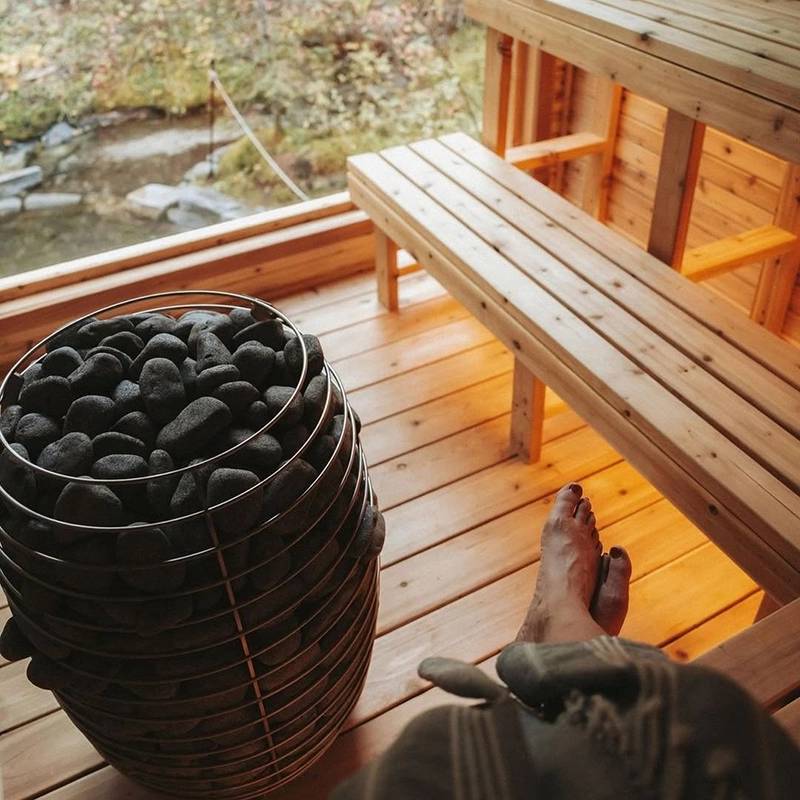
Optimal thermal recovery depends heavily on the quality and execution of the environment. High-grade wooden saunas equipped with premium heating elements, such as traditional Harvia stone heaters, deliver uniform heat distribution that penetrates deeply into dermal and muscular tissue.
By utilizing different temperature zones, you can tailor your recovery strategy precisely to your immediate post-workout needs:
  ┌─────────────────────────────────────────────────────────────┐
  │                 CHOOSING YOUR HEAT INTENSITY                │
  └─────────────────────────────────────────────────────────────┘
                                 │
         ┌───────────────────────┴───────────────────────┐
         ▼                                               ▼
  [ 80°C to 90°C ]                                [ 90°C to 100°C ]
Moderate Recovery Zone                        Intense Rejuvenation Zone
• Gentle muscle relaxation                    • Deep hyperthermic stress
• Cardiovascular priming                      • Maximum protein expression
• Detoxifying sweat session                   • Advanced neuroendocrine reset
• Ideal post-HIIT / post-spin                 • Ideal post-heavy lifting
6. When Should You Step Into the Sauna After Training?
Timing, hydration, and environmental management dictate whether your post-exercise sauna session provides maximum health benefits or induces unnecessary physical strain.
The Step-by-Step Post-Gym Sauna Protocol
[ Finish Workout ] ──► [ Rehydrate & Rest 10-15m ] ──► [ Warm Shower ] ──► [ Sauna Entry (15-20m) ] ──► [ Cool Down & Hydrate ]
- Immediate Post-Workout Cool Down (10–15 Minutes): Never run straight from an intense conditioning circuit directly into a 90°C sauna. Allow your heart rate to fall below 100 beats per minute and your breathing to normalize.
- Hydrate Pre-Entry: Drink at least 16–20 ounces, or 500–600 mL, of water mixed with essential electrolytes, including sodium, potassium, and magnesium, before stepping inside.
- Cleanse in a Warm Shower: Rinse off sweat, chalk, and surface dirt to open up pores and optimize clean cutaneous sweating.
- The Thermal Session (15–20 Minutes): Enter the sauna. Sit comfortably on a mid-level or upper bench depending on your heat tolerance. Focus on deep, slow, diaphragmatic breathing.
- Gradual Re-entry and Cooling: Exit the chamber immediately if you feel dizzy, lightheaded, or nauseous. Step into a room-temperature environment, dry off, and allow your body to cool down naturally over 15 to 20 minutes before taking a final shower. Rehydrate thoroughly.
Two Additional Recovery Features
To maximize your thermal recovery session, pair heat therapy with these complementary strategies to speed up tissue repair and support your nervous system.
Feature 1: Hydrothermal Contrast Therapy (Hot/Cold Protocol)
Contrast therapy involves alternating between hyperthermic heat, such as a sauna, and hypothermic cold exposure, such as a cold plunge tub, ice bath, or freezing shower.
[ Sauna Session (15 mins) ] ──► [ Cold Plunge (1-3 mins) ] ──► [ Repeat 2-3 Cycles ]
       (Vasodilation)                 (Vasoconstriction)         (Pumping Action)
- Mechanics of the Vascular Pump: The extreme warmth of the sauna expands blood vessels through vasodilation, pushing blood to peripheral tissues. Submerging immediately in cold water rapidly constricts vessels through vasoconstriction, driving blood back to your core organs.
- The Benefit: Repeatedly alternating between hot and cold creates an active vascular pumping effect, which drastically reduces soft-tissue swelling, speeds up cellular flushing, and leaves you feeling mentally energized.
Feature 2: Targeted Diaphragmatic Breathwork & Intracellular Rehydration
Combining purposeful breathwork with precise fluid replacement turns a standard sauna session into an active nervous system reset.
- Parasympathetic Respiratory Pacing: While seated in the heat, practice slow 4-7-8 breathing: inhale through the nose for 4 seconds, hold for 7 seconds, and exhale slowly through pursed lips for 8 seconds. This slow rhythm stimulates the vagus nerve, helping suppress residual post-workout adrenaline and quickly lower your heart rate.
- Targeted Electrolyte Replenishment: Sweating in high-heat environments depletes critical extracellular mineral reserves. Drink a balance of liquid sodium, potassium, and magnesium during and after your session to prevent muscle cramping, retain healthy cellular hydration, and avoid post-sauna fatigue.
Frequently Asked Questions
FAQ 1: Should I Use the Sauna Before or After My Workout?
For performance and muscle recovery, using the sauna after your workout is significantly better. Using a sauna before exercise raises your core body temperature, causes fluid loss through sweat, and overly relaxes your muscles—which can decrease your strength, power, and cardiovascular endurance during your session. Using the sauna after exercise takes advantage of your already elevated blood circulation, accelerating muscle repair and speeding up recovery without hurting your workout performance.
FAQ 2: How Long Should I Sit in the Sauna After Working Out, and How Often?
The optimal session length for most individuals is 15 to 20 minutes per session, performed 3 to 5 times per week. Beginners should start with 10 to 12 minutes at a lower temperature of 75°C–80°C to assess their thermal tolerance before gradually increasing duration and heat intensity. Extending sessions beyond 25–30 minutes in a single stretch offers diminishing returns and increases the risk of dehydration, thermal exhaustion, and blood pressure drops.
FAQ 3: Can Sitting in a Sauna After Exercise Help With Weight Loss?
Yes, but it is important to distinguish between water weight loss and metabolic fat loss. The immediate weight loss you see on the scale directly after a sauna session is fluid lost through sweat, which will be replenished upon drinking water. However, the sauna supports long-term fat loss indirectly by raising your heart rate, increasing short-term metabolic burn, improving insulin sensitivity, and lowering chronic stress and cortisol levels—which helps prevent stress-induced abdominal fat accumulation.
Summary
Integrating sauna therapy into your fitness routine transforms recovery from an afterthought into a deliberate performance strategy. By enhancing nutrient delivery, promoting heat shock protein activation, reducing inflammation, suppressing cortisol, and conditioning the cardiovascular system, thermal recovery allows you to train hard while protecting your body long-term. As you build your routine, treat your recovery with the same intention as your workouts—allowing your body the necessary space to heal, adapt, and return stronger.