Introduction: Why Temperature Therapy Is Being Explored for Migraine Relief
A migraine doesn’t politely show up with a calendar invite. It kicks the door in—usually when you’re already tired, already stressed, already late, already done. And when that happens, a lot of people reach for something primitive and fast: cold. Or heat. Or both.
Migraine care has a whole pharmacy aisle behind it (acute meds, preventives, anti-nausea meds, the works). But real life has a freezer, a shower, and maybe a bucket of hot water. So temperature tricks—ice packs, warm foot soaks, “contrast” setups—keep getting used because they’re cheap, available, and sometimes they take the edge off.
None of this is a cure. It’s symptom management. The goal is smaller: nudge pain perception, calm the nervous system (or distract it), and help you ride out the worst part without feeling like your skull is negotiating a hostile takeover.

Understanding Migraine Physiology and Temperature Response
What Happens In The Body During A Migraine
Neurological and Vascular Activity. Migraine isn’t “just blood vessels.” The older vascular story never fully explained the weirdness—why light hurts, why your scalp feels bruised, why sounds feel sharp. Modern models center the brain and the trigeminovascular system (the pain pathway wrapping the meninges and vessels), with signaling molecules like CGRP playing a big role.
Blood vessel changes. CGRP is a strong vasodilator and is linked to migraine biology, but vasodilation by itself doesn’t automatically equal “migraine on.” Translation: it’s complicated, and the pain wiring matters as much as plumbing.
Nervous system sensitivity. As attacks progress, many people develop allodynia—normal touch or temperature feels nasty. That tells you the pain-processing system is “turned up,” not just that something hurts.
Why Temperature Therapy Is Commonly Used
Cold tends to numb. Heat tends to loosen. And both can work as sensory competition—your body can’t fully focus on every signal at once, so a strong temperature input can sometimes crowd out pain. Sometimes. Not always.
Also, people are wildly different. One person swears by an ice cap. Another gets worse with cold and wants a warm shower. Migraine is like that—personal, picky, and not interested in your one-size-fits-all “hack.”

From Ice Packs to Full-Body Cold Plunge: Types of Temperature-Based Relief
Localized Cold Therapy (Traditional Approach)
Ice packs and cold compresses are the classic move: forehead, temples, back of the neck. The American Migraine Foundation straight-up recommends cold compresses as a home strategy—with a limit: don’t keep it on longer than about 15 minutes, and don’t fall asleep with heat or cold on you.
Why it can feel helpful: localized cold can dull sensation (basic numbing effect), and the ritual itself is calming—dark room, stillness, cold pack, less input. That’s not “woo.” That’s reducing sensory load when your brain is already irritated.
Limitations: it’s surface-level. It doesn’t change your whole-body stress response much. And if you’re already temperature-sensitive, too much cold on the head can be unpleasant fast.
Feet in Hot Water for Migraine Relief (Counter-Temperature Method)
This one sounds like grandma medicine until you look closer: warming hands/feet can shift comfort through circulation and sensory gating—warmth to the periphery while you cool the head can be oddly soothing for some people.
There’s even clinical-ish research using a hot arm and foot bath paired with ice massage to the head as an add-on therapy in chronic migraine. In that 2016 study, the hydrotherapy group (alongside conventional meds) saw bigger improvements in headache impact, frequency, and intensity than meds alone, plus heart-rate-variability changes consistent with more parasympathetic (“rest-and-digest”) tone. The protocol was not subtle: hot bath around 103–110°F, ice massage to the head, done regularly across weeks.
Practical reality check: most people are not doing a 6-week structured protocol in a clinic. They’re doing “hot foot soak, cold pack, pray.” And that’s fine—just don’t confuse a supportive ritual with a replacement for actual migraine care.
Full-Body Cold Plunge Therapy
Cold plunging is the flashy cousin of the ice pack. It’s also a different animal.
Full-body immersion hits you with the cold shock response—breathing spikes, heart rate jumps, blood pressure rises. That’s not theory; it’s basic physiology, and it’s why major heart organizations keep warning that cold-water immersion can be risky for some people (especially anyone with cardiac history).
So could it help migraines? Maybe for some people, in some contexts—by snapping attention away from head pain, changing arousal state, and forcing slower breathing after the initial gasp-and-panic moment. But if your migraines are tied to stress, sleep loss, autonomic weirdness, or sensory overload, a hard cold plunge can also be the exact wrong kind of stimulus. The evidence base for migraine-specific cold plunging is thin compared to basic “use a cold compress.”
Controlled vs uncontrolled matters here. A “cold plunge” with stable temperature and a timer is not the same as white-knuckling an ice bath you made in a bathtub with half-melted cubes.
Cold Plunge vs Localized Methods: Key Differences in Experience and Use
Scope of Physiological Impact
- Ice packs:local input. Small, targeted, low drama.
- Hot foot baths:indirect comfort shift—warmth away from the head while you cool the head.
- Cold plunge systems:full-body stressor. Strong autonomic jolt.
Consistency and Control
DIY methods are messy. Temperature changes. Contact is uneven. You get distracted. You “just do it longer” because you’re desperate.
A controlled system is repeatable—same temperature, same exposure, same routine. That matters if you’re trying to learn your own pattern: Does 55°F for 60 seconds help, or does it trigger? You can’t answer that with a half-frozen bath and vibes.
User Experience and Safety Considerations
Cold plunge tolerance is trainable, but the first minute is where risk and discomfort live—rapid breathing, panic, blood pressure spike. If you’re migraine-prone and sensitive to abrupt temperature swings, “go big” is a bad default.
Wellness Infrastructure and Commercial Applications of Cold Therapy
Growing Interest in Integrated Wellness Recovery Spaces
Wellness centers, gyms, recovery studios—lots of them now sell “hot + cold” as a circuit. People like rituals. They like something they can do while they wait for their nervous system to behave.
The unsexy part is operations: water sanitation, cleaning schedules, temperature stability, user throughput, and staff who don’t treat safety like an optional add-on.
Why Equipment Quality Matters in Professional Settings
If you’re running a shared space, “DIY ice bath” isn’t charming. It’s a maintenance problem.
- Temperature precision:if the temperature drifts, the experience drifts. Repeatability disappears.
- Hygiene:shared water needs real protocols, not wishful thinking.
- Reliability:a broken chiller in a busy facility is a customer-service crisis.
Smartmak Cold Plunge Systems in B2B Wellness Applications
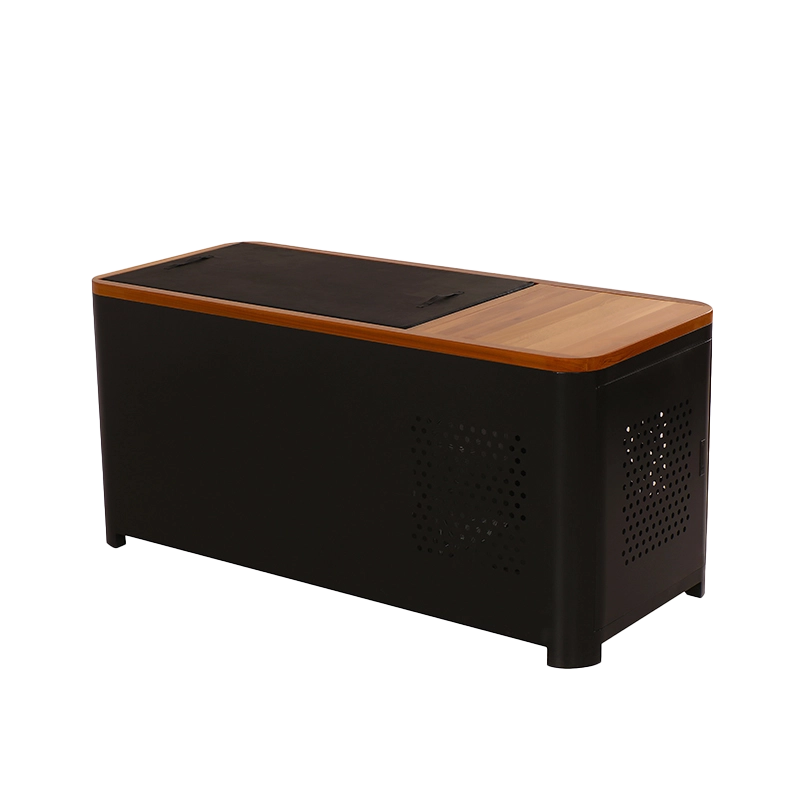
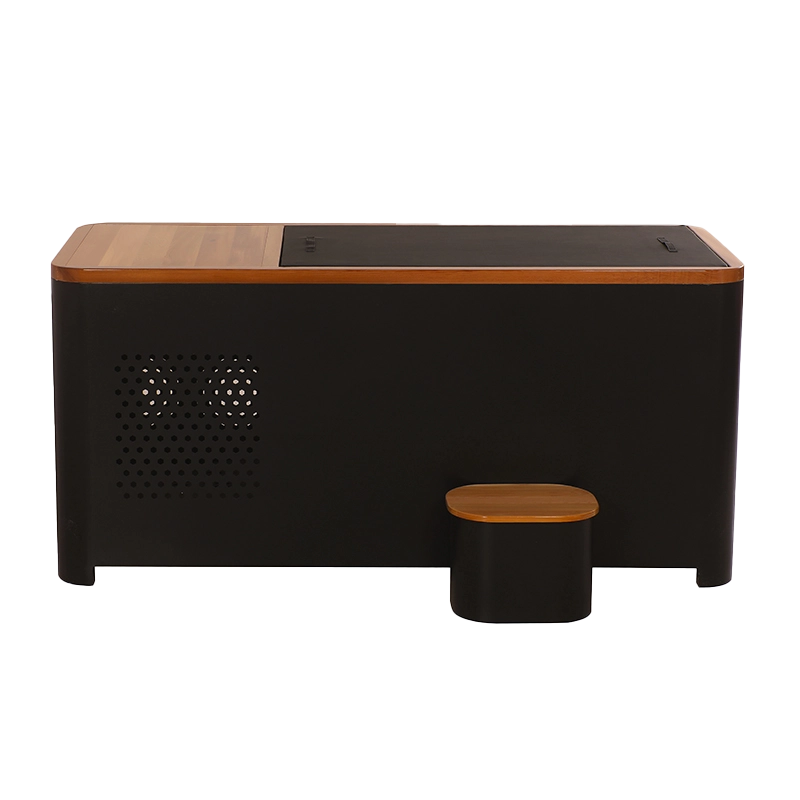
Smartmak markets itself as an OEM manufacturer for cold plunge tubs aimed at athletes, spas, and wellness centers, with certifications and configurable sizing/branding for commercial deployment. That’s the pitch: consistent build + consistent cooling, so a facility can run an actual repeatable cold-exposure station instead of improvising daily.
They also sell multiple sauna categories (barrel, infrared, steam), which is relevant because most commercial “contrast” setups live or die on the hot side being as reliable as the cold side. If your sauna is down, your “contrast” program is just… cold.
Conclusion: Temperature Therapy Is a Support Tool, Not a Standalone Cure
Temperature-based migraine relief sits in the “helpful sometimes” bucket. Cold compresses are the simplest, most common option—and they’re actually recommended by migraine educators, with sensible time limits.
Hot foot baths and mixed hot/cold routines have some research behind them, at least as add-ons. Cold plunging is bigger, louder, and riskier—more of a full-body stress event than a gentle comfort strategy. Treat it with respect.
FAQ
Is cold or heat better for migraine relief?
Cold is the go-to for many people, and migraine organizations often recommend cold compresses. Heat can help if muscle tension is part of your pain. Some people do best combining both.
How does cold exposure affect headache pain?
Localized cold can dull sensation and reduce perceived pain. Full-body cold exposure can trigger a stress response (fast breathing, higher heart rate, higher blood pressure), which isn’t automatically “relaxing.”
Can ice packs reduce migraine symptoms effectively?
They can help—enough that the American Migraine Foundation recommends cold compresses. Keep sessions short (around 15 minutes), and don’t put ice directly on skin.
Is full-body cold plunge better than localized cold therapy?
Not “better,” just stronger. It’s a full-body stimulus with more safety considerations and less migraine-specific evidence than basic cold compress use. Some people may love it; others may regret it.
Are cold plunges safe for people with chronic migraines?
They can be unsafe for people with certain heart risks because cold immersion can sharply raise breathing rate, heart rate, and blood pressure. Anyone with cardiac history should be cautious and talk to a clinician first.