More homeowners and commercial wellness operators are going with natural gas sauna heaters these days. You’ll see demand picking up in both home and commercial markets. They heat up fast, keep the temperature steady, and over time can cut down quite a bit on energy costs.
Natural gas heating is no longer reserved for large commercial facilities. Hotels, spas and even backyard sauna owners are seriously considering this option. But buying a gas sauna heater is a real investment. You need to understand facts before making a decision.
Here are the three key questions most buyers ask:
- Are gas heaters costeffective compared to other types?
- How do they compare to electric or infrared heaters?
- Are they suitable for both residential and commercial sauna projects?
This article answers all of those questions. We cover how gas heaters work, what they cost to run and when they deliver the best value. We also show how Smartmak helps B2B buyers find right sauna solutions for their projects.
How Gas Sauna Heaters Work
Basic Mechanism of Natural Gas Sauna Heaters
A gas sauna heater works by burning natural gas to produce heat. That combustion gets hot fast, and a heat exchanger passes the warmth into the sauna room. From there air moves around the heater and spreads it evenly across the space.
Good ventilation is essential for any gas heater setup. When gas burns it creates exhaust gases. A flue or chimney vents those gases from the sauna so you don’t end up with poor air quality or safety issues. Skip proper venting, and you’ll run into problems quickly.
Compared to electric models, gas heaters work differently. Electric ones rely on coils or sauna stones and they take a while to warm up. Gas heaters emit strong, direct heat almost immediately. That’s why they work better for bigger sauna rooms and places where the sauna runs all day
Advantages of Gas Heating
There are a number of actual benefits to gas heating that make it worth considering:
- Fast warm-up: Gas heaters will reach the set temperatures in 20 to 30 minutes. This is a significant point for business saunas which have back-to-back sessions during the day.
- Consistent temperature distribution: Gas heat spreads evenly across larger or irregularly shaped sauna rooms. Every corner stays warm and comfortable during use.
Lower electricity consumption: Gas heaters are not reliant on electricity to make heat. This results in obvious monthly savings on the utility bills in high-use areas.
Considerations Before Choosing a Gas Sauna Heater
Installation Requirements
Gas sauna heaters need more preparation to install than electric models. Here is what you must have in place:
- Gas line accessibility and connection safety:A natural gas line must be accessible near the sauna location. All connections must meet local gas safety codes.
- Venting and chimney needs:You need to have a proper exhaust system which will safely take combustion gases out of the Sauna.
- Professional installation or DIY: It is advisable to hire a licensed gas technician. Self-repair work is dangerous and may result in the loss of the warranty.
Operational Costs and Efficiency
Understaning long term costs helps you make right decision. Here is quick breakdown:
- Gas vs. electric vs. infrared: Gas heaters cost more upfront but run cheaper than electric over time. Infrared uses least energy but heats only targeted zones.
- Regional gas prices impact:Where gas is affordable, sauna heaters can save lot over months and years of use.
- Maintenance frequency and longevity: Most gas heaters need yearly service checksand occasional parts. This keeps them running well for many years.
Safety and Local Regulations
- Safety must come first with any gas appliance. Keep these points in mind:
- Combustion safety standards:Make sure heater meets the safety rules set by your local authority.
- Residential and commercial compliance:Whether it is for a home or a business, installation has to follow local building codes and gas regulations.
- Emergency shut off and monitoring: You’ll need carbon monoxide detectors and emergency shut off valves. don’t skip them.
When Gas Sauna Heaters Make Sense for B2B Buyers
Commercial and High-Frequency Use Cases
Gas heaters deliver the most value in commercial and high-use environments. Here are the best use cases:
- Hotels, resorts and wellness centers: Guests expect a ready sauna. Guests do not have to wait long for their session as gas heaters heat up quickly.
- Spa and rehabilitation centres: Stable and consistent heat is suitable for therapy sessions, muscle recovery and physical rehabilitation programs.
- Large group sauna sessions:Gas heaters are able to maintain temperature in larger rooms.
Smartmak Solutions for Energy-Efficient Sauna Projects
Smartmak is a trusted global brand in the sauna industry. They serve distributors and commercial buyers across six continents. Their team handles R&D, production and full after-sales service from start to finish.
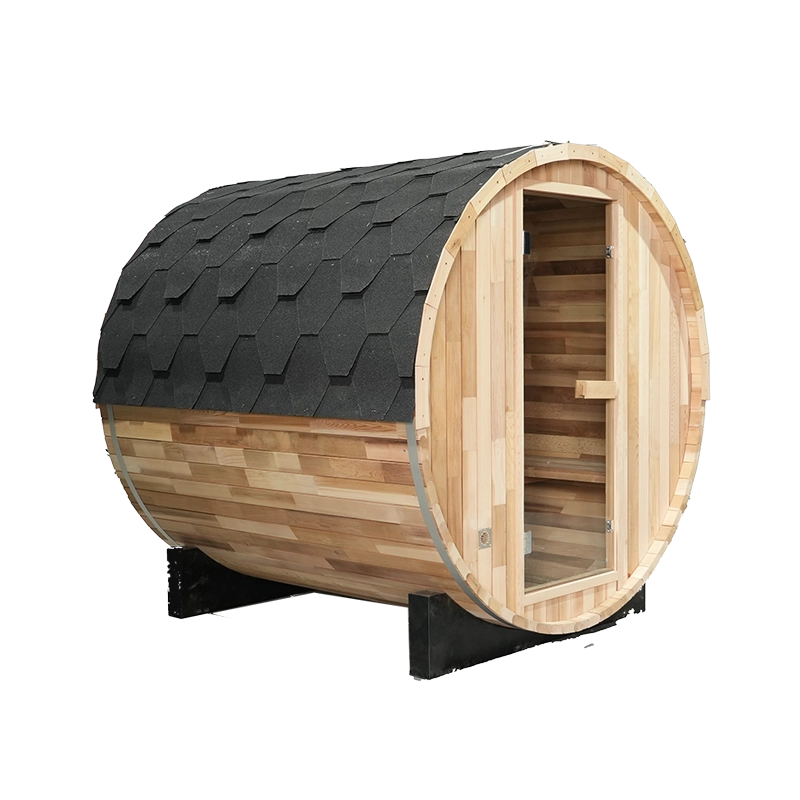
One of their most recommended products for gas heater integration is the Smartmak Outdoor Barrel Sauna. It is designed for commercial and high-frequency use. Here is what makes it stand out:
- Compatible with gas heater integration for fast and efficient heating performance
- Optimized heat circulation for commercial usage with an even spread of warmth
- Durable design built for long-term outdoor performance in all weather conditions
Smartmak also provides strong value for B2B partners:
- OEM/ODM customization: Design the sauna according to the brand requirements, client requirements or specific project requirements.
- Reliable supply chain: Your project is on schedule with consistent product quality and dependable delivery time.
- Long-term cooperation: Smartmak helps you with your wellness project from the very beginning up to day to day and in after sales.
Alternatives to Gas Heaters and Hybrid Approaches
Electric Sauna Heaters
Electric heaters are still the most widely used type worldwide. They work well for many settings:
- Ease of installation: No gas line is needed. Electric heaters are straightforward to set up in most locations.
- Lower upfront cost: Electric models cost less to purchase and install compared to gas heaters.
- Maintenance and reliability: Electric heaters need very little maintenance and have a strong reliability record.
Electric heaters are a smart choice for small to medium residential saunas or light commercial use.
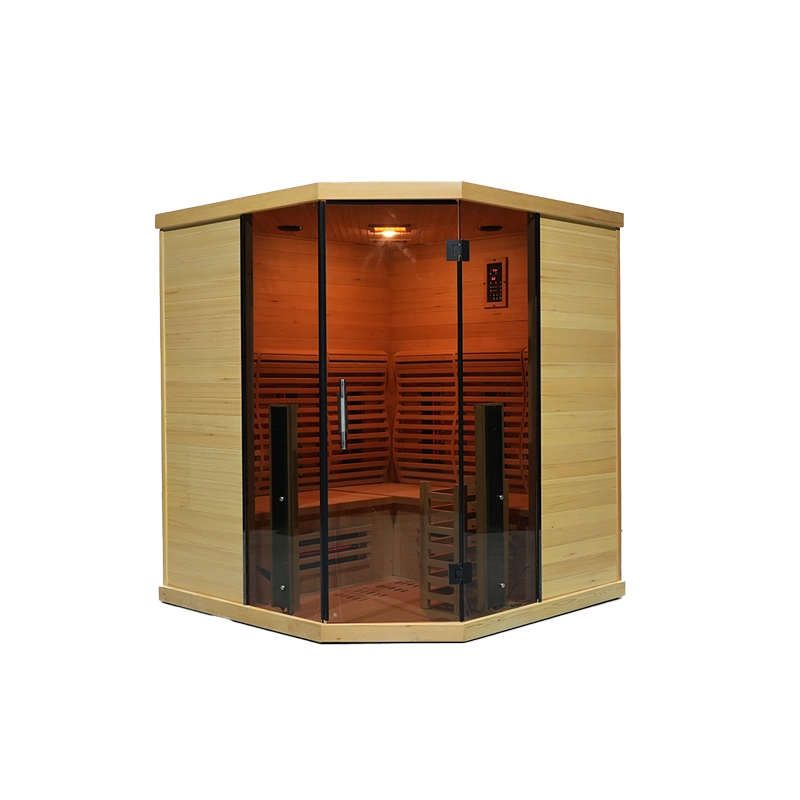
Infrared Heating Options
Infrared heaters take a completely different approach. They heat the body directly rather than warming the surrounding air:
- Energyefficient solutions: Infrared heaters use very little power and have among the lowest running costs of any sauna heater.
- Targeted heat therapy benefits:They are great for muscle recovery, joint relief and deep tissue warmth therapy.
- Popular for small residential setups: Infrared saunas are compact, heat up in 10 to 15 minutes and are easy to install at home.
Combining Gas and Electric Systems
Some commercial operators combine gas and electric systems into a single sauna setup. This hybrid approach offers real benefits:
Flexible hybrid heating for commercial saunas: You can adjust the heating sources based on energy cost and availability.
Emergency backup and consistent performance: If one system fails, the other keeps things going so there is no downtime.
Energy management strategies: Management decisions can be made by operators to reduce costs and optimise the running of each system.
Hybrid systems do cost more upfront, but they offer commercial operators greater flexibility and less to worry about.
Conclusion
Gas sauna heaters make a lot of sense for commercial and high-use setups. They heat up quickly, hold a steady temperature, and bring energy costs down over time. But installation requirements, safety standards and local regulations must all be reviewed before you buy.
For B2B buyers looking for a solid, commercial-grade option, Smartmak is one of the names that keeps coming up worldwide. They’ve been manufacturing for years, run strict quality checks, and actually respond when you need after-sales support. Their Outdoor Barrel Sauna is made to work smoothly with gas heater systems and is built to hold up outdoors over the long haul.
If you want something simpler or smaller, electric and infrared heaters work well too. And for commercial operators who want backup and flexibility, hybrid systems let you switch between sources so sauna keeps running without interruption.
Visit Smartmak today to browse their full product range and connect with their B2B team. They are ready to help you build the right sauna solution for your project.
FAQs
How much natural gas does sauna heater use per hour?
The majority of gas sauna heaters burn between 20,000 and 40,000 BTUs per hour. The size of the heater, and the size of the sauna room will determine the exact amount. Bigger rooms and higher output heaters will use more gas during each session.
Can I install a gas sauna heater in my backyard sauna?
Yes, you can set one up outside. Just make sure you’ve got a natural gas line close by and a proper venting system to carry the exhaust out. Don’t try to do the gas connections yourself. Get a licensed gas technician to handle the install.
What precautions should be taken with gas sauna heaters?
Fit a Carbon Monoxide Detector and an Emergency Shut Off valve. You will also need a working exhaust vent. All installations must comply with your local building and gas safety codes which cannot be compromised.
How fast does a gas sauna heater heat up compared to an electric heater?
Sauna room will heat up in about 20 to 30 minutes with a gas heater. The electric heaters will usually take 40 to 60 minutes. If you are heating a large room or running back-to-back sessions gas is faster option.
Do gas sauna heaters require professional installation?
Yes. The gas line and venting have to be installed by a licensed technician. Doing it yourself isn’t just risky. It can also break local building codes and void your warranty.