Sauna and cold plunge therapy are quickly becoming a popular trend for those seeking better health, faster recovery, and improved performance.
This practice involves moving between hot sauna sessions and cold water plunges, creating a powerful contrast that many believe helps the body and mind in remarkable ways.
By exposing yourself to high heat and then sudden cold, you can boost blood circulation, ease sore muscles, and even build mental toughness.
Both professional athletes and everyday wellness enthusiasts are discovering how this combination can speed up recovery after intense workouts, reduce stress, and lift overall mood.
Wellness centers, gyms, and spas are now offering these therapies as part of their regular services, making it easier than ever to experience the benefits.
But how exactly does sauna and cold plunge therapy work? What are the best routines to follow, and what equipment should you consider for your own home or business? In this article, we’ll explore the science-backed benefits, practical routines, and highlight Smartmak’s innovative solutions for anyone interested in starting their own sauna and cold plunge journey.
Whether you’re new to this trend or looking to upgrade your wellness routine, this guide will help you get started.
The Science Behind Heat and Cold Contrast

When you relax in a sauna, your body temperature rises, leading to several noticeable effects:
Sauna effects on the body
- Blood vessels widen, making it easier for blood to flow throughout the body. This can leave you feeling warm and energized.
- Sweating increases, which helps your body flush out toxins and can leave your skin feeling refreshed.
- Muscles loosen up, reducing tension and promoting a deep sense of relaxation. For example, athletes often use saunas after workouts to help their bodies recover faster.
Switching from the heat of a sauna to the chill of a cold plunge delivers a different set of benefits. Cold water immersion triggers the opposite reaction:
Cold plunge effects on the body
A cold plunge offers a totally different experience. Immersing your body in cold water, even for a short time, creates a shock effect that activates your body’s natural defense and healing systems. This can be especially useful after physical activity or as a quick energy boost.
- Blood vessels constrict: Known as vasoconstriction, this reduces blood flow to the skin and outer muscles, which helps to minimize swelling and decrease inflammation. For instance, icing an injury is a common practice in sports for the same reason.
- Sharper alertness: The sudden cold wakes up your nervous system, making you feel instantly alert and awake. Many people use cold plunges in the morning to kickstart their day or whenever they need a mental boost.
- Supports recovery: The cold helps to numb soreness and speed up tissue healing. After intense exercise, athletes often use cold plunges to reduce muscle pain and bounce back faster.
You might notice your heart rate increases and your breathing gets deeper, which is your body’s way of adapting to the temperature shock, this can also train your body to better handle stress.
The contrast principle
The biggest benefits come when you combine heat and cold in one routine. Moving from a sauna into a cold plunge and repeating the cycle can trigger even greater changes in your body and mind.
Here’s how the contrast principle amplifies the effects:
- Quickly switching from hot to cold makes blood move rapidly in and out of your muscles, which speeds up recovery and reduces soreness.
- The heat relaxes your body and calms your mind, while the cold invigorates you and heightens focus. Together, this cycle can lift your mood, increase resilience, and even improve sleep patterns.
- By regularly challenging your body with these temperature changes, you may boost your immune system and improve your tolerance to stress.
For a side-by-side look, consider this chart:
Effect | Sauna | Cold Plunge |
Blood Vessels | Expand, improve circulation | Constrict, reduce inflammation |
Muscle Impact | Loosen, relax muscles | Soothe soreness, reduce swelling |
Mental State | Calmness, reduce stress | Sharpen alertness, energize |
Detoxification | Sweating removes toxins | N/A |
Immune System | May boost over time | May strengthen over time |
Many users like to end their sessions with a cold plunge for a refreshing finish, while others prefer to repeat the cycle several times.
For example, a routine could be ten minutes in the sauna followed by two minutes in the cold plunge, repeated two or three times. This flexibility makes contrast therapy easy to fit into your lifestyle, no matter your goals.
In summary, sauna and cold plunge therapy work hand-in-hand, each step enhancing the effects of the other.
Whether you’re seeking better recovery, more energy, or just a new way to relax, understanding the science behind contrast therapy can help you make the most of this powerful wellness routine.
Building a Sauna and Cold Plunge Routine

Creating the right routine is key to getting the most benefits from sauna and cold plunge therapy. The sequence you choose, how long you spend in each, and how often you repeat the process all play a role in your results
Sequence options
There’s no single “right” way to alternate between sauna and cold plunge. You can choose the order and cycle that feels best for your goals and your body.
Option 1: Sauna First, Then Cold Plunge
- Many people like to start with the sauna. The warmth helps relax tight muscles, calm your mind, and prepare your body for the shock of cold water.
- For example, after a long day at work, you might sit in the sauna to unwind and sweat out tension, then finish with a cold plunge to feel refreshed and alert before heading home.
Option 2: Cold Plunge First, Then Sauna
- Some prefer to begin with a quick cold plunge. This wakes up the body and mind, making you feel energized and ready for the day.
- Imagine jumping into a cold plunge first thing in the morning, your body wakes up fast! Following this with a sauna session helps warm you back up and leaves you feeling balanced and relaxed.
Both sequences are effective. You can even alternate between them depending on your mood or the season. For instance, you might choose sauna-first in the evening to sleep better, and cold-first in the morning to boost your energy.
Duration guidelines
Knowing how long to stay in each part of the routine is important for both safety and results.
Here are some simple guidelines:
- Sauna sessions typically last 10 to 20 minutes. This is enough time for your body to heat up, sweat, and relax without becoming uncomfortable. Beginners may want to start with shorter sessions and gradually work up.
- Cold plunge immersion is usually between 1 and 3 minutes. Even a quick dip is effective, but you can adjust based on your comfort. The goal is to challenge yourself, but never to the point of pain or numbness.
Example:
An athlete might do 15 minutes in the sauna after a tough workout, then a 2-minute cold plunge to speed up recovery and reduce muscle soreness.
Remember, everyone’s tolerance is different. Listen to your body: if you feel dizzy, extremely cold, or unwell, it’s best to stop and warm up.
Frequency and safety
How often should you use sauna and cold plunge therapy? Most experts recommend starting with two to four sessions per week. This routine is safe for most healthy adults and provides enough exposure to see benefits without risk of overdoing it.
- Personal Use: Two to three times a week is a good target. For example, you might use the sauna and cold plunge every Monday, Wednesday, and Friday. This fits well with most busy schedules.
- Commercial Settings: Wellness centers and gyms often offer daily access, but advise members to listen to their own bodies and avoid back-to-back sessions if they feel drained.
Safety Tips:
- Always hydrate before and after your session, since both heat and cold can be dehydrating.
- Never do these therapies alone, especially if you’re new, to ensure safety in case you feel faint or unwell.
- People with certain health conditions (like heart problems or pregnancy) should check with a doctor before starting.
Real-life example:
A busy parent might schedule short sauna and cold plunge sessions before bed twice a week, using the routine as a way to unwind and sleep better. A professional athlete may use it more often during intense training, but always under expert supervision.
Ultimately, the best routine is one that fits your lifestyle and helps you feel your best. By following these simple guidelines and adjusting to your comfort, you can enjoy the full range of sauna and cold plunge benefits safely and effectively.
Practical Considerations for Operators and Users
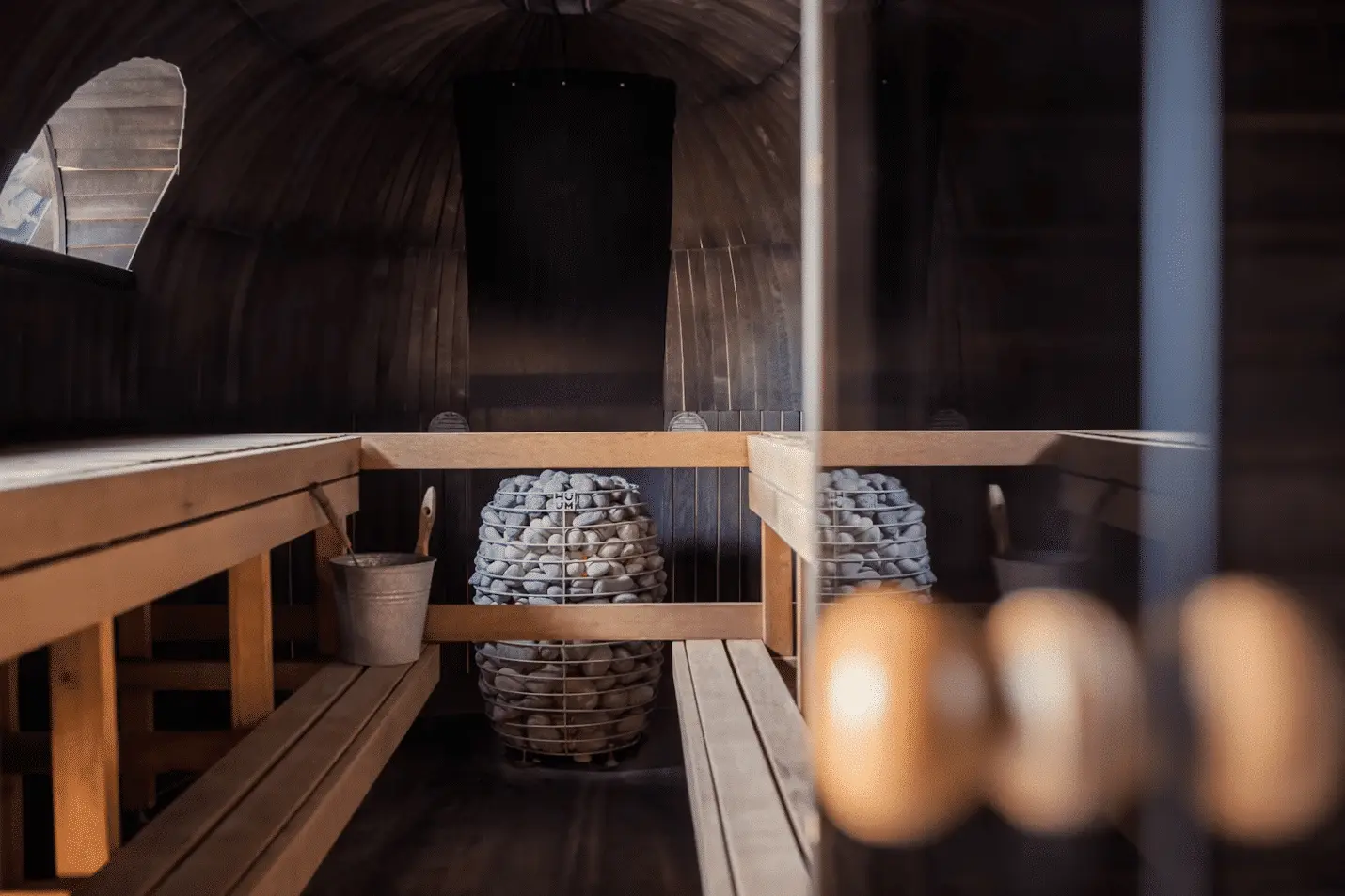
Space and facility design
Designing the space for sauna and cold plunge therapy should balance comfort, safety, and efficiency.
Keeping saunas and plunge pools close together allows users to move quickly from heat to cold, maximizing the benefits of contrast therapy and making the transition more comfortable, especially for those new to the experience.
This kind of thoughtful layout also helps staff manage the flow of clients, making the operation smoother for busy gyms or wellness centers.
Safety should always be a top priority, so installing slip-resistant floors can help prevent falls in wet areas.
Clear, easy-to-read signage ensures that users know exactly where to go and how to use each facility correctly, further reducing risks and creating a more welcoming environment for everyone.
Smartmak integration for B2B partners
Elevate your business offering with a complete thermal wellness system from Smartmak. We provide B2B partners with a proven solution that pairs our signature barrel saunas with a custom cold plunge, creating a compelling package for discerning clients.
This integrated approach is the choice for leading gyms, wellness centers, and resorts. It eliminates compatibility concerns and streamlines setup, allowing you to focus on growth. By delivering a premium and coherent experience, you’ll attract a new demographic of luxury-seeking clients and foster greater loyalty in your existing community.
Partnering with Smartmak provides more than just equipment—it’s a strategic investment in your brand’s reputation and market distinction.
Maintenance and management
Keeping saunas and cold plunge pools in top condition requires regular upkeep and smart management.
Routine cleaning of plunge pools is essential for hygiene, as it prevents the growth of bacteria and keeps the water inviting for every user.
In addition, choosing energy-efficient heating systems can make a big difference in operational costs, especially for facilities that run these amenities frequently.
Modern energy-saving heaters not only reduce expenses but also support environmental sustainability, which can appeal to eco-conscious clients.
Simple practices like daily cleaning checks, scheduled maintenance, and choosing cost-effective equipment help maintain a safe, clean, and enjoyable environment while keeping long-term business expenses under control.
Who Benefits Most From Sauna and Cold Plunge Therapy?
Athletes and fitness enthusiasts
Athletes and people who love to exercise can gain a lot from sauna and cold plunge therapy.
The quick switch between hot and cold helps muscles recover faster and can reduce soreness after tough workouts.
For example, a runner might use the sauna and then jump into a cold plunge to help their legs feel better after a long run. This routine can also help prevent injuries by keeping muscles loose and healthy.
Many professional sports teams use this therapy as part of their regular recovery process because it helps players get back to training sooner.
The study showed that sauna bathing helped increase blood volume, which likely made it easier for the runners’ bodies to deliver oxygen to their muscles and last longer during exercise.
Many professional sports teams use this therapy as part of their regular recovery process because it helps players get back to training sooner and may even boost their overall performance.
Wellness seekers
Sauna and cold plunge therapy isn’t just for athletes: it’s also great for anyone looking to improve their overall well-being.
Spending time in the sauna can help lower stress, calm the mind, and even lead to better sleep at night. The cold plunge, on the other hand, can lift your mood and leave you feeling refreshed and energized.
People who struggle with stress or have trouble sleeping often find that regular sessions help them feel more balanced, happier, and ready to take on daily life.
Businesses
For gyms, wellness centers, and spas, offering sauna and cold plunge therapy is a smart way to stand out from the competition.
Adding these options can attract new customers looking for unique wellness experiences, while also giving current members more reasons to keep coming back.
By including contrast therapy, businesses can create new revenue streams and boost their reputation as places that care about their clients’ health and relaxation.
This investment can pay off quickly, especially as more people look for ways to feel their best and recover faster.
Conclusion
Sauna and cold plunge therapy is a time-tested wellness tradition that continues to provide real benefits in today’s busy world. People who use these therapies can experience faster recovery from exercise, better blood circulation, and a stronger ability to handle stress.
For businesses such as gyms, wellness centers, and spas, offering sauna and cold plunge options is a smart way to attract more clients and give them a memorable experience that keeps them coming back.
Smartmak stands out as a leader in this field, offering high-quality sauna and cold plunge units designed for both comfort and durability. Their integrated solutions make it easy for businesses to set up a complete wellness area without worrying about compatibility or complicated installation.
Smartmak’s products are not only easy to use and maintain, but they also come with modern features that help save energy and reduce costs.
By partnering with Smartmak, businesses can confidently expand their wellness offerings, knowing they have reliable equipment and expert support.
This allows them to deliver outstanding value to their clients and build a reputation for excellence in wellness services.
FAQ
Should you sauna before or after a cold plunge?
There is no strict rule about whether you should sauna before or after a cold plunge—it depends on your goals and personal preference. Many people like to start with the sauna to relax their muscles and open up blood vessels, then move to the cold plunge for a refreshing finish. Others prefer to begin with a cold plunge to wake up their body and follow up with the soothing heat of the sauna.
Experimenting with both orders is a good way to find out what makes you feel your best.
How long should you stay in a sauna before doing a cold plunge?
A typical sauna session before a cold plunge lasts between 10 and 20 minutes. This amount of time allows your body to warm up, start sweating, and relax your muscles. If you are new to saunas, it’s a good idea to start with shorter sessions, such as 5 to 10 minutes, and gradually increase as you get used to the heat.
Always listen to your body and step out sooner if you start to feel uncomfortable or overheated.
What is the ideal sauna and cold plunge routine?
The ideal routine varies for each person, but a common practice is to spend 10 to 20 minutes in the sauna, followed by 1 to 3 minutes in the cold plunge. You can repeat this cycle two or three times during one session if you feel comfortable.
Some people prefer to end with the cold plunge for a lasting sense of refreshment, while others like to finish with the sauna to leave feeling warm and relaxed. Adjusting the time and order to suit your needs is the best approach.
How often should you combine sauna and cold plunge therapy?
Most people get good results by doing sauna and cold plunge therapy two to four times a week. This frequency is enough to enjoy the benefits without overdoing it.
If you are just starting, you might want to begin with one or two sessions per week and increase as your body adapts.
It’s important to allow your body time to recover between sessions and always pay attention to how you feel during and after each routine.
Is it better to cold plunge before or after sauna for recovery?
For most people, using the sauna first and then doing a cold plunge is the best order for recovery.
The heat from the sauna relaxes muscles and increases blood flow, making the body ready for the cooling effect of the plunge.
The cold plunge then helps reduce inflammation and muscle soreness, which is helpful after a tough workout.
However, some athletes may choose to start with a cold plunge to wake up their body, then use the sauna to fully relax.