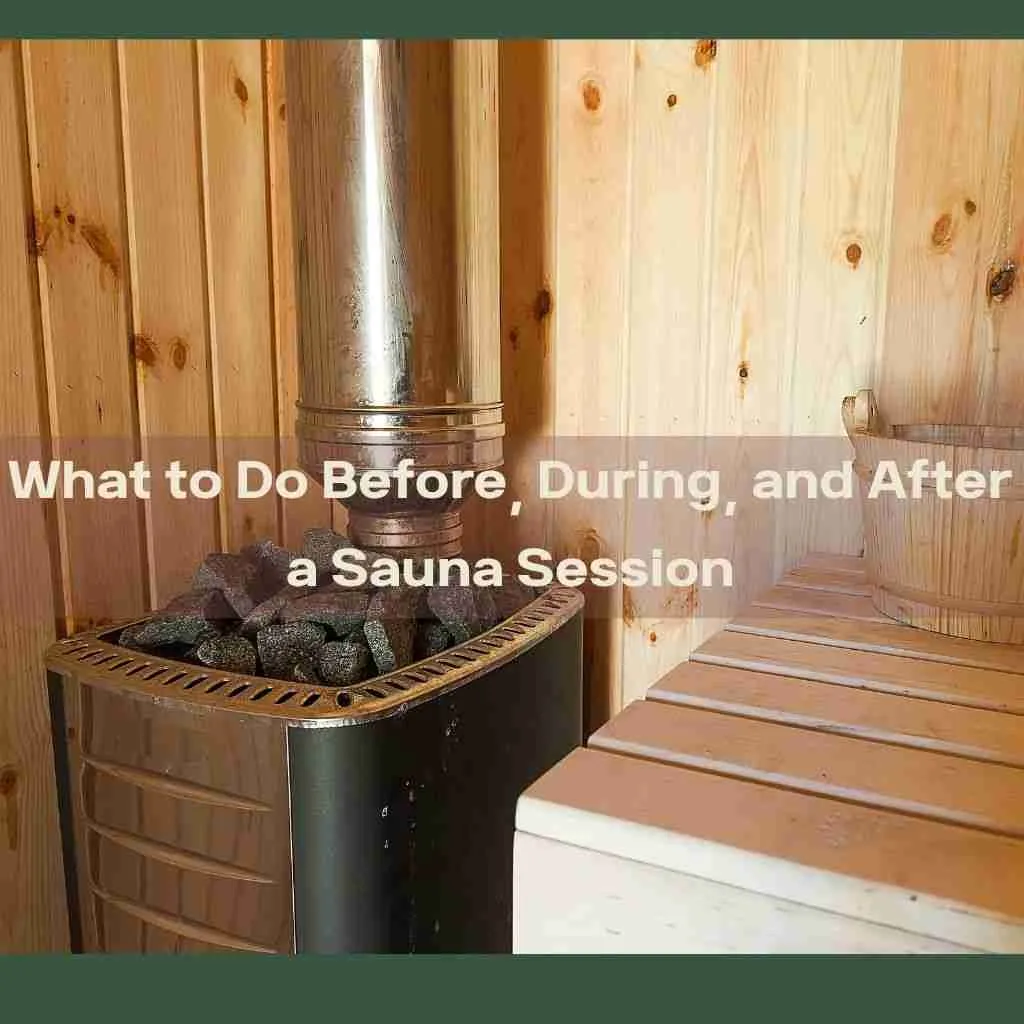
Introduction
If your sauna plan is “sit there until I can’t think straight,” congrats—you’ve reinvented heatstroke.
A good sauna session isn’t a toughness contest. It’s a controlled stressor, like lifting weights… except you’re sitting down, sweating, and pretending you’re not checking the clock.
And here’s the part people ignore: most of the payoff (and most of the risk) comes from the boring stuff around the heat. What you do before decides whether you feel calm or queasy. What you do during decides whether you last 8 minutes or 18. What you do after decides whether you bounce back—or wobble around like you just stood up too fast.
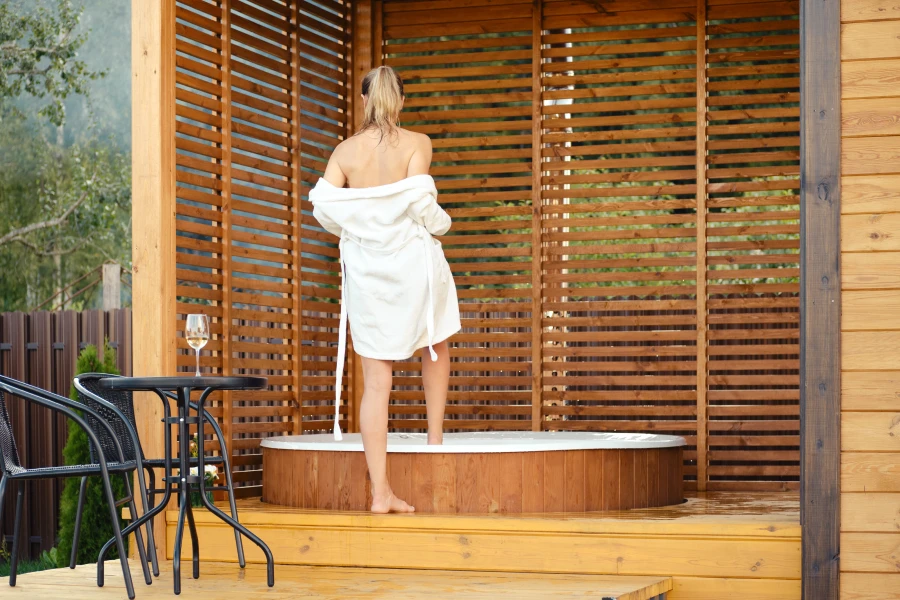
Preparing Your Body Before Entering a Sauna
Hydration isn’t optional. Dehydration is one of the biggest sauna risks, and the fix is painfully unsexy: drink water before you go in, and plan to drink after you get out. If you’ve already trained hard, been outside in heat, or had a “coffee counts as water” day, don’t act surprised when the sauna hits you like a truck.
Skip alcohol. Just skip it. Alcohol plus heat is a bad idea in the same way texting while driving is a bad idea—you can do it, right up until you can’t. Heavy meals are a softer version of the same problem: your body is trying to digest and manage heat at the same time, and you’re the genius who decided to add friction.
Shower first. Not a spa-theater rinse—a quick wash. Many facilities literally post rules: shower before use, don’t bring oils/lotions in, sit on a towel. That’s not “wellness culture.” That’s hygiene and heat sanity (oils + hot surfaces + sweaty wood = gross).
And set a plan before you open the door: a time cap, a cool-down spot, and a simple rule—if you feel dizzy, weak, or like breathing got annoying, you leave. No debate.

Best Practices While Inside the Sauna
Time and temperature are where beginners get weird. You don’t need a heroic first session. Cleveland Clinic’s guidance is blunt: aim around 15–20 minutes, and if you’re new, start closer to five minutes and build up. Harvard’s in the same neighborhood. Your body adapts; your ego doesn’t need to help.
Also: higher heat or higher humidity means less time. Traditional electric-heater sauna temps are often in the 70–85°C (160–185°F) range, and yes, that can feel intense fast. If you’re in a steam-heavy room or throwing water on rocks like it’s your job, treat the session like intervals—heat, out, recover, repeat.
Breathing helps. Not in a mystical way—just mechanically. Slow nasal breathing calms you down, keeps you from panic-breathing in hot air, and stops you from doing the “I’m fine” routine while your heart rate climbs. Sit or recline with a relaxed posture. If your shoulders are up by your ears, you’re not “recovering.” You’re bracing.
Shared sauna etiquette is simple:
- Sit on a towel (your whole body, not just “technically my butt is covered”).
- Keep it quiet. This isn’t your phone call booth.
- Don’t smear lotions, oils, or mystery fragrances around. Facilities ban this for a reason.
And one more thing people miss: don’t exercise in the sauna. A heater manual flat-out warns against it, and the logic tracks—heat already pushes your cardiovascular system; you don’t need to stack stress for bragging rights.
What to Do After a Sauna Session
First: cool down gradually. Not because you’re fragile, but because your circulatory system is busy rebalancing. Step into a cooler room, sit down, breathe, let your skin stop screaming. Harvard’s advice is plain: cool down slowly afterward.
Then shower. You’re covered in sweat and salt. A rinse also resets you mentally—sauna done, recovery starting. If you like contrast (warm to cool), keep it sane: start with lukewarm, then nudge cooler. Going ice-cold immediately can feel amazing for some people and awful for others, especially if you’re already lightheaded. If you want the nerdier version, Smartmak has a whole piece on the timing and logic here: Should You Shower After a Sauna?.
Now rehydrate. Harvard even gives a practical number: two to four glasses of cool water after a sauna. Electrolytes can help if you sweat heavily, trained hard, or tend to cramp—but don’t use that as an excuse to skip actual water.
And give yourself a buffer before intense activity. Walking? Fine. Jumping straight into heavy lifting or sprints when you’re hot, sweaty, and a bit depleted is how people earn headaches and that “why is my heart pounding” moment. If you feel off, sit. The session worked; you don’t need to prove anything after it.
Designing Sauna Experiences in Wellness Facilities
Facilities don’t get to rely on “listen to your body” as the only safety plan. The room itself has to behave. This is why investing in a professionally engineered custom sauna—designed for your specific space, user flow, and maintenance needs—is not a luxury, but a baseline requirement for a safe and consistent user experience. Heat should circulate evenly—hot spots and dead zones make sessions harsher than they need to be, and users blame themselves instead of the room. Smartmak calls this out directly with “maximum heat circulation” design aimed at constant, evenly distributed heat.
Ventilation matters, too, and not as a checkbox. Heater manuals specify real vent placement and even talk about air-change targets; the goal is fresh air without turning the sauna into a draft machine. If you want the straight-talk version (with zero patience for bad builds), Smartmak’s ventilation guide is worth reading internally while you design.
Example: Smartmak sauna solutions for wellness environments
If you’re speccing commercial units, Smartmak positions its builds around predictable heat behavior, certified materials (including FSC-certified wood in outdoor lines), and a controlled manufacturing process with documented inspections. The business payoff is boring but real: fewer weird service calls, fewer “this room feels wrong” complaints, and fewer installs that get reinvented on-site. Start here: Outdoor Sauna and .
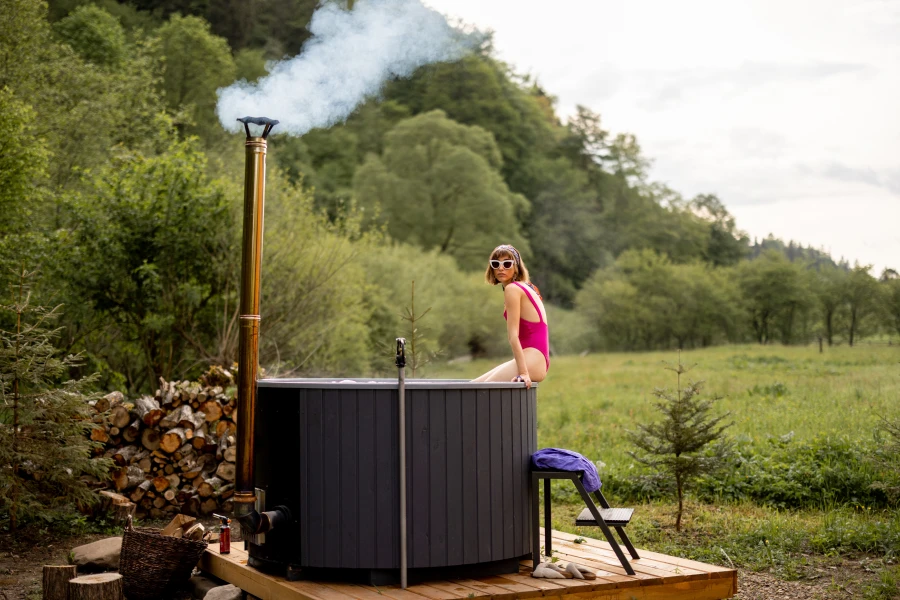
Conclusion
A sauna session that actually feels good is rarely an accident. You prep with water and a plan. You keep the heat exposure reasonable. You get out before your body has to beg.
Then you cool down, rinse off, and rehydrate like you mean it. And if you’re running a facility, the room design—heat circulation, airflow, materials—does a lot of the work users shouldn’t have to think about.
FAQ
What should you do before entering a sauna?
Drink some water, skip alcohol, avoid heavy meals, and take a quick shower. Bring a towel to sit on. If you’re pregnant, have heart/blood pressure issues, or feel unwell, get medical guidance before you play games with heat.
How long should a sauna session last?
Common guidance lands around 15–20 minutes for many healthy adults. New users should start shorter—around five minutes—and build tolerance over time. Hard stop if you feel dizzy, weak, or short of breath.
What should you do after a sauna session?
Cool down gradually, then shower and rehydrate. Harvard suggests two to four glasses of cool water after each sauna. If you feel lightheaded, sit and recover before you do anything else.
Can you exercise immediately after a sauna?
Light movement is usually fine. Hard training right away is where people get sloppy—heat plus fluid loss can leave you under-fueled and a bit unstable. Cool down, drink, and wait until you feel normal again.
Should beginners start with shorter sauna sessions?
Yes. Short, repeatable sessions beat one dramatic suffer-fest. Start low, learn your signals, then add time. Your future self wants consistency, not a single story about how you “powered through.”