You don’t go into a sauna to prove something. You go in to feel better when you come out.
And yes, the heat is the whole deal… but the part that quietly decides whether you feel calm and loose or woozy and wrecked is hydration. The boring stuff. The stuff people skip because it doesn’t look cool on Instagram.
Here’s how to do it like an adult.
Introduction
Saunas are great at what they do: they heat you up, you sweat, your body works to cool itself down, and you walk out feeling like someone hit “reset” on your nervous system. Fine. Love that for you.
They’re also great at one other thing: pulling water (and some electrolytes) out of you faster than you think. Heavy sweating plus high heat is how people stumble into dehydration and heat illness—especially when they stack sauna on top of workouts, travel, alcohol, diuretics, or just a day of forgetting to drink anything except coffee.
So we’re answering the real questions:
- How much water do you actually lose in a session?
- Do you drink before, during, after… or all three?
- If you run a spa/gym/hotel: what makes hydration “easy” for guests so they don’t do something dumb?
Understanding How Saunas Affect Hydration
The physiology of sweating (aka: your built-in cooling system)
Sweating isn’t your body “detoxing.” It’s temperature control. Heat stress signals your eccrine sweat glands to secrete fluid onto the skin so evaporation can dump heat. The catch is obvious: if the fluid leaves your body and doesn’t come back in, you’re running low.
And sweat isn’t just water. You’re also losing electrolytes—especially sodium and chloride—at rates that vary wildly from person to person.
How much water do you lose during a sauna session?
There isn’t one magic number because heat, humidity, session length, acclimation, and your body size all matter.
But in actual sauna research on dry sauna exposure, “uncontrolled sweating” is commonly associated with about 0.5–1.0 kg of body mass loss (read: mostly water).
Here’s the practical translation you can use without a PhD:
- ~1 kg (2.2 lb) lost ≈ ~1 liter of fluidyou need to replace.
If you want your personal number, do the unglamorous thing: weigh yourself before and after (dry skin, same scale, minimal clothing). That’s your sweat loss.
Factors that push dehydration risk up
A few knobs turn the “how hard is this sauna hitting me?” setting:
- Time + temperature:dry saunas are commonly run in the neighborhood of 150–195°F (65–90°C), and more heat or more time is just more stress to manage.
- Humidity:humidity changes how well sweat evaporates. Steam rooms feel different because the air is already loaded with water vapor, which can make heat feel heavier even if the temperature is lower.
- Sauna type (steam vs infrared vs barrel/traditional):infrared often runs at lower air temps, but you can still sweat plenty. Traditional/barrel setups can run hotter and drive more aggressive sweating depending on how you use them.
- Your baseline:if you start even mildly dehydrated, the sauna’s going to feel like a truck.
Signs of dehydration (and when to end the session)
This part is not a “mind over matter” moment.
Common dehydration / overheating signals include things like dizziness, headache, thirst, dry mouth, fatigue, dark urine. If you feel faint, confused, or your symptoms are escalating, treat it like a real problem—because it is.
Rule of thumb: the sauna is voluntary. Leave early. Sit down. Cool down. Drink. Don’t negotiate with the room.
Hydration Strategies for Sauna Users
Pre-sauna hydration
If you wait until you’re thirsty in the sauna, you’re late.
A simple pre-game that works for most healthy adults:
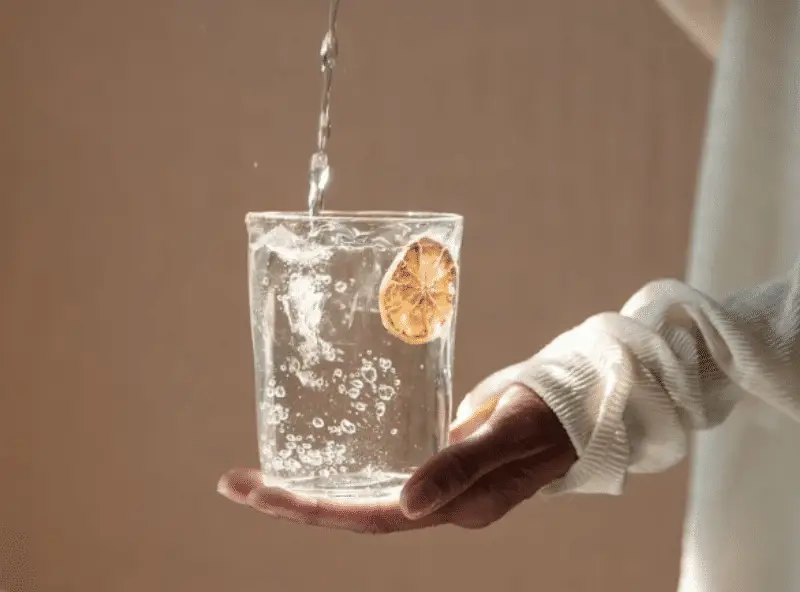
- Drink water in the hour or two beforehand.
- If you’ve trained hard, traveled, or it’s hot outside, assume you need more.
Electrolytes: you don’t need a laboratory-designed sports drink for a casual 10–15 minute session. But if you’re a heavy sweater, you do longer rounds, or you sauna frequently, adding some sodium back (food or electrolyte mix) is often a better plan than chasing the loss with plain water alone.
Hydration during sessions
Yes, you can drink during a sauna session. The world will keep spinning.
But don’t turn it into a chugging contest. Big gulps in high heat can make people nauseous. Small sips are usually the move—especially if you’re doing multiple rounds.
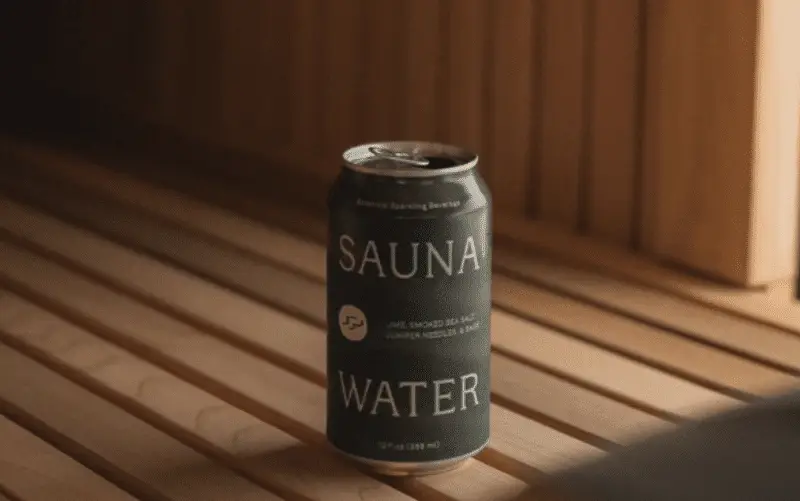
Facility reality check: plenty of operators prefer “water stays outside the hot room” for spill/sanitation reasons. Fair. If that’s the setup, just make sure the water is right outside the door, not across the building like some kind of hydration scavenger hunt.
Post-sauna rehydration
This is where most people blow it. They finish the session, feel amazing, then wander off and “forget.”
Credible, plain guidance from Harvard Health: drink two to four glasses of water after each sauna to replace what you lost.
If you want a more “mathy” approach, sports medicine hydration guidance commonly recommends replacing about 100%–150% of the fluid deficit after heavy sweating (because you’ll pee some of it out as you rehydrate). That’s why the scale method works so well.
Also: a light salty snack isn’t evil. It’s functional. Electrolytes help you retain what you drink, and sodium is the big one you’re losing in sweat.
Smartmak Saunas: Hydration-Friendly Designs
Hydration “design” isn’t some futuristic concept. It’s mostly about two things:
1) Predictable heat (so guests don’t accidentally cook themselves), and
2) Making the right behavior easy (water access, clear timing cues, sensible accessories).
Features that support safer hydration habits
Traditional / barrel saunas: Smartmak’s barrel models lean into that curved-wall convection idea—heat circulates back down along the walls instead of pooling overhead—so the room is less “hot head / cold feet chaos” and more even, repeatable heat. That consistency matters because unpredictable heat makes people stay too long, panic, or overdo it.
They also typically include classic sauna kit items like a bucket and scoop (for water on stones in traditional setups), plus timing/monitoring pieces like a sandglass and hygrothermograph depending on the model.
Infrared saunas: Smartmak’s infrared lineup is built around modular designs and “rapid heating” positioning—useful for operators who want controlled sessions and predictable guest flow instead of a room that takes forever to get to temp (and encourages people to crank settings).
Benefits for distributors and wellness operators (the not-sexy business payoffs)
If you’re selling to gyms/spas/hospitality, hydration isn’t just “safety theater.” It’s:
- fewer “I got dizzy” complaints,
- fewer sessions cut short because guests feel lousy,
- fewer bad reviews written by someone who blames the sauna for their own dehydration choices.
Smartmak also explicitly positions its OEM/ODM program around broad customization—materials, structure, aesthetics, custom function modules—which is where real operators can specify practical add-ons (shelving outside the hot zone, towel hooks, signage plates, accessory placement) that support better hydration habits without turning the sauna into a snack bar.
A few direct Smartmak product links (for reference)
https://www.smartmak.com/products/custom-new-design-red-cedar-outdoor-wooden-panoramic-barrel-sauna/
https://www.smartmak.com/products/best-2-3-person-indoor-far-infrared-sauna-for-home/
https://www.smartmak.com/products/custom-2-4-person-full-spectrum-low-emf-infrared-sauna-factory/
Additional Tips to Minimize Dehydration Risk
Session planning
If you’re new, stop trying to be a hero.
A lot of mainstream guidance lands around 15–20 minutes for many healthy adults, and shorter if you’re inexperienced or the heat/humidity is intense. Build tolerance slowly.
And don’t stack stress like a genius: hard workout + sauna + alcohol is how people end up with the “why is my heart doing that?” moment. Smartmak even calls out skipping alcohol as basic sauna prep.
Monitoring your body (use the cheap signals)
Urine color is not perfect science, but it’s a decent home check: dark urine is a common dehydration sign.
Bigger red flags: dizziness, headache, nausea, confusion, fainting. That’s not “good heat therapy.” That’s your body asking you to stop.
Also worth knowing: some meds make dehydration risk worse (classic example: diuretics). If you’re on anything that messes with fluid balance or heat tolerance, treat sauna like a “talk to your clinician” topic, not a dare.
Combining hydration with other wellness practices
Cold plunge / cold shower after heat can feel amazing. It can also feel terrible if you’re already lightheaded. Cool down in stages, then decide how aggressive you want to get.
Stretching or calm breathing post-session is underrated. You’re already in a parasympathetic-friendly state—don’t ruin it by sprinting to your next meeting like a dehydrated maniac.

Conclusion
Saunas can be a legit wellness tool. They can also be a dehydration trap dressed up in cedar.
Drink before. Make water easy to access. Replace what you lost after—Harvard’s “two to four glasses” is a perfectly usable target, and the scale method is even better if you want precision.
If you’re an operator or distributor, build hydration into the experience: predictable heat, clear time cues, smart accessory choices, and a setup that makes the safe thing the easy thing.
FAQ
Does sauna use dehydrate you significantly?
It can. Studies and reviews regularly show measurable body mass loss from sweating in sauna conditions, and “uncontrolled sweating” is often associated with roughly 0.5–1.0 kg loss (mostly water).
How much water should I drink before entering a sauna?
Enough that you’re not walking in already behind. If you’re starting from a normal day of eating and drinking, a glass or two in the couple hours beforehand is a sensible baseline. If you worked out, traveled, or it’s hot out, bump that up. (And no, three coffees don’t count.)
Should I drink water during a sauna session?
If you want to, sure—small sips tend to be better tolerated than guzzling. If the facility keeps drinks outside the hot room, then drink during the cool-down between rounds. The important part is that water is accessible and you actually use it.
How long can I stay in a sauna without risking dehydration?
There’s no universal number, but many common safety recommendations hover around 15–20 minutes for healthy adults, shorter for beginners or intense heat/humidity. Leave early if you feel dizzy, nauseated, weak, or confused.
Are infrared saunas less dehydrating than steam saunas?
Not automatically. Infrared often uses lower air temperatures, but you can still sweat a lot. Steam feels “wetter” and can make heat feel more intense because evaporation is less effective in humid air. In both cases, your sweat loss (and your baseline hydration) decides the dehydration risk.