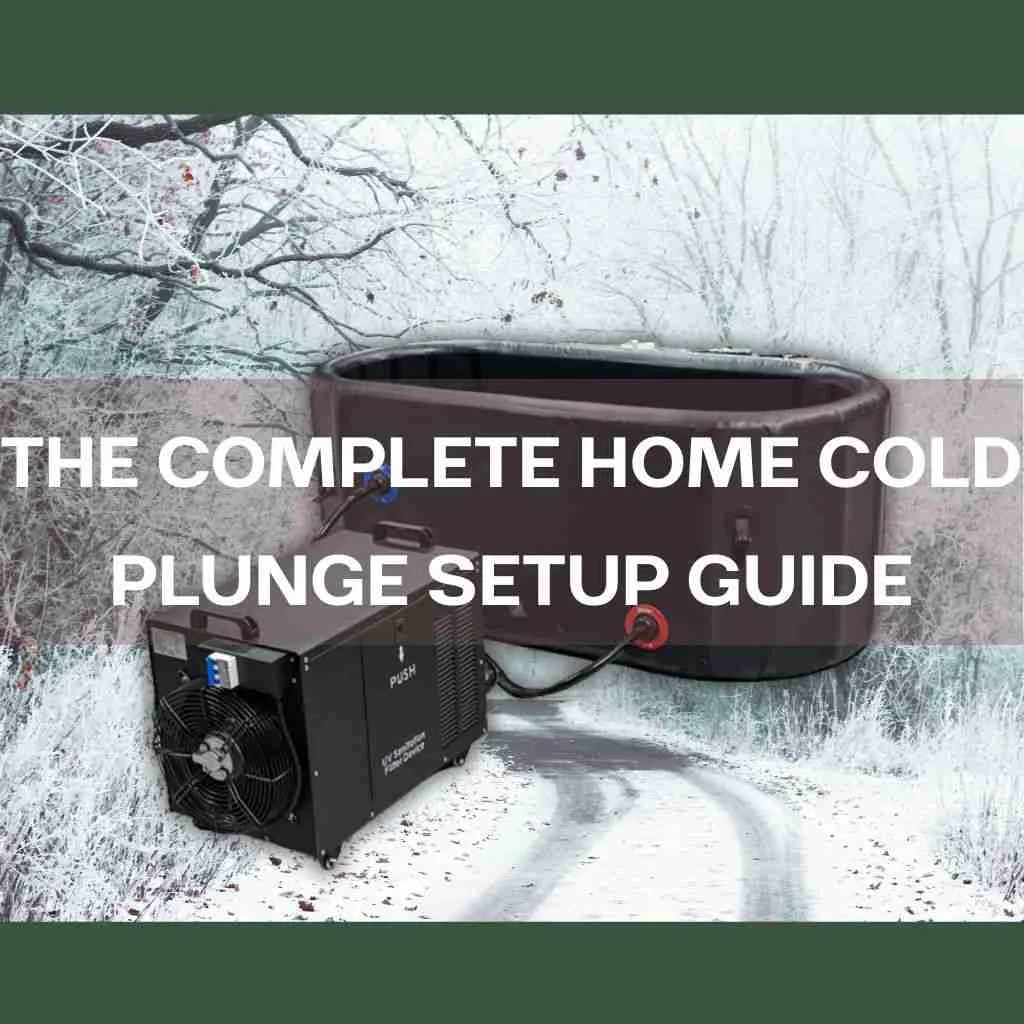
Introduction: Why Home Cold Plunge Systems Are Becoming a Lifestyle Upgrade
Cold plunging used to be a weird athlete thing. A cooler full of ice, a grimace, a stopwatch, and some macho storytelling afterward.
Now it’s… furniture. People are building their week around it the way they build around a coffee machine or a Peloton—because the habit sticks, and because driving to a sauna studio just to shiver in a tub gets old fast.
But here’s the part nobody tells you: the “cold” is the easy part. The annoying part is everything around it—where it sits, how you dump water without making your basement smell like a locker room, and whether your “simple plug-in chiller” is about to trip a breaker every Monday at 6 a.m. This guide walks from dirt-cheap DIY to premium systems, with the unglamorous details spelled out.

DIY Cold Plunge Basics: Low-Cost Entry Into Cold Therapy
DIY is appealing for one reason: you can try the habit before you marry it.
Common DIY Setup Types
- Simple ice bath tub setup
- Basic container options:stock tanks, spare bathtubs, big storage barrels, even chest freezers (yes, people do this—also yes, it comes with real safety risks).
- Ice-based cooling method:you buy ice, dump ice, repeat forever. Temperature control is “vibes + guesswork.”
- DIY cold plunge tub with chiller
- Adding a water chiller system:the water stays closer to the temp you want, and you stop doing daily ice runs like it’s your part-time job.
- Basic circulation setup:a small pump and hoses keep water moving so you’re not sitting in a sad lukewarm pocket.
Quick reality check with numbers: if you’ve got about 100 gallons of water and you want to drop it from “tap-cool” to “properly cold,” you can easily burn through over 100 lb of ice in a session once you factor in melting and heat sneaking back in from the air and the tub walls. Back-of-the-envelope, but it matches what most people end up experiencing.
Limitations of DIY Systems
- Temperature inconsistency:heat waves ruin your plans. So does forgetting to buy ice.
- Maintenance load:DIY setups get gross faster than people admit. Skin oils + warm days + sunlight = swamp vibes.
- Limited scalability:one person, occasional use? Fine. A household of daily plungers? DIY starts to feel like punishment.
Space, Plumbing, and Electrical Requirements for Home Cold Plunge Installation
This is where setups succeed or die. Not on day one—on day thirty.
Space Planning Considerations
- Indoor vs outdoor installation
- Indoor setup:you need a plan for splashes, drips, and humidity. A wet room is ideal; a finished hardwood floor is a terrible idea.
- Outdoor setup:you need a level base, a cover, and some protection from sun and storms. Direct sun turns “cold plunge” into “bathtub.”
- Minimum space guidelines
- Leave room to step in safely and to service the unit. If you can’t access the pump area without doing yoga, maintenance won’t happen.
Plumbing Requirements
- Water supply and drainage
- Filling options:manual fill (hose) is fine at first. A plumbed line is nicer if you refill often.
- Drainage design:you need a consistent way to dump water—floor drain, utility sink, sump tie-in, or a safe outdoor drain point. Dragging a hose through your house twice a week gets old.
- Water quality management
- Filtration matters. Even a basic filter loop beats “replace all the water constantly.” If you use sanitizers, be smart about where that water drains.
Electrical Requirements
- Power demand of chiller systems
- Small chillers can run on standard household power, but startups (compressor kick-on) are where nuisance trips happen.
- Voltage compatibility
- Some systems are 120V plug-in; others want 240V. Pretending they’re interchangeable is how people end up with extension cords snaking across patios. Don’t.
- Dedicated circuit recommendation
- If your chiller shares a circuit with a garage freezer and a space heater, you’re asking for chaos.
- Safety considerations
- Use GFCI protection, weather-rated outlets outdoors, and keep cords and connections off the ground. And if you’re not confident here—hire an electrician. Cold water and sloppy wiring is a bad combo.

From DIY to Premium Systems: Choosing the Right Cold Plunge Solution
You’re not choosing “cheap vs expensive.” You’re choosing “project” vs “appliance.”
When DIY Makes Sense
- Budget-conscious users:you want to test whether you’ll actually plunge more than twice.
- Limited usage frequency:a couple sessions a week? DIY can be perfectly fine.
- You don’t mind friction:buying ice, dumping water, scrubbing tubs—some people weirdly enjoy the ritual.
When to Upgrade to Premium Systems
- Daily or high-frequency use:the best plunge is the one that’s ready when you are.
- Convenience factor:if your setup requires 20 minutes of prep, your consistency will drop—fast.
- Stable temperature control:repeatable temps make the experience predictable, especially if multiple users share the tub.
- Long-term cost efficiency:ice costs add up, and so does your time. Premium systems can be cheaper “per session” once you’re a daily user.
Smartmak Cold Plunge Systems for Home and Commercial Use
Smartmak positions itself more toward engineered cold therapy systems—meaning purpose-built tubs, integrated cooling, and the kind of “set it and forget it” approach that matters in high-use settings. That’s relevant if you’re building a home setup that gets hammered daily, or if you’re doing a real facility.
Where it can make sense:
- Residential + commercial fit:spas, fitness centers, recovery studios.
- B2B / project work:distributors, contractors, wellness developers who need repeatable supply and consistent units.
- Contrast therapyinstalls: pairing cold plunge with sauna (barrel or infrared) for back-to-back hot/cold sessions.
- Support expectations:in commercial environments, downtime is lost money—so after-sales support and parts availability stop being “nice” and become the whole point.
Designing a Future-Proof Home Cold Therapy Setup
People rarely stay at “one tub and a bag of ice.” They graduate.
Planning for Growth
Start simple, but don’t paint yourself into a corner. If you think you’ll add a chiller later, leave space next to the tub and pick a location where routing hoses won’t look like a science fair.
Modular thinking helps: quick-disconnect fittings, accessible shutoffs, and a layout that doesn’t require draining the whole tub just to touch a filter.
Maintenance and Operational Efficiency
Have a water hygiene plan you’ll actually follow. Not the fantasy plan. Filters, regular wipe-downs, scheduled water changes—boring stuff that keeps the experience from turning disgusting.
Also: insulation and a cover can reduce how often the system has to run, especially outdoors. Less run time usually means less noise, less wear, and fewer surprise headaches.
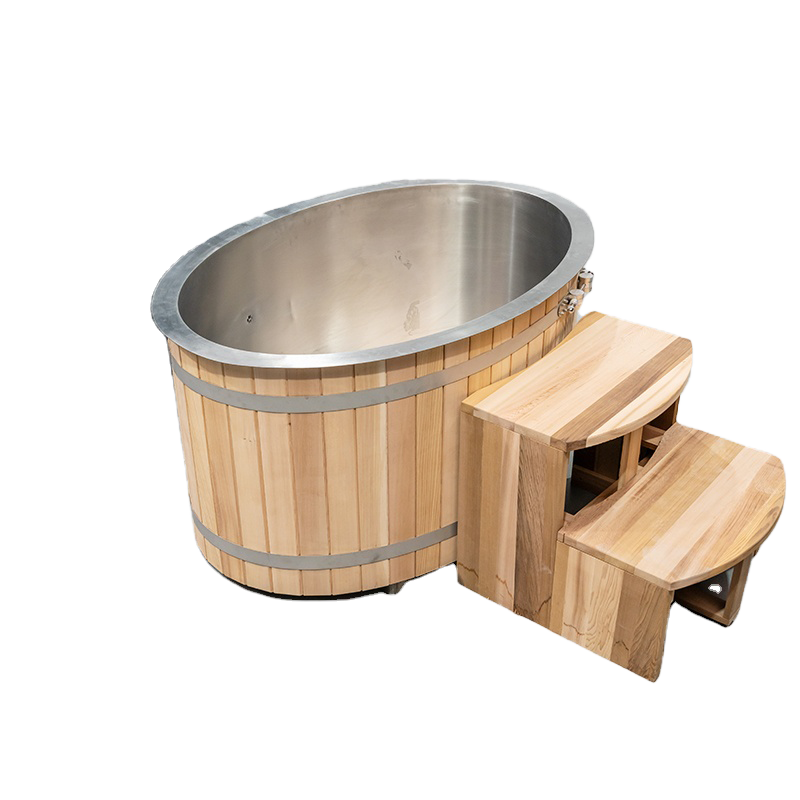
Conclusion: The Best Cold Plunge Setup Is the One That Fits Your Lifestyle
DIY plunges are cheap and honest—you pay in effort. Premium systems cost more upfront, but they buy you consistency and fewer annoying chores. Either way, the “hidden” work is space, drainage, and safe power. Get those right and the rest is just cold water and willpower. Get them wrong and your plunge becomes an expensive, wet regret.
FAQ
Can I install a cold plunge indoors safely?
Yes—if you plan for drainage, waterproof surfaces, and humidity. Basements and finished floors are where people learn this the hard way.
Do I need plumbing for a home cold plunge system?
Not strictly. You can fill with a hose and drain manually. Plumbing starts to matter when you’re refilling often or want the setup to feel effortless.
What is the difference between a DIY cold plunge and a professional system?
DIY is a container plus manual cooling and manual cleaning. Professional systems are built for stable temperatures, integrated filtration/sanitation, and less daily hassle.
How do I keep my cold plunge water clean at home?
Move the water (circulation), filter it, sanitize appropriately, keep it covered, and change it on a schedule you can stick to.
Is it worth upgrading from a DIY plunge to a commercial-grade system?
If you plunge most days—or multiple people use it—yes. The “worth it” part is time saved and fewer skipped sessions, not bragging rights.