Introduction
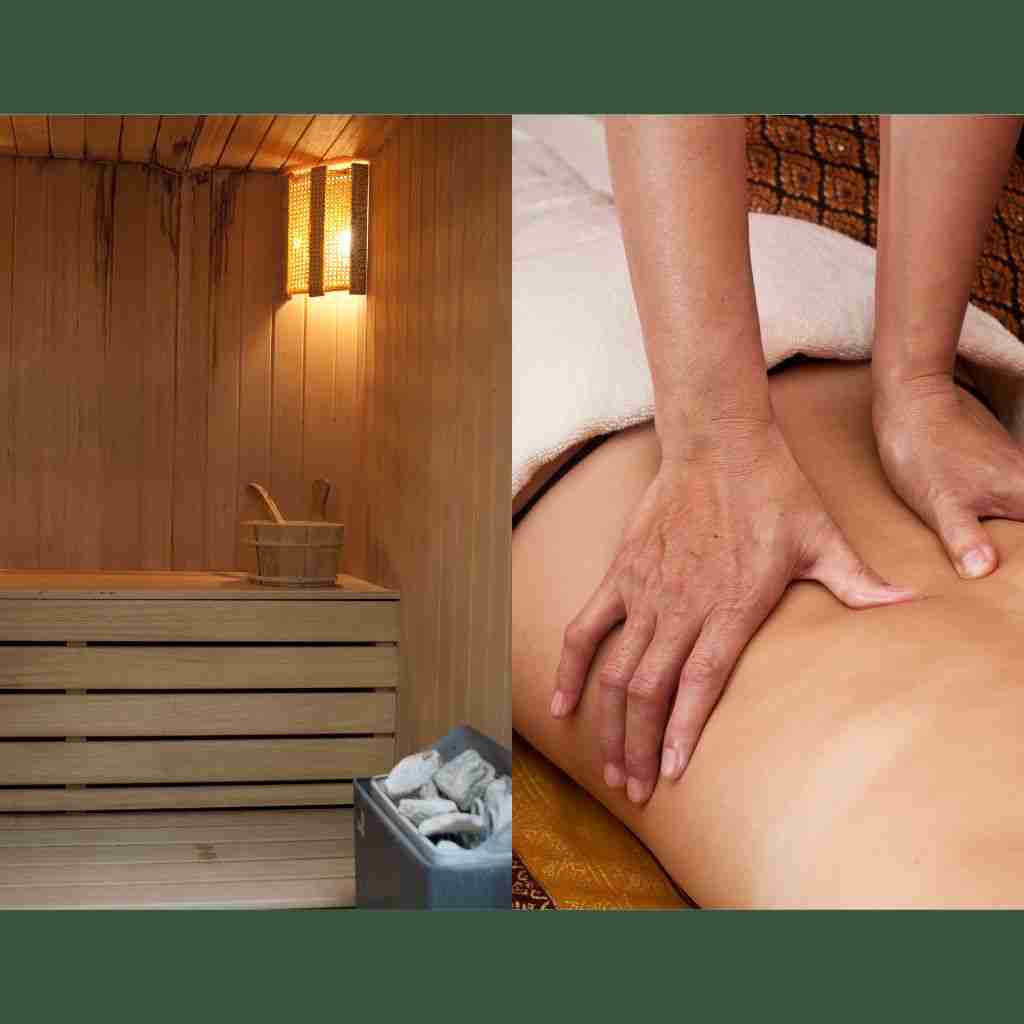
The combination of sauna and massage is a classic wellness pairing often used for relaxation, easing a sense of muscle tension, and creating a more comfortable recovery routine. Yet one common question keeps popping up: should you hit the sauna before or after a massage? The answer isn’t one-size-fits-all — it depends on what you want from the experience, how well you tolerate heat, the type of massage you’re having, and how the spa or gym sequences its services. You might be wondering: is there a hard rule? Sort of. Mostly, it’s goals + timing + common-sense safety.
Understanding How Sauna and Massage Complement Each Other
Physiological effects of sauna sessions
Saunas raise skin temperature and can increase heart rate and skin blood flow as the body responds to heat — a real physiological response, but not the same thing as exercise. Some studies have reported associations between regular sauna bathing and cardiovascular outcomes, but the findings depend on the population and study design and should not be treated as a guarantee of benefit for every user.
Benefits of massage therapy
Massage is commonly used to help people relax and to address feelings of muscle tension or soreness, but its effects vary with technique, intensity, and the individual. Medical centers routinely include massage as part of integrative care for recovery and comfort.
Synergy of the two practices
Put simply: heat loosens, massage works deeper. Gentle heat before a massage may make some people feel less stiff and more comfortable, but it should not be presented as proof that the massage will work deeper or more effectively. Conversely, a mild post-massage sauna may help some people stay warm and relaxed, provided they tolerate heat well and have time to cool down and rehydrate. The combo tends to amplify the win-win.
Sauna Before Massage: The Preparation Approach
Muscle relaxation and flexibility
Sit in a warm room, let your muscles loosen up, and you’ll likely notice a massage feels smoother — less “ouch,” more “oooh.” That’s why some athletes and therapists prefer a short, gentle heat session before deep-tissue or sports massage: it can make the transition into massage feel easier, although it should not be described as making deep pressure inherently safer or more effective.
Hydration, Circulation, and Comfort
Sauna-induced sweating mainly increases heat loss and fluid loss, so the practical priorities are comfort, hydration, and avoiding overheating. When sauna is followed by massage, the therapist can adjust pressure to the client’s comfort and heat tolerance rather than assuming that heat allows deeper or more effective treatment.(Rehydrate afterwards — more on that later.)
Facility advantages (B2B relevance)
Many modern spas and fitness clubs design pre-massage flows that deliberately include quick heat exposure. Infrared or steam units that heat quickly and hold stable temps are popular because they help facilities keep clients on schedule — no 30-minute preheat drama. Brands that make turn-key infrared and steam units advertise advanced temperature control and rapid warm-up as a workflow benefit for high-volume operations. Smartmak, for example, markets both infrared and steam sauna units aimed at professional spas and clubs, touting quick heating and customizable controls to help integrate saunas into pre-treatment protocols.
For facilities that offer both sauna and massage, a practical layout is sauna → seated cool-down and hydration area → massage room. Keeping the massage table in a separate treatment room normally makes temperature control, therapist working conditions, cleaning, and guest turnover easier to manage.
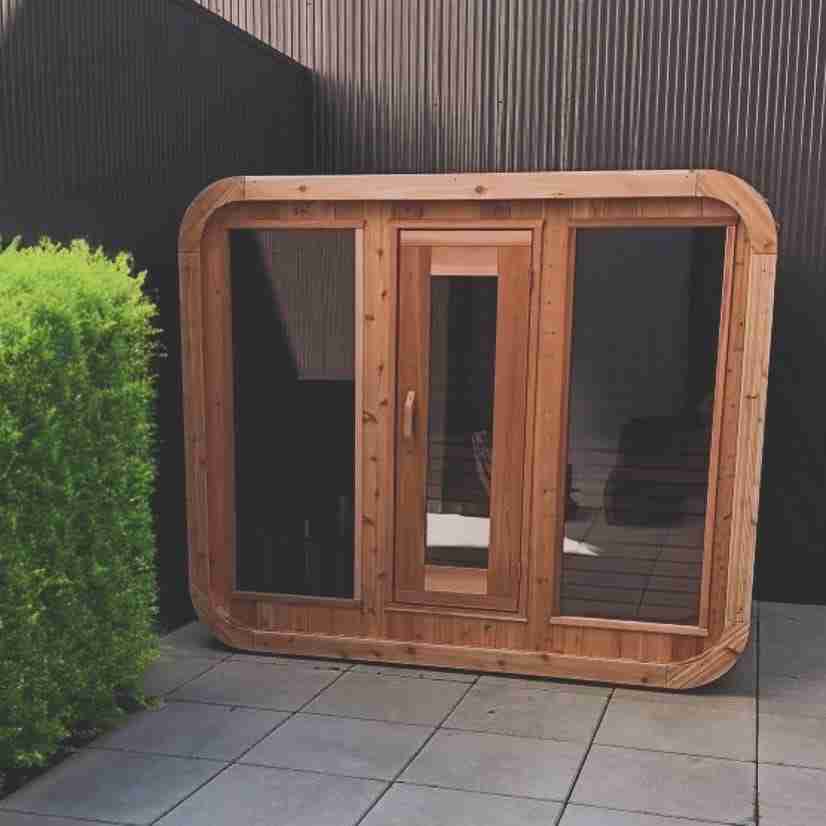
If a project intentionally places a treatment table inside a heated cabin, the furniture, upholstery, fasteners, and any powered accessories must be suitable for the design temperature and humidity. The layout also needs to preserve the heater’s required clearances and must not obstruct temperature sensors, air inlets, exhaust paths, doors, or emergency egress.
Sauna After Massage: The Recovery and Relaxation Approach
Post-massage muscle recovery
After a massage, a gentle sauna may feel soothing and help maintain a sense of warmth, but it should not be described as preventing post-massage tightening or speeding tissue recovery. A low-intensity, shorter sauna after a massage supports continued circulation without shocking the system.
Post-Massage Comfort and Heat Tolerance
Massage and sauna can both affect how warm and relaxed a person feels, but combining them should not be described as extending a lymphatic “flushing” or detoxification effect. Think of the massage as starting the river current and the sauna as helping it flow a bit farther.
Caution and moderation
But — and this is important — avoid blasting yourself in an ultra-hot sauna right after an intense deep-tissue session. Your nervous system and blood pressure may be more reactive immediately after heavy bodywork. Opt for milder temps and shorter sessions, hydrate, and rest at least a few minutes between treatment and heat if you feel dizzy or lightheaded. People with cardiovascular or blood-pressure conditions should follow individualized medical advice about heat exposure rather than relying on a general spa protocol.
How to Create the Ideal Sauna–Massage Routine
Determine your goal (quick cheat-sheet)
- For deep relaxation: massage first, sauna after. Let the massage calm your nervous system, then finish warm to “set” that relaxed state.
- For muscle recovery & flexibility: sauna first, massage second. Warm the tissue, then let the therapist do deeper work.
- For detox/lymph support: either order can work — but pair massage + sauna with good hydration and rest.
Recommended sequence for professional use (sample templates for spas)
Below are two simple, practical templates spas or operators can use. Modify based on client health and preferences.
- Recovery Flow (Athlete)
- 10–15 min infrared preheat (gentle) → 45–60 min sports/deep-tissue massage → 8–12 min mild sauna finish → cold drink + rest area.
- Relaxation Flow (Day-Spa)
- 60 min Swedish/relaxation massage → 10–15 min steam room or mild infrared → 10 min quiet lounge + herbal tea.
Numbered timing helps staff manage turnover and keeps clients comfortable. If you’re running a high-volume facility, add clear cues in booking software: “Sauna before? / Sauna after?” and recommended contraindications.
Incorporate cooling breaks, hydration, and rest areas
Always give people time to sit, drink water, and cool down. A simple sign that reminds guests to drink water, sit down, and cool off before the next service can support a safer and more comfortable transition without prescribing one fixed amount of water or rest time for everyone.
Smart facility integration
Smartmak and similar custom sauna manufacturers design infrared and steam units to be paired with professional spa systems: programmable temp profiles, quick warm-up, and safety cutoffs. Those features help operators build consistent pre/post massage protocols while managing energy use and client throughput. If you’re a spa operator, look for units with: programmable timers, reliable temp sensors, safety interlocks, and easy cleaning/maintenance.
From a manufacturer’s perspective, the most useful design variables are room volume, heater or infrared-emitter layout, temperature-control logic, timer settings, ventilation, cleaning access, and the transition space between sauna and treatment areas.
Practical Tips — What to Do (and Not Do)
- Hydrate before & after.Sip water before you heat up, and have a full glass afterwards.
- Keep sessions short at first. When sauna and massage are paired, start with a shorter heat exposure and adjust only within the equipment instructions and the guest’s comfort level. Longer sessions are fine occasionally but raise dehydration/overheating risk.
- Listen to your body.Lightheaded? Cut it. Nauseous? Sit down, cool, drink.
- Temperature choices:Infrared typically runs at lower air temps but delivers heat directly, so it feels different from a steam room. Choose based on client comfort and treatment goals.
- Avoid alcohol before or between treatments.Bad idea. Trust me.
- Contraindications:pregnancy, unstable heart disease, uncontrolled hypertension — require medical clearance. Harvard and Mayo recommend checking with a doctor if you have known conditions.
Quick Comparison Table: Sauna Before vs After Massage
Goal | Sauna → Massage | Massage → Sauna |
Flexibility & deep tissue work | ✅ Warms tissue, improves range | ❌ Less ideal — tissues cooler |
Relaxation & nervous system calm | ❌ Might be too activating | ✅ Excellent — massage calms, sauna finishes |
Comfort, hydration, and recovery flow | ✅ Good — heat primes circulation | ✅ Also good — massage moves lymph, sauna continues flow |
Best for athletes | ✅ | ✅ (for cooldown, gentle) |
Recommended temp | Mild–moderate | Mild, shorter session |
Conclusion
Think of the sauna and the massage as a two-act play. One act gently warms the stage, the other performs the deep, meaningful work — and sometimes you swap acts depending on the mood. Whether you prime your muscles with heat for a revenge-style deep-tissue session, or you let a soothing rubdown bleed into a warm, sleepy steam finish, the point is this: intentional sequencing + hydration + moderation = better results. For spa operators, reliable and fast-heating units , clear client guidance makes that experience repeatable, safe, and delightful. Try both orders, see which one leaves you walking out lighter — and tell us which one won you over.
FAQ
What are the benefits of using a sauna before a massage?
You get warmed, more pliable muscle tissue, increased circulation, and often a more comfortable deeper massage. Great for sports recovery and deep-tissue sessions.
Can sauna use after massage help muscle recovery?
Yes — a gentle post-massage sauna can prolong relaxation, support circulation, and help lymphatic clearance started by the massage. Keep it mild if the massage was intense.
Is infrared sauna or steam sauna better before massage?
Both can work. Infrared offers lower ambient temps with direct heating (faster warm-up, gentler air temp); steam/traditional saunas use hotter air and humidity. Choice depends on client comfort and the therapist’s plan.
How does sauna use affect the results of deep-tissue massage?
Sauna heat can make deep-tissue work less painful and more effective by reducing muscle tone and stiffness beforehand. But don’t overheat — too much heat can make tissues more sensitive for some people.
Can combining sauna and massage improve detoxification?
They can be combined as a relaxation routine, but the combination should not be promoted as improving detoxification or waste clearance. Not a magic bullet; hydration, rest, and overall health matter most.