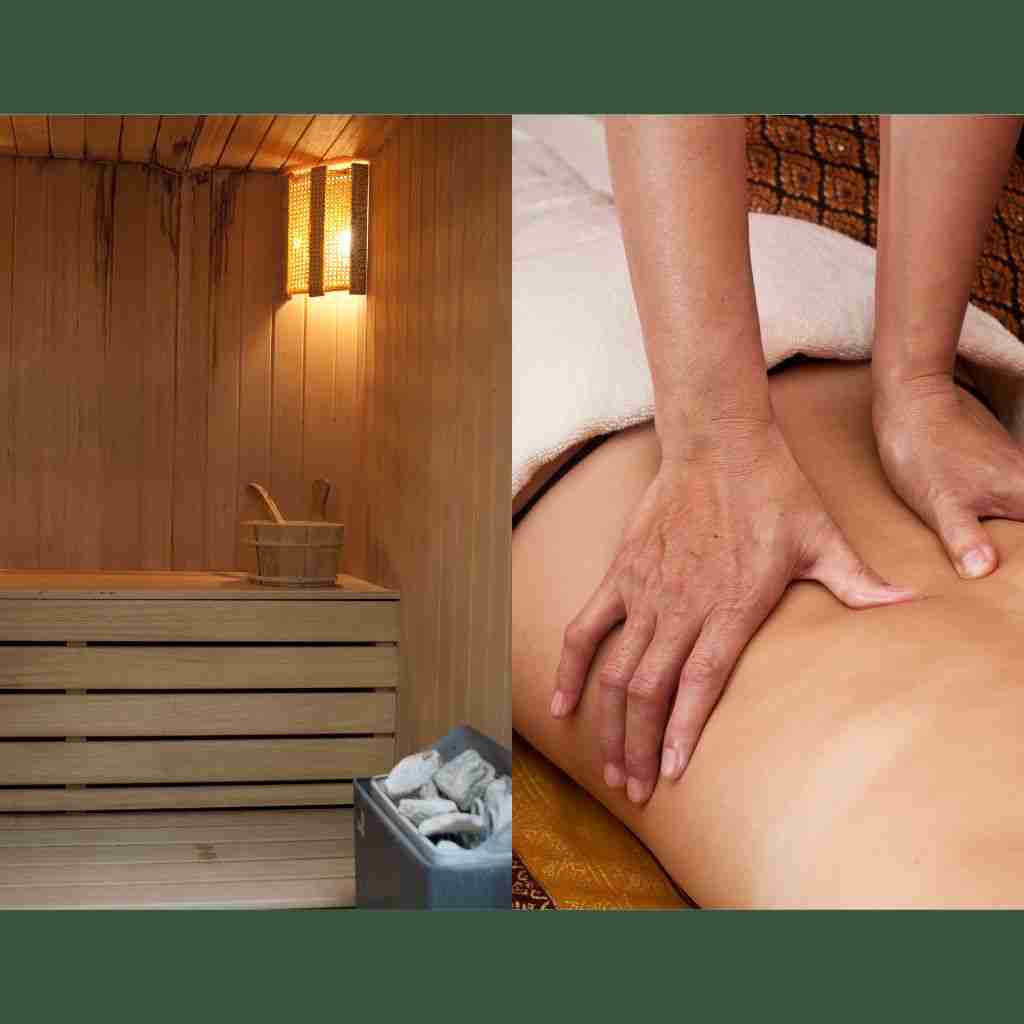
Introduction
Who hasn’t experienced the immediate drop in confidence when you realize your attire is entirely out of sync? The feeling can recur in a sauna. The dress codes depend on the local culture and tradition. Different sauna types (dry, steam, and infrared) will require different kinds of clothes. Understanding regional, cultural, and business requirements can help individual and wellness operators ensure a comfortable, respectful, and hygienic experience for everyone.
Sauna practices can vary globally. Finnish tradition encourages nudity for hygiene and proper heat exposure. Wearing anything can sometimes lead to immediate correction or removal from staff. Similarly, Japanese onsen culture prefers lightweight yukata that ensure modesty while ensuring the sauna’s effectiveness. In the West, swimsuits are allowed to balance comfort and inclusivity. Understanding these cultural nuances can make users confident in diverse environments.
This guide aims to provide readers with complete information on proper dressing. It will cover the influence of attire on comfort, hygiene, and overall wellness experience in a sauna. It is a comprehensive guide for individuals and wellness operators visiting or setting up a sauna facility.

Principles of Sauna Attire
Saunas can reach temperatures of up to 185°F (85°C). The temperatures are pretty high and considered a safe upper limit. At such temperatures, it’s vital to ensure safety and maximize therapeutic benefits from the heat.
Comfort and Skin Safety
Saunas heat the skin through contact with either steam or air. Its temperature can also increase through direct penetration of the infrared light. The skin temperature can reach 104°F even without clothing. Therefore, selecting the right fabric type is crucial to preventing heat retention and irritation. Moreover, the use of jewellery or metal can heat up unusually high and may lead to burns.
- Natural Fabrics:Cotton and linen are the most suitable fabrics in a sauna environment. Cotton, as a fabric from plant fibers, allows air to circulate and moisture to pass through. Whereas linen made from flax seeds has a loose weave with a significant gap in the fabric, promoting airflow and moisture evaporation.
- Synthetics:Fabrics like polyester, nylon, and spandex do not let moisture escape as efficiently as natural fabrics. Usually, these are made from petroleum products and lack the porosity to absorb sweat. The tightly packed structure restricts the airflow, causing irritation on the skin.
- Metals:Wearing jewellery or any other accessory can be dangerous inside a sauna. They can heat up to a temperature higher than the air or skin, which can lead to burns. As well as personnel with metal implants, they should also consult their health provider for proper medical advice on the use of infrared saunas.
Hygiene and Modesty
The second important principle in using saunas is the combination of hygiene and modesty. Every sauna will have different rules considering its sauna’s built quality and cleaning routine. Moreover, the location of the sauna can also directly affect the need for hygiene and modest clothing. Here is the reason why these are considered principles:
- Sweating:saunas induce sweating, which is caused by the body’s ability to thermoregulate when its temperature rises. It is a natural and wanted reaction from the body, which causes toxins, dirt, and dead skin cells to reach the skin’s surface. After reaching the surface, they can come in contact with the sauna material, causing unhygienic conditions.
- Towels and Wraps:Using a barrier like a towel or wrap between the skin and the sauna’s surface can lead to hygienic conditions. As the sweat can get absorbed in the wood, it can lead to the buildup of bacteria, leading to unpleasant odor in future use or material damage. Cotton wraps absorb the sweat, which prevents the stale odor from the benches. Typically, a linen-based, freshly laundered fabric is provided to ensure hygiene. Wearing everyday clothing into the sauna can introduce contaminants and unwanted substances.
Recommended Sauna Attire by Setting
The influence of sauna type, its placement, ownership, and weather conditions can change the requirements or suitability of attire. Therefore, understanding them is key to ensuring a safe and hygienic sauna experience. Here are the broad categories for sauna:
Attire Based on Ownership and Social Environment
Whether you own a sauna or not can also affect the attire. However, there are still general rules of hygiene that apply to both categories. Let’s understand them:
Public and Commercial Saunas
In the case of saunas available for the general public or commercial use, the standards of hygiene are set much higher. It directly impacts the attire requirement. These facilities will provide a towel or wrap to cover the surface for seating. It is the minimal requirement suitable for all cultures. However, local norms may require further cover. The requirements align with the protocols of public or commercial use, making every user feel safe and respected.
Private Saunas
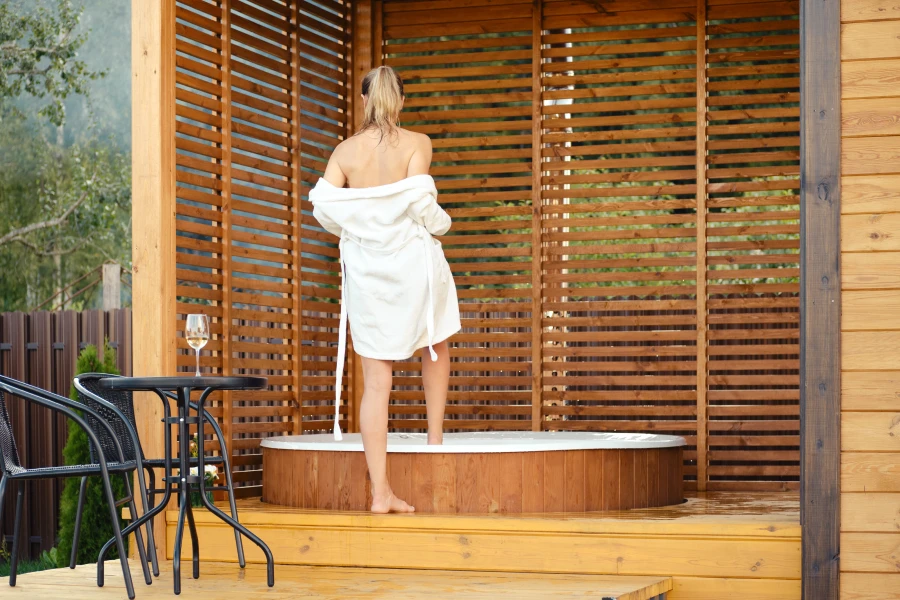
Owing a sauna, typically the ones that come for a single person, allows for much more freedom. Users can go in with a towel only or wear shorts made from suitable fabric for personal comfort. Here, personal comfort is a priority, but it doesn’t supersede the need for hygiene. Sitting on a bear skin on the surface can still cause an unhygienic condition and may lead to unwanted odors, as mentioned earlier.
Attire Based on Sauna Type
The need for clothing can vary depending on the type of sauna. The unique heat transfer modes of each sauna and temperature settings can necessitate different sauna attire.
Steam Saunas
These saunas use steam as the mode of heat transfer to the users. It has incredible respiratory and skin benefits. However, the presence of steam can make clothing damp and cause it to cling to the skin. Therefore, using fabric like swimwear (nylon/spandex) or a towel is often preferred. Here, synthetic materials can have a better feeling than natural absorption materials.
Dry or Barrel Saunas
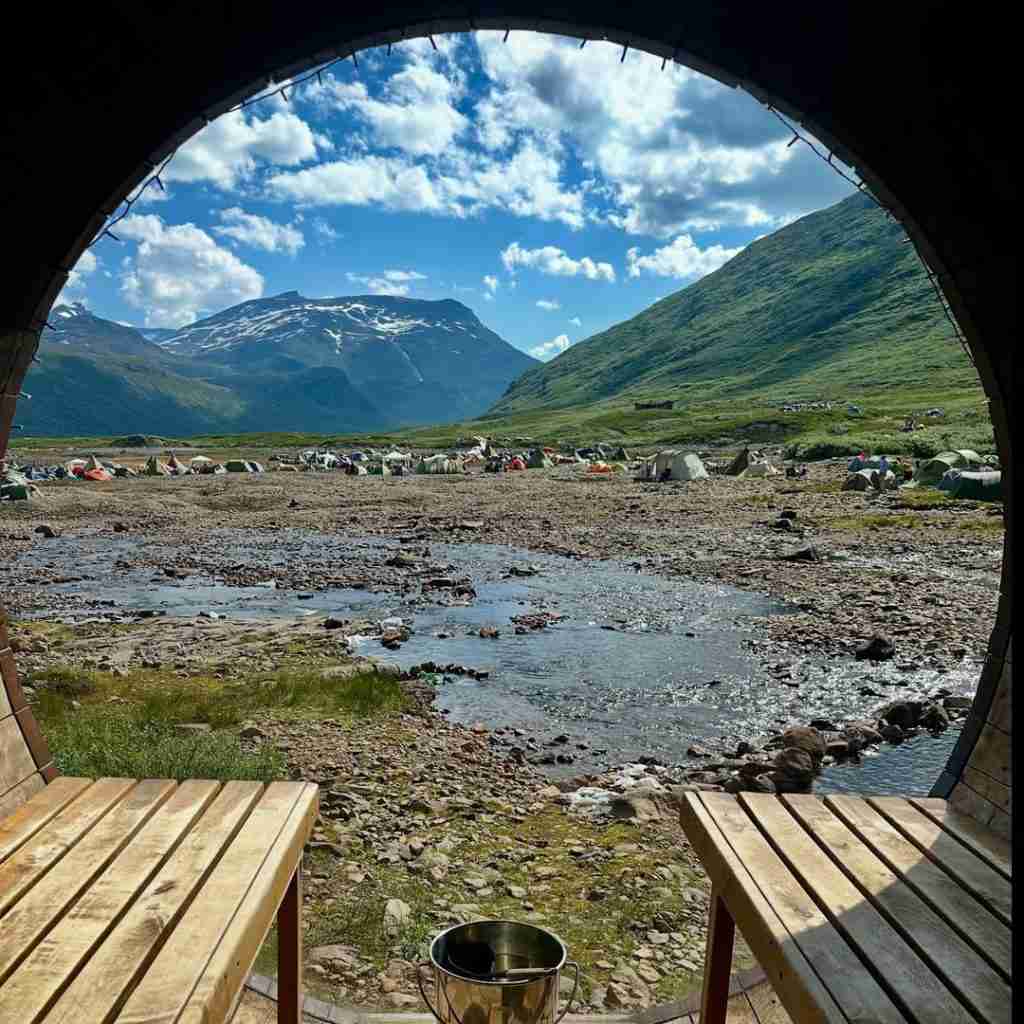
In dry or barrel saunas, there is much more flexibility, as they have low humidity, unlike steam saunas. Brief bursts of humidity by adding water to stones create a slight moisture that is still suitable for minimal or natural fiber cloth. A loose cotton or linen wrap, shorts, or a dedicated sauna kilt is recommended.

Infrared Saunas
The modern form of sauna that offers the most gentle form of heat transfer has its own unique considerations when it comes to attire. Since the heat transfers directly into the skin, it’s ideal to use light-colored clothing that is loose and breathable. Using thick layers can trap the heat and moisture inside the clothing, which can reduce the sauna’s effectiveness. To ensure a satisfactory experience, use minimal clothing. Preferably, nude with a towel to sit on is ideal for infrared saunas.

Seasonal and Climate-Based Attire Adjustments
Saunas are incredibly popular in regions with cold weather. However, their benefits compel users from all types of areas and weather to use saunas. The attire should adapt to external conditions to maximise comfort.
- Summer:Using towels that are more breathable can help the body cool down, slowly adjusting to the environment.
- Winter:As the body can have lots of moisture and the skin pores are open, chill winter air can be highly uncomfortable. Using a quick-dry wrap can make the transition post-sauna pleasing.
- Humid Climates:For areas near the ocean or water mass, humidity can reach high levels. For such areas or climate conditions, anywhere thin, breathable cotton can help avoid stickiness.
Operational Considerations for Wellness Facilities
Now that we know what the requirements are for individuals to ensure adherence to norms and requirements of a sauna, we can move to the operational aspects of attire in saunas. Wellness facilities can use these as guidance to ensure maximum customer satisfaction and business growth.
Attire Guidance In Steam Sauna Environments
Providing clients with the utmost comfort is key. It means providing proper guidance in the most respectful manner possible. It’s best to ask the client whether they are first-time users or experienced in saunas. Offer guidance via verbal exchange or friendly prompts and aids designed to feel supportive rather than mandatory. Ensure that the client understands how the guidance is made to benefit them and make their experience more pleasant.
Smartmak Steam Sauna Application
Steam saunas are generally more pleasing for the users, especially for athletes after a sporting event, practice, or exercise session. These can help the muscle recovery and aid in clearing the respiratory airways. Steam saunas need protection as there is excessive moisture, which can convert the sauna into a breeding ground for bacteria, mold, and mildew.
Therefore, operators who use the Smartmak steam sauna should set attire protocols to reduce moisture risk and optimize performance. Smartmak’s steam saunas, built with moisture-resistant Hemlock wood’s natural resistance to moisture and mold, minimize bacteria growth. These steam saunas do feature a hygrothermograph for humidity monitoring. However, it still requires the use of lightweight cotton, and training staff on quick-dry linens for sanitation is still essential.
Leveraging Technology and Eco-Friendly Practices
From a business perspective, clear attire guidelines and high-quality equipment (like Smartmak steam saunas) can ensure adherence to industry standards. It can help build client trust, heighten service quality, and make your business competitive. To further boost business performance, incorporating new technologies can also help.
Using digital signage to spread awareness on sauna suitable attire and providing smart towel dispensers can ensure hygiene. Wellness operators can utilize staff training apps to reiterate the importance of attire and the perfect way to convey the message to clients respectfully. Moreover, enforcing sustainability policies and the use of organic cotton wraps can help gain an eco-conscious client base. It will help the environment while enhancing business output.
Common Attire Mistakes to Avoid
As an individual, here is a compilation of common mistakes made by sauna users when selecting attire:
- Wearing synthetic or heavy fabrics → causes overheating and discomfort.
- Entering streetwear or footwear → reduces hygiene and damages the sauna environment.
- Layering or Synthetic → risky, as it can lead to dehydration without providing extra health benefits.
Conclusion
Wearing anything that you like to the sauna can affect your own sauna experience. The wrong outfit can leave you sweaty and uncomfortable, missing out on relaxation. It can also be disrespectful in certain conditions and cultures. A little know-how keeps everyone happy in shared spaces. Therefore, building a strong sauna attire understanding is key to a more inclusive and pleasant experience. It’s all about feeling good while respecting others. Wearing proper attire is essential for the safety of others in public saunas and for hygiene. Choosing breathable fabrics prevents risks and keeps things clean. Adjusting attire based on sauna type, environment, climate, and ownership can help you blend in with others seamlessly. It ensures you’re ready for any sauna vibe.
For wellness operators, integrating a custom sauna solution—such as a Smartmak steam sauna built with advanced hygienic materials and technology—is a direct investment in client satisfaction. Features like durable wood and intelligent controls ensure a premium, top-notch experience. This commitment to a professional, customer-focused environment fosters exceptional client retention. By providing clear guidelines and high-quality facilities, you can effectively convert first-time visitors into loyal regulars, solidifying your spa’s reputation for excellence.
FAQ
- Can you wear swimsuits in a steam sauna?
Yes, you can wear swimsuits in a steam sauna if it is located in North America. However, it may seem disrespectful in Finnish facilities or in Japan, where onsen culture prefers lightweight yukata for modesty. Dress based on sauna setting, local culture, and climate.
- Is a towel enough in a public sauna?
Generally, a towel is enough in a public sauna. However, the correct attire depends heavily on the location and facility. The most important consideration is hygiene. Always ensure a towel between the skin and the bench contact.
- What clothing materials are safest for high heat?
Wearing breathable clothing is safest for high heat inside a sauna. Natural fabrics like cotton and linen are great for air circulation and moisture. Synthetics such as polyester, nylon, and spandex, which trap heat and moisture, causing discomfort and skin irritation in saunas that can reach 185°F (85°C).
- Can sauna attire affect hygiene in commercial wellness facilities?
Yes, sauna attire can affect hygiene in commercial wellness facilities. Wearing proper attire, such as cotton wraps or towels, ensures hygienic conditions by acting as a barrier between the skin and the sauna’s surface. Everyday clothing or synthetics like nylon/spandex can introduce contaminants and unwanted substances.
- Why should metal jewelry be avoided in saunas?
The temperature of metal jewelry can reach a higher level than the skin temperature. It can lead to skin burning particularly in dry or infrared saunas. Moreover, individual with metal implants should also consult their doctor if sauna usage is safe.