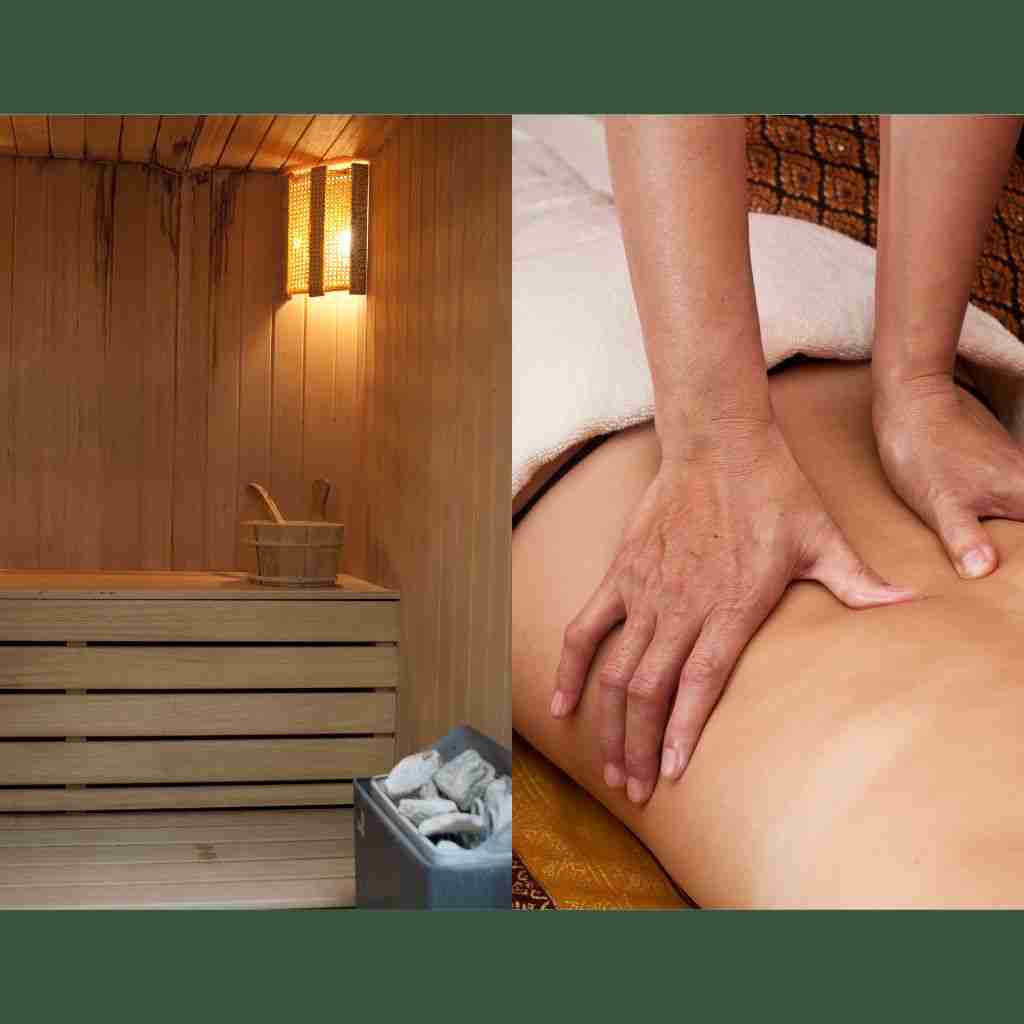
When you step into the intense heat of a sauna, your body immediately initiates a complex “fever-mimicking” response designed to maintain homeostasis. Your internal temperature rises, causing peripheral blood vessels to dilate (vasodilation), which significantly increases blood flow and sends your heart rate into a zone similar to moderate aerobic exercise. This physiological “heat stress” triggers the release of specialized repair proteins, boosts your metabolic rate, and activates the parasympathetic nervous system, leading to a cascade of benefits including improved cardiovascular function, enhanced muscle recovery, reduced systemic inflammation, and a profound sense of mental relaxation. Essentially, a sauna acts as a passive workout for your heart and a cellular cleanup crew for your body.
1. The Comprehensive Impact of Heat: A Deep Dive into Sauna Physiology
To understand what the sauna does to your body, we have to look past the sweat. For centuries, humanity has used heat for more than just warmth; it has been a tool for ritual, social bonding, and profound healing. From the ancient Turkish baths (hammams) and the sacred sweat lodges of Native American traditions to the Russian banyas and the ubiquitous Finnish saunas, the practice of intentional sweating is woven into our global DNA. In Finland, the sauna is so essential to the human experience that there are roughly two million saunas for a population of five million. It isn’t a luxury; it’s a physiological necessity.
A standard sauna experience involves a wood-lined sanctuary heated to temperatures ranging from 80°C to 100°C (176°F to 212°F). While some prefer the “loyly”—the steam created by splashing water onto scorching rocks—most traditional saunas maintain a dry atmosphere with humidity levels often dipping below 20%. This environment is fundamentally different from a steam room, which operates at lower temperatures but 100% humidity. In recent years, the infrared sauna has entered the scene, using light waves to heat the body directly rather than the air around it. These units operate at more approachable temperatures—50°C to 65°C (122°F to 149°F)—yet penetrate deeper into the tissue, offering a different but equally compelling set of biological responses.
The modern scientific community is finally catching up to what the Finns have known for millennia: regular heat exposure is a potent longevity tool. Let’s explore the specific ways this “voluntary fever” reshapes your health.
I. The Cardiovascular Revolution
The most well-documented benefit of sauna use is its impact on the heart. When you sit in a sauna, your heart rate can climb to 120 or even 150 beats per minute. To your heart, this feels remarkably like a brisk jog or a session on the elliptical. According to research published in JAMA Internal Medicine, frequent sauna bathers in Finland showed a 63% reduction in the risk of sudden cardiac death.
The biological mechanism here is fascinating. The heat causes your arteries to become more elastic and less “stiff.” This improved endothelial function means your blood vessels can expand and contract more efficiently, reducing the workload on the heart muscle. For individuals managing coronary artery disease, daily sessions can improve myocardial oxygenation, essentially ensuring the heart muscle gets the “breath” it needs to function. Furthermore, patients with peripheral artery disease—a condition where narrowed arteries reduce blood flow to the limbs—often report significantly better walking endurance after regular heat therapy.
II. The Blood Pressure Balancing Act
While your blood pressure might spike momentarily when you first enter the heat, the long-term effect is a net positive. Regular sauna use helps recalibrate the autonomic nervous system. For those struggling with hypertension, the repeated vasodilation acts like “flexing” the blood vessels, eventually leading to lower resting blood pressure. Even for those with healthy readings, the sauna serves as a preventative measure, significantly lowering the statistical likelihood of developing high blood pressure in the future.
III. Shielding the Brain: Dementia and Alzheimer’s
Perhaps the most exciting frontier of sauna research involves the brain. We are discovering that heat stress might be neuroprotective. One landmark study indicated that men who frequented the sauna four to seven times per week reduced their risk of developing Alzheimer’s disease and other forms of dementia by over 60%.
How does sitting in a hot room protect your memories? One theory involves the production of brain-derived neurotrophic factor (BDNF). BDNF is like “Miracle-Gro” for the brain; it encourages the growth of new neurons and protects existing ones from damage. Combined with the improved blood flow to the brain, saunas create an environment where cognitive decline has a harder time taking root.
IV. Muscular Recovery and Cellular Repair
If you’ve ever hit the gym too hard, you know the “day-after” ache. The sauna is a secret weapon for athletes. The heat increases the delivery of nutrients and oxygen to tired muscles, accelerating the repair of micro-tears. Additionally, the body releases heat shock proteins, which help repair damaged proteins at a cellular level. This doesn’t just make you feel less sore; it actually helps you bounce back stronger.
V. Managing Chronic Pain and Joint Mobility
For those living with rheumatoid arthritis or ankylosing spondylitis, the sauna can be a sanctuary. The deep, penetrating heat reduces joint stiffness and increases the “give” in connective tissues. Patients with fibromyalgia or chronic lower back pain often report a significant “dampening” of their pain signals. It’s not just physical, either; the reduction in pain leads to a measurable increase in self-reported quality of life.
VI. Respiratory Relief
Breathing in the warm air of a sauna can feel like a deep sigh for your lungs. The heat helps to dilate the airways and thin out mucus. People with asthma or COPD often find that their lung function tests improve after a session. While it isn’t a cure for chronic lung conditions, the subjective feeling of being able to take a “fuller” breath is a major win for respiratory health.
VII. Dermatological Benefits: The Psoriasis Perspective
While heat can sometimes irritate sensitive skin, it has a surprisingly positive effect on psoriasis. The increased blood flow to the skin’s surface and the softening effect of the humidity (if used) can help reduce the scaling and plaque formation associated with the condition. It’s a natural way to manage symptoms that are often difficult to treat with topicals alone.
VIII. Stress Liquidation and Mental Health
In our high-cortisol world, the sauna is a physical “off” switch. The heat triggers the release of endorphins—the body’s natural “feel-good” chemicals. Research suggests that regular sauna use can lower levels of cortisol, the primary stress hormone. For individuals battling mild to moderate depression, the relaxation and improved appetite associated with sauna sessions can provide a vital supplementary treatment.
IX. The “Detox” Debate: Heavy Metals and Toxins
The word “detox” is often thrown around loosely, but there is some scientific backing here. Sweating is one way the body excretes certain heavy metals like lead, mercury, and arsenic. While your liver and kidneys do the heavy lifting of detoxification, the skin provides an additional pathway. Interestingly, some studies suggest that the “active” sweat of exercise is more concentrated with these metals than “passive” sauna sweat, but the sauna still plays a role, especially for clearing out chemicals stored in adipose (fat) tissue.
X. Fortifying the Immune System
Regular sauna bathers seem to catch fewer colds. Why? The temporary increase in body temperature acts as a “practice run” for the immune system. It stimulates the production of white blood cells and helps the body respond more vigorously to actual viral threats. Compared to those who never use a sauna, regular users have a significantly lower risk of developing pneumonia and upper respiratory infections.
XI. The Path to Better Sleep
The transition from the heat of the sauna to a cooler environment tells your body it’s time to sleep. This drop in core body temperature is a primary signal for your circadian rhythm to kick in. Many people report falling asleep faster and reaching deeper stages of REM sleep on days they use the sauna.
2. Supplementary Point: The Science of Hormesis
One of the most profound reasons the sauna works is a concept called hormesis. Hormesis is the biological phenomenon where a beneficial effect results from exposure to low doses of an agent that is otherwise toxic or stressful in higher doses.
Just as lifting weights is a “stressor” that forces muscles to grow back stronger, heat is a “stressor” that forces your cells to activate survival mechanisms. When you are in a sauna, your body thinks it is under threat from the heat. In response, it “up-regulates” its defense systems. This includes the production of antioxidants and the aforementioned heat shock proteins. By exposing yourself to the controlled stress of a sauna, you are essentially “vaccinating” your cells against future stress, making your entire system more resilient to aging and disease.
3. Supplementary Point: The Psychological “Third Space”
Beyond the biology, the sauna serves a vital psychological function as a “Third Space”—a place that is neither work nor home. In a world where we are constantly tethered to digital devices, the sauna is one of the few remaining places where technology cannot follow (the heat would destroy your phone, and the humidity would ruin your tablet).
This forced “digital detox” allows the mind to enter a meditative state. In Finnish culture, the sauna is a place for deep conversation or profound silence. This social and meditative aspect shouldn’t be overlooked; the mental clarity gained from 20 minutes of quiet heat is often as valuable as the physical benefits to the heart and lungs. It provides a rare opportunity for introspection and sensory grounding.
4. Does the Sauna Help with Weight Loss?
It is the age-old question: Can you sit your way to a slimmer physique? The answer is a bit more nuanced than a simple “yes” or “no.”
Immediately after a session, you will likely weigh less. However, this is almost entirely water weight. You are sweating out fluids, and as soon as you rehydrate (which you must!), that weight will return. However, there is some evidence that the increased heart rate and metabolic demand of cooling the body down can burn extra calories—similar to the effect of hot yoga.
While it’s not a replacement for a healthy diet and active lifestyle, the sauna can be a “metabolic booster.” By improving insulin sensitivity and reducing inflammation, it creates a more favorable internal environment for long-term weight management. Just don’t expect the sauna to do all the heavy lifting; think of it as a teammate in your fitness journey rather than the star player.
5. A Guide to Safe and Effective Sauna Use
To get the most out of your “heat therapy” without ending up dizzy or dehydrated, follow these best practices:
- The Pre-Sauna Ritual: Always take a quick shower to remove oils and dirt from your skin. This allows your pores to breathe and facilitates more efficient sweating.
- The Hydration Rule: You can lose up to a liter of water in a vigorous sauna session. Drink a large glass of water before you go in, and at least two after you come out. Electrolytes are also a good idea.
- Time and Temperature: If you are a beginner, don’t try to be a hero. Start with 5–10 minutes. As your body adapts, you can move toward the “gold standard” of 15–20 minutes. Infrared saunas allow for longer sessions (up to 45 minutes) because the ambient temperature is lower.
- Listen to the “Inner Voice”: If you feel lightheaded, nauseous, or if your heart starts “thumping” uncomfortably, exit immediately. There is no prize for suffering.
- The Cool Down: The transition is part of the therapy. A cool shower or a dip in a cold pool (if available) helps “close” the system and provides a refreshing contrast that further stimulates the vascular system.
6. Who Should Avoid the Sauna?
While the sauna is a tonic for most, it is a toxin for some. Heat stress can be dangerous for people with specific medical profiles. You should skip the sauna (or consult a doctor first) if you have:
- Recent Cardiovascular Events: If you have had a heart attack or stroke in the recent past, your system may not be ready for the increased workload of a sauna.
- Severe Valvular Disease: Conditions like advanced aortic stenosis can make the heart’s response to heat dangerous.
- Pregnancy: High core temperatures can be harmful to a developing fetus, particularly in the first trimester.
- Unstable Angina: If you experience frequent, unpredictable chest pain, the sauna is not for you.
- Orthostatic Hypotension: If you are prone to fainting when you stand up, the vasodilation of a sauna could trigger a “blackout” episode.
Crucial Warning: Never, under any circumstances, consume alcohol before or during a sauna session. Alcohol dehydrates you, impairs your judgment, and causes your blood pressure to drop—a combination that can be fatal in a high-heat environment.
7. Frequently Asked Questions
I. Is it safe to use a sauna every day?
For a generally healthy person, daily sauna use is not only safe but highly beneficial. The Finnish studies that showed the greatest longevity benefits involved participants who used the sauna 4–7 times per week. The key is to maintain proper hydration and listen to your body’s signals. If you feel fatigued or “wiped out” the next day, you might be overdoing it.
II. Can I bring my phone or tablet into the sauna?
Absolutely not. Modern electronics are designed to operate within a specific temperature range, usually topping out at around 35°C to 45°C. The 80°C+ environment of a traditional sauna will likely cause the battery to swell, the screen to delaminate, or the internal circuits to fry. Beyond the technical risk, bringing a phone into the sauna defeats the psychological purpose of the space as a sanctuary for mental rest.
III. What is the difference between a steam room and a sauna?
While both involve heat, they are different “climates.” A sauna provides dry heat (usually from a heater or hot rocks) and very low humidity. You can stay in a sauna longer because your sweat is able to evaporate and cool you down. A steam room (or Turkish bath) uses a steam generator to create 100% humidity. Because the air is saturated with water, your sweat cannot evaporate, which makes the heat feel much more intense even though the actual temperature is lower (usually around 40°C to 50°C).
The Verdict
The sauna is much more than just a place to get sweaty. It is a powerful physiological tool that “exercises” your cardiovascular system, cleanses your cells via heat shock proteins, and provides a much-needed reset for your nervous system. Whether you are looking to protect your heart, clear your mind, or recover from a grueling workout, the heat has something to offer.
If you’re new to the world of heat therapy, remember the golden rule: Start slow and stay hydrated. Your body is remarkably adaptive, and over time, you will likely find that you can tolerate higher heats and longer durations, unlocking the full spectrum of longevity benefits. As always, if you have an underlying health condition, a quick chat with your healthcare provider is the best first step. Now, go find a towel and embrace the heat!