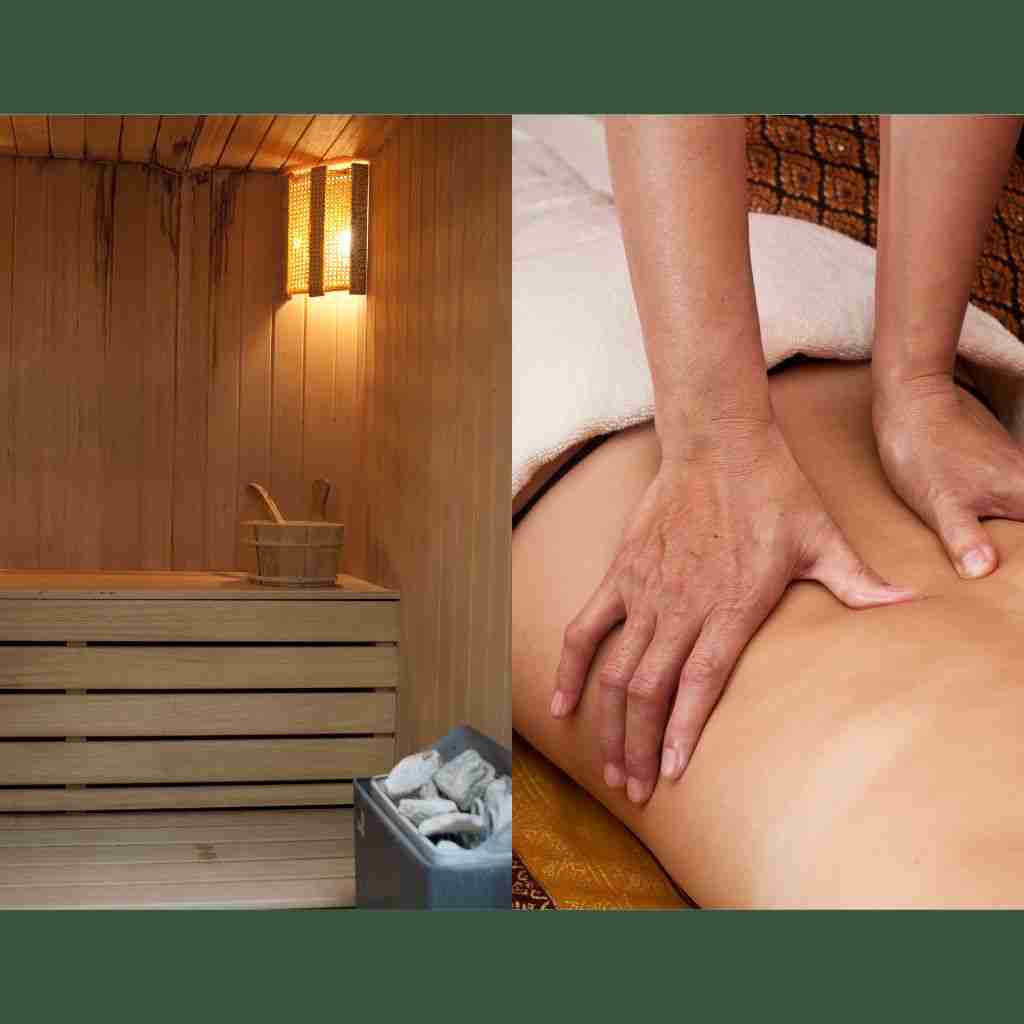
A dry sauna is a specialized, enclosed room, typically lined with softwoods like cedar or hemlock, designed to heat the body through high ambient air temperatures ranging from 150°F to 195°F (65°C to 90°C) while maintaining very low humidity levels, usually between 20% and 30%. Unlike steam rooms or “wet saunas” that rely on heavy water vapor and near 100% humidity to create a sensation of heat, a dry sauna utilizes an electric, gas, or wood-burning heater to warm a pile of rocks or the air itself, utilizing the physical principles of convection and radiation to raise the core body temperature. This arid environment allows for the rapid evaporation of sweat, which cools the skin and allows users to tolerate much higher temperatures than would be possible in a humid environment, resulting in profound relaxation, detoxification, and cardiovascular stimulation.
Many of us are familiar with the concept of thermal therapy as a means of relaxation. Whether the goal is to soothe aching muscles after a high-intensity interval training session, purge toxins from the body, or simply disconnect from the frantic pace of modern life to reduce stress, the application of heat can be transformative. However, there is a common misconception that all heat therapy involves steam, mist, and moisture. The reality is quite different. Some of the most effective and traditional forms of heat therapy utilize arid, dry air. This leads to the inevitable question: What is a dry sauna, and how does it differ from the misty steam rooms found in gym locker rooms? While the terms are often used interchangeably by the uninitiated, a dry sauna—often referred to as a traditional sauna—offers a distinct physiological and sensory experience. By exploring the mechanics, the history, and the comparative benefits of dry heat, we can uncover why this ancient practice remains a staple of modern wellness.
1. What Distinguishes the Mechanics of a Dry Sauna From Other Heating Methods?
To truly understand what a dry sauna is, one must look beneath the wooden benches and aesthetic lighting to the engineering that powers the experience. The fundamental definition of a dry sauna lies in its specific relationship between temperature and humidity. It is an environment of controlled extremes: extreme heat coupled with extreme dryness.
The Heating Source: The Heart of the Room
At the center of every dry sauna functions a specialized heater. In traditional setups, which purists often argue are the only “true” saunas, this was a wood-burning stove. The wood stove provides a unique, crackling ambiance and a distinct scent of burning birch or pine. However, in modern contexts, particularly in urban gyms, hotels, and residential homes, the heat is generated by high-capacity electric heaters or gas units. Despite the fuel source difference, the mechanism remains the same: the heater warms a compartment of igneous rocks (stones).
These rocks serve a crucial purpose beyond aesthetics. They act as a thermal battery, absorbing the intense heat from the heating elements and radiating it outward into the room. This process creates strong convection currents. The air near the floor is drawn into the heater, warmed as it passes over the hot rocks, rises rapidly to the ceiling, and then circulates back down as it cools slightly. This continuous cycle ensures that the room remains uniformly hot. Unlike a residential radiator which might heat a room to 70°F, these units are designed to push the ambient air temperature well toward the 200°F mark.

The Humidity Factor: The Defining Trait
The critical characteristic that separates this room from a steam bath is the lack of moisture. In a dry sauna, there is no plumbing pumping steam into the room. The only moisture comes from the natural humidity in the air (which burns off quickly due to the heat) and the occasional ladle of water thrown onto the hot rocks. This practice, known in Finland as löyly, creates a sudden hiss of steam. However, this burst of steam is instantaneous and transient. It raises the perceived humidity (the “heat index”) for a moment, inducing a fresh wave of sweat, but the moisture evaporates rapidly, returning the room to its dominant arid state.
Infrared vs. Traditional Dry Saunas
It is important to note a modern divergence in dry sauna technology. While the article focuses on “traditional” dry saunas, “Infrared saunas” also fall under the “dry” category, though they operate differently:
- Traditional Dry Saunas: These heat the air. You sit in hot air, which warms your body via convection. Temperatures are high (150-195°F).
- Infrared Saunas: These use panels to emit infrared light waves. These waves travel through the air without heating it significantly and penetrate directly into the body’s tissue to raise core temperature. The room temperature in an infrared sauna is much lower (typically 120-150°F), making it an attractive option for those who find the intense, stifling heat of a traditional sauna unbearable. However, both are “dry” in the sense that they do not use steam.
2. How Does the Biology of the Human Body React to Dry Heat Therapy?
Understanding the machinery is one thing, but understanding the biological impact explains why people subject themselves to such heat. When you step into a dry sauna, your body immediately initiates a complex thermoregulatory response to the sudden shift in environment.
The Cooling Mechanism: Evaporation
The primary difference between dry and wet heat lies in evaporation. In a wet sauna (steam room), humidity is at 100%. Sweat cannot evaporate because the air is already saturated with water. This causes the body to heat up very quickly, and the sweat simply pools on the skin.
In a dry sauna, the air is thirsty. It aggressively pulls moisture off your skin. As you sweat, that sweat evaporates. Evaporation is an endothermic process—it requires energy (heat) to turn liquid water into gas. That heat is extracted from your skin, cooling you down. This biological air-conditioning is why you can sit in a dry sauna at 180°F without burning, whereas water at 180°F would scald you instantly. This mechanism allows you to tolerate the environment for longer periods, allowing for a deeper, more sustained elevation of heart rate.
Cardiovascular Mimicry
The heart reacts to the heat by pumping faster to move blood from the core to the skin’s surface for cooling. This results in a heart rate elevation similar to moderate exercise, often reaching 100 to 150 beats per minute depending on the heat intensity. Blood vessels dilate (vasodilation), lowering blood pressure and increasing circulation to the extremities. This “passive cardio” is one of the primary reasons dry saunas are touted for heart health. The increased blood flow also helps shuttle metabolic waste products out of muscles, which aids in recovery after physical exertion.
The Visibility Factor and Psychology
Psychologically, the biology of the experience is aided by the environment’s clarity. Because there is no steam, the air is clear. For those who suffer from anxiety or claustrophobia, the “foggy,” opaque nature of a steam room can be triggering. A dry sauna offers clear visibility. You can see the door, you can see your surroundings, and you can breathe air that feels lighter (though hot), rather than heavy and thick. This clarity contributes significantly to the mental aspect of the relaxation process.
3. Where Did the Tradition of Dry Saunas Originate and How Has It Evolved?
To answer “what is a dry sauna,” we must look at “where” it came from. The DNA of the dry sauna is distinctly Finnish. While many cultures have sweat lodge traditions—from the Native American Temazcal to the Roman Thermae and the Turkish Hammam—the electric dry sauna we know today is a direct descendant of the Finnish Savusauna.
The Ancient Smoke Sauna
Trace the lineage back thousands of years, and you find the “smoke sauna.” These were rudimentary wooden huts with no chimney. A fire was built under a massive pile of rocks, burning for hours until the rocks were glowing hot. The smoke filled the room, coating the walls in soot and sterilizing the environment (which is why women often gave birth in saunas historically, as it was the cleanest room in the village). Once the rocks were saturated with heat, the fire was extinguished, the smoke was vented out through a hatch, and the residual heat from the stones kept the room hot for hours. This was a dry, harsh, radiant heat.
The Evolution of the Stove
As technology advanced, the chimney was added, allowing for continuous heating without the smoke build-up. Eventually, with the advent of electricity and gas in the 20th century, the wood stove was replaced in urban areas with the stainless steel heaters we see today. However, the core principle remained: hot rocks, wood-lined walls, and dry air.
The Importance of Wood Construction
The structure itself is vital to the definition. Dry saunas are almost exclusively built of wood (Cedar, Spruce, Aspen, Hemlock). This isn’t just for aesthetics. Metal walls would burn the skin on contact; tile would become slippery and impossibly hot. Wood is a poor conductor of heat but a good insulator. It absorbs the ambient heat but remains cool enough to sit on (though a towel is always recommended). Furthermore, softwoods like Cedar absorb moisture and resist rot, while releasing natural aromatic oils that add to the therapeutic sensory experience. This wooden interior creates a “soft” acoustic environment, absorbing sound and separating the user from the noise of the outside world.
4. Why Might a Dry Sauna Be a Better Choice for You Than a Steam Room?
This is perhaps the most common query for those new to heat therapy: “Is a dry sauna better than a wet sauna?” The answer is not a binary yes or no; it is entirely dependent on personal physiology and preference. However, there are specific scenarios where the dry sauna is objectively the superior choice.
The Heat Tolerance Spectrum
If you enjoy high heat but hate the feeling of “suffocating” humidity, the dry sauna is your winner.
- The Wet Sauna Experience: In a steam room, the air is thick. The moisture condenses in your lungs and on your skin. Even at 110°F, a steam room can feel unbearable because your body cannot cool itself effectively. The sweat doesn’t evaporate; it just drips.
- The Dry Sauna Experience: In a dry sauna, the temperature is much higher (up to 195°F), yet it often feels more manageable to beginners because the air is breathable. The heat is intense, but it feels like a desert sun rather than a tropical jungle.
Skin Conditions
Climate plays a massive role here. If you live in an arid climate or suffer from dry skin in the winter, a wet sauna can be moisturizing. However, for those with oily skin or those who want a deep pore cleansing without the heavy moisture layer blocking the pores, a dry sauna is excellent. The heavy sweating flushes the pores from the inside out, helping to remove impurities without adding external moisture.
Hygiene and Maintenance
From a facility standpoint, dry saunas are often perceived as more hygienic. Bacteria, mold, and mildew thrive in moist, warm environments—exactly what a steam room provides. While steam rooms require rigorous scrubbing and disinfection to prevent mold growth, the arid environment of a dry sauna is naturally hostile to many bacteria. The high heat and lack of moisture desiccate microbes, making the dry sauna a naturally cleaner environment.
The “Slow Burn” vs. The “Instant Hit”
Dry saunas offer a gradual build-up. You enter, and the heat warms you from the outside in. It radiates from the wood. It is a steady, climbing sensation. Steam rooms hit you instantly with a wall of moist heat. If you prefer a meditative, slow relaxation where you can sit for 15 to 20 minutes and read a book (or simply think) without your paper getting soggy or your glasses fogging up, the dry sauna is the only logical option.
5. When Is the Optimal Time to Utilize a Dry Sauna for Maximum Recovery?
Timing is everything. While a sauna session is beneficial at any time, aligning your session with your circadian rhythm or your workout schedule can amplify the results.
Post-Workout Window
The most popular time to use a dry sauna is immediately following a workout.
- Muscle Recovery: Exercise causes micro-tears in muscle fibers (which is how muscles grow). It also produces metabolic waste. The heat of the sauna increases circulation, flushing out lactate and bringing oxygen-rich blood to the repairing tissues.
- DOMS Reduction: Delayed Onset Muscle Soreness (DOMS) can be mitigated by heat application. The heat relaxes the muscles, preventing the stiffening that often occurs hours after a heavy lift or run.
The Evening Wind-Down
Biologically, our body temperature naturally dips in the evening as a signal to sleep. Using a sauna in the evening creates a “rebound effect.” You raise your body temperature significantly in the sauna. When you step out, your body works to cool down rapidly. This rapid drop in body temperature post-sauna mimics the natural physiological drop that induces sleepiness. Therefore, a dry sauna session 1-2 hours before bed can be a potent remedy for insomnia or restlessness.
Mental Transition
Beyond the physical, the “when” also relates to mental state. The dry sauna serves as a “third space”—not work, not home. It is a transitional space. Using it on a Friday evening to mark the end of the workweek, or Sunday morning to prepare for the week ahead, establishes a mental boundary that separates stress from relaxation.
6. Who Should Exercise Caution or Avoid Dry Saunas Entirely?
While the benefits are vast, the extreme environment of a dry sauna is not safe for everyone. It is a stressor on the body—a “eustress” (good stress) for healthy individuals, but potentially dangerous for others.
Cardiovascular Vulnerabilities
Because the sauna raises heart rate and dilates blood vessels, individuals with unstable angina, poorly controlled high blood pressure, or recent heart attacks should avoid it. The shift in fluids and pressure can place undue strain on a compromised cardiovascular system. It is always vital to consult a doctor if you have pre-existing heart conditions.
Pregnancy
The core concern for pregnant women is hyperthermia (overheating). Elevating core body temperature significantly, particularly in the first trimester, can be risky for fetal development. While some women who are accustomed to saunas continue to use them at lower temperatures for shorter durations, it is generally advised to consult a physician or avoid high-heat environments during pregnancy.
The Alcohol Factor
This cannot be overstated: Alcohol and saunas do not mix. Alcohol dehydrates the body; the sauna dehydrates the body further. Alcohol impairs judgment; the sauna requires you to listen to your body’s limits. Alcohol dilates blood vessels; the heat dilates them further. This combination can lead to severe hypotension (low blood pressure), fainting, and in rare cases, heat stroke or cardiac events. The dry sauna is for detoxifying, not for partying.
Feature 1: A Guide to the Wood – The Soul of the Dry Sauna
To truly appreciate a dry sauna, one must appreciate the materials that construct it. The choice of wood is not merely cosmetic; it dictates the longevity, smell, and thermal properties of the room. Here are the three most common woods used in dry sauna construction:

1. Western Red Cedar:
- The Gold Standard: This is the most popular choice for high-end saunas in North America.
- Properties: It is extremely resistant to decay and warping, even with the constant heating and cooling cycles.
- Aroma: Cedar has a distinct, rich aroma that intensifies with heat. This acts as a natural aromatherapy, calming the mind.
- Touch: It remains relatively cool to the touch compared to denser woods, making it comfortable to sit on.
- Visual: It has a beautiful variation in color, ranging from deep reds to light ambers, providing a warm aesthetic.
2. Canadian Hemlock:
- The Hypoallergenic Choice: Hemlock is harder than cedar but has very little scent.
- Why choose it? For people sensitive to strong smells or those who have allergies to the oils in cedar, Hemlock is the perfect alternative.
- Visual: It offers a uniform, light, creamy color that gives the sauna a modern, bright, and clean look.
- Durability: It is very resistant to shrinking and expansion, ensuring the sauna remains airtight for years.
3. Nordic Spruce:
- The Traditionalist: This is the wood most commonly used in Finland and throughout Europe.
- Characteristics: It is a white wood that darkens beautifully with age. It typically has small, tight knots that give it a rustic character.
- Feel: It is dense and sturdy.
- Scent: It offers a subtle, pine-forest scent that is less overpowering than cedar, evoking the feeling of the outdoors.
Feature 2: Creating the Ritual – Sauna Etiquette and Tips
A dry sauna experience is best enjoyed when treated as a ritual rather than a chore. Whether you are using a public gym sauna or a private home unit, following a protocol enhances the benefits and ensures respect for the tradition.
- The Pre-Shower: Always shower before entering. This removes dirt, lotions, and perfumes that can clog the pores and create unpleasant odors when heated. It also hydrates the skin, preparing it to sweat.
- The Towel Barrier: Never sit directly on the wood benches in a public sauna. It is unsanitary and bad for the wood (sweat leaves stains). Always sit on a towel, and perhaps place another under your feet.
- The Duration: Start small. If you are new, 10 to 12 minutes is sufficient. Experienced users may go for 15 to 20 minutes. Listen to your body—if you feel dizzy or lightheaded, exit immediately.
- The Cool Down: This is as important as the heat. In Finland, this involves rolling in snow or jumping in a frozen lake. In a gym, a cold shower will suffice. This constricts the blood vessels (vasoconstriction), flushing blood back to the core and invigorating the system.
- Hydration: You can lose a pint of water or more in a single session. Drink water before, during (if safety permits), and especially after. Avoid sugary sodas; water or electrolyte drinks are best to replenish what was lost.
- Silence: In North America and Europe, saunas are often regarded as places of silence and meditation. Loud conversations can disturb the relaxation of others. Treat it as a library of heat.
Frequently Asked Questions
1. Can using a dry sauna help me lose weight effectively?
This is a common myth that requires clarification. When you step on the scale immediately after a sauna session, you will likely see a lower number. However, this is almost entirely water weight. You have sweated out fluid, not fat. Once you rehydrate (which you must do), that weight will return.
However, there is a small metabolic benefit. Because your heart rate increases to cool the body, you are burning more calories than you would sitting on a couch—roughly 1.5 times your sedentary metabolic rate. While it is not a substitute for exercise or diet, regular sauna use can support a weight loss lifestyle by reducing stress (lowering cortisol, a hormone linked to belly fat) and improving insulin sensitivity.
2. How often should I use a dry sauna to see health benefits?
Consistency is key. While one session is relaxing, the cumulative health benefits—such as improved cardiovascular health and reduced inflammation—are seen with regular use. Most studies, including landmark research from Eastern Finland, suggest that using a sauna 4 to 7 times per week offers the greatest reduction in all-cause mortality and cardiovascular events. For the average person, aiming for 3 to 4 sessions per week, lasting 15-20 minutes each, is a fantastic target to maximize wellness without overburdening your schedule.
3. Will a dry sauna damage my hair or dry it out?
The intense dry heat can indeed strip moisture from hair strands, potentially making them brittle over time if unprotected. However, this is easily managed.
- Protection: You can wrap your hair in a damp towel or wear a felt sauna hat (a traditional accessory in Russia and Finland). The hat insulates the head, keeping the hair cooler and protecting it from the direct heat.
- Treatment: Many people use the heat to their advantage by applying a deep conditioner or hair oil before entering the sauna. The heat opens the hair cuticles, allowing the conditioner to penetrate deeper than it would in a shower. Just be sure to rinse it out thoroughly afterward.
In a Nutshell
Both dry and wet saunas serve as powerful tools for enhancing physical and mental well-being. They act as sanctuaries where the noise of the world melts away, replaced by the rhythmic beating of your heart and the cleansing flow of perspiration. In both scenarios, you will emerge from the chamber feeling renewed, your skin flushed with increased circulation, your muscles loosened, and your mind cleared of clutter.
The decision between the arid intensity of a dry sauna and the tropical embrace of a wet steam room is ultimately a personal journey. It is a choice between the clarity of dry heat and the envelopment of steam. If your goal is to read, meditate in clear air, and experience high temperatures that deeply penetrate muscle tissue without the sensation of drowning in humidity, then the dry sauna is your sanctuary. It offers a connection to an ancient tradition, a wood-scented escape that heals through the power of dry, radiant heat.
Conversely, if you seek hydration for respiratory issues or prefer lower temperatures with higher moisture, the wet sauna remains a valid option. However, the dry sauna stands apart as a unique architectural and physiological experience—a wooden room where fire and stone combine to forge a healthier, more relaxed you. So, after exploring the mechanics, the biology, and the history, are you still wondering what is a dry sauna? Hopefully, you are now ready to grab a towel, step into the cedar room, and experience the dry heat for yourself.