Introduction: Why Post-Cold Plunge Habits Matter More Than Most People Think
Most people focus on getting into the freezing cold water as the primary objective of a cold plunge. However, the real impact on the body happens once we get out. If we do not manage our body’s internal temperature, it may continue to fall rapidly even after getting out. It can be a dangerous reaction called the afterdrop.
When we go into the freezing water, our bodies start to cool naturally. The reaction signals our body, sending it into fight-or-flight mode. A good post-plunge routine helps your body stay safe and transition to recover mode. The process allows our body to begin healing. Safely transitioning into the mode helps with:
- Improved Insulin Sensitivity
- Immune Resilience
According to expert insights, the post-plunge window offers benefits for people living with multiple sclerosis. Getting too hot worsens the conditions called the Uhthoff phenomenon. Cold plunge helps reverse the heat-induced reaction. Allows the body to reset the nerve signal transmission. This article will cover everything you should be doing after getting out of a cold plunge.

Immediate Post-Plunge Response: Stabilizing the Body Safely
Exiting the Water Correctly
When your session is complete, you might want to quickly get out of the tub. However, moving slowly is vital. You need to allow the transition from water to air to be smooth. It helps prevent large changes in blood pressure.
Remember that your muscles are currently in the state of cold-induced lack of coordination. It’s vital that we get enough support. Using handrails or steps is key here. Particularly, the barrel-style tubs are ideal for such scenarios. They reduce slips and falls and allow a more natural step-up-exit compared to horizontal tubs.
During the cold plunge, your body is holding all the blood in your chest and abdomen. It does that to protect the vital organs. Sudden movements may force them to move to extremities. Move with care and avoid jerky movements. If you dunked your head underwater, you might have also activated the mammalian diving reflex. You will have a slower heart rate as you stop out and begin normalizing.
Initial Body Reaction
The most intense and immediate effect lasts for around 30 sec after the cold plunge. These can linger on for up to 2 minutes. During these minutes, your heart is trying to manage sympathetic signals and parasympathetic signals. Here are some of the visible reactions:
- Numb Fingers and Toes
- Red, Itchy Skin
- The Shivers
First 5 to 10 Minutes After Exit
While it may be tempting to wrap yourself in a towel. It’s vital that you let your body shiver. A 60 sec of shivering helps boost the body’s heating mechanism. It’s the good fat or brown adipose tissue that lets you maximize metabolic burn. However, the main goal after getting out is to make sure that your body stops losing any more heat.
It means you need to use a dry towel. If the water stays on the skin for too long, the air will start cooling the body further. Prioritize warming your hands and feet first. Put on dry and warm clothes. Put on a beanie hat. Around 60% of heat loss happens through the heat. It’s important that we let the blood vessels slowly come back to their initial status. Sudden changes can cause a rapid blood pressure drop that can lead to fainting.
After you are out of the cold plunge, your body is still going through the heat transfer phase. It will take around 10 to 20 minutes more for the freezing effect to reach your core. The body temperature may be lower 15 minutes after the plunge.
Rewarming Strategies: How to Recover Comfortably and Effectively
For most users, the safest method is to let the body heat itself back to a normal state. Allow the body to naturally transfer heat to a standard room with temperatures of 20 to 22°C. You can perform some yoga or light walking to help the blood start flowing. It also helps clear out the metabolic waste. By allowing the body to return normally your body reaps the benefits of the cold plunge more. The hormetic threshold actually increases the total calorie-burning and cellular benefits.
In case you need to warm up faster, you can actively do that using layered clothing. Use base layers to take away the moisture. The top layers should lock in the heat. Sipping on a warm tea or coffee can help rewarm the core. Use your palms and feet to speed up warming. There are lots of blood vessels in these areas that can act as heat transfer equipment.
Rewarming Method | Benefit | Best For |
Passive | Uses body’s own thermogenesis | Mild recovery/Beginners |
Active External | Heat packs to groin/axilla | Moderate hypothermia prevention |
Active Core | Warmed humidified air/fluids | Severe cases (Clinical only) |
Shower After Cold Plunge: When and How to Do It
Being patient is the best policy you can adopt as a cold plunge user. Wait at least 20 to 30 minutes before beginning to take a shower. It ensures that the transient that is changing your core temperature has passed. If you rust, you actually cut off the benefits of the plunge. You don’t let the brown fat activation take effect.
The Dangers of Jumping into Hot Water
Skipping the wait and going straight to a hot shower can actually trigger a shock. Suddenly opening up your blood vessels can be dangerous for your heart. It forces cold blood from the extremities to go straight back to the heart. It can also make the skin highly sensitive and make water feel burning or stinging. If you need to warm up, take a lukewarm shower of around 32°C.
The Best Way to Transition and Clean Up
The safest method allows your body temperature to return to normal in dry and warm clothes. In case you use a public facility for the cold plunge, taking a shower is necessary. It will remove the leftover chemicals and bacteria. However, waiting a minimum of 20 minutes still applies.
Cold water and chlorine collectively dehydrate the skin. Use a moisturizer to restore balance. If you are purposely doing contrast therapy, stepping out of the sauna is safer than taking a hot shower.
Hydration and Internal Recovery
Rehydrating and the 150% Rule
After you have gone through the freezing temperature, you may feel less thirsty. However, your body is actually burning fluids. Rehydrating with plain water is the best method. Adding electrolytes to the water is even better. Particularly, the athletes should follow the 150% rules. Calculate the fluid weight lost through sweat if you were working out before the cold plunge. Make sure you drink 1.5 times the amount. Consume liquid within the 2 to 4 hours window after the session.
What to Drink and Avoid
- Warm Liquids between 130 to 160°F
- Add Honey to Warm Water for Glucose
- Avoid Caffeinated Drinks for 1 Hour
Post-Cold Plunge Behavior That Enhances Long-Term Benefits
Locking in the Long-Term Benefits
It’s more about how you manage your breathing and mind after putting your body through stress. To calm yourself down, use box breathing. Take a 4-second inhale, 4-second hold, 4-second exhale, and 4-second hold. This breathing helps the body switch from a stressed state to a recovery state.
Spend 5 minutes in quiet reflection. Enjoy the dopamine spike of upto 250%. Regulate your mood and focus on a challenging task you need to get done. Journal your mental state and record the feeling.
Timing the Plunge with Your Workouts
To make sure your hard work at the gym is not canceled, plan your post-cold-plunge activities. If you are aiming to recover from a workout, wait at least 30 minutes to 2 hours after the exercise session. Your muscles need to get the inflammatory signals for growth. If your goal is to build large muscles. Avoid cold water for 4 hrs after a workout. Freezing temperature blocks muscle-building signals.
Post-Plunge Mistakes to Avoid
As we mentioned earlier, drying is important. However, it’s also important to do it gently. Rubbing aggressively may cause cold hives or urticaria. It is the skin’s sensitive mast cells that may be triggered. Also, as we mentioned earlier, avoid coffee as it triggers cortisol, which may cancel the effect of the cold plunge. It can lead to exhaustion. Also, avoid alcohol. It impairs your body’s shiver response, which is actually helpful.

Cold Plunge Recovery in Commercial Wellness Environments
Prioritizing Client Safety and Experience
In a commercial setting, using strict protocols is vital. You need to have a proper infrastructure to deal with medical emergencies. You should also provide clients with clear guidelines. They will prevent any spells of dizziness or fainting when transitioning between states.
- 30 Second Rule:Enforce a 30 Second rule for all clients after they get out of the cold plunge. It is enough time to monitor their conditions. If everything is ok, then we can proceed to the shower area.
- Medical Monitoring:Staff must remain alert at all times. They should have the necessary training to deal with clinical hypothermia.
- Elevating the Experience:Guiding the client through a structured warm-up not only makes the transition comfortable. It also increases the perceived value of the sessions. It makes clients likely to return.
- Water Chemistry: Confirming strict hygiene rules, like showering protocols, is vital. Also, ensuring hardware like filtration and ozone system operational capability is key. Adjust the disinfectant based on the volume of clients rather than time-based additions.
Operational Design Considerations for Wellness Businesses
In the professional environment of a wellness center, the operational design plays a key role in the recovery process. For the success of the cold plunge effect, consider these tips to improve your business satisfaction rate:
- Recovery Areas:There should be dedicated areas for clients to enhance their recovery process. It should have a suitable environmental temperature of 22 °C. The seats should be comfortable with a hydrating station nearby.
- Preventing Hazards:Clients will need a non-slip track that connects the cold plunge area to other areas. Especially the recovery areas and plunging areas.
- Nordic Cycle: To maximize the benefits, cold plungesshould be near the infrared or traditional barrel saunas. It allows the clients to transition through the hot, cold, and rest phases flawlessly.
- High Volume Equipment:
- Natural Insulation Outdoors:
Smartmak Cold Plunge Systems in Professional Settings
Premium Materials
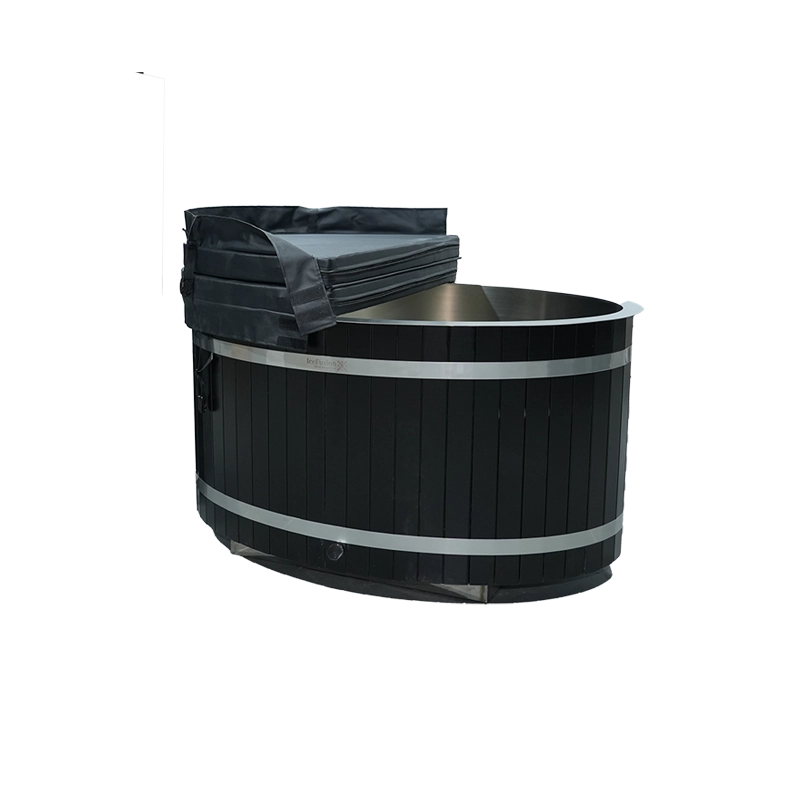
For professional settings, you need equipment that can handle the intense stress on the equipment. It should entertain every client in the same way. Consistent experience is key for customer retention. Using a premium grade commercial Smartmak system is the way to go. They are durable and come with marine-grade stainless steel banding for their barrel designs. In case of outdoor commercial units, consider the cold plunge made with wood. Smartmak uses Cedar or Hemlock, which are ideal for thermal efficiency. It traps the cold inside and reduces the energy bills.
Sophisticated Components
Smartmaks cold plunge systems feature heavy-duty cooling chillers with a 1HP or higher rating. It recovers its temperature immediately during use. The temperature remains stable within 1 to 2 degrees with a target of around 10°C. With the help of advanced control systems, the stable temperature helps deal with clients’ inflammation complaints.
These machines also have 20-micron filtration in combination with Ozone or UV sterilization. They do not use ice, which helps eliminate the massive cost. These facilities recoup their investment in 3 to 4 months.

Conclusion: What You Do After Matters as Much as the Cold Plunge Itself
Cold plunge is not just a theory, it’s a practical solution for wellness. It reduces inflammation, enhances muscle recovery, and resets the nervous system. For facilities that are aiming to provide their clients with therapy should consider all the aspects that come post recovery. Their facility should be designed to guide clients through the layout to enhance benefits and ensure safety.
You will need industrial grade equipment to ensure that the facility runs flawlessly. Particularly for the Nordic cycle, you will need a variety of sophisticated industrial-grade equipment. Wellness facilities can get a complete end-to-end solution to develop a Nordic cycle layout. They have everything for contrast therapy. The portfolio consists of infrared saunas, steam saunas, traditional saunas, cold plunges, and infrared blankets. Visit Smartmak website https://www.smartmak.com/ or contact them at:
- Phone: +86-551-65326453 or +86-155-51183989
- Email: [email protected]
FAQ
- What should I do immediately after a cold plunge?
To enhance the results of a cold plunge, allow your body to naturally regain its core temperature. It will take 20 minutes minimum for your core temperature to stop dropping. So let your body shiver, but wear layered clothing. base layer for absorption and top layer for warmth. Hydrate and be patient.
- Is it safe to take a hot shower after a cold plunge?
It is not recommended to take a hot shower after a cold plunge. As the immediate shock can lead to blood rushing towards the heart. The immediate blood pressure spikes can lead to fainting or dizziness.
- How long should I wait before showering after an ice bath?
At least consider waiting for at least 20 minutes before going into a warm shower. It lets the body return to its natural core temperature. It’s vital for safety.
- Should I warm up slowly or quickly after cold exposure?
Being patient and allowing your body to warm up naturally is key. Stay in a room with an atmospheric temperature of around 22°C. Let your body’s core temperature return to normal. Hydrate and meditate while it’s happening. Blood pressure changes can put pressure on the heart.
- What should I drink after a cold plunge?
Hydrating can be a great way to recover. However, avoid caffeinated drinks and scorching hot drinks. Go for warm water-based drinks with electrolytes in them.