1. What to Wear in a Sauna: A Complete Guide to Comfort, Etiquette, and Safety
Introduction: Dressing Right for the Heat
You’ve finally bought a traditional sauna — maybe an Almost Heaven Madison — or you’re planning a visit to an old-fashioned Finnish-style retreat. Either way, the question arises: what should you wear in a sauna?
Going naked is the classic approach—especially common in Finland and many parts of Europe—but it isn’t always practical or socially acceptable in shared, public, or co-ed settings. Choosing the right attire matters for comfort, hygiene, and safety. This guide explains everything: recommended clothing for men and women, what to avoid, useful accessories, hygiene tips, etiquette, two extra features to enhance comfort, and answers to common questions. Read on to learn how to dress so your sauna time is relaxing, safe, and respectful.
The Importance of Dressing Properly for Sauna Sessions
Saunas — whether traditional, infrared, or steam rooms — expose your body to elevated temperatures. Most saunas operate between 110°F and 180°F (43°C–82°C). In such heat your body responds by raising core temperature and producing sweat to cool itself. How you dress affects how efficiently your body can regulate temperature and how comfortable and safe your session will be.
Wearing heavy, non-breathable clothing interferes with sweat evaporation and heat loss. Medical sources and clinical guidance warn that restrictive or synthetic garments can increase the risk of overheating, dehydration, or heat-related illnesses because sweat cannot evaporate efficiently. The cardiovascular system also works harder in a hot environment; tight clothing that impedes blood flow can raise heart rate and blood pressure, placing extra strain on the heart — a particular concern for people with cardiovascular conditions.
Hygiene is another important factor. Synthetics like polyester or spandex cling when damp, trapping moisture and creating a breeding ground for bacteria. That can cause skin irritation, rashes, or infections. Opting for breathable, natural fibers and loose fits helps keep you comfortable and protects your skin.
What to Wear in a Sauna: General Principles
Prioritize three things: breathability, lightness, and comfort. Natural materials such as cotton, bamboo, and linen are ideal because they allow air circulation, wick moisture away from the skin, and don’t trap heat like many synthetic blends. Loose or minimally covering garments enable your skin to sweat and cool naturally, which optimizes the sauna’s health benefits.
Choose Natural, Breathable Fabrics
- Natural fibers — cotton, bamboo, linen, and lightweight wool — breathe and dry faster.
- Avoid heavy or tightly woven fabrics that trap heat and moisture.
- Loose cuts improve airflow and reduce restriction on circulation.
What to Wear in a Sauna for Men
Men often prefer minimal attire for comfort and modesty. Here are practical, commonly accepted choices:
- Cotton swim trunks or gym shorts: pick non-metallic fastenings; natural fibers are preferred.
- Towel wrap: wrapped around the waist for modesty while allowing sweat to evaporate.
- Light cotton T-shirt or tank top: if modesty is required or for co-ed spaces.
- Sauna kilt: a garment designed for airflow and coverage without overheating.
What to Wear in a Sauna for Women
Women’s choices vary depending on whether the sauna is private, women-only, or co-ed. For public or co-ed settings, modesty and comfort can both be achieved with natural fibers and loose fits:
- Cotton or bamboo swimsuit: avoids synthetic cling and improves comfort.
- Towel, sarong, or wrap: quick to remove or adjust and highly practical.
- Loose cotton dress or kaftan: breathable and modest for shared facilities.
- Linen blend spa gown or kimono: comfortable for pre- and post-sauna wear.

Sauna Accessories That Improve the Experience
Accessories are optional but can greatly enhance comfort, hygiene, and convenience.
Essential Items to Bring
- Sauna towel or bench mat: sit on it to keep benches sanitary and protect skin from hot wood.
- Water bottle or thermos: rehydration is essential before, during (if allowed), and after the session.
- Light robe or cover-up: for walking between the sauna and shower or lounge area.
- Seat cushion: a thin cushion can add comfort on hard benches.
- Small reading material: a waterproof magazine or short reading helps some people relax.
- Essential oils (sparingly): for aromatherapy only if others are comfortable with scents in shared settings.
Two Additional Comfort Features
1. Sauna Hats and Headbands
Traditional sauna hats — typically made of felt or wool — regulate temperature around the head and protect hair from overheating. They help prevent dizziness by moderating the concentration of hot air near the scalp. A cotton headband or hair tie is a simpler option to keep hair away from the face and neck while sweating.
2. Slip-Resistant Footwear
In public saunas, wet floors are common. Slip-resistant sandals or rubber-soled flip-flops protect your feet from hot surfaces and reduce the risk of slipping. Choose lightweight, easy-to-clean options rather than thick or heat-retaining footwear.
What Not to Wear in a Sauna
Knowing what to avoid protects your health and improves comfort for everyone in the space.
Avoid Synthetic Fabrics
Synthetic materials such as nylon, polyester, and spandex don’t breathe and retain heat. They can make you feel clammy and uncomfortable, increase dehydration risk, and may release unpleasant odors when heated. Choose natural fabrics instead.
Skip Metal Fastenings and Jewelry
Metal parts on swimsuits, zippers, snaps, or jewelry can heat up quickly and burn your skin. Remove rings, bracelets, necklaces, and watches before entering. Heat-induced swelling (heat edema) can also make jewelry difficult to remove afterward.
Do Not Wear Makeup, Lotions, or Heavy Skincare Before Entering
Makeup and lotions can block pores and prevent the skin from detoxifying. The steam and heat open pores, so entering the sauna with bare, clean skin avoids clogged pores and potential breakouts. Wash your face gently after your session to clean away sweat and impurities.
Avoid Strong Perfumes or Colognes
Fragrances can intensify in heat and may be unpleasant or irritating to others in a confined space. If you enjoy scents, use essential oils sparingly and only where allowed and agreed upon by other sauna users.
Hygiene Guidelines for Sauna Use
Good hygiene keeps the environment pleasant and reduces the risk of skin infections or the spread of germs.
Before Entering
- Take a quick shower to remove oils, dirt, and deodorants.
- Dry off partially to avoid soaking the bench with water.
- Bring a clean towel to sit on.
During the Session
- Always sit or lie on your towel to protect the bench and reduce bacterial transfer.
- Use an extra towel to dab sweat from your face and body; avoid wiping sweat onto shared surfaces.
- Limit touching of shared surfaces and avoid leaning your head directly on the bench.
After the Session
- Shower again to remove sweat and cooled toxins from the skin.
- Change into loose, breathable clothing post-session to allow pores to close gradually.
- Avoid using the sauna while actively sick to prevent transmitting infection to others.
Sauna Etiquette: Courtesy and Cultural Differences
Respect and common sense make the shared sauna experience pleasant for everyone.
Respect Local Customs
Different cultures have varied rules: in many European countries like Finland, Germany, and Austria, nudity in saunas is accepted or expected. In many U.S. locations, modest coverings like swimsuits or towels are required. Observe signage or ask staff if you’re unsure.
Behavior and Noise
- Keep conversation low and brief — saunas are primarily a place to relax.
- Avoid staring or behavior that may make others uncomfortable.
- Don’t stretch out across benches and take up excessive space; leave room for others.

Scent and Scents
If you plan to add essential oils or scents, use them sparingly and only where others will not be disturbed. Strong fragrances can be overwhelming in enclosed environments.
Food and Drinks
Avoid food and alcoholic drinks in the sauna. Water is typically permitted; ensure bottles are closed to prevent spills and remove containers when done.
Post-Sauna Clothing and Recovery Tips
After leaving the heat, your pores remain open and your body is cooling down. Here are best practices for dressing and recovery:
- Wear breathable, loose clothing: cotton robes, linen loungewear, or loose tees help skin recover.
- Avoid tight synthetic garments immediately after: these could trap sweat and inhibit cooling.
- Hydrate and rest: drink water, cool down gradually, and avoid intense activity right after a session.
Sauna Types and Clothing Considerations
Traditional Steam Saunas
These saunas rely on high ambient temperature and steam. Minimal, natural-fiber coverings such as towels, cotton swimwear, or light robes are best. Avoid anything that traps steam against the body.
Dry Heat (Finnish) Saunas
Higher temperatures and low humidity mean your body experiences intense radiant and convective heat. Again, breathable linens, towels, and light robes are ideal. Sauna hats can be particularly useful for head temperature regulation.
Infrared Saunas
Infrared saunas use radiant heat to penetrate tissue more deeply. Wearing minimal clothing — a towel or light cotton garment — allows infrared rays to reach the skin. Avoid thick clothing that blocks radiation and reduces the sauna’s efficacy.
Frequently Asked Questions (FAQs)
1. Can I Wear Clothes in an Infrared Sauna?
Yes, but keep garments minimal and breathable. Infrared heat works by penetrating the skin, so lightweight clothing like cotton underwear, a thin swimsuit, or simply a towel allows the infrared waves to reach the body effectively. Thick or densely woven clothing reduces benefits.
2. Should I Moisturize Before or After a Sauna?
Do not apply moisturizers, oils, or lotions before entering. These products can block pores and reduce detoxification. After the session, once you’ve showered and your skin has cooled slightly, apply a gentle hydrating moisturizer to restore moisture lost through sweating.
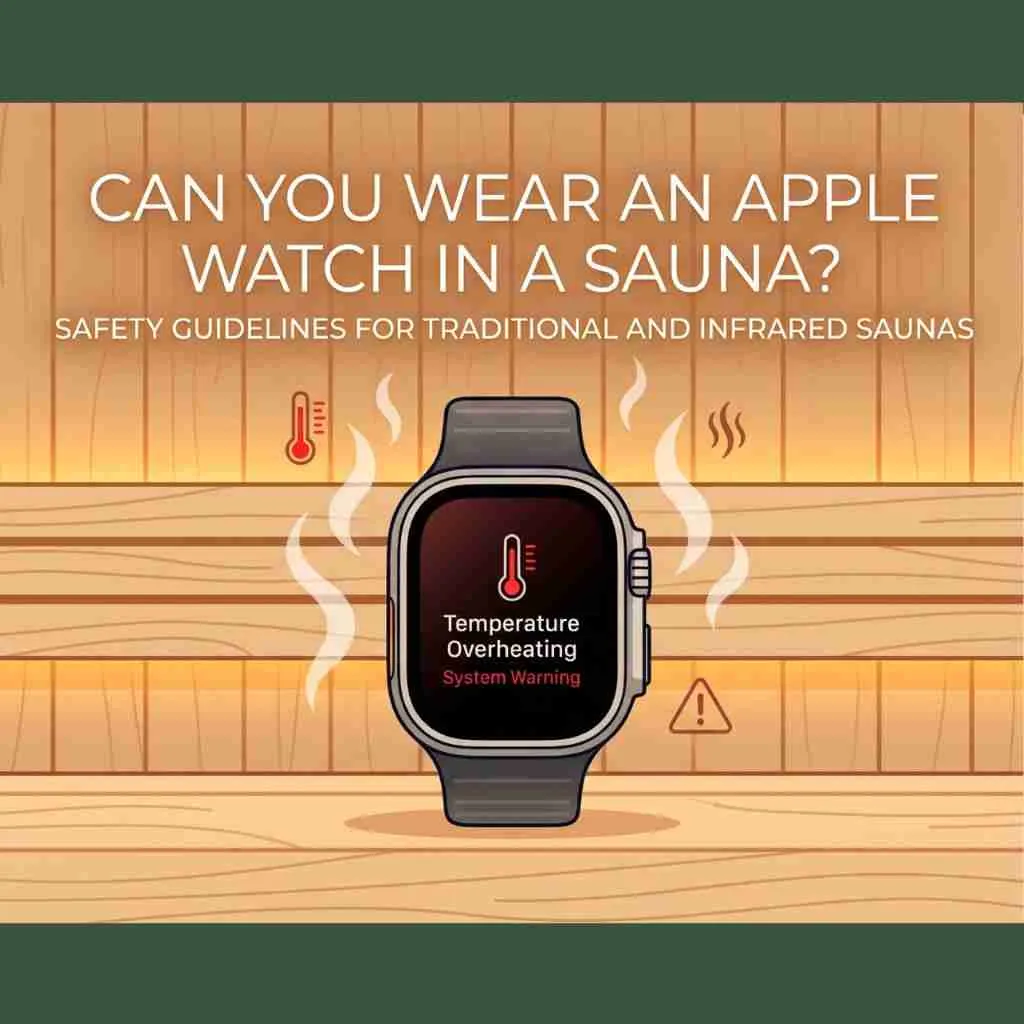
3. Can I Wear My Smartwatch or Fitness Tracker in a Sauna?
No. Most consumer electronics are not rated for sauna temperatures and humidity levels. Devices can malfunction, have shortened lifespans, or become hot enough to cause skin irritation. Leave electronics outside and secure them where they won’t overheat.
Special Considerations and Safety Warnings
People with Health Conditions
Consult your physician if you have cardiovascular issues, uncontrolled high blood pressure, pregnancy, or any condition that may be aggravated by heat exposure. Saunas cause increased heart rate and blood circulation, and these effects can be risky for some people.
Time Limits and Hydration
Limit sessions according to your tolerance and the sauna type. For many people, intermittent sessions of 10–20 minutes with breaks to cool down are safe. Always hydrate before and after use. If you feel dizzy, lightheaded, or unwell, exit immediately and cool down.
Children and Elderly Users
Children and older adults are more sensitive to heat. Supervision, shorter sessions, and lower temperatures are suggested for these groups. Adjust timing and heat to comfort and medical advice.
Common Mistakes to Avoid
- Wearing heavy or synthetic clothing: causes overheating and discomfort.
- Skipping showers: increases bacteria and reduces the benefits of a clean sauna environment.
- Using electronics inside: risks damage and skin burns.
- Applying cosmetics beforehand: blocks pores and increases potential for breakouts.
The Takeaway: Dress Smart, Sweat Smarter
The sauna is a powerful tool for relaxation and health — but what you wear matters. Prioritize natural fabrics, loose fits, and minimal coverage to let your skin breathe and sweat efficiently. Avoid synthetics, metals, heavy skincare products, and electronics. Observe local customs and etiquette when using public or co-ed facilities, and follow hygiene best practices for the benefit of yourself and others.
Whether you enjoy a private home sauna or a public spa, the right clothing and accessories make your experience more comfortable, effective, and pleasant. After a session, let your skin cool naturally in breathable clothing and rehydrate before resuming activity.
Want the Guide for Later?
Save a clean cotton towel, a simple pair of slip-resistant sandals, and a lightweight robe in your sauna bag. With those items and the guidelines above, you’ll be ready for any sauna — traditional, steam, or infrared — with respect for comfort, safety, and etiquette.
Closing Note
Relaxation is personal, but courtesy is universal. Dress with comfort and consideration in mind, follow health and hygiene guidelines, and you’ll enhance the benefits of every sauna session. Happy sweating — safely and respectfully.