The best time to cold plunge depends on your goal: morning is best if you want energy, alertness, and a strong start to the day; after a workout is best if your priority is reducing soreness and supporting recovery; evening can be useful for relaxation if you do it early enough before bed; and after a sauna works well for people who enjoy contrast therapy. There is no single perfect time for everyone. The right cold plunge schedule should match your body, your routine, your health status, and the result you want from cold water immersion.
Cold plunging has become popular because the experience can feel intense, refreshing, and mentally clarifying. Many people describe a sense of calm, focus, and emotional lift after stepping out of cold water. Others use it to help with post-exercise soreness, stress management, or building tolerance to discomfort. However, cold water immersion is powerful enough that it should be treated with respect. It is not just a wellness trend; it creates real physiological stress in the body.
The key is to use cold plunging at the right time, for the right reason, and in the right dose. A cold plunge that feels helpful in the morning may feel too stimulating late at night. A post-workout plunge may help soreness, but it may not be ideal immediately after strength training if your main goal is muscle growth. A sauna-to-cold-plunge routine may feel restorative, but it also places extra demand on the cardiovascular system.
This guide explains the best times to cold plunge, the benefits of each timing option, how long to stay in cold water, what temperature to choose, how often to cold plunge, and what safety precautions matter most. It also includes additional features to look for in a cold plunge setup and three frequently asked questions.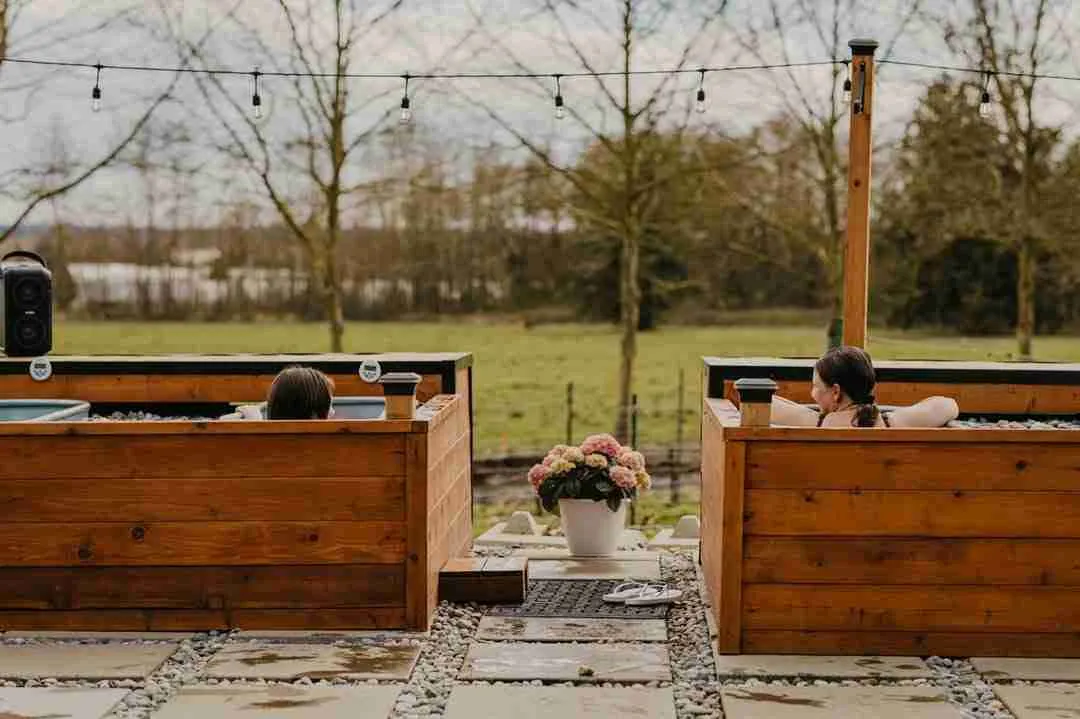
Understanding Cold Plunging
Cold plunging, also called cold water immersion, usually means immersing the body in cold water for a short period. Some people use dedicated cold plunge tubs, while others use ice baths, cold baths, outdoor water, or controlled cold-water tanks. The water is usually cold enough to feel uncomfortable but not so extreme that it becomes unsafe.
Cold exposure triggers several immediate responses. Blood vessels near the skin constrict, breathing may become faster, heart rate can rise, and the nervous system becomes more alert. The Royal National Lifeboat Institution explains that water below 15°C, or 59°F, can seriously affect breathing and movement because of cold water shock. You can read more about this response here: RNLI cold water shock guidance.
In a controlled wellness setting, the goal is not to endure cold for as long as possible. The goal is to use cold exposure carefully enough to create a beneficial stimulus while avoiding unnecessary risk. That means paying attention to temperature, duration, timing, breathing, and your personal health background.
Cold plunging is not appropriate for everyone. People with cardiovascular disease, uncontrolled high blood pressure, respiratory conditions, fainting history, seizure disorders, pregnancy concerns, open wounds, or other medical conditions should speak with a healthcare professional before trying it. The American Heart Association notes that sudden cold water exposure can cause a rapid increase in breathing, heart rate, and blood pressure. More information is available here: American Heart Association cold plunge safety article.
Finding Your Ideal Cold Plunge Time
The ideal cold plunge time is personal. Some people respond well to morning cold exposure because it makes them feel awake and focused. Others prefer using cold water after training because it helps them feel less sore the next day. Some enjoy an early evening plunge because it creates a clear separation between the day’s demands and the evening.
Before choosing a time, ask yourself what you want cold plunging to do for you. Do you want more energy? Better workout recovery? Less muscle soreness? Stress relief? A sleep-supporting evening routine? A sauna contrast ritual? Or are you using cold water as part of a broader therapeutic plan recommended by a healthcare provider?
The answer changes the timing. A cold plunge is not one single tool with one single use. It can stimulate, calm, challenge, refresh, or help recovery depending on when and how you use it.
Morning Cold Plunges
Morning is one of the most popular times to cold plunge because cold exposure can create a strong sense of wakefulness. For many people, a morning plunge feels like a reset button. The sudden cold demands attention, sharpens breathing, and pulls the mind into the present moment.
A morning cold plunge may be useful if you often feel groggy, slow, or mentally scattered after waking. Unlike caffeine, cold exposure does not require digestion or stimulants. It works by creating a short, controlled stress response. The body reacts to the cold by increasing alertness and mobilising energy.
Cold water immersion can activate the sympathetic nervous system, which is involved in the body’s fight-or-flight response. This is part of why people often feel more awake afterward. Research has also examined cold water exposure and mood. A study published in Biology found that short-term whole-body cold water immersion was associated with increased positive affect and changes in brain network connectivity. You can view the study here: cold water immersion and positive affect study.
Morning cold plunging may also help people build stress tolerance. Starting the day by staying calm in cold water can become a mental practice. You learn to breathe through discomfort instead of reacting automatically. That skill can carry into work, training, parenting, commuting, or other daily stressors.
A morning cold plunge may potentially help you feel more alert, improve focus, reduce morning sluggishness, support mood, and create a sense of accomplishment before the day begins. It can also be a useful substitute for checking your phone immediately after waking, because it gives your nervous system a more intentional start.
However, morning plunging should still be gradual. Do not leap into extremely cold water half-asleep. Hydrate first, make sure you feel steady, and begin with a manageable temperature and duration. If you feel faint, lightheaded, or unusually breathless, stop.
Post-Workout Cold Plunges
Post-workout cold plunges are common among athletes because cold water immersion may reduce delayed onset muscle soreness. After hard exercise, muscles can feel inflamed, swollen, and tender. Cold water causes blood vessels to constrict, which may reduce swelling and slow inflammatory processes. When you leave the water, blood vessels dilate again, which may support circulation during rewarming.
A Cochrane review found some evidence that cold water immersion can reduce delayed onset muscle soreness after exercise compared with passive recovery, although the best method and safety details are still not fully clear. You can read the review here: Cochrane review on cold water immersion and muscle soreness.
A systematic review and meta-analysis also reported that cold water immersion can help reduce muscle soreness, with water temperatures between 11°C and 15°C and immersion times around 11-15 minutes appearing useful for soreness reduction in the studies reviewed. That research is available here: cold water immersion temperature and time review.
For athletes, the best time to cold plunge after exercise is often within one to two hours after training if the goal is soreness management. Even a shorter session, such as three to five minutes, may feel helpful for some people. You do not always need a long plunge to get the refreshing effect.
Post-workout cold plunging may help reduce muscle soreness, calm inflammation, support perceived recovery, make it easier to train again soon, and provide a relaxing end to a demanding session.
However, there is an important exception. If your main goal is muscle growth or maximal strength development, you may not want to cold plunge immediately after lifting weights. Research suggests that regular cold water immersion after resistance training may blunt some anabolic signalling and long-term muscle adaptations. If hypertrophy or strength is your priority, consider waiting at least several hours after resistance training before using a cold plunge, or save cold plunges for rest days, conditioning days, or endurance-focused sessions.
Evening Cold Plunges
Evening cold plunges can be useful for stress relief, but timing matters. Many people like cold water after work because it creates a clear separation between the day’s demands and the evening. It can help you stop scrolling, stop thinking about tasks, and reconnect with your body.
An evening plunge may feel calming after the initial shock passes. The cold demands slow breathing and presence. Afterward, the body gradually warms itself, and many people experience a grounded, relaxed feeling.
However, cold plunging too close to bedtime is not ideal for everyone. Cold water can be stimulating. It may raise alertness, increase stress hormones temporarily, and make it harder to fall asleep if done immediately before bed. For this reason, it is usually better to schedule an evening cold plunge at least two hours before sleep.
If you want cold plunging to support your night routine, try using it in the early evening rather than right before lying down. After the plunge, allow your body to rewarm naturally. Put on warm clothes, drink a warm non-alcoholic beverage if desired, and avoid rushing into a very hot shower. Let your nervous system settle.
Evening cold plunging may be best for people who want to release stress after work, reduce mental tension, create a transition into rest, or pair cold exposure with stretching, journaling, meditation, or a quiet recovery routine.
Cold Plunging After a Sauna
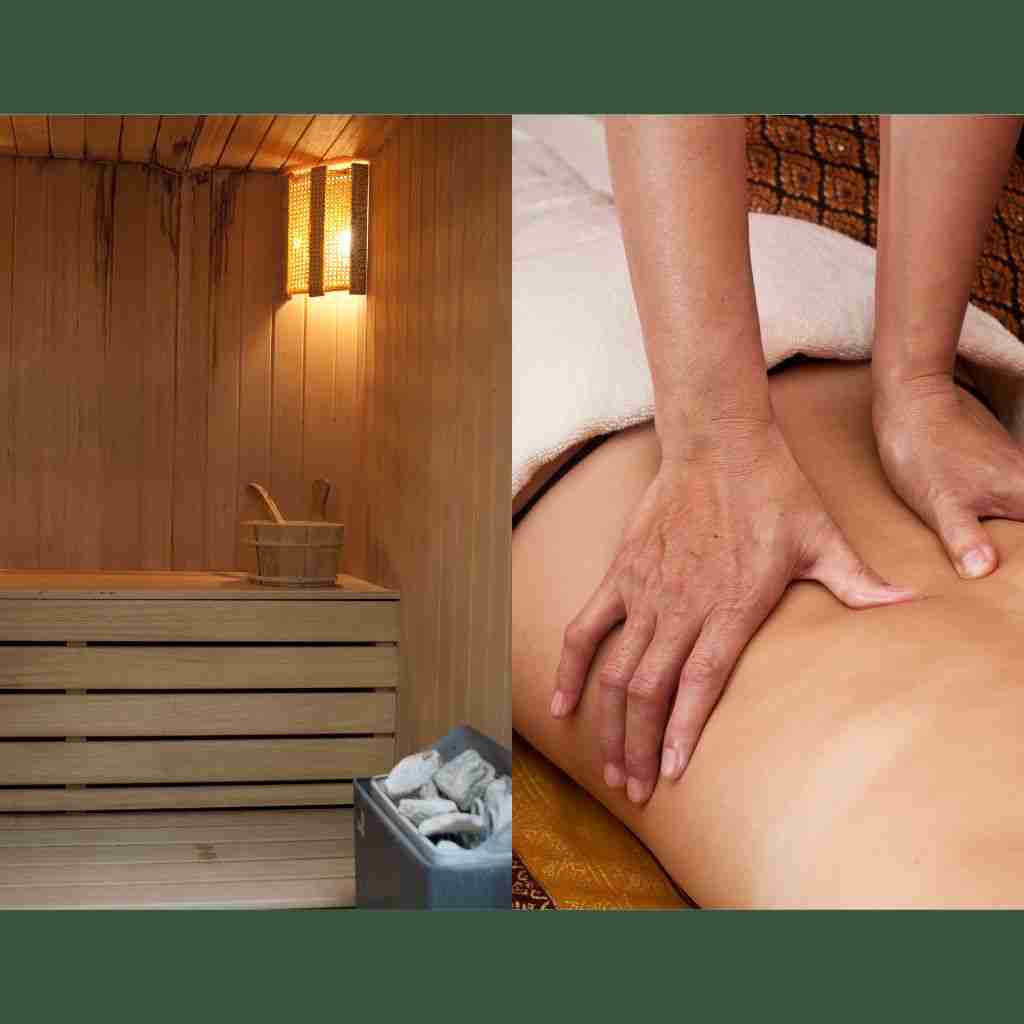
Cold plunging after a sauna is part of contrast therapy, which involves alternating heat and cold. A typical contrast routine may include time in a sauna followed by a short cold plunge, repeated for two or three rounds. Some people end with cold because it leaves them feeling alert and refreshed, while others end with warmth because it feels more relaxing.
Contrast therapy creates strong temperature changes. Heat encourages blood vessels to widen, while cold encourages them to narrow. This alternating pattern is sometimes described as a vascular pump, although the exact benefits depend on the person, protocol, and health status.
Research on contrast water therapy suggests it may help reduce muscle soreness compared with passive recovery after exercise-induced muscle damage. A systematic review and meta-analysis is available here: contrast water therapy and exercise recovery review.
A simple contrast routine might include 10-20 minutes of sauna followed by one to five minutes of cold water, repeated two or three times. Beginners should use shorter rounds and avoid extreme heat or extreme cold. The goal is not to prove toughness; it is to create a controlled and enjoyable recovery practice.
Contrast therapy may not be suitable for people with heart disease, blood pressure concerns, dizziness, fainting history, pregnancy, or other medical conditions. Moving quickly from heat to cold can place additional stress on the cardiovascular system. If you are unsure, ask a healthcare provider before trying it.
Cold Plunging for Disease Management
Some people explore cold water therapy for chronic pain, arthritis symptoms, mood support, inflammation, or other health concerns. In these cases, timing should be discussed with a healthcare professional.
For example, someone with morning joint stiffness may find cold exposure more useful earlier in the day, while another person may respond better after movement or physical therapy. Someone using cold plunging for mood may prefer the morning because it supports alertness and routine. Someone using it for exercise-related pain may prefer post-workout timing.
Cold plunging should not replace medical treatment. It may be a supportive wellness practice, but it is not a cure for chronic disease. If you have a diagnosed condition, your doctor, physical therapist, or other qualified clinician can help decide whether cold water immersion is appropriate and when it fits best.
How to Gradually Increase Cold Plunge Duration
The safest way to build a cold plunge habit is to start with short exposures and increase slowly. Your first goal is not a long session. Your first goal is to learn how your body responds to cold.
A beginner may start with 30 seconds to one minute. That may sound short, but it is enough to practice breath control and experience the cold response. If that feels manageable, add 15-30 seconds over time. Some people eventually work up to three to five minutes. Others prefer shorter sessions and still feel benefits.
You do not need to chase 10 or 15 minutes. Longer is not automatically better. In colder water, shorter exposure is often more appropriate. In warmer cold water, longer exposure may be tolerable. Temperature and duration must be considered together.
If you are nervous about a full plunge, start with cold showers. A cold shower allows you to control the exposure more easily. You can begin with 15-30 seconds at the end of a warm shower, then increase gradually. Once you are comfortable with cold showers, a plunge may feel less intimidating.
Monitoring Your Body’s Response
Your body gives useful signals during cold exposure. Listen to them. Shivering is common, but violent or uncontrollable shivering is a sign to stop. A racing mind is normal at first, but confusion is not. Cold discomfort is expected, but numbness, pain, blue or pale fingers, dizziness, or weakness should not be ignored.
Stop the plunge if you experience dizziness, chest pain, severe shortness of breath, numbness, disorientation, excessive shaking, finger or toe discoloration, loss of coordination, or a feeling that something is wrong.
Breathing is one of the most important signals. Cold water can trigger gasping or rapid breathing. Your job is to slow the exhale and regain control. Do not use intense hyperventilation breathing before or during a cold plunge. Hyperventilation can increase the risk of fainting, which is especially dangerous in water.
Simple breathing methods can help. Box breathing, slow nasal breathing, or extended exhales can calm the initial shock response. For example, inhale gently, then exhale longer than you inhale. Keep your face above water until your breathing is steady.
Cold Plunge Temperature: Finding the Right Balance
Temperature is just as important as timing. Water that is too cold can overwhelm the body, especially for beginners. Water that is too warm may not create the same cold exposure effect. The right temperature is cold enough to challenge you but safe enough that you can stay calm and controlled.
For beginners, 55-60°F, or 12.8-15.6°C, is often a practical range. It is cold enough to feel intense but not as extreme as near-freezing water. Many people can learn breath control and cold tolerance in this range.
If that still feels too cold, start warmer. A cold shower around 64-68°F, or 18-20°C, may be a better entry point. There is no need to force a plunge before your body is ready.
Experienced cold plungers may use water around 39-50°F, or 4-10°C. This is much more intense and requires shorter sessions, careful monitoring, and greater safety awareness. Even experienced users can overdo it.
Cold water below 15°C, or 59°F, is cold enough to trigger cold shock responses in many people. That does not mean it is always unsafe in a controlled tub, but it does mean it deserves respect. Enter slowly, control your breathing, and do not plunge alone if you are new.
Safety Precautions for Extreme Temperatures
Cold plunging can feel empowering, but safety must come first. People with cardiovascular disease, uncontrolled high blood pressure, heart rhythm problems, respiratory disease, diabetes, peripheral vascular disease, seizure disorders, open wounds, local infections, or a history of fainting should seek medical advice before cold water immersion.
Do not cold plunge after drinking alcohol. Alcohol affects judgment, coordination, temperature regulation, and cardiovascular response. It increases risk and reduces your ability to respond appropriately.
Do not plunge alone when you are new, using very cold water, or trying a longer session. Having another person nearby can make a major difference if you become dizzy, panicked, or weak.
Do not jump straight into a hot shower after a cold plunge. Rapid temperature swings can feel uncomfortable and may stress the body. Rewarm gradually with dry clothes, gentle movement, and a warm environment.
Do not push through warning signs. Cold plunging should feel challenging, not dangerous. The moment your body signals distress, the session is over.
How Often Should You Cold Plunge?
Most people do not need to cold plunge every day. Two to three sessions per week is a reasonable starting point for general wellness. Some adapted users enjoy daily short sessions, while others prefer cold plunging only after workouts or sauna use.
Frequency depends on your goals. For energy and mood, shorter morning sessions a few times per week may be enough. For soreness management, cold plunging may be used after selected hard workouts. For contrast therapy, it may be paired with sauna once or twice weekly. For chronic condition support, frequency should be guided by a healthcare professional.
Be careful with the idea that more is always better. Cold exposure is a stressor. Stressors can be helpful in the right dose and harmful in excess. Recovery, sleep, nutrition, and training load all matter.
If you feel unusually tired, irritable, cold all day, or run down, reduce frequency or duration. A good cold plunge routine should leave you feeling better overall, not depleted.
Additional Features to Look For in a Cold Plunge Setup
If you are planning to cold plunge regularly, the right setup can make the habit easier and safer. The most important feature is temperature control. A reliable cold plunge should allow you to keep water within a safe and consistent range. Guessing the temperature can lead to water that is either too warm to be useful or too cold for your current tolerance.
Filtration is another useful feature. Cold plunge water should be clean, especially if you use it multiple times per week. Look for systems with filtration, sanitation options, or clear maintenance instructions.
Insulation helps maintain temperature and reduces the need for constant cooling or ice. A well-insulated tub can make the routine more convenient and cost-effective over time.
A comfortable entry and exit design is important. Cold water can temporarily affect coordination, so you should be able to get in and out safely. Non-slip surfaces, stable steps, and enough space to move are helpful.
A cover can keep the water cleaner and reduce temperature changes between sessions. It also improves safety by preventing accidental access by children or pets.
A built-in timer or easy-to-see clock is useful because cold exposure should be measured. During the first minute of cold shock, time can feel distorted. A timer helps you stay within your planned duration.
Portability may matter if you have limited space or want to move the plunge seasonally. Some people prefer inflatable or portable tubs, while others prefer permanent installations.
Ease of cleaning should not be overlooked. A cold plunge that is difficult to drain, wipe, filter, or maintain may become unpleasant quickly. The best setup is one you can keep hygienic without too much effort.
Summary
So, when is the best time to cold plunge? The answer depends on what you want from the practice. Morning cold plunges are excellent for energy, focus, and starting the day with intention. Post-workout cold plunges may help reduce soreness and support recovery, but they should be timed carefully if your goal is strength or muscle gain. Evening cold plunges can help with stress relief when done early enough before bed. Sauna-to-cold-plunge contrast therapy can feel restorative, but it should be used with respect for cardiovascular safety.
The best cold plunge routine is personal. Start slowly, use a manageable temperature, keep sessions short at first, monitor your body’s response, and stay consistent without turning the practice into a test of endurance.
Cold plunging can be refreshing, calming, and useful when done wisely. The right time is the time that supports your goals while keeping your body safe.
Frequently Asked Questions
1. How often should I cold plunge for the best results?
Most people can start with two to three cold plunge sessions per week. Beginners may only need short sessions of 30 seconds to two minutes. More experienced users may gradually increase duration or frequency, but daily cold plunging is not necessary for everyone. If you have a medical condition, ask a healthcare provider before making cold exposure a daily practice.
2. What is the best time to cold plunge if I am a beginner?
Morning or early afternoon is often best for beginners because cold plunging can be stimulating. Start with 30 seconds to one minute in water around 55-60°F, or 12.8-15.6°C. If that feels too intense, begin with cold showers before trying a full plunge. Focus on calm breathing rather than long duration.
3. Can I take a hot shower immediately after a cold plunge?
It is better to let your body warm up naturally after a cold plunge. Dry off, put on warm clothes, move gently, and allow your breathing and heart rate to settle. A very hot shower immediately after cold immersion may create an abrupt temperature shift that feels uncomfortable or stressful.