Introduction
People keep shopping for “a sauna” the way they shop for “a car.” One word. One category. One vague expectation that everything will sort itself out after delivery.
And that’s how projects get weird. Fast.
Saunas aren’t a single product—they’re heat systems with totally different behavior depending on how they make heat, where they live (indoors vs. outdoors), and who is expected to use them (one person after work vs. a hotel that needs turnover every 30 minutes without complaints). Pick the wrong type and you’ll get the classics: “It takes forever to heat,” “It feels too dry,” “It’s too hot,” “It’s not hot enough,” or my favorite—“Why is the ceiling dripping?”
If you buy, build, distribute, or spec saunas for a living, the job is simple: match the system to the scenario. This is the essence of a true custom sauna—not just custom colors or logos, but a heat system engineered for who uses it, where it lives, and how often it runs. Not your personal taste. Not the trend on social media. The scenario.
Traditional Steam Saunas (Dry & Wet Heat Systems)
Traditional saunas are the ones people think they’re buying when they say “real sauna.” High heat, heated air, rocks, and the option to throw water on the stones for that hit of steam (löyly) that makes your eyebrows question your life choices.
Core characteristics of traditional saunas
A traditional setup is basically: heater + stones + hot air + controlled ventilation. Temperatures commonly run hot—often in the 70–100°C (160–212°F) neighborhood—so everything around the heater has to be designed like it actually expects heat (because it does). Cheap builds get loud. They crack, warp, or smell like adhesives. Good ones just sit there and work.
And yes, you can run them “dry,” then toss water on stones for bursts of humidity. That’s not the same thing as a tiled steam room with a steam generator. It’s a drier space that can swing humid for short moments. Big difference.
Common structural formats
Cabin-style rectangular saunas
These are the workhorses. Straight walls. Easier bench layouts. Easier to scale up for group seating. If your buyer wants a predictable install and straightforward maintenance access, this is usually the boring (good) answer.
Barrel-shaped saunas with curved walls
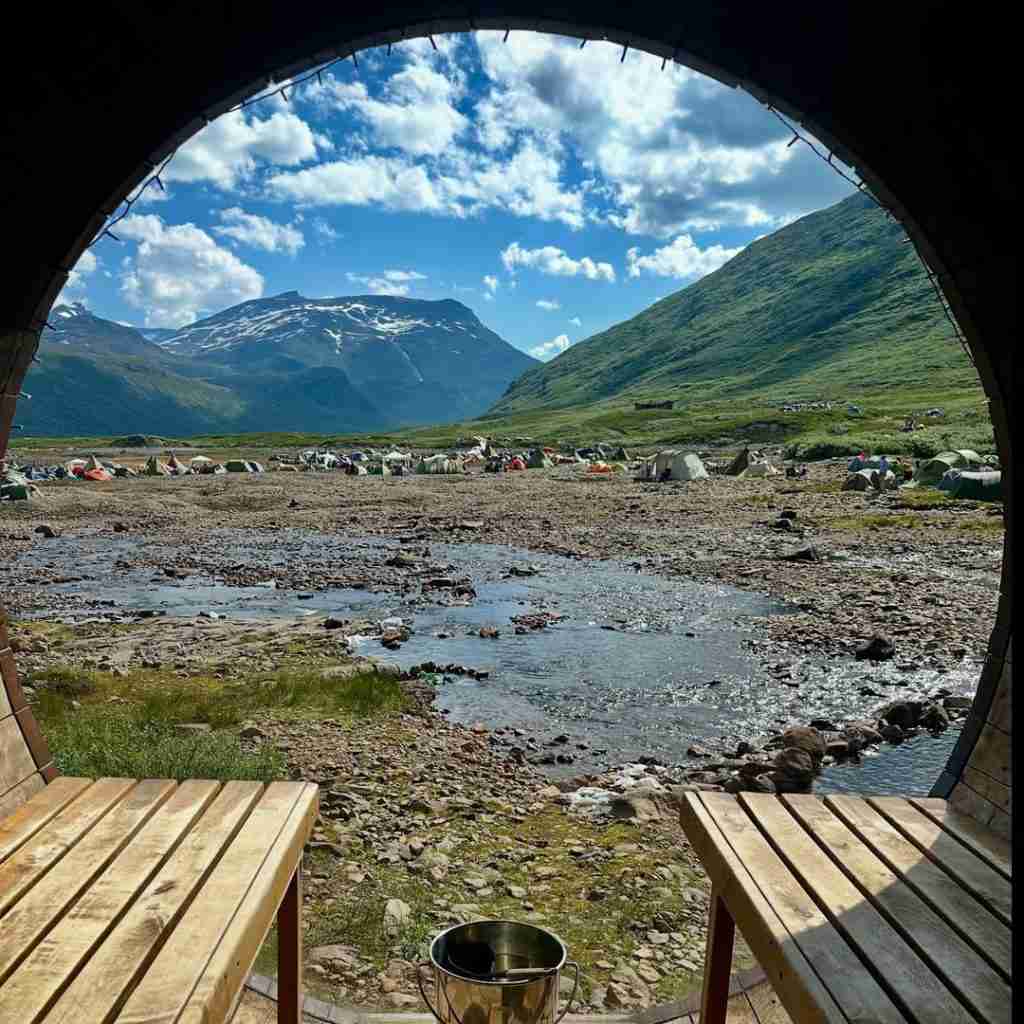
Barrels are popular for a reason: the shape encourages heat to roll down the sides instead of camping at the ceiling. They also have a “drop it in the yard” appeal that sells well in consumer markets. If you want to see the category lineup, Smartmak keeps its barrel models grouped here: Barrel Sauna.
But barrels also come with tradeoffs people don’t like mentioning: bench geometry is less flexible, headroom can be awkward for taller users depending on diameter, and the curved interior can limit how you position backrests and upper benches.
Typical application scenarios
Outdoor gardens and backyards
Traditional outdoor setups work great when the buyer wants the ritual—preheat, sweat, cool down, repeat. But outdoors punishes lazy specs. If the door seal is sloppy or insulation is thin, you’ll hear about it the first cold week.
Resorts, hotels, and destination wellness projects
Commercial buyers usually want three things: consistent heat, predictable session timing, and durability under heavy use. Traditional saunas deliver that “real sauna” experience guests expect—especially in markets where sauna culture already exists and people actually know what they’re doing in there.
Infrared Saunas: Modern Low-Temperature Alternatives
Infrared saunas are the option for people who want the benefits of heat without the “I’m sitting in an oven” vibe. They’re also the option for projects where power draw, warm-up time, and indoor practicality matter more than tradition.

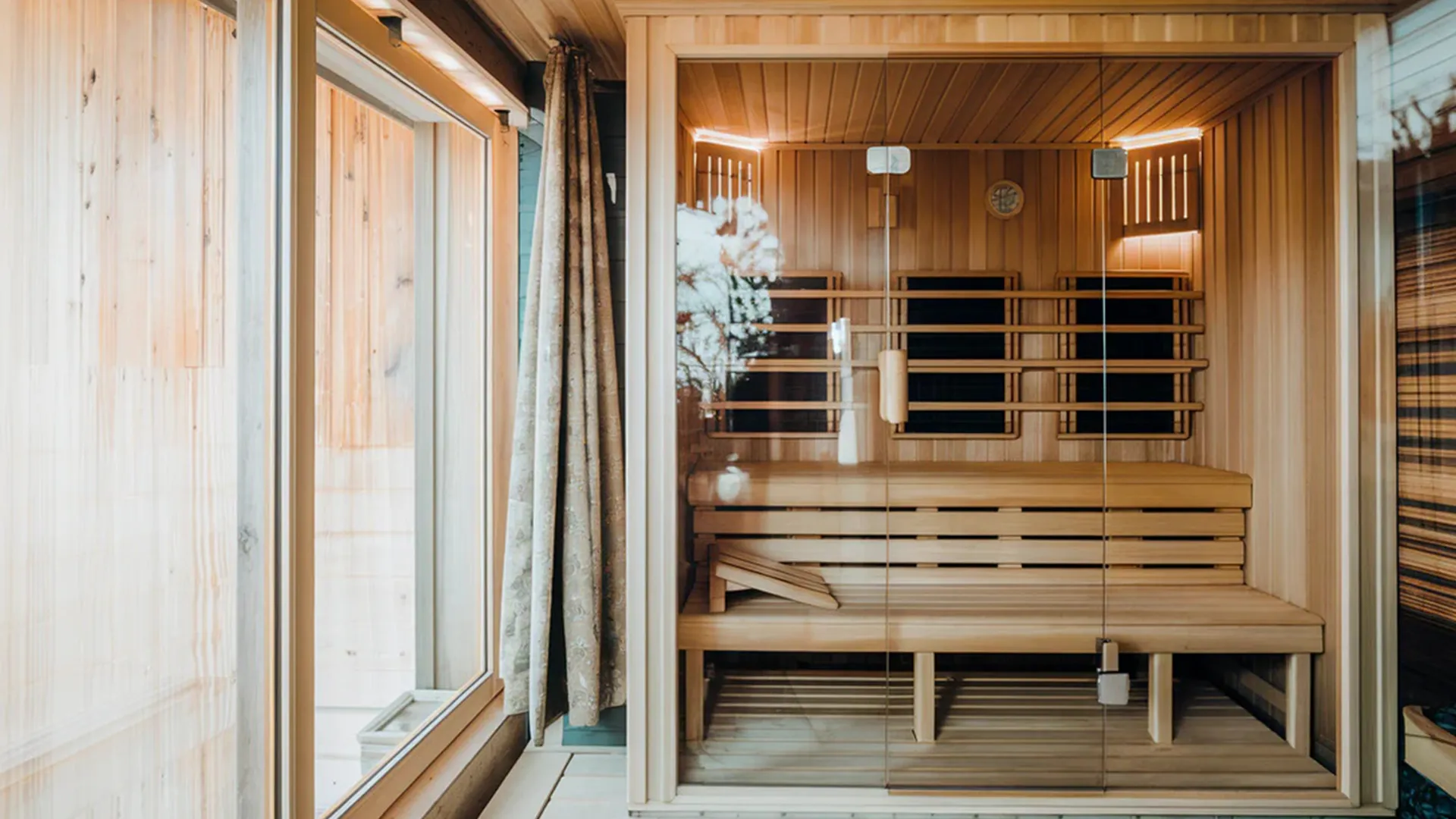
How infrared saunas generate heat
Infrared systems heat you primarily with radiant energy. You feel it on your skin fast, even when the air temperature isn’t extreme. So the cabin can run at lower ambient temps than a traditional sauna while still feeling effective—especially for short sessions.
This is also why infrared is often easier to sell into certain markets: the “entry barrier” is lower. Less intimidation. Less “I can’t breathe in here.”
If you’re building out a lineup or quoting projects, it helps to start with the category page instead of random one-off models: Infrared Sauna Manufacturers.
User experience and positioning
Shorter warm-up times
Infrared systems typically get into usable range quicker. That matters in real life. People don’t want to schedule a 45-minute preheat like it’s a dentist appointment.
Lower energy consumption
Lower air temps usually mean less brute-force heating. That’s not magic. It’s physics and expectations. Buyers who care about operating cost tend to lean infrared—especially in residential settings.
Suitable for indoor and space-limited environments
Infrared is often a cleaner fit indoors because you’re not trying to run a high-heat, stone-based system in a space with questionable ventilation planning. And in apartments or tighter homes, it’s simply an easier “yes” from the household decision-maker.
Common use cases
Urban homes and apartments
If your market is condos, smaller homes, and people who want a personal wellness add-on, infrared usually outsells traditional—mostly because it’s practical and doesn’t scare first-timers.
Fitness studios and recovery centers
Infrared is easy to program into a recovery workflow: quick session, predictable timing, lower perceived intensity. If the business model depends on scheduling bodies into rooms all day long, predictability wins.
Outdoor Saunas as a Distinct Project Category
Outdoor saunas aren’t “an indoor sauna, but outside.” That assumption is expensive.
Outdoor projects live in weather. They get sun-blasted, rained on, frozen, thawed, and then frozen again. Wood moves. Seals age. Roof systems matter. Bases matter. And if the installer shrugs at drainage and airflow, the building will punish everyone involved.
Smartmak treats outdoor as its own category for a reason: Outdoor Sauna.

Why outdoor saunas require different design logic
Outdoors means exposure to:
- moisture swings (wet mornings, dry afternoons)
- temperature shocks (hot cabin, cold exterior)
- UV and precipitation
- wind-driven drafts that ruin heat stability
So you spec differently: better exterior protection, smarter detailing around glass and doors, and insulation choices that match climate. If you sell outdoor saunas into cold regions without tightening the system design, you’ll spend the season answering messages that start with “Hey, quick question…”
Outdoor sauna types commonly used in global projects
Barrel saunas for efficient heat circulation
Barrels work outdoors because they shed water well, heat evenly, and have a compact footprint. They also ship and install nicely as modular kits, which matters a lot once you’re doing volume.
Cabin-style outdoor saunas for larger group use
Cabins scale better. More bench options. Better for groups. Better for commercial sites where the sauna is part of a bigger facility and needs to feel like a “room,” not a novelty object.
Traditional dry steam outdoor rooms for commercial settings
Commercial outdoor builds often go traditional because guests want the experience they recognize—and operators want the durability and throughput. The catch is you need the full system planned properly: heater sizing, airflow, clearances, and weather resistance.
System-level manufacturing approach
Outdoor success is rarely about one feature. It’s about whether the whole build behaves like a system:
- structure that stays square over heat cycles
- heater capacity that matches cabin volume (and real-world winter conditions)
- ventilation that doesn’t suffocate the heat or trap moisture
- roof detailing that doesn’t turn into a slow leak
Material choices help too. Premium woods like Red Cedar and Hemlock show up in outdoor projects because they’re stable, durable, and don’t get weird the moment conditions change.
And modular construction? It’s not just a convenience. It’s risk control—repeatable assemblies, consistent fit, easier logistics, fewer surprises on site.
Value for B2B buyers and project developers
B2B buyers don’t need poetry. They need fewer variables.
One manufacturer supporting multiple sauna types within outdoor projects
When you’re sourcing for resorts, developers, or distribution, it helps when one supplier can cover barrel, cabin, steam, infrared—because your service team, parts pipeline, and warranty process stay sane.
OEM/ODM flexibility for resorts, spas, and wholesale distribution
If you’re building a product line, you want controlled variation: sizing, branding, glass layout, heater options—without reinventing the entire structure each time. That’s exactly what the Smartmak workflow is designed around.
Reduced installation risk through pre-engineered outdoor sauna systems
Pre-engineered systems reduce the “installer roulette” problem. You can still mess things up, sure—but you’re starting from a plan that already accounted for heat load, ventilation paths, and outdoor wear.
Choosing the Right Sauna Type for Different Needs
This is where most buyers pretend every project is unique, then repeat the same mistakes in five cities.
Residential vs. commercial considerations
Residential buyers often care about:
- comfort
- ease of use
- energy bills
- “will I actually use it?”
Commercial operators care about:
- session turnover
- durability
- service access
- guest expectations (and guest complaints)
So if your market is hospitality, traditional systems often sell better because guests associate them with the “proper” sauna experience. If your market is urban residential, infrared tends to win because it fits real homes and real schedules.
User frequency and session duration
Heavy-use sites need designs that tolerate constant cycling—heat up, cool down, repeat—without warping, loosening, or turning maintenance into a hobby.
Low-use homes can accept slower rituals. Sometimes they even want them.
Maintenance and operating costs
Traditional systems: more heat, more airflow planning, more attention to clearances and long-term wear around the heater zone.
Infrared systems: generally simpler daily operation, but you still need solid build quality and sensible electrical planning.
Indoor vs. outdoor installation factors
Space availability
Small indoor spaces push you toward compact cabins, often infrared. Outdoor installs open up options—barrels, cabins, porch layouts, bigger glass.
Climate and local regulations
Cold climates punish weak insulation and sloppy sealing. Dense urban markets punish bad electrical planning and anything that looks like it might trigger a building inspection headache.
Long-term scalability for distributors and operators
If you’re distributing, you want repeatable SKUs that don’t create a new support problem every time you sell one.
A quick gut-check list:
- Can you standardize sizes (2-person, 4-person, 6-person)?
- Are parts consistent across models?
- Can your installer network handle it without improvising?
- Can you point buyers to a clear category (like Steam Sauna Manufacturers) instead of drowning them in options?
Conclusion
There’s no single “best” sauna type. There’s the right fit for the job—and everything else is either a compromise or a future complaint.
Know the use case. Know the install environment. Know what the end user expects when they open the door and sit down.
And if you’re sourcing at scale, treat the sauna like a system, not a pile of parts that “should work out.”
FAQ
What are the main types of saunas available today?
Traditional (heater + stones), infrared (radiant panels), and outdoor builds as a project class (traditional or infrared, but engineered for weather).
What type of sauna is best for home use?
Infrared is often the easiest “yes” for indoor homes. Traditional is the pick for people who want high heat and the classic ritual.
Are steam saunas better than dry saunas?
Not better—different. Steam bursts (löyly) change how heat feels. Some users love humidity. Some hate it.
Which sauna type uses the least electricity?
Often infrared, because it runs lower air temps and heats the body directly.
What sauna type is best for apartments or small spaces?
Infrared, almost every time—smaller footprint, simpler use, less demanding room conditions.