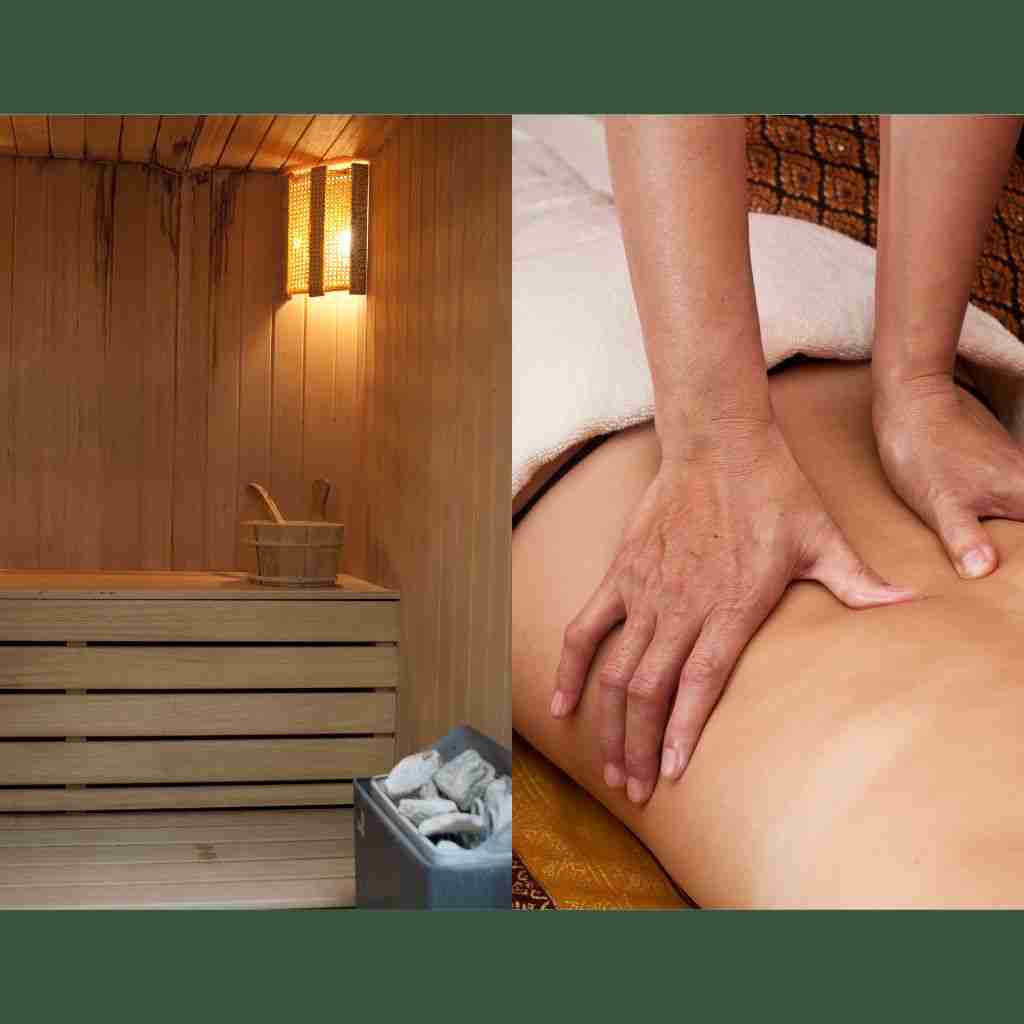
For the majority of individuals looking to optimize their recovery without risking health complications, the ideal duration to sit in a sauna after a workout is between 15 and 20 minutes. This timeframe is scientifically considered the “sweet spot” where the body experiences significant vasodilation and muscle relaxation while maintaining a safe core temperature. If you are a beginner or have just finished an exceptionally high-intensity session, you should limit your initial exposure to 5 to 10 minutes. As your body builds a tolerance to heat stress—a process known as heat acclimation—you can gradually extend your sessions to the full 20-minute mark to reap the maximum physiological and psychological rewards.

1. How long should you stay in the sauna post-exercise to ensure safety and efficacy?
Determining the exact number of minutes requires an understanding of your own biological baseline. While the 15-to-20-minute window is the general gold standard, the “How” of your session depends heavily on the “What” of your workout. After a light session, such as yoga or a steady-state walk, your body is better prepared to handle a full 20-minute heat soak. However, after heavy resistance training or a long-distance run, your internal temperature is already elevated, and your fluid levels are likely depleted.
In these high-stress scenarios, sitting in the sauna for too long can lead to a dangerous drop in blood pressure or a condition called hyperthermia. It is vital to enter the sauna only once your heart rate has begun to settle. Many experts recommend a “cool-down” transition period of about 10 minutes between your last set and your first minute in the heat. This ensures that the sauna serves as a recovery tool rather than an additional exhaustion factor.
Furthermore, the type of heat matters. A dry Finnish sauna typically operates at much higher temperatures (up to 190°F) compared to an infrared sauna (120°F – 150°F). If you are in a traditional high-heat environment, you may find that 12 to 15 minutes provides the same intensity of sweat as 20 minutes in an infrared setting. Always prioritize your internal “bio-feedback” over the clock on the wall; if you feel lightheaded, nauseous, or uncomfortably tingly, your session should end immediately, regardless of the time elapsed.
2. Why does heat therapy immediately following a workout accelerate the muscle repair process?
The “Why” behind post-workout sauna use is rooted in the science of blood flow and cellular protection. When you engage in strenuous physical activity, you create micro-traumas in your muscle fibers. The body’s natural response is inflammation, which brings white blood cells to the area to begin repairs. While necessary, this process often results in Delayed Onset Muscle Soreness (DOMS), making your next workout more difficult.
By entering a sauna, you trigger a massive vasodilation response. Your blood vessels expand, and your heart rate increases to move blood toward the skin to cool the body. This systemic increase in circulation means that oxygen-rich blood and vital nutrients (like amino acids) are delivered to your damaged muscle tissues at an accelerated rate. Think of it as a “nutrient delivery express lane” for your muscles.
Beyond simple circulation, heat stress stimulates the production of Heat Shock Proteins (HSPs). These are molecular chaperones that help repair misfolded or damaged proteins within your cells. They also play a role in preventing muscle atrophy (muscle loss) during periods of rest. By sitting in the sauna for 15-20 minutes, you are essentially signaling your body to “lock in” the gains from your workout by providing the optimal environment for protein synthesis and cellular cleanup.
Post-Workout Duration Recommendations by Intensity
| Workout Type | Intensity Level | Recommended Sauna Time | Primary Goal |
|---|---|---|---|
| Yoga / Pilates / Stretching | Low | 15 – 25 Minutes | Deep Relaxation & Flexibility |
| Steady-State Cardio (Jogging) | Moderate | 15 – 20 Minutes | Cardiovascular Conditioning |
| Weightlifting / Hypertrophy | High | 12 – 15 Minutes | Hyperthermic Conditioning & Recovery |
| HIIT / Sprints / Crossfit | Very High | 5 – 10 Minutes (Wait 15 mins before) | Nervous System Calming |
3. What are the long-term health advantages of regular sauna sessions for athletes?
The benefits of the sauna extend far beyond the immediate feeling of relaxation. When used 3 to 4 times a week, the sauna acts as a form of “passive exercise” that strengthens the cardiovascular system. Studies have shown that regular sauna users have a significantly lower risk of sudden cardiac death and coronary heart disease. This is because the heart undergoes a similar conditioning process in the heat as it does during a moderate-intensity walk.
From a mental health perspective, the “What” includes a powerful neurochemical shift. The heat triggers the release of beta-endorphins, the body’s natural painkillers, which can improve mood and reduce perceptions of physical pain. There is also evidence suggesting that sauna use increases levels of Brain-Derived Neurotrophic Factor (BDNF), a protein that supports the growth of new neurons and protects existing ones, potentially reducing the risk of neurodegenerative diseases.
Finally, there is the benefit of detoxification. While the liver and kidneys are the primary organs for filtering waste, deep sweating helps move trace amounts of heavy metals and environmental toxins out of the body through the pores. For an athlete, this cleaner internal environment means better overall performance and faster recovery times between training cycles.
4. How can sitting in a sauna help you achieve weight loss and metabolic goals?
Many people ask “How” a room full of hot air can help with weight loss. It is important to clarify that while you will lose weight immediately due to sweating (water weight), the metabolic benefits are more nuanced. When your body is exposed to high heat, it must work overtime to maintain its core temperature (homeostasis). This process requires energy, leading to an increase in your basal metabolic rate (BMR) during and shortly after the session.
Additionally, heat therapy has been shown to improve insulin sensitivity. Better insulin sensitivity allows your body to more effectively use glucose for energy rather than storing it as fat. By incorporating a sauna session after your workout, you are extending the “fat-burning window” that your exercise session started. It acts as a metabolic “finisher” that keeps your heart rate elevated and your calorie-burning mechanisms active long after you have stopped moving.
5. When should you avoid the sauna to prevent injury or health risks?
The “When” is just as important as the duration. There are specific times when the sauna is counterproductive. If you have pushed yourself to the point of extreme dehydration or “bonking” during a workout, the sauna is a no-go. Your blood is already thicker due to fluid loss, and the added heat will put an immense strain on your heart as it tries to pump blood to your skin for cooling.
You should also avoid the sauna if you have consumed even a small amount of alcohol. Alcohol is a vasodilator and a diuretic; combining it with the intense heat of a sauna can cause a catastrophic drop in blood pressure, leading to fainting or worse. Pregnant women and individuals with pre-existing heart conditions or low blood pressure should always consult a physician before attempting post-workout heat therapy, as the rapid shift in circulation can be taxing on a compromised system.
6. Where do traditional saunas and infrared saunas differ in their recovery impact?
The choice of “Where” you sit—whether in a traditional steam-based room or a modern infrared cabin—depends on your personal tolerance and goals. Traditional saunas heat the air around you, creating a very intense surface-level heat that triggers an immediate and heavy sweat. This is excellent for cardiovascular training and clearing the sinuses.
Infrared saunas, however, use light waves to heat your body directly from the inside out. This allows for a deeper penetration of heat into the muscle tissue and joints at a much lower ambient temperature. Many athletes find infrared saunas more comfortable for long-duration recovery because the air is easier to breathe. If your goal is specifically “deep tissue” recovery and joint pain relief, an infrared sauna may be the superior choice.
The Perfect Post-Workout Sauna Protocol
| Step | Phase | Action Item |
|---|---|---|
| 1 | The Buffer | Wait 10-15 minutes after your workout to allow your heart rate to normalize. |
| 2 | Pre-Hydration | Drink 16oz of water with electrolytes (sodium/potassium) before entering. |
| 3 | The Rinse | Take a quick lukewarm shower to remove sweat and bacteria from the skin. |
| 4 | The Heat | Enter the sauna for 15-20 minutes. Sit on a towel for hygiene. |
| 5 | The Exit | Leave immediately if you feel dizzy. Do not “tough it out.” |
| 6 | The Re-Cool | Rinse with cool water and continue hydrating for the next 2 hours. |
7. Who stands to benefit the most from integrating a sauna into their routine?
The “Who” includes almost anyone with a fitness goal, but specifically those focused on longevity and hypertrophy. Bodybuilders benefit from the growth hormone spike often associated with heat exposure, while endurance athletes benefit from the increased plasma volume that occurs as a result of regular heat acclimation. Even for the casual gym-goer, the sauna provides a dedicated space for mindfulness and stress reduction, which are critical components of a holistic health journey.
Frequently Asked Questions (FAQ)
Is it better to use the sauna before or after my workout?
It is significantly better to use the sauna after your workout. Using it before can lead to premature fatigue, dehydration, and overly relaxed muscles, which increases the risk of strains or injuries during heavy lifting. Save the heat for the recovery phase.
Can I wear my workout clothes into the sauna?
It is not recommended. Most workout clothes are made of synthetic materials like polyester or spandex, which can trap heat against your skin and may release chemicals when exposed to high temperatures. Opt for a simple cotton towel or loose-fitting cotton shorts for the best experience.
How many times a week should I use the sauna for recovery?
For most people, 3 to 4 times per week is ideal. This frequency provides enough stimulus to trigger cardiovascular and cellular benefits without overtaxing your nervous system or keeping you in a constant state of dehydration.
Conclusion: Mastering Your Post-Workout Recovery
The sauna is one of the most powerful, time-tested tools in the athlete’s arsenal. By understanding that the ideal session lasts between 15 and 20 minutes, you can safely navigate the fine line between recovery and exhaustion. This simple addition to your routine does more than just relax your muscles; it fortifies your heart, clears your mind, and primes your body for the next challenge.
Remember that consistency is more important than duration. It is better to have three 15-minute sessions a week than one 45-minute session that leaves you depleted. Listen to your body, prioritize your hydration, and respect the heat. As you integrate this practice into your life, you will likely find that the sauna becomes the part of your workout you look forward to the most—a well-deserved reward for your hard work on the gym floor.