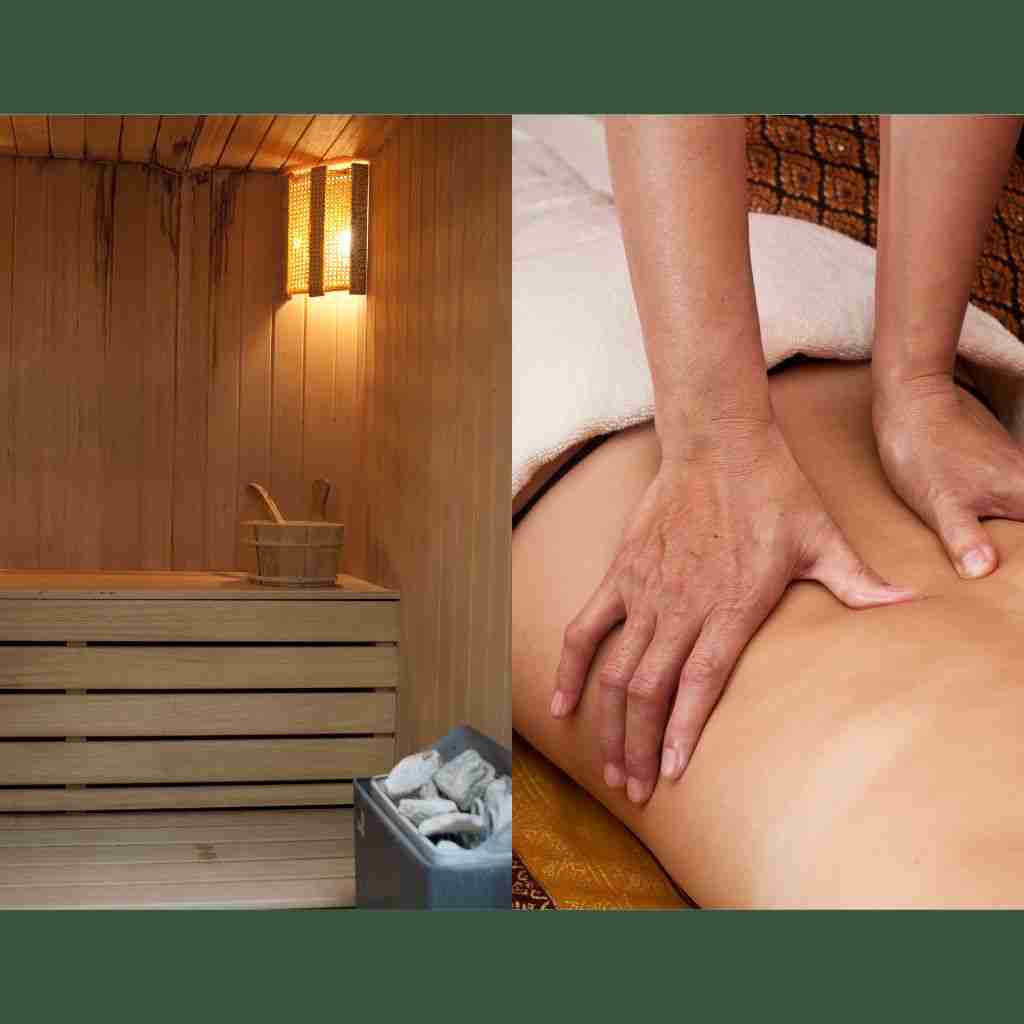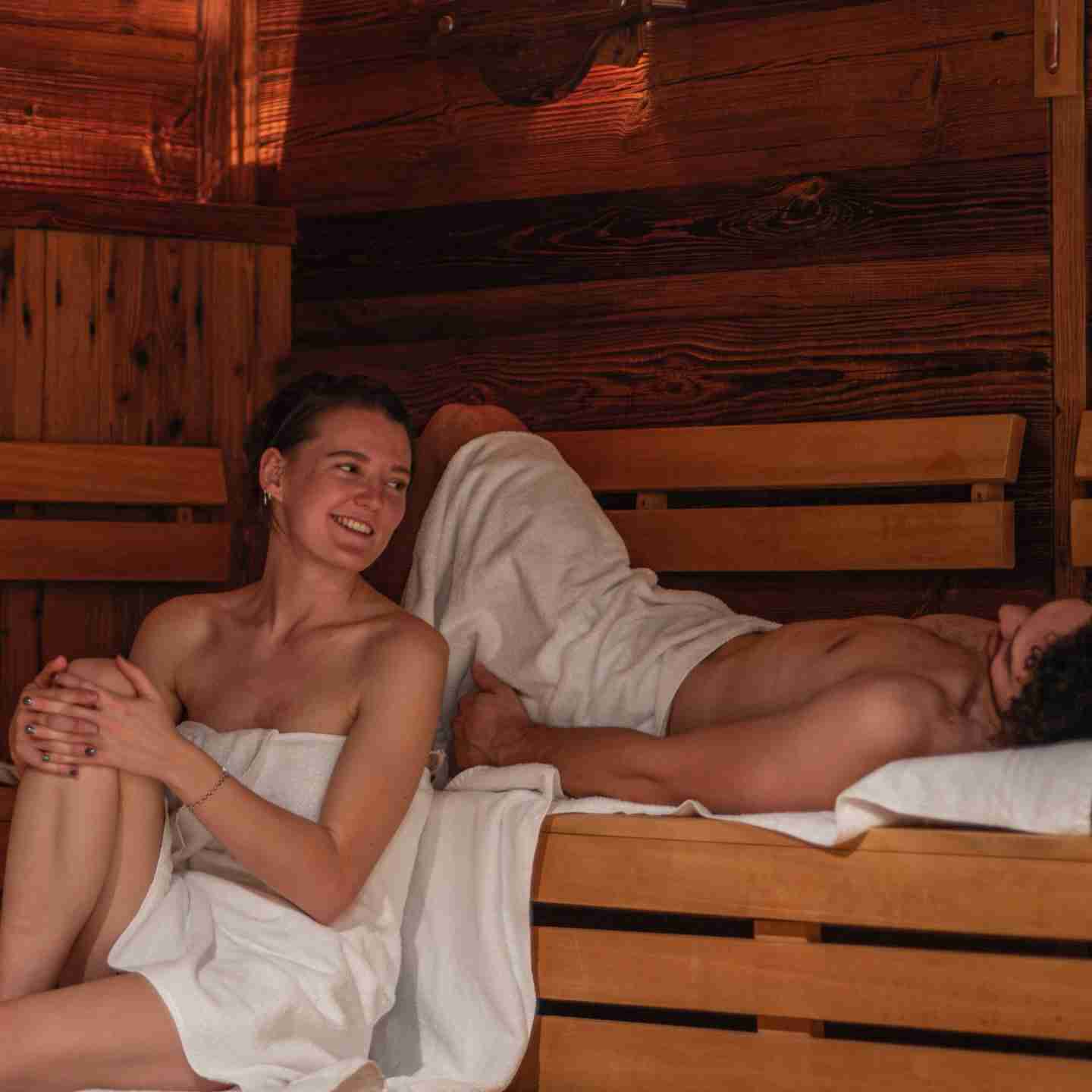
The Prelude: An Ancient Invitation to Radiance
For millennia, humanity has been drawn to the hearth—not merely for survival, but for a deeper kind of restoration that touches the soul. There is a primal magic in surrendering to the heat, a ritual that transcends geography and culture. From the smoke-blackened timber of a Finnish savusauna to the marble-clad warmth of a Roman caldarium, the act of stepping into a heated chamber is a deliberate pause in the chaotic rhythm of life. It is a sanctuary where time seems to liquefy, dripping away with every bead of sweat, leaving us to reconnect with our most elemental selves.
This tradition predates the modern obsession with multi-step skincare routines, elaborate packaging, and chemical exfoliants. It requires no subscription service, no plastic bottles, and no marketing gimmicks. Its ingredients are elemental: wood, fire, water, stone, and patience. Yet, in our contemporary era—dominated by “miracle” serums, high-tech facial gadgets, and the relentless pursuit of instant perfection—we often overlook this humble, historical therapy.
This brings us to a compelling inquiry: In an age of advanced dermatology, can the simple act of sitting in a hot wooden room truly rival or enhance our modern skincare arsenal? Before we dismiss it as mere folklore or blindly accept it as a panacea, we must strip away the myths. We must step inside the heat, inhale the scent of roasted cedar, and examine the convergence of ancient wisdom and modern dermatological science regarding the practice of sauna bathing.
Part 1: The Physiology of Heat and Dermal Response
When you cross the threshold into a sauna, you are not just entering a warm room; you are initiating a complex physiological cascade that fundamentally alters how your skin functions. The skin, our body’s largest organ, acts as both a barrier and a gateway, and the heat serves as a master key.
1. The Hemodynamic Surge (Circulation)
The most immediate effect of sauna heat is vasodilation. As your core temperature rises, your body works to cool itself down by expanding the blood vessels and capillaries near the skin’s surface. This process acts like a microscopic irrigation system. Blood flow to the skin can increase remarkably, delivering a rich payload of oxygen and vital nutrients to the dermal layers. This “inner nourishment” is crucial for cellular repair and collagen synthesis, often resulting in that characteristic post-sauna rosy glow—a visible sign of a revitalized circulatory system.
2. The Pore Mechanism
Contrary to popular belief, pores do not have muscles to “open” and “close” like doors. However, the heat relaxes the surrounding skin tissue and softens the sebum (oil) that has hardened within the follicle. Imagine a jar of coconut oil; solid at room temperature, it becomes liquid when warmed. The sauna creates a similar effect on the waxy plugs of debris and dead skin cells lodged in your pores, making them significantly easier to evacuate.
3. The Diaphoretic Flush (Sweating)
Sweating is the body’s natural air-conditioning system, but it serves a secondary function as a fluid transport mechanism. As sweat flows from the eccrine glands, it carries with it salts, water, and trace impurities from the skin’s surface. This outward flow acts as a mechanical flush, physically pushing out bacteria and particulate matter that accumulates throughout the day. It is a gentle, biological exfoliation that requires no scrubbing.
Part 2: The Multifaceted Benefits for the Complexion
Is the sauna truly beneficial for the skin? The consensus among wellness experts and dermatologists is a resounding yes—provided it is utilized correctly. The benefits extend far beyond surface aesthetics.
Deep-Level Detoxification
While the liver and kidneys are the body’s primary filtration organs, the skin plays a supportive role. A heavy sweat session helps purge the skin of surface pollutants—dust, grime, and cosmetic residue—that a simple face wash might miss. This deep clean helps maintain a pristine environment where healthy skin flora can thrive.
Enhanced Dermal Elasticity
The boost in circulation does more than just feed the cells; it stimulates the fibroblasts, the cells responsible for producing collagen and elastin. Over time, regular heat exposure, similar to facial massage, can help maintain the skin’s turgidity and bounce. Research, including studies cited in Mayo Clinic Proceedings, suggests that habitual sauna bathing is associated with better skin hydration retention and a more stable epidermal barrier, effectively keeping the skin younger, longer.
Reduction of Systemic Inflammation
Many skin issues, from blotchiness to certain types of dermatitis, are rooted in inflammation. Heat stress (in controlled bursts) triggers the release of anti-inflammatory markers in the body. By calming the systemic inflammatory response, the sauna can help soothe redness and irritation, leaving the complexion looking calmer and more even-toned.
The “Sponge Effect” for Products
Post-sauna skin is in a prime state of receptivity. With the sebum softened and the dead skin cells sloughed away by sweat, the barrier is temporarily more permeable. This means that the high-quality moisturizers, serums, or facial oils you apply immediately after your session can penetrate deeper and work more effectively.
Part 3: The Acne Paradox – Friend or Foe?
The relationship between heat and acne is nuanced, leading to the frequent question: Will the sauna cure my breakouts? The answer lies in the balance between mechanism and hygiene.
The Mechanism of Clearance
For non-inflammatory acne (blackheads and whiteheads), the sauna is often a powerful ally. By liquefying the sebum that creates these plugs, the heat prepares the skin for effective cleansing. Furthermore, the sauna is a profound stress reliever. High levels of cortisol (the stress hormone) are a known trigger for sebum overproduction and inflammatory breakouts. by lowering cortisol, the sauna attacks acne at its hormonal root.
The Bacterial Caveat
However, for active, inflamed, or cystic acne, caution is paramount. The bacterium responsible for acne, Cutibacterium acnes, thrives in warm, moist environments. If sweat is allowed to sit on the skin for too long, it can create a breeding ground for bacteria.
The Golden Rules for Acne-Prone Skin:
- The Pre-Rinse: Always enter the sauna with a clean face. Makeup and sunscreen can melt into pores under heat, causing occlusions.
- The Post-Cleanse: This is non-negotiable. You must wash your face immediately after the session to remove the excreted waste and salt, which can be irritating.
- The Temperature Check: Extremely high heat can exacerbate inflammation in sensitive, cystic acne. Moderate temperatures are safer.
Part 4: Tailoring the Heat to Your Skin Type
The sauna is an egalitarian space, but your skin’s tolerance is unique. Customizing your approach ensures you reap the rewards without the risks.
For Dry and Dehydrated Skin
- The Challenge: Heat causes water loss. For dry skin, this can lead to a tight, flaky feeling post-session.
- The Protocol: Limit your time to 10–15 minutes. Drink water during the session, not just after. Upon exiting, apply a hyaluronic acid serum immediately while the skin is still damp to bind moisture, followed by a rich occlusive cream to seal the barrier.
For Oily and Congested Skin
- The Challenge: Managing the purge of oil without over-stripping the skin.
- The Protocol: You can tolerate longer sessions. Utilize the heat to fully soften the pores. After the sauna, use a salicylic acid cleanser to dissolve the liquified oil. Avoid heavy butters; opt for a gel-based moisturizer that hydrates without clogging.
For Sensitive and Reactive Skin
- The Challenge: Heat induces redness (erythema) which can trigger rosacea or sensitivity flare-ups.
- The Protocol: Stick to lower temperatures or sit on the lower benches where the heat is less intense. Place a cool, damp cloth over your face while inside to protect the delicate facial capillaries. If you suffer from Rosacea, consult a dermatologist, as extreme heat is a common trigger.
Part 5: A Guide to Thermal Variations
The method of heating matters as much as the heat itself. Different sauna types offer distinct biological interactions.
1. Traditional Finnish Sauna (Dry Heat)
- Conditions: 80°C–100°C (176°F–212°F) with low humidity (10-20%).
- Skin Impact: The intense heat triggers the most profuse sweating, offering the deepest cleansing experience. The occasional löyly (steam from water on rocks) provides a brief burst of humidity, but this is primarily a dry environment. It is excellent for “toughening” the skin and maximizing circulation.
2. The Steam Room (Wet Heat)
- Conditions: 40°C–50°C (104°F–122°F) with 100% humidity.
- Skin Impact: This environment effectively hydrates the stratum corneum (the outermost layer of skin). It is superior for softening the skin and is often preferred by those with dry skin, though hygiene is critical here as mold and bacteria prefer moist environments.
3. Infrared Sauna (Radiant Heat)
- Conditions: 45°C–60°C (113°F–140°F).
- Skin Impact: Instead of heating the air, infrared light penetrates the body’s tissues directly. This allows for a vigorous sweat at lower, more comfortable temperatures. Some studies suggest that specific wavelengths (Near-Infrared) can stimulate mitochondrial activity and collagen production, potentially offering anti-aging benefits beyond simple heat.
Part 6: Two New Features for the Modern Bather
To elevate this guide beyond the basics, we introduce two advanced features that integrate holistic wellness with skincare.
Feature 1: The “Contrast Glow” – Synergizing Cold Therapy with Heat
While the sauna provides the “opening” and “relaxing” of the skin, the cold cycle is where the “tightening” and “training” happens. This is known as Contrast Hydrotherapy.
- The Concept: After 15 minutes of heat, you immerse yourself in cold water (a shower, plunge pool, or snow) for 30–60 seconds.
- The Skin Benefit: The heat dilates blood vessels, filling the skin with blood. The sudden cold causes them to constrict rapidly. This “pump” action strengthens the vascular walls of the capillaries, potentially reducing the appearance of broken capillaries and chronic redness over time.
- The Cosmetic Effect: The cold shock instantly reduces puffiness, particularly around the eyes and jawline, and tightens the appearance of pores. It leaves the skin feeling firm, awake, and incredibly smooth.
- How to Do It: Always end on cold if you want to close the pores and invigorate the skin. End on warm if you want to relax and prepare for sleep.
Feature 2: Nutritional Radiance – The Internal Skincare Strategy
You cannot out-sauna a poor diet or dehydration. To maximize the skin benefits of the sauna, you must support the process internally.
- The Electrolyte Factor: Sweat is not just water; it is a loss of sodium, potassium, and magnesium. Losing these minerals leads to dehydrated, lackluster skin that looks “flat.”
- The Protocol: Do not just drink plain water. Add a pinch of sea salt and a squeeze of lemon, or use an electrolyte powder, before you step in. This ensures your cells retain hydration even as you sweat.
- Antioxidant Loading: The increased metabolism from heat can produce free radicals. Counter this by consuming an antioxidant-rich snack post-sauna—think dark berries, green tea, or a Vitamin C supplement. This protects the collagen you are trying to preserve.
- The Omega Connection: To prevent the skin from drying out, ensure your diet is rich in Omega-3 fatty acids (salmon, flaxseed, walnuts). These healthy fats reinforce the skin’s lipid barrier, making it more resilient to the drying effects of heat.

Part 7: The Ultimate Skin-Smart Sauna Ritual
Transform a routine sweat into a spa-level facial treatment with this step-by-step guide.
Phase I: Preparation (The Shield)
- Hydrate: Drink 500ml of mineralized water.
- Cleanse: Use a gentle oil-based cleanser to remove makeup and sunscreen. Do not use harsh foaming cleansers yet.
- Protect: If you have long hair, apply a leave-in conditioner and wrap it in a towel to protect it from drying out.
Phase II: The Session (The Release)
- Enter: Step into the sauna. Sit on a towel to ensure hygiene.
- Breathe: Close your eyes. Visualize the stress leaving your body.
- Monitor: Listen to your skin. If it starts to sting or itch excessively, exit immediately.
- Optional: If in a steam room, this is the perfect time to gently massage the face with your fingertips to encourage lymphatic drainage.
Phase III: The Restoration (The Glow)
- Rinse: Shower with lukewarm water to remove the sweat.
- The Shock (Optional): Finish with a 30-second blast of cold water.
- Treat: While skin is damp, apply a Vitamin C serum (for brightness) or a Peptide serum (for firming).
- Seal: Apply a generous layer of moisturizer.
- Rest: Sit quietly for 10 minutes to allow your body temperature to normalize.
Part 8: Dispelling the Steam – Myths vs. Reality
Myth 1: “You can sweat out 100% of toxins.”
Reality: The idea that sweat is a major detox pathway for heavy metals and industrial toxins is scientifically overstated. The liver and kidneys do 99% of this work. The sauna supports these organs by improving circulation, but it is not a replacement for them. View sweat as a “surface cleaner,” not a deep internal vacuum.
Myth 2: “The hotter, the better.”
Reality: Extreme heat can damage the skin barrier and cause broken capillaries (telangiectasia). The “sweet spot” is where you are sweating profusely but not feeling dizzy or burning. Skin health is a marathon, not a sprint.
Myth 3: “Sauna dries out acne.”
Reality: While it can dry out active pustules, over-drying signals the skin to produce more oil to compensate. This rebound effect can lead to worse breakouts later. Hydration is key to preventing this cycle.
Part 9: Frequently Asked Questions (FAQs)
Q1: How often should I use the sauna to see improvements in my skin?
Answer: Consistency is more important than intensity. For visible improvements in skin texture and tone, aim for 2 to 3 sessions per week. A single session provides a temporary “glow” due to increased blood flow, but long-term benefits like improved elasticity and collagen maintenance require regular exposure. However, daily use might be too drying for some skin types, so listen to your body.
Q2: Can I wear a sheet mask or face mask inside the sauna?
Answer: Generally, it is not recommended to wear a sheet mask inside a dry sauna. The intense heat can dry out the serum on the mask rapidly, causing it to adhere to your skin and potentially causing irritation. Furthermore, the goal is to let the pores sweat freely; blocking them with a mask can inhibit this process. However, in a steam room, a clay mask can be effective as the steam keeps it moist, but applying a hydrating mask after your session—when your skin is clean and absorbent—is the most effective strategy.
Q3: Is the sauna safe if I have fillers or Botox?
Answer: You should wait at least 24 to 48 hours after receiving injectable treatments like Botox or dermal fillers before entering a sauna. Extreme heat causes vasodilation (widening of blood vessels), which could theoretically increase the migration of the product or increase swelling and bruising at the injection site. Always consult your aesthetic injector for their specific aftercare advice.
The Conclusion: A Return to Simplicity
The sauna is not a magic eraser for every dermatological flaw, nor is it a substitute for medical treatment. However, it stands as one of nature’s most enduring and effective tools for self-care. It operates on a principle that the modern world often forgets: that beauty is a byproduct of health.
When we step into the heat, we are doing more than sweating. We are stimulating the rivers of our blood, calming the storms of our stress hormones, and physically shedding the weight of the day. By treating the skin gently before and after—honoring it with hydration, cleanliness, and rest—we allow the sauna to reveal a natural, vital glow that no highlighter can mimic.
In a world addicted to instant, artificial results, the sauna invites us to embrace a slower, deeper kind of beauty. It asks us to breathe, to endure, and to emerge not just cleaner, but renewed. It is a reminder that sometimes, the best thing you can do for your skin is simply to stop, sit, and let the warmth do the work.