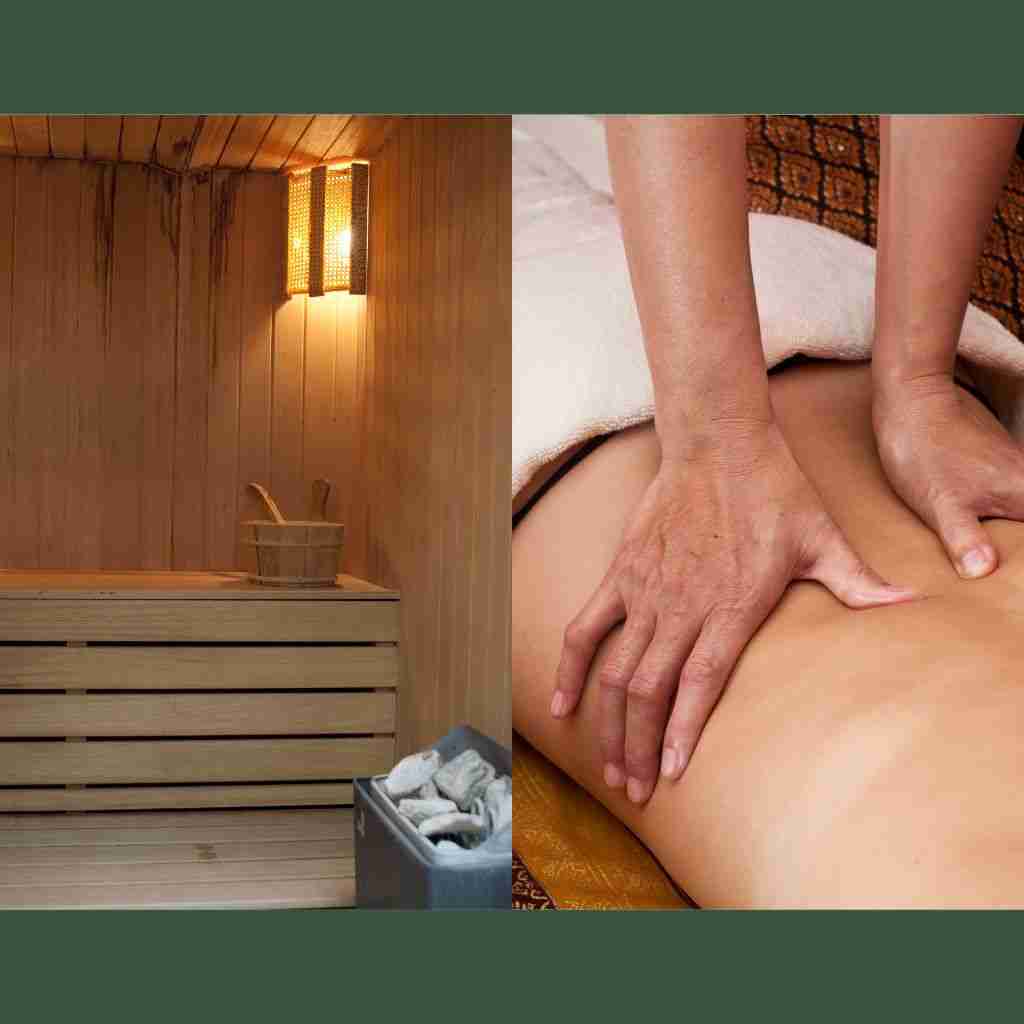
Introduction: The Intersection of Ancient Tradition and Modern Weight Loss Myths
In the expansive world of health and wellness, few practices bridge the gap between ancient tradition and modern luxury quite like the sauna. For millennia, cultures ranging from the stoic Finns to the bath-loving Romans and the spiritual sweat lodge practitioners of the Americas have revered the restorative power of heat. Today, the sauna has migrated from the snowy forests of Scandinavia to the slick interiors of high-end gyms and health clubs, becoming a staple in the routines of athletes, celebrities, and wellness enthusiasts alike. Amidst the steam and the silence, a compelling question arises for those navigating the complex journey of weight management: Can you essentially sit your way to a slimmer body?
The allure is undeniable. Weight loss is notoriously difficult, often requiring a grueling combination of dietary restraint and physical exertion. The prospect that one could enter a wooden room, relax on a bench, and sweat away unwanted pounds feels like the ultimate loophole in the laws of thermodynamics. When you sit in a sauna, you certainly feel physiological changes occurring—the sweat pours, the heart pounds, and the skin flushes. It feels like work. It feels like a workout.
However, the biology of weight loss is rarely so simple. To truly understand whether the sauna is a legitimate tool for fat loss or merely a generator of temporary results, we must look past the marketing hype and examine the physiological mechanisms at play. This comprehensive guide will dissect the science of heat stress, analyze the difference between fluid loss and fat oxidation, and explore how to strategically integrate sauna usage into a broader, healthy lifestyle. We will separate the myth from the metabolic reality, providing you with a definitive answer on whether the heat can help you shrink your waistline.
1. The Physiology of Heat: How High Temperatures Transform Your Body
To comprehend the relationship between saunas and weight loss, one must first understand the dramatic physiological events that occur when the human body is exposed to extreme heat. Whether you are stepping into a dry Finnish sauna heated to 185°F (85°C) or an infrared cabin, you are subjecting your body to a controlled form of thermal stress.
The Thermoregulatory Response
The human body is a biological machine obsessed with homeostasis, constantly striving to maintain a core temperature of approximately 98.6°F (37°C). When environmental temperature spikes, the hypothalamus—the brain’s internal thermostat—sounds the alarm. To prevent overheating, the body initiates a two-pronged cooling strategy: vasodilation and perspiration.
Cardiovascular Acceleration
Vasodilation is the widening of blood vessels, particularly those near the surface of the skin. This process allows warm blood from the core to flow to the periphery, where heat can be released into the environment. To facilitate this massive redistribution of blood volume, the heart must work significantly harder. In a typical 20-minute sauna session, a person’s heart rate can elevate from a resting 60 beats per minute to a brisk 110–120 beats per minute. In sessions with intense heat, it can even reach levels comparable to moderate-intensity cardiovascular exercise. This cardiac drift is the primary reason many people associate sauna bathing with a “workout.”
The Mechanics of Sweating
Simultaneously, the eccrine glands are triggered to release sweat. As this moisture evaporates from the skin, it draws heat energy away from the body, cooling the blood. This process is energy-intensive and fluid-intensive. It is not uncommon for an individual to lose between 0.5 to 1 liter of fluid during a single session. While this response is critical for survival in the heat, its implications for long-term weight management are often misunderstood.
2. The Calorie Burning Debate: separating Fact from Fiction
One of the most pervasive myths in the fitness industry is the idea that sweating is a direct indicator of calorie burning. The logic seems sound: if you are sweating profusely and your heart is racing, you must be incinerating fat. However, this is a correlation, not a causation.
Passive vs. Active Energy Expenditure
While it is true that the body burns calories to produce sweat and pump blood, the energy cost of these autonomic functions is vastly lower than the energy cost of moving skeletal muscle. When you run, cycle, or lift weights, your muscles demand massive amounts of ATP (adenosine triphosphate) for contraction, leading to significant caloric expenditure. In a sauna, your muscles are largely at rest.
Quantifying the Burn
Scientific estimates suggest that sitting in a sauna may increase your metabolic rate by roughly 20% to 25% over your resting baseline. For an average-sized adult male, sitting on the couch might burn 40 calories in 30 minutes. Sitting in a sauna for the same duration might burn 50 to 75 calories. While this is technically an increase, the “net profit” of 10 to 35 extra calories is negligible in the context of weight loss. To put it in perspective, that difference is roughly equivalent to a few bites of an apple. It is certainly not the caloric furnace that a 500-calorie spin class would be.
The “Afterburn” Effect
There is some discussion regarding Excess Post-exercise Oxygen Consumption (EPOC) following heat exposure. The theory is that the body continues to burn calories at a higher rate as it works to cool down and return to baseline after you exit the sauna. While this effect exists, it is minimal compared to the EPOC generated by High-Intensity Interval Training (HIIT) or heavy resistance training.
3. The Scale Deception: Water Weight vs. Adipose Tissue
If the calorie burn is so modest, why do MMA fighters, boxers, and jockeys rely on saunas to make weight before competitions? The answer lies in the distinction between body mass and body composition.
The Fluid Dynamic
The human body is approximately 60% water. This water is stored in the blood, in the spaces between cells, and inside the cells themselves. The sauna is an exceptionally efficient tool for extracting this water. Through intense perspiration, a person can easily drop 2, 3, or even 5 pounds of scale weight in a single session.
However, this reduction is almost exclusively fluid loss. It is not the oxidation of fat stores. The moment you step out of the sauna and consume water—which is biologically imperative for your safety—your body will aggressively reabsorb the fluid to restore its equilibrium. The weight returns almost instantly. For an athlete needing to hit a specific number on a scale for a weigh-in, this temporary drop is useful. For the average person seeking to change their body shape or lose body fat, it is a deceptive illusion that can lead to frustration.
The Psychological Trap
Relying on post-sauna weigh-ins can create a dangerous psychological cycle. Seeing the number drop provides a dopamine hit of success, but seeing it return the next morning can cause discouragement. It is crucial to decouple the concept of “sweating” from “fat loss.” They are distinct physiological processes.
4. Indirect Pathways: How Saunas Support a Weight Loss Lifestyle
While the sauna is not a magic fat-burning booth, it would be a mistake to dismiss it entirely. Its true value in a weight loss journey lies not in the direct burning of calories, but in its ability to support the systems that make weight loss possible. It is a facilitator, not a driver.
Cortisol and Stress Management
Chronic stress is a known metabolic saboteur. When we are stressed, our bodies release cortisol, a hormone that, when chronically elevated, encourages the storage of visceral fat (belly fat) and breaks down muscle tissue. Cortisol also drives cravings for high-sugar, high-fat comfort foods. The sauna acts as a sanctuary for the nervous system. The heat helps switch the body from a sympathetic “fight or flight” state to a parasympathetic “rest and digest” state. By lowering systemic stress and regulating cortisol, regular sauna use can help mitigate stress-induced overeating and create a hormonal environment more conducive to weight loss.
Sleep Optimization
Poor sleep is strongly linked to obesity. Sleep deprivation disrupts the hormones ghrelin (which signals hunger) and leptin (which signals fullness), leading to increased appetite. The thermal regulation involved in sauna bathing—heating up and then cooling down—mimics the body’s natural circadian rhythm signals for sleep. Improved sleep quality means better impulse control and better metabolic function the next day.
5. Navigating the Options: Traditional, Infrared, and Steam
Not all heat therapy is created equal. Understanding the differences between sauna types can help you choose the best option for your comfort and goals.
Traditional Dry Saunas
The classic Finnish sauna relies on convection heat. A stove heats the air to high temperatures (150°F–195°F), which then heats your skin. The humidity is low (10-20%). This intense heat triggers a rapid and heavy sweat response and provides the most significant cardiovascular challenge.
Infrared Saunas
Infrared saunas use light panels to emit electromagnetic radiation that is absorbed directly by the skin. They operate at lower ambient temperatures (120°F–140°F) but penetrate deeper into the tissue (up to 1.5 inches). Many users find they can tolerate infrared saunas for longer periods (30–45 minutes), which may sustain the elevated heart rate for a longer duration than a short burst in a traditional sauna. While some marketers claim infrared light liquefies fat cells, current scientific evidence does not support this; the weight loss benefits remain tied to the same thermoregulatory mechanisms as traditional saunas.
Steam Rooms
Steam rooms are airtight spaces filled with moist heat. While the temperature is lower (around 110°F–120°F), the humidity is near 100%. This prevents sweat from evaporating, which makes the body feel much hotter and interferes with the cooling mechanism. While excellent for respiratory health, the “sweat” in a steam room is often just condensation of water on the skin, making it harder to gauge actual fluid loss.
6. Safety First: The Fine Line Between Benefit and Risk
The sauna is generally safe for healthy adults, but it is an extreme environment that demands respect. Misusing the sauna in the pursuit of weight loss can lead to dangerous consequences.
The Dangers of Dehydration
The primary risk is severe dehydration. Losing too much fluid thickens the blood, putting strain on the heart and kidneys. Symptoms include dizziness, headache, nausea, and muscle cramps. If you stop sweating while in the sauna, this is a critical medical emergency sign of heat stroke.
Contraindications
Individuals with uncontrolled high blood pressure, heart arrhythmias, or unstable angina should avoid saunas. The rapid drop in blood pressure that can occur upon standing (orthostatic hypotension) is also a risk. Pregnant women are generally advised to avoid saunas due to the risks associated with raising core body temperature.
Feature 1: Heat Shock Proteins – The Cellular Heroes
One of the most scientifically compelling reasons to use a sauna, which indirectly supports a healthy metabolism, is the activation of Heat Shock Proteins (HSPs).
What are they? HSPs are a family of proteins that are produced by cells in response to exposure to stressful conditions, specifically thermal stress. They act as “molecular chaperones.”
The Metabolic Connection: HSPs ensure that other proteins in the cell function correctly and maintain their 3D structure. They play a vital role in cellular repair, reducing inflammation, and protecting against oxidative stress. Research suggests that HSPs can improve insulin sensitivity. Insulin resistance is a precursor to type 2 diabetes and a major factor in stubborn weight gain. By improving how your cells handle insulin, regular heat exposure may help your body manage blood sugar levels more effectively, preventing the storage of excess glucose as fat. While you sit there sweating, your cells are performing a microscopic cleanup operation that supports your long-term metabolic health.
Feature 2: The Mindful Approach – Meditation in the Heat
Transforming your sauna session from a passive “wait” into an active mental practice can amplify its weight-loss supporting benefits. This involves integrating mindfulness and breathwork.
The Technique: Instead of reading a magazine or scrolling on a phone (which often overheat anyway), use the sauna time for Box Breathing (inhale 4 seconds, hold 4, exhale 4, hold 4).
Why it helps weight loss: Conscious breathing stimulates the vagus nerve, which dictates the body’s relaxation response. This further lowers cortisol levels beyond the heat effect alone. Furthermore, practicing mindfulness increases “interoception”—the awareness of bodily sensations. High interoception is linked to better intuitive eating habits; being more in tune with your body can help you distinguish between emotional hunger and physical hunger, a crucial skill for dietary success.
Frequently Asked Questions (Expanded)
Q1: Can saunas help reduce the appearance of cellulite?
Answer: Cellulite is the result of subcutaneous fat pushing through the fibrous connective tissue bands under the skin, creating a dimpled texture. There is no scientific evidence that heat can permanently dissolve these fat deposits or restructure the connective tissue. However, the intense increase in circulation and heart rate caused by the sauna can cause a temporary “plumping” effect in the skin and a reduction in water retention. This might make skin appear smoother and tighter immediately after a session, reducing the visual appearance of cellulite for a few hours. Unfortunately, this is a temporary cosmetic effect that will fade as the body cools and rehydrates.
Q2: Is it true that you burn more calories in a sauna if you are overweight?
Answer: Yes, generally speaking. Caloric expenditure is tied to body mass. A person who weighs 250 pounds requires more energy to function than a person who weighs 150 pounds. Consequently, the heavier individual will have a higher Basal Metabolic Rate (BMR) and will burn more calories both at rest and during heat stress. The cardiovascular system of a heavier person has to work harder to pump blood and regulate temperature, leading to a slightly higher caloric burn. However, the difference is not exponential and does not transform the sauna into a highly effective standalone weight loss method for any body type.
Q3: Should I drink cold water or warm water during a sauna session?
Answer: Hydration is non-negotiable, but the temperature of the water is largely a matter of preference. Drinking ice-cold water while in the sauna can help regulate your core temperature, allowing you to potentially stay in the heat slightly longer without feeling overwhelmed. It provides a refreshing contrast that many users find pleasant. However, drinking room temperature water is easier for the body to absorb quickly in large volumes. The most important factor is not the temperature, but the volume and the content. Consider adding electrolytes (sodium, potassium, magnesium) to your water, as you lose these minerals rapidly through sweat. Plain water replaces fluid, but electrolytes replace the electrical conductors your muscles and nerves need to function, preventing post-sauna headaches and fatigue.
Conclusion: The Verdict on Heat and Health
So, does the sauna hold the key to effortless weight loss? If you are looking for a miracle cure that allows you to bypass the kitchen and the gym, the answer is a resounding no. The calories burned are modest, and the weight lost is almost entirely water that must be replaced. Relying on the sauna as your primary strategy for fat loss is a recipe for disappointment and dehydration.
However, if you view the sauna through a wider lens—as a recovery tool, a stress-reducer, and a metabolic support system—it becomes an invaluable ally. By helping you sleep better, recover faster from workouts, and lower the stress hormones that cling to belly fat, the sauna creates the ideal physiological environment for your other efforts to take root. It makes the hard work of diet and exercise sustainable.
The best path to a healthy weight remains a balanced diet and regular physical activity. But adding a few sessions of heat therapy to your week can be the relaxing, restorative reward that keeps you on track. Enjoy the sweat, respect the heat, and hydrate well—your body will thank you for it.
Disclaimer: The information provided in this article is for educational purposes only and is not intended as medical advice. Always consult with a healthcare professional before starting any new health regimen, especially involving heat therapy, to ensure it is safe for your specific medical history.