Introduction: The Allure of Heat in the Quest for Health
The journey toward achieving and maintaining a healthy weight is often paved with dedication, sweat, and a constant search for tools that might give us an edge. In the modern wellness landscape, we are bombarded with options, from high-intensity interval training apps and intricate dietary supplement regimes to the latest superfoods. Amidst the noise of high-tech solutions, an ancient practice remains a tantalizing prospect for those looking to slim down: the sauna.
There is an undeniable sensory experience that comes with stepping into a sauna. The intense heat wraps around you, your heart rate gently rises, and within minutes, beads of sweat begin to form. It feels like work is being done. It feels cleansing. It feels like you are literally melting something away. Given that sweating is universally associated with rigorous exercise, it is a completely natural leap of logic to wonder if sitting in a heated room can yield the same calorie-burning, fat-shredding results as a session on the treadmill.
Many people already incorporate sauna bathing into their routines for its profound ability to induce relaxation, soothe aching joints after physical activity, or simply escape the pressures of daily life. But the lingering question remains for the weight-conscious individual: beyond the relaxation, is the sauna truly an effective weapon in the battle against body fat?
The answer, unfortunately, is not a simple “yes.” The sauna is not a miraculous microwave that melts away adipose tissue while you sit still. However, dismissing it entirely would also be a mistake. While it is not a standalone solution for significant weight loss, regularly sweating it out in the heat can act as a surprising and supportive ally in a broader, holistic weight management journey. To understand the true role of the sauna, we must separate the temporary illusions from the physiological realities.
1. The Immediate Gratification: Understanding Water Weight vs. Fat Loss
The most persistent myth surrounding saunas and weight loss stems from the immediate results seen on the scale. It is an undeniable fact that if you weigh yourself immediately before stepping into a hot sauna and again immediately after stepping out, the number will be lower. For many, this is seen as irrefutable proof of progress.
However, it is crucial to understand physiological reality: this is not fat loss. It is almost exclusively fluid loss.
The human body is composed largely of water, and its total fluid volume can fluctuate significantly throughout a single day—sometimes by as much as 5%—based on hydration levels, salt intake, and environmental factors. The primary mechanism of the sauna is heat stress. To protect your internal organs and maintain a safe core temperature, your body activates its cooling system: perspiration.
As sweat evaporates from your skin, it cools the body down. This process requires a substantial amount of fluid to be drawn from your reserves. Some studies indicate that during a typical 30-minute sauna session, an average person might lose approximately 1% of their total body weight in sweat.
The critical takeaway is the temporary nature of this loss. This change on the scale is a reflection of dehydration, not a reduction in body fat percentage. The moment you rehydrate—which is absolutely vital for your health and safety after a session—that weight will return. Therefore, using the scale immediately post-sauna is a deceptive metric that tracks fluid balance rather than sustainable progress.
2. The Metabolic Engine: A Slight Boost Through Heat Stress
While the “melting fat” theory is largely a myth, there is a grain of truth to the idea that saunas increase calorie expenditure, though perhaps not to the extent many hope.
To understand this, we must look at basal metabolic rate (BMR)—the number of calories your body burns at rest just to keep vital functions going. When you expose your body to extreme heat, you are essentially forcing it to work harder to maintain homeostasis (internal balance).
The cardiovascular system responds to the heat similarly to how it responds to low-to-moderate intensity exercise. Your heart rate increases to pump more blood to the skin’s surface, facilitating heat exchange, and your sweat glands kick into high gear. This increased physiological demand requires energy, meaning you are burning more calories sitting in a hot sauna than you would be sitting on your couch at room temperature.
Furthermore, there is evidence of an “afterburn” effect, known scientifically as excess post-exercise oxygen consumption (EPOC). A small study involving sedentary, overweight men showed that after participating in repeated 10-minute sauna sessions separated by short breaks, their metabolic rates remained elevated for a period after they left the heat.
However, it is vital to keep expectations realistic. The caloric burn is generally minimal compared to actual physical exercise. While it may provide a slight metabolic nudge over time, it is not sufficient on its own to create the calorie deficit needed for substantial weight loss.
3. The Cortisol Connection: Lowering Stress to Manage Weight
Perhaps the most underrated yet powerful way a sauna supports weight management is not physical, but psychological. We live in a chronically stressed society, and chronic stress is a known saboteur of weight loss efforts.
When you are stressed, your body releases cortisol, often termed the “stress hormone.” Elevated cortisol levels over long periods can wreak havoc on your metabolism. High cortisol is linked to increased abdominal fat storage, higher blood sugar levels, and intense cravings for high-calorie “comfort foods” rich in sugar and unhealthy fats. Stress makes sticking to a balanced diet feel nearly impossible.
The sauna has been used for centuries primarily as a sanctuary for deep relaxation. The heat helps relax tense muscles, quiet the mind, and shift the nervous system from a sympathetic “fight or flight” state to a parasympathetic “rest and digest” state. By regularly using a sauna to lower your overall stress burden, you may indirectly help regulate cortisol levels. This makes it easier to make healthier food choices and reduces the likelihood of stress-induced eating, creating a psychological environment where weight loss is more achievable.
4. Navigating the Options: Traditional vs. Infrared Saunas
If you decide to incorporate heat therapy into your routine, you will likely encounter two main types of saunas. When it comes to weight management support, is one better than the other?
Traditional Saunas (Finnish Style):
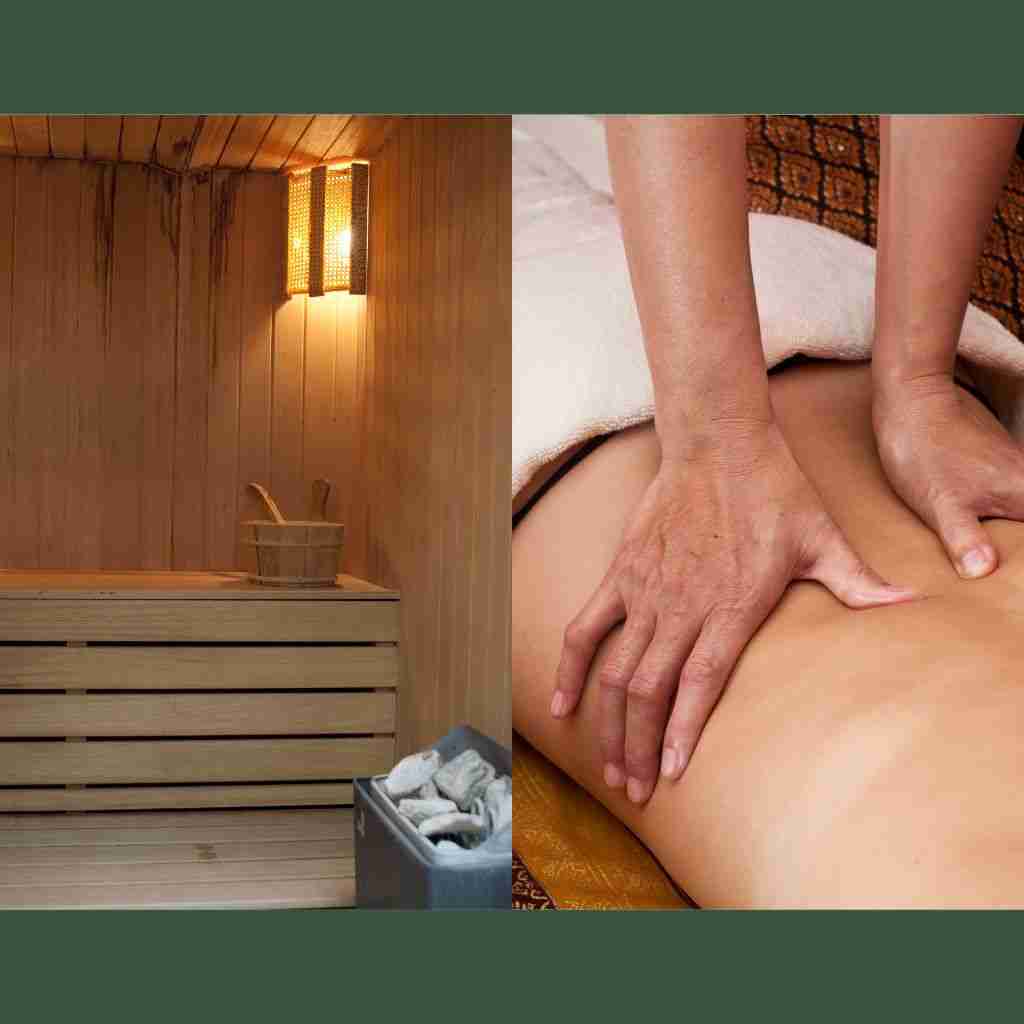
These are the classic, wood-lined rooms heated by an electric or wood-burning stove covered in rocks. The temperatures are typically high, often ranging between 150°F and 195°F (65°C to 90°C). The heat is primarily heating the air around you, which then heats your body. While generally dry, users often ladle water onto the hot rocks to create a burst of steam (known as löyly in Finnish), temporarily increasing humidity and the sensation of heat.
Infrared Saunas:
A more modern invention, infrared saunas use light to create heat. Instead of heating the air, infrared lamps (far, medium, or near-infrared wavelengths) emit light that is absorbed by the surface of the skin, heating the body directly. Because of this direct mechanism, infrared saunas operate at lower ambient temperatures, usually between 120°F and 140°F (49°C to 60°C), but still induce significant sweating.
Which is best for weight loss?
There is no definitive scientific consensus that one type is vastly superior to the other for weight loss. Both types will raise your core temperature, induce sweating (fluid loss), increase heart rate (minor calorie burn), and promote relaxation (stress reduction). The choice often comes down to personal preference: some love the intense, steamy heat of a traditional sauna, while others find the gentler, penetrating heat of an infrared sauna more tolerable for longer sessions.
5. Timing and Integration: Pre-Workout vs. Post-Workout
If you are exercising—which you should be for weight loss—when does the sauna fit in?
Using a sauna before a workout is generally not recommended. The primary goal pre-workout is to be well-hydrated and primed for activity. Initiating dehydration and raising your core temperature prematurely can decrease your exercise performance and increase the risk of overheating during your actual workout.
The general consensus among experts is that the sauna is best utilized after your exercise session, serving as a recovery tool. However, there is a crucial caveat: you must begin rehydrating immediately after your workout and before entering the sauna. You don’t want to enter a high-heat environment already depleted of fluids.
Post-workout sauna use may aid in recovery. The heat increases circulation, which can help flush out metabolic waste products from muscle tissue and bring nutrient-rich blood to areas needing repair, potentially easing delayed onset muscle soreness (DOMS). By helping you recover faster and feel less sore, the sauna may indirectly help you stick to your exercise regimen more consistently.
6. Safety First: Knowing the Risks and Limitations
While saunas are generally safe for most healthy adults when used responsibly, they are not without risks, especially when pursued aggressively for weight loss goals.
The most significant risk is dehydration and heat exhaustion or heat stroke. Pushing yourself to stay in longer to “sweat out more fat” is a dangerous game. Symptoms like dizziness, nausea, headache, extreme fatigue, or ceasing to sweat are signs that your body is overheating and you must exit immediately.
Furthermore, certain populations should exercise extreme caution or avoid saunas altogether unless cleared by a doctor. This includes individuals with:
- Uncontrolled high blood pressure or heart disease (the cardiovascular strain can be hazardous).
- Pregnant women (raising core body temperature can be harmful to the fetus).
- Those under the influence of alcohol (which increases dehydration risk and impairs judgment).
A sauna should never be relied upon as a primary method for weight loss. It is practically ineffective on its own. Sustainable weight management requires a foundation of tried-and-true strategies: a balanced diet rich in protein and fiber, regular cardiovascular and strength training exercise, adequate sleep, and consistent hydration.
New Feature 1: The Holistic Connection: How Heat Supports Healthy Habits
While the direct calorie burn of a sauna is negligible, its role in a holistic health ecosystem can be profound. Weight loss is rarely just about diet and exercise; it is about the synergy of various lifestyle factors. Here is how sauna use connects to other vital pillars of health that influence weight:
Enhancing Sleep Quality:
Poor sleep is strongly linked to weight gain and obesity. Lack of sleep disrupts hormones that regulate hunger (ghrelin and leptin), leading to increased appetite. Sauna use, particularly in the evening, can improve sleep quality. The process of raising your body temperature in the sauna, followed by the subsequent cooldown period after you exit, mimics the body’s natural circadian rhythm temperature drop that signals sleepiness. A more rested body is better equipped to manage weight.
Cardiovascular Mimicry:
Regular sauna use has been described by researchers as mimicking moderate cardiovascular exercise. While it doesn’t replace moving your body, it does train the cardiovascular system by improving the elasticity of blood vessels and lowering resting blood pressure over time. A healthier cardiovascular system means better endurance and capacity for actual exercise, creating a positive feedback loop for your fitness goals.
Detoxification Support:
While the liver and kidneys are your primary detox organs, skin is also an elimination pathway. Sweating can help mobilize certain environmental toxins, heavy metals, and BPA that can accumulate in body fat. While the “detox for weight loss” angle is often overstated in marketing, supporting the body’s natural elimination pathways reduces the overall toxic burden, potentially improving overall metabolic function.
New Feature 2: Optimizing Your Session: A Step-by-Step Guide
If you choose to use the sauna as a supportive tool in your weight management plan, approach it strategically to maximize benefits and ensure safety. Here is a simple protocol:
Step 1: The Pre-Game Hydration
Never enter a sauna thirsty. In the hour leading up to your session, drink at least 16–24 ounces of water. Avoid alcohol or excessive caffeine.
Step 2: The Warm-Up Shower
Take a quick, warm shower before entering. This cleanses the skin of lotions or dirt that might block pores and helps instigate sweating faster once inside. Dry off completely; sitting in a sauna wet can actually hinder the sweating process as the water on your skin evaporates and cools you too quickly.
Step 3: The Session (Listen to Your Body)
Enter the sauna. Beginners should start with shorter sessions, perhaps 10–15 minutes. More experienced users might stay in for 20–30 minutes. The “no pain, no gain” mentality does not apply here. If you feel lightheaded or uncomfortable, leave immediately.
Step 4: The Cool Down Cycle
Exit the sauna and cool your body down gradually. This could be sitting in normal room temperature air, stepping outside into cool air, or taking a cool (not shockingly frigid) shower. This cycle of heating and cooling assists in cardiovascular conditioning.
Step 5: The Vital Rehydration
This is the most critical step. You must replace the fluids you lost. Drink water or an electrolyte-rich beverage immediately. Do not rely on the scale drop; rehydrate until your urine is pale yellow.
Step 6: Rest
Allow your body 10–15 minutes to fully return to its baseline temperature before dressing and resuming your day.
Frequently Asked Questions
1. How many calories do you actually burn in a typical sauna session?
It is difficult to give a precise number because it depends heavily on your individual weight, gender, muscle mass, current fitness level, and the heat of the sauna. However, estimates suggest that a person might burn roughly 1.5 to 2 times more calories sitting in a sauna than they would sitting at rest. If you burn roughly 40 calories sitting on the couch for 30 minutes, you might burn between 60 and 80 calories in the sauna during that same time. It is a modest increase, roughly equivalent to eating half a large apple.
2. Is there any truth to the claim that saunas can help reduce cellulite?
Cellulite is caused by fat deposits pushing through connective tissue beneath the skin. There is no scientific evidence that sauna heat can “melt” these fat deposits or permanently remove cellulite. However, because saunas improve circulation and temporarily tighten the skin through dehydration, the appearance of cellulite might be marginally, though temporarily, reduced immediately following a session. The effect will fade as you rehydrate.
3. Can I use a sweat suit or extra clothing inside the sauna to burn more fat?
Absolutely not. This is an extremely dangerous practice that offers zero additional fat-loss benefits. Wearing heavy clothing, garbage bags, or “sweat suits” inside a sauna prevents sweat from evaporating, which is your body’s only way of cooling itself down in that environment. This leads to a rapid and dangerous spike in core body temperature, significantly increasing the risk of severe dehydration, heat stroke, and cardiovascular collapse. Never attempt this.
Conclusion: The Warm Reality Check
The allure of the sauna as a weight-loss tool is understandable; it feels intense, it feels purifying, and the immediate drop on the scale provides a burst of false hope. However, the reality is grounded in physiology: you are losing water, not fat.
Yet, this does not mean the sauna is without merit in your wellness journey. As a tool for holistic health, it shines. By utilizing the sauna to lower stress hormones that trigger fat storage, improve sleep quality so your body regulates appetite better, and aid in muscle recovery so you can return to the gym faster, it becomes a valuable supporting player.
Ultimately, lasting weight composition change is built on the foundation of consistent nutritional choices and physical movement. The sauna is not the foundation itself, but rather a relaxing, restorative brick that can help strengthen the overall structure of a healthy lifestyle. If you enjoy the heat, by all means, sweat it out—just do it for the right reasons, and keep your water bottle handy.