Far infrared saunas are no longer confined to the fitness world. They are now found in homes, spas, rehabilitation centers and wellness studios. The more popular it gets, the more confused it becomes. When it comes to the words used to describe the product, buyers will hear things such as far infrared, near infrared, full spectrum, carbon heaters and a lot of low EMF, but they have a hard time distinguishing between them.
This is a simplified explanation of how a far-infrared sauna generates heat. It contrasts the primary infrared configurations currently on the market. It also considers construction quality, electrical requirements and performance factors which are relevant for practical application.
Understanding How a Far Infrared Sauna Produces Heat
Before comparing models, it helps to understand the basic heating principle behind these cabins.
How Far Infrared Heating Differs from Conventional Sauna Heating
Direct radiant heating: Far infrared heaters send radiant energy straight toward the person sitting inside and toward the interior surfaces around them. The cabin is not relying only on superheated air to create warmth. This is the main difference from a traditional steam or wood-fired sauna.
Lower temperature sauna experience: Many people prefer infrared cabins over the extremely hot cabins of traditional saunas. Sessions are typically held at 110-140 degrees Fahrenheit, which is lower than the temperature of a traditional sauna. A lower ambient temperature can facilitate longer sessions without it being too hot.
Far Infrared, Near Infrared, and Full Spectrum Systems
Once you understand the basic heating method, it becomes easier to compare the different infrared categories on the market.
Far infrared saunas
The units are designed to provide even and wide coverage of radiant heat throughout the cabin. Carbon panels, ceramic elements or a combination of both are often used by manufacturers for even distribution.
Near infrared saunas
Near infrared saunas operate on a shorter wavelength than far infrared models. They should not be treated as interchangeable products. Heater placement, the sensation of heat and the intended use case can differ quite a bit between the two.
Full spectrum infrared saunas
Full spectrum cabins combine near, mid and far infrared technology inside one unit. This gives buyers flexibility but it also means more variables to check. Heater layout, control complexity and overall cost usually need closer review before purchase.
Important Terms Buyers Should Understand
A few technical terms come up again and again during sauna shopping. Knowing what they mean prevents costly mistakes.
Heater wattage versus usable performance
You can have a more comfortable session with a lower wattage rating. The amount of wattage is important, but solely based on a spec sheet isn’t reflective of real performance. The size of the cabin, the quality of the insulation, efficiency of the heater and how much of the space is covered by panels all have a say in how well it performs.
Heat up time and temperature stability
How quickly a cabin reaches operating temperature depends on construction and heater distribution. Stable and even heating across the whole space often matters more than hitting a maximum temperature figure.
Evaluating the Construction and Performance of a FIR Sauna
With the terminology covered, we can now look at what separates a well-built sauna from a poorly built one.
Heater Type and Heater Placement
Carbon panel heaters: Carbon panels offer wide surface coverage and fairly even heat distribution. They are typically installed behind the backrest, along the side walls, near the calves and sometimes under the floor.
Ceramic and hybrid heaters: Ceramic elements can produce more concentrated heat from a smaller surface area. Hybrid systems blend heater types to balance intensity with broader coverage across the cabin.
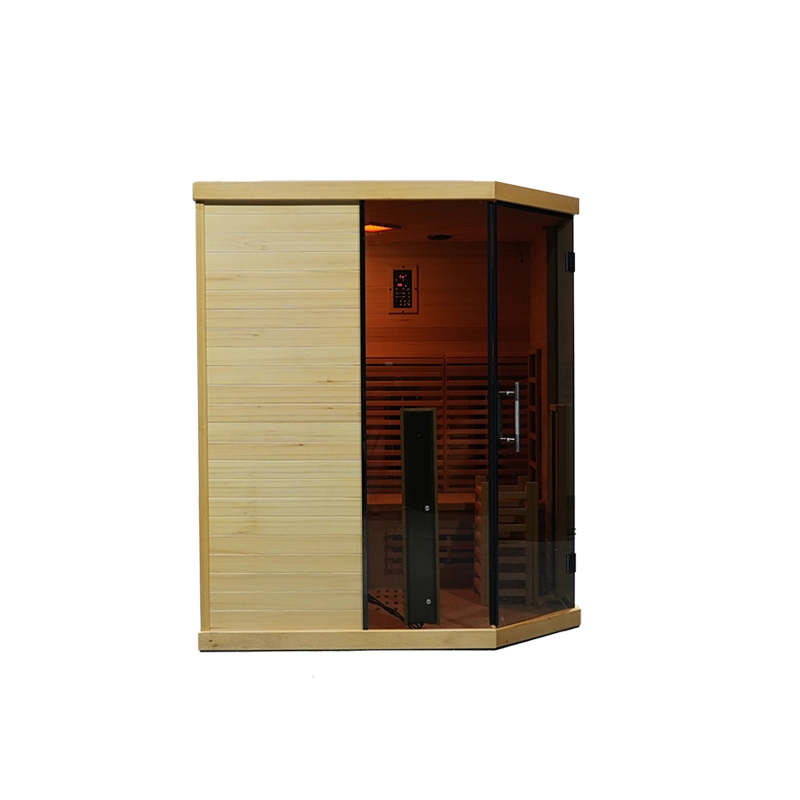
Full body heater coverage: Check whether heat reaches the back, sides, legs and feet evenly. Avoid cabins that concentrate most of their output in just one zone since this leads to an uneven and less comfortable session.
Cabin Materials and Structural Quality
Heater performance only matters if the surrounding cabin is built to support it properly.
Wood selection
The cabins are typically built with hemlock or cedar and other heat-resistant woods for walls and benches. Check the strength, look, natural scent, moisture resistance and sustainable sourcing of wood.
Insulation and heat retention
Doors and walls have a direct impact on the efficiency of a sauna. While the large glass panels are attractive and can allow more heat to be retained through proper insulation and sealing, they have the potential to reduce heat retention.
Interior safety and durability
Identify and examine benches, backrests, fasteners, adhesives, wiring and heat resistant materials before purchase. Surfaces need to be easy to clean and durable for use in commercial spaces, particularly.
Electrical and Installation Requirements
Even the best built building requires the appropriate electrical arrangement to operate properly and safely.
Power supply
Confirm voltage, amperage, plug type and whether a dedicated circuit is required before placing an order. Imported or customized units may need adjustments for regional electrical standards.
Space planning
Measure ceiling height, doorway width, floor loading and access routes ahead of delivery. Leave enough clearance around the unit for assembly, maintenance and proper ventilation.
Indoor and outdoor placement
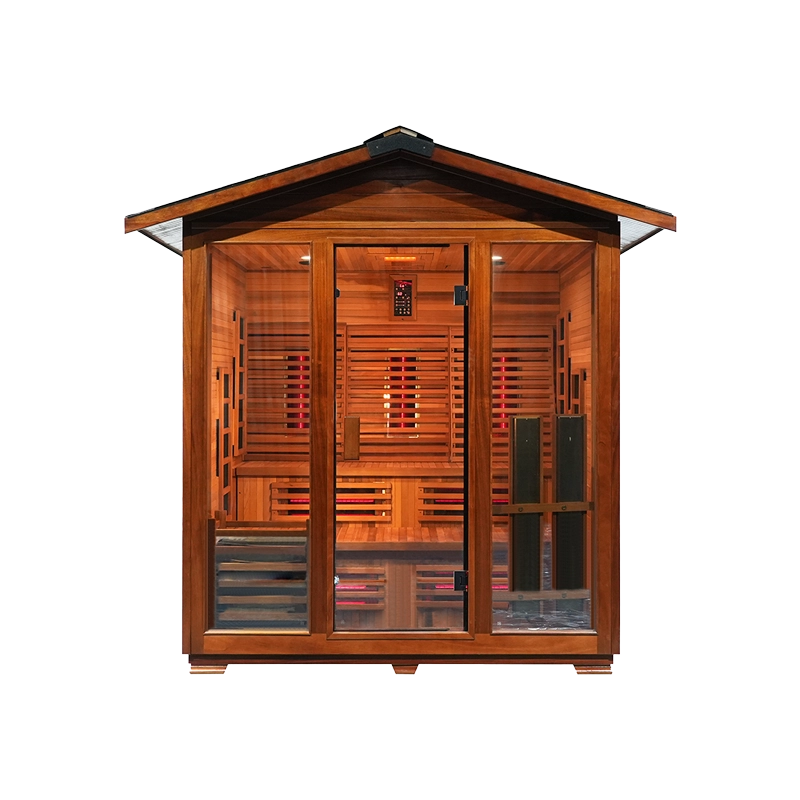
Indoor cabins and outdoor infrared saunas call for different weatherproofing, roofing, sealing and electrical protection. Do not assume an indoor-rated unit will hold up outdoors without modification.
Controls and User Experience Features
Beyond structure and electrical needs, the day-to-day usability of a sauna often comes down to its controls.
Temperature and session controls
Look for a digital panel that is simple to operate. Reliable temperature sensors and built-in session timers make daily use much easier.
Optional wellness features
Chromotherapy lighting, Bluetooth audio, red light systems and adjustable ventilation are common add-ons. These features are not essential, but they do improve the overall experience for many users.
Accessibility and comfort
Bench height, seating depth, door swing direction, interior lighting and control placement all affect comfort. Commercial buyers should also factor in space requirements for higher traffic use.
Using a Far Infrared Sauna Responsibly
Owning the right equipment is only half the picture. How a sauna is actually used matters just as much.
Creating a Comfortable Sauna Routine
Starting gradually: Begin with moderate temperatures and shorter sessions of around fifteen to twenty minutes. Increase time or heat only after you understand your own tolerance.
Preparing for a session: Take water before getting into the cabin. Don’t use a sauna immediately after eating or consuming alcohol. Follow the guidelines from the facility for clothing and drying afterward.
Cooling down afterward: If you have any of the following symptoms, exit the sauna right away: Dizzy, Nauseous, Weak or unusually uncomfortable. Rest following, rehydrate and slowly normalize body temperature.
Setting Realistic Wellness Expectations
When thinking about sauna routines, it is important to keep in mind what a sauna session can practically contribute to the day’s routine and not look for dramatic changes.
Relaxation and daily stress management: Think of far infrared sauna use as a quiet heat-based relaxation ritual. A steady routine tends to be more practical and sustainable than occasional intense sessions.
Warm up and post-exercise comfort: Sauna may be incorporated into a larger recovery program for athletes and fitness centers. Sauna should not be used as a substitute for sleep, water, or mobility exercises and medical rehabilitation.
Sleep and evening routines: A lower-intensity sauna session may be added into the evening wind down for some. Be mindful of your body’s response instead of a general routine.
Who Should Use Additional Caution?
Certain users need to approach sauna sessions with extra care and planning.
Heat-sensitive users: People who are likely to get dizzy, overly hot, thirsty or have low blood pressure should use the sauna with increased caution.
Medical conditions and medications: Some heart diseases, certain medications, pregnancy and chronic diseases may require medical advice before using a sauna.
Commercial safety policies: Clear operating instructions, cleaning schedules, time limits and emergency procedures should be posted in spas, gyms, hotels and wellness centers.
Choosing a Custom Infrared Sauna for Commercial Projects
Commercial buyers prioritize something different than residential buyers, so it is best to begin by determining the intended use.
Identify the Intended Business Application
Hotels and resorts: Prioritize appearance, quiet operation, durability and how well the unit fits into an existing premium wellness space.
Gyms and recovery centers: Focus on materials built for frequent use, easy cleaning, fast heat up times and controls that are simple for staff and members alike.
Spas and wellness clinics: Consider privacy, interior comfort, lighting, sound systems and how the sauna fits alongside existing treatment programs.
Distributors and private label brands
Evaluate product differentiation, branding flexibility, packaging quality, documentation and whether repeat orders stay consistent over time.
Define the Customization Requirements
Once the application is clear, the next step is narrowing down the specific configuration needed.
Cabin configuration: Decide between one person, two people, or larger commercial capacity. Choose indoor or outdoor construction along with standard or customized bench layouts.
Heating configuration: Options include far infrared carbon panels, hybrid heating, full spectrum infrared systems and optional red light components.
Branding and appearance: Custom wood species, finishes, control panel branding, logo placement and packaging customization all matter for private label projects.
Evaluating Infrared Sauna Manufacturers
Choosing the right supplier is often the most important decision in a commercial sauna project.
Manufacturing and quality control capability
Find out whether the supplier manages production, product development, testing and inspection in-house. Request documentation covering materials, electrical components and heating systems.
Certification and market compliance
Verify that the product configuration meets requirements for your destination market. Confirm whether certification covers the complete sauna or only individual parts.
OEM and ODM support
Ask whether the manufacturer can adjust cabin dimensions, heating layouts, seating, electronics and accessories. Clarify prototype availability, minimum order quantities, lead times and design ownership.
After-sales support
Confirm access to installation instructions, replacement parts, warranty coverage and ongoing technical assistance.
Smartmak Infrared Sauna Solutions for B2B Buyers
Smartmak is an experienced sauna manufacturer serving distributors, commercial buyers and end users across international markets. For B2B projects, the company offers custom infrared sauna capabilities rather than a one-size-fits-all catalog.
Relevant considerations for business buyers include OEM and ODM customization, a range of cabin sizes and seating arrangements, and choices in wood, heater, finish and technology. Smartmak also supports indoor far infrared and full spectrum configurations along with commercial and private label projects backed by technical and after sales assistance.
Smartmak’s collection of infrared sauna highlights customizable wood, seating and technology options alongside OEM and ODM services designed for both home and commercial applications.

Conclusion
When it comes to saunas, selecting a far infrared sauna is much more than just a race to the highest marketing claim or highest maximum temperature. The final choice is influenced by heater coverage, cabin construction, electrical compatibility, user comfort, safety controls and intended frequency of use.
Residential buyers should prioritize comfort, available space and straightforward operation. Commercial buyers must dig deeper and consider durability certifications, customisation, supplier capability and support.
Ultimately, the best far infrared sauna is the one that works in your surroundings, meets your usage requirements and is a realistic target for your wellness objectives.
Ready to explore custom infrared sauna options for your home or business? Reach out to Smartmak to discuss OEM and ODM solutions built around your specific project.
FAQs
How hot does a far infrared sauna normally get?
Most far infrared saunas operate between 110 and 140 degrees Fahrenheit. This is noticeably lower than traditional steam or wood fired sauna temperatures.
How long should a beginner stay in a far infrared sauna?
Beginners should start with sessions of about fifteen minutes. Time can be increased gradually as personal heat tolerance improves.
Are carbon or ceramic heaters better for infrared saunas?
Carbon heaters offer broader and more even coverage. Ceramic heaters produce more concentrated heat from a smaller surface area. The better choice depends on your comfort preference.
How much electricity does a far infrared sauna use?
Power draw varies by cabin size and heater wattage. Most residential units run on a standard household circuit without special upgrades.
Can a far infrared sauna be installed outdoors?
Yes but outdoor units need proper weatherproofing, sealed wiring and roofing designed to handle outdoor conditions safely.