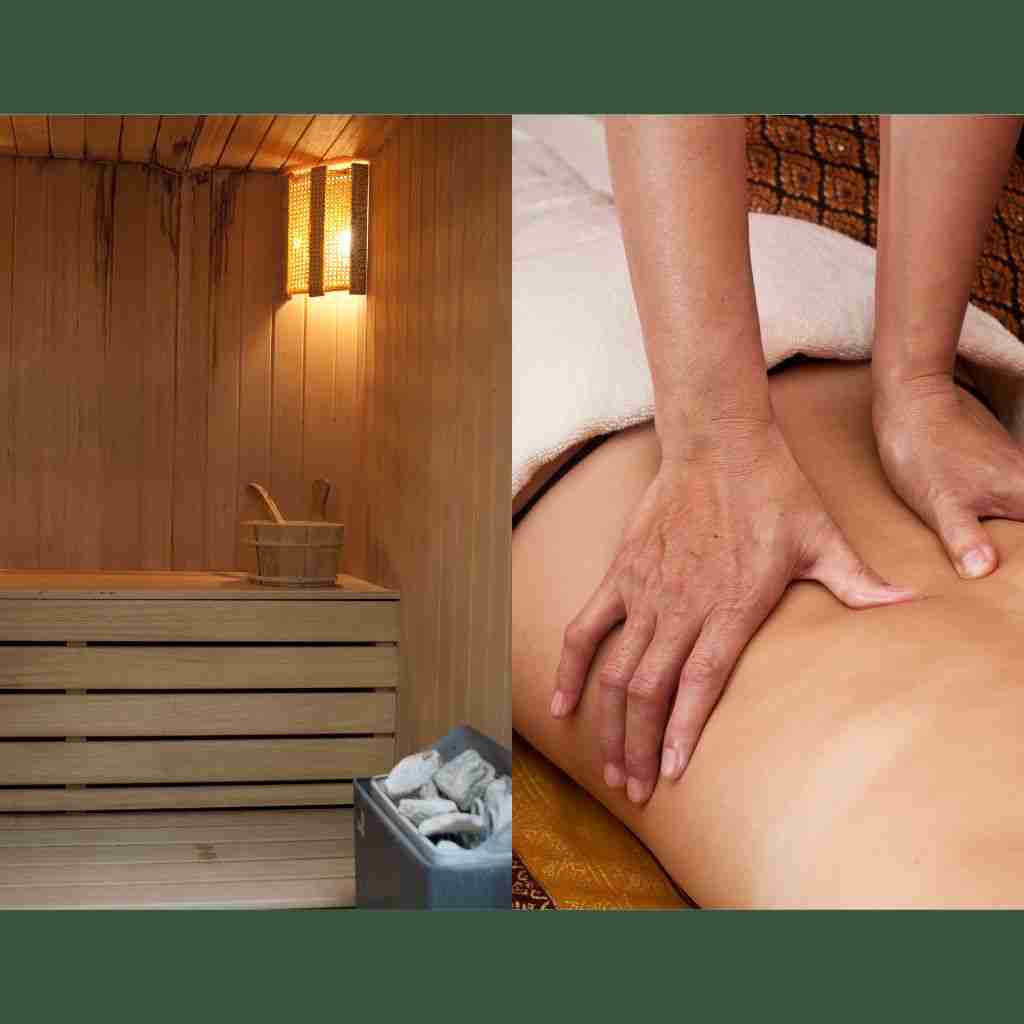
When evaluating whether a sauna or a steam room is superior for weight loss, the direct answer is that the sauna generally burns more calories due to its significantly higher temperatures and dry heat environment. A typical 30-minute session in a sauna can result in a caloric expenditure of up to 300 calories, whereas a steam room session of the same duration typically burns around 150 calories. However, it is fundamentally important to understand that the immediate “weight loss” experienced in both environments is predominantly attributed to the loss of fluids through perspiration (water weight) rather than the direct oxidation of adipose tissue (fat). While heat therapy serves as an excellent supplemental tool for metabolic stimulation and recovery, it must be paired with a caloric deficit and physical exercise to achieve long-term fat reduction.
1. The Physiological Divergence: Dry Heat vs. Moist Humidity
While both saunas and steam rooms are designed to induce sweating and promote relaxation, they achieve these goals through vastly different atmospheric conditions. Understanding these differences is key to determining which environment your body responds to more effectively.
| Feature | Traditional Sauna | Steam Room |
|---|---|---|
| Average Temperature | 150°F to 195°F (65°C to 90°C) | 110°F to 120°F (43°C to 49°C) |
| Humidity Level | Low (approx. 5% to 20%) | High (100% saturation) |
| Heat Source | Wood-burning or electric heaters with stones | Steam generators pumping moist heat |
| Material | Usually wood (to handle dry heat) | Non-porous (tile, glass, or acrylic) |
| Sensation | Intense, “searing” dry heat | Heavy, “enveloping” moist heat |
In a traditional Finnish sauna, the heat is generated by warming a pile of stones. Because the air is dry, your body can tolerate much higher temperatures. The moisture on your skin evaporates quickly, which is the body’s primary method of cooling down. Conversely, a steam room operates at a lower temperature but feels equally intense because the 100% humidity prevents sweat from evaporating. This “traps” the heat against your skin, causing your core temperature to rise rapidly despite the lower thermometer reading.
2. Quantifying the Caloric Burn: A Comparative Analysis
The primary reason a sauna is often cited as being “better” for weight loss is the sheer intensity of the heat stress. When you enter a 190°F environment, your heart rate increases significantly—sometimes by 50% to 70%. This creates a state known as “passive cardio,” where your cardiovascular system works harder to pump blood to the surface of the skin to facilitate cooling.
Because the sauna’s temperature is nearly double that of a steam room, the metabolic demand is higher. To maintain homeostasis, your body consumes more energy (calories). While a steam room also increases heart rate and metabolic activity, the lower temperature threshold means the total energy expenditure is generally lower.
However, it is vital to manage expectations. If you lose two pounds after a sauna session, that weight represents roughly a quart of water. As soon as you rehydrate—which is medically necessary—that weight will return. True weight loss comes from the cumulative effect of a boosted metabolism and the ability to perform better in your actual workouts due to improved recovery.
3. The Biological Reality of Fat Oxidation and Sweating
A common misconception is that “sweat is fat crying.” While poetic, biologically, sweat consists almost entirely of water, sodium, and trace amounts of minerals and toxins. Sweating is a thermoregulatory process, not a metabolic one.
| Process | Mechanism | Impact on Weight Loss |
|---|---|---|
| Sweating | Fluid release to cool the skin | Immediate water weight reduction; no fat loss |
| Fat Oxidation | Breaking down lipids for energy | Requires oxygen and caloric deficit |
| Metabolic Spike | Increased heart rate due to heat stress | Small increase in caloric burn (indirect fat loss) |
The relationship between sweating and fat loss is indirect. When you are in a high-heat environment, your body’s basal metabolic rate (BMR) increases. If you are consistently exposing your body to heat, you may experience a slight “afterburn” effect, similar to high-intensity interval training (HIIT), where your metabolism remains slightly elevated for a period after the session.
4. Strategic Timing: Integrating Heat Therapy with Physical Training
For those looking to maximize the weight loss benefits of heat therapy, timing is everything. Most fitness experts and medical professionals strongly advise against using a sauna or steam room before a workout.
- The Risk of Pre-Workout Heat: Using heat before exercise can lead to premature fatigue, dehydration, and a dangerously high core temperature during your actual workout. It can also cause your muscles to become “too relaxed,” potentially leading to a lack of stability during heavy lifts.
- The Reward of Post-Workout Heat: This is where the magic happens. Using a sauna or steam room after exercise aids in “hyperthermic conditioning.” It increases blood flow to the muscles you just worked, delivering oxygen and nutrients while flushing out metabolic waste products like lactic acid. This reduces delayed onset muscle soreness (DOMS), allowing you to return to the gym sooner and maintain a consistent weight loss schedule.
5. The Multi-faceted Health Advantages of the Traditional Sauna
Beyond the scale, the sauna offers a suite of physiological benefits that can support a healthy lifestyle and, by extension, weight management.
- Cardiovascular Enhancement: Regular sauna use has been linked to improved arterial compliance and lower blood pressure. A stronger heart can handle more intense workouts.
- Stress Mitigation: High cortisol levels are a known contributor to abdominal fat. The deep relaxation of a sauna session lowers cortisol, making it easier for the body to shed stubborn weight.
- Muscular Recovery: The dry heat penetrates deeply into the muscle tissue, easing stiffness and chronic pain, which is particularly beneficial for those with arthritis or joint issues.
- Dermatological Health: While steam is often praised for skin, the intense sweating in a sauna flushes out the pores from the inside out, improving skin elasticity and firmness via collagen stimulation.
6. Holistic Wellness Benefits Unique to the Steam Room
While the sauna wins on raw caloric burn, the steam room offers unique advantages that the dry environment cannot replicate.
- Respiratory Clearance: The moist air is a miracle worker for the sinuses. If you suffer from congestion or allergies that prevent you from breathing deeply during cardio, a steam room can clear your airways.
- Hyper-Hydration of the Skin: For those with dry skin, the 100% humidity helps to plump the skin cells and provide a healthy glow that dry heat might otherwise sap away.
- Joint Lubrication: The combination of heat and moisture is often felt more effectively in the joints, making it a preferred choice for individuals recovering from orthopedic injuries.
7. Special Feature I: Infrared Sauna Technology
A modern evolution in the world of heat therapy is the Infrared (IR) Sauna. Unlike traditional saunas that heat the air around you, infrared saunas use light waves to heat your body directly.
| Aspect | Traditional Sauna | Infrared Sauna |
|---|---|---|
| Heating Method | Convection (Heats the air) | Radiation (Heats the tissue) |
| Depth of Penetration | Superficial | Deep (up to 1.5 inches into the body) |
| Tolerance | Harder to breathe for some | Very comfortable and easier to sit in longer |
The “special feature” of IR technology is that it can induce a sweat that contains a higher concentration of toxins and fats compared to traditional saunas. Because the waves penetrate deeper, they can stimulate the fat tissues directly, potentially aiding in the mobilization of stored energy. This makes the infrared sauna a rising star in the weight loss community.
8. Special Feature II: Halotherapy (Salt-Infused Steam)
Many high-end wellness centers now offer Halotherapy within their steam rooms. This involves the infusion of pharmaceutical-grade salt particles into the moist air.
- Anti-Inflammatory Properties: Salt is naturally anti-inflammatory and antibacterial. Breathing in salt-infused steam can reduce inflammation in the lungs and on the skin.
- Enhanced Detoxification: The salt helps to draw out impurities from the skin more effectively than steam alone.
- Metabolic Support: By improving respiratory efficiency, Halotherapy ensures your body is better oxygenated, which is a key component of efficient fat metabolism.
9. Essential Safety Protocols and Potential Health Risks
Heat therapy is a powerful tool, but it must be used with respect. The primary risk is dehydration. Since you can lose up to a liter of water in a single session, you must drink significantly more water than usual on days you use these facilities.
Who Should Exercise Caution?
- Pregnant Women: Extreme heat can be dangerous for fetal development.
- Heart Conditions: The increased heart rate can be taxing for those with pre-existing cardiovascular issues.
- Asthmatics: While steam can help some, the heavy air can trigger attacks in others.
- Medication Users: Some medications affect the body’s ability to regulate temperature or increase the risk of fainting.
10. FAQ Section I: Practical Usage and Caloric Expectations
Q1: Exactly how many calories will I burn in 15 minutes of steam?
The caloric burn for 15 minutes in a steam room is relatively modest, typically ranging between 20 and 40 calories. This number is influenced by your current body weight, your resting metabolic rate, and how well your body is acclimated to heat. It is comparable to a slow walk.
Q2: Can I target my “belly fat” by focusing the heat on my stomach?
No. Spot reduction is a myth in both exercise and heat therapy. When your body sweats, it draws fluid from the entire system. While your midsection might look slightly tighter immediately after a session due to reduced bloating and water retention, the fat cells in that area remain unchanged.
Q3: Does the “afterburn” from a sauna last all day?
While your metabolism remains slightly elevated for about 30 to 60 minutes following a session as your body works to cool itself down, it is not a significant enough boost to replace traditional exercise. Think of it as a small “bonus” to your daily energy expenditure.
11. FAQ Section II: Long-Term Consistency and Frequency
Q1: Is it safe to use a sauna or steam room every single day?
It is generally not recommended to use these facilities daily unless you are under professional supervision and have an impeccable hydration strategy. Daily use can lead to chronic dehydration, electrolyte imbalances, and lethargy. A frequency of two to three times per week is the “sweet spot” for most healthy adults.
Q2: How long should a single session last for maximum weight loss?
The ideal duration is between 10 and 20 minutes. Staying in longer does not linearly increase fat loss; instead, it exponentially increases the risk of heat exhaustion and fainting. If you feel dizzy or lightheaded, you should exit immediately.
Q3: Will using heat therapy make me lose muscle?
Actually, the opposite may be true. Heat stress triggers the release of “Heat Shock Proteins” and growth hormones, which can help preserve muscle mass even during a caloric deficit. As long as you are consuming enough protein and training, the sauna can actually support a leaner physique.
12. FAQ Section III: Targeted Concerns and Cosmetic Impact
Q1: Can the heat from a steam room cause hair loss?
The heat and high moisture levels can cause hair follicles to open and become temporarily weaker. While it won’t cause permanent baldness, it can lead to breakage or shedding if your hair is already brittle. It is highly recommended to wear a protective hair wrap or shower cap to maintain hair integrity.
Q2: Will a steam room help with cellulite?
Cellulite is caused by fat deposits pushing through connective tissue. While the steam room improves circulation and can temporarily “plump” the skin with moisture—making cellulite appear less prominent for a few hours—it does not remove the underlying fat or repair the connective tissue.
Q3: Does the sweat from a sauna contain more toxins than regular exercise sweat?
Some studies suggest that “thermal sweat” (from saunas) contains higher concentrations of heavy metals like arsenic, cadmium, and mercury compared to “exercise sweat.” While the primary goal is cooling, the detoxification benefit is a significant secondary perk that can make you feel more energetic and ready to tackle your weight loss goals.
Final Synthesis: Choosing the Path to Your Wellness Goals
In summary, when the question is asked—is sauna or steam room better for weight loss?—the sauna emerges as the winner in terms of raw caloric expenditure. The higher temperatures create a more demanding environment for the heart and metabolism, leading to a faster burn in a shorter period.
However, the “best” choice is ultimately the one that you can use consistently and safely. If the dry heat of a sauna feels suffocating, the steam room offers a more breathable, albeit lower-calorie, alternative that still provides excellent recovery benefits. Neither should be viewed as a standalone solution for fat loss. Instead, treat them as luxurious, health-boosting rewards for your hard work in the kitchen and the gym. By integrating these heat therapies into a holistic lifestyle, you can enhance your recovery, boost your metabolic health, and enjoy a more relaxed journey toward your ideal weight.